Table of Contents
Is Marijuana Federally Legal in the United States ?
1. Federal Legal Status
- Illegal: Marijuana is not federally legal in the U.S. as of 2025.
- Schedule I Drug: Under the Controlled Substances Act (CSA) of 1970, marijuana is classified as a Schedule I substance, alongside heroin and LSD.
- This classification denotes:
- High potential for abuse
- Federally, there is no recognized medical use
- Lack of accepted safety for medical use
- This classification denotes:
2. State vs. Federal Conflict
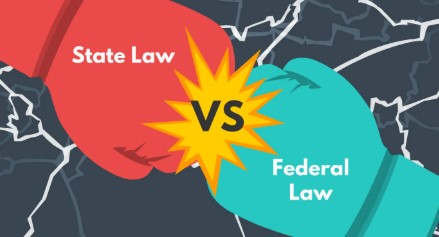
- State Legalization: Despite federal prohibition, over 35 states allow medical use and more than 20 states permit recreational use.
- Legal Discrepancy: These state-level laws operate in direct contradiction to federal law.
- Federal Enforcement Policy:
- The Cole Memorandum (2013) instructed federal prosecutors to deprioritize enforcement in legal states.
- Although rescinded in 2018, enforcement has remained limited in practice.
3. Implications of Federal Illegality
- Banking Issues: Cannabis businesses struggle to access banking services due to federal regulations.
- Tax Code Challenges: IRS Section 280E prevents marijuana businesses from deducting ordinary business expenses.
- Interstate Commerce Ban: Transporting marijuana across state lines remains a federal offense, even between legal states.
4. Reform Efforts
- Legislative Attempts:
- SAFE Banking Act: Seeks to provide legal access to banking services.
- MORE Act: Aims to decriminalize marijuana federally and expunge convictions.
- Rescheduling Review:
- Reclassifying marijuana to Schedule III was suggested by the Department of Health and Human Services (HHS) in 2024.
- As of 2025, the DEA has not finalized this change.
Conclusion:

Marijuana remains federally illegal, creating significant legal and operational challenges, despite expanding state-level legalization and growing public support for reform.
