Table of Contents
Is marijuana dangerous
Marijuana (Cannabis sativa or Cannabis indica) is a psychoactive drug that has sparked decades of debate regarding its safety, benefits, and risks. As legal and social attitudes toward marijuana evolve, it’s crucial to understand whether and how marijuana might be dangerous.
1. Understanding Marijuana and Its Active Components
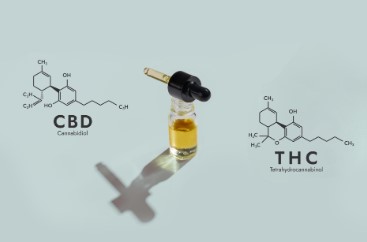
Marijuana consists of over 100 cannabinoids, with delta-9-tetrahydrocannabinol (THC) being the primary psychoactive compound responsible for the “high.” Another major component is cannabidiol (CBD), which is non-intoxicating and has potential therapeutic effects.
The plant’s potency has increased significantly over the past few decades. Average THC concentrations in street marijuana have risen from less than 2% in the 1980s to 15–30% or higher today in some commercial strains. This increase in potency directly affects the potential risks associated with marijuana use.
2. Short-Term Health Effects
A. Cognitive Impairment
Marijuana acutely impairs short-term memory, attention, coordination, and decision-making. These effects are most concerning when users operate vehicles or engage in safety-sensitive activities. Studies show that marijuana use doubles the risk of a motor vehicle crash.
B. Psychomotor Function
THC affects the brain’s motor cortex and basal ganglia, leading to slowed reaction times and decreased coordination. This is especially risky in situations requiring quick reflexes, such as driving or handling machinery.
C. Cardiovascular Effects
Short-term use can increase heart rate and may pose risks to individuals with cardiovascular diseases. Some evidence suggests marijuana may trigger heart attacks or arrhythmias, especially in older users or those with preexisting heart conditions.
D. Respiratory Irritation
Smoking marijuana introduces combustion byproducts similar to those in tobacco, including tar, carbon monoxide, and carcinogens. This can lead to coughing, wheezing, bronchitis, and airway inflammation. Vaporization and edible use mitigate some respiratory risks.
3. Mental Health and Psychological Risks
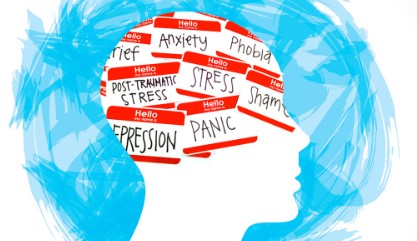
A. Psychosis and Schizophrenia
A significant body of evidence links frequent high-THC marijuana use with increased risk of psychotic episodes, especially in genetically predisposed individuals. Longitudinal studies suggest early and heavy use can double the risk of developing schizophrenia.
B. Anxiety and Depression
While some users report anxiety relief, others experience acute anxiety, paranoia, or panic attacks. Chronic use is associated with higher rates of depression and suicidality, although causality remains debated. The risk may be higher among adolescents and those with mental health vulnerabilities.
C. Cannabis-Induced Psychosis (CIP)
CIP is a condition characterized by hallucinations, delusions, and disorganized thinking following cannabis use. While usually temporary, in some cases it precedes a transition to chronic psychotic disorders.
4. Addiction and Dependency
A. Cannabis Use Disorder (CUD)
An estimated 9–10% of marijuana users develop CUD, a figure that rises to 17% in those who start during adolescence and up to 25–30% in daily users. Symptoms include cravings, loss of control, tolerance, withdrawal, and continued use despite negative outcomes.
B. Withdrawal Symptoms
Contrary to common belief, marijuana withdrawal is real. Symptoms include irritability, insomnia, mood swings, decreased appetite, and cravings. These effects, while not life-threatening, can impair quality of life and complicate cessation efforts.
5. Impact on Adolescents and Brain Development
The adolescent brain is particularly vulnerable to the effects of THC. Regular marijuana use during teenage years has been linked to:
- Reduced IQ and cognitive function
- Is the main psychoactive ingredient in cannabis that gives users a “high.”
- Impaired learning, attention, and memory
- Increased risk of mental illness later in life
Longitudinal research indicates that adolescents who heavily use marijuana may suffer persistent cognitive deficits even after abstaining.
6. Risks of Long-Term Use
A. Cognitive Decline
Chronic use, especially if started early, can impair memory, processing speed, and executive function. While some deficits are reversible after cessation, others—particularly from adolescent exposure—may persist.
B. Respiratory Issues
Chronic smoking of marijuana, like tobacco, can lead to chronic bronchitis and respiratory infections. However, unlike tobacco, marijuana is not definitively linked to lung cancer, though research is ongoing.
C. Motivation and Productivity
“Amotivational syndrome” is a debated condition in which long-term marijuana users exhibit apathy, diminished goal-directed behavior, and poor performance. While not conclusively proven, some studies suggest a correlation, particularly in heavy users.
D. Reproductive Health
Regular marijuana use can lower sperm count and affect fertility. THC may disrupt the hypothalamic-pituitary-gonadal axis, affecting hormone levels in both men and women.
7. Drug Interactions and Medical Risks
Marijuana can interact with other medications, especially blood thinners, sedatives, and antidepressants. It may increase the risk of bleeding or cause excessive sedation when combined with CNS depressants.
For patients with certain medical conditions (e.g., cardiovascular disease, liver dysfunction, schizophrenia), marijuana use may exacerbate symptoms or complicate treatment.
8. Marijuana and Driving
Driving under the influence of marijuana is dangerous. THC impairs reaction time, coordination, and attention, increasing crash risk. Unlike alcohol, THC levels in the blood do not correlate linearly with impairment, complicating enforcement and legal standards.
Studies from jurisdictions with legalized marijuana have shown increases in traffic fatalities where THC was involved, although causation is complex due to poly-drug use and confounding factors.
9. Potential for Overconsumption and Poisoning
Though not lethal, excessive marijuana use—especially edibles—can cause severe psychological distress, nausea, and in rare cases, hospitalization. Symptoms of overconsumption include:
- Panic attacks
- Paranoia and hallucinations
- Vomiting (Cannabinoid Hyperemesis Syndrome)
- Acute psychosis
Edibles pose a higher risk due to delayed onset of effects, leading users to consume more before feeling high.
10. Cannabinoid Hyperemesis Syndrome (CHS)
CHS is a paradoxical condition seen in long-term, high-dose users, characterized by cyclic vomiting, abdominal pain, and temporary relief from hot showers. The mechanism is not fully understood, but cessation of cannabis is the only known cure.
11. Social and Legal Consequences
Even in legalized states, marijuana remains illegal at the federal level in many countries, including the U.S. This legal discrepancy can lead to:
- Employment issues (e.g., drug testing)
- Legal prosecution in non-legal states or countries
- Barriers to certain medical procedures or insurance
- Negative impacts on education and housing for minors and low-income users
12. Population Risks: Special Groups
Pregnant and Breastfeeding Women:
Marijuana use during pregnancy is associated with lower birth weight, developmental delays, and behavioral issues in children. THC can also pass into breast milk, affecting neonatal development.
Individuals with Mental Illness:
People with anxiety, depression, bipolar disorder, or schizophrenia may see worsening symptoms. Marijuana can complicate psychiatric treatment and medication adherence.
Elderly Individuals:
Older adults are more sensitive to the cardiovascular and cognitive effects. Interactions with medications and fall risks must be considered.
Conclusion: Is Marijuana Dangerous?
Marijuana is not inherently “dangerous” in the same way as opioids or alcohol in terms of lethality. However, it is not harmless either. Its risks depend on factors such as age of initiation, frequency of use, dosage, mode of consumption, genetic predispositions, and co-occurring health conditions.
Marijuana can be dangerous when:
- Used heavily, especially at a young age
- Combined with driving or operating machinery
- Used by individuals predisposed to mental illness
- Consumed in high doses or via potent edibles
- Used chronically without medical oversight
Conversely, for certain patients under medical supervision, marijuana may offer relief with a favorable risk-benefit profile, especially for conditions like chronic pain, multiple sclerosis, or chemotherapy-induced nausea.
Ultimately, the question of danger is not binary. As with alcohol or prescription medications, the responsible use of marijuana requires informed decisions, regulatory guidance, and public health education.
