Table of Contents
Is marijuana bad for your heart
The relationship between marijuana and heart health has become an increasingly important subject of research and debate in recent years, especially as cannabis legalization spreads globally. While marijuana has recognized therapeutic potential—such as for chronic pain, nausea, or epilepsy its effects on the cardiovascular system remain controversial and complex. This report provides a comprehensive exploration of whether marijuana is harmful to the heart, focusing on human physiology, clinical research, mechanisms of action, and long-term cardiovascular risks.
1. Overview of Marijuana’s Interaction with the Cardiovascular System
Marijuana’s main psychoactive compound, delta-9-tetrahydrocannabinol (THC), along with cannabidiol (CBD) and other cannabinoids, exerts effects on the body via the endocannabinoid system. This system includes CB1 and CB2 receptors, which are present throughout the brain, nervous system, immune system, and heart.
- CB1 receptors are heavily concentrated in the central nervous system but also exist in the heart and vascular tissues. Activation by THC can influence heart rate, blood vessel tone, and cardiac output.
- CB2 receptors are mostly involved in immune responses and inflammation, which can indirectly affect heart health by influencing atherosclerosis and inflammatory cardiovascular conditions.
2. Short-Term Cardiovascular Effects of Marijuana
In the short term, marijuana has notable and measurable effects on the heart and circulatory system:
a. Increased Heart Rate (Tachycardia)
THC can raise resting heart rate by 20–50 beats per minute within 15–30 minutes after inhalation. This increase can last for up to 3 hours.
- In young, healthy users, this effect is generally well tolerated.
- In individuals with preexisting cardiovascular conditions, it may pose a risk, particularly in those with coronary artery disease.
b. Increased Cardiac Output and Blood Pressure Changes
- Initially, marijuana may cause a slight rise in blood pressure due to sympathetic nervous system activation.
- Later, a drop in blood pressure (orthostatic hypotension) may occur due to vasodilation.
This fluctuation may contribute to dizziness, fainting, or falls, particularly in older adults or those on blood pressure medications.
c. Oxygen Demand and Carbon Monoxide
Smoking marijuana increases carboxyhemoglobin levels carbon monoxide bound to hemoglobin reducing the oxygen-carrying capacity of blood. This compounds stress on the heart, especially during exertion or in individuals with compromised cardiovascular function.
3. Risk of Acute Cardiovascular Events
Research and case reports suggest a temporal link between marijuana use and the onset of acute cardiovascular events:
a. Heart Attack (Myocardial Infarction)
Several observational studies and case reports suggest that the risk of heart attack increases significantly up to five-fold within the first hour after marijuana consumption.
- This may be due to a combination of increased heart rate, vasospasm (sudden constriction of blood vessels), and reduced oxygen supply to the heart.
- Younger adults under age 45 with cannabis use disorder have been shown to have a higher incidence of myocardial infarction compared to non-users, according to data from the National Inpatient Sample in the U.S.
b. Stroke
- A number of case-control studies and autopsy reviews link marijuana use to ischemic and hemorrhagic strokes, particularly in young adults without traditional risk factors.
- Mechanisms may include cerebral vasospasm, changes in blood clotting (prothrombotic effects), and endothelial dysfunction.
c. Arrhythmias
THC can trigger both tachyarrhythmias and bradyarrhythmias. In rare cases, marijuana has been associated with atrial fibrillation, ventricular tachycardia, and sudden cardiac death, especially in predisposed individuals.
4. Long-Term Cardiovascular Effects
While acute effects are better documented, long-term data remain less definitive, largely due to confounding factors (e.g., tobacco use, physical inactivity, other substance use). However, emerging evidence suggests potential chronic risks:
a. Chronic Inflammation and Atherosclerosis
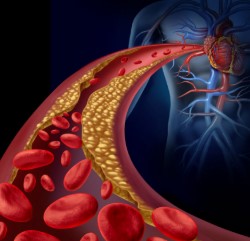
- Chronic cannabis smoking may contribute to inflammation of vascular tissues and acceleration of atherosclerotic plaque development.
- While CBD has anti-inflammatory properties that could theoretically protect the cardiovascular system, most cannabis used is low in CBD and strong in THC when used recreationally.
b. Heart Failure
- A few studies suggest that chronic heavy cannabis use may be associated with a higher risk of heart failure, though mechanisms are unclear and may involve cumulative vascular stress, blood pressure dysregulation, and myocardial damage over time.
c. Cannabinoid Hyperemesis Syndrome and Electrolyte Imbalance
Though rare, cyclic vomiting syndrome related to cannabis use may result in severe dehydration and electrolyte imbalances, which can also contribute to arrhythmias and cardiovascular instability.
5. Population-Specific Risks
a. Older Adults
Older individuals often have underlying cardiovascular disease and may be on multiple medications. Cannabis use in this group is associated with a higher risk of falls, arrhythmias, and adverse cardiovascular outcomes, especially when combined with other heart medications.
b. Adolescents and Young Adults
Though they generally have lower baseline cardiovascular risk, several studies have shown that young cannabis users are increasingly showing signs of early heart disease, possibly due to high-frequency use, concurrent vaping, and THC-potent strains.
c. People with Preexisting Heart Disease
- The American Heart Association (AHA) in its 2020 statement urged caution, advising that marijuana use in individuals with known cardiovascular disease could lead to serious complications.
- Patients with angina, arrhythmias, prior stroke, or congestive heart failure should avoid THC-dominant cannabis products unless under strict medical supervision.
6. Marijuana vs. Other Substances
When compared with tobacco or alcohol:
- Tobacco: Marijuana smoke shares many toxic combustion by-products with tobacco. However, due to less frequent use among most consumers, cumulative exposure may be lower.
- Alcohol: Chronic alcohol use has well-documented effects on blood pressure and heart structure, whereas marijuana’s long-term cardiovascular impact remains less conclusive but still concerning.
7. Potential Cardioprotective Role of CBD
CBD, the non-psychoactive cannabinoid in marijuana, has shown promise in preclinical studies for reducing blood pressure, preventing oxidative stress, and improving vascular function.
- However, clinical data in humans are limited and inconsistent.
- Most over-the-counter or black-market cannabis products do not contain therapeutic concentrations of CBD.
8. Drug Interactions and Clinical Considerations
Cannabis can interact with common cardiovascular drugs such as:
- Warfarin: THC and CBD inhibit cytochrome P450 enzymes, potentially increasing warfarin levels and bleeding risk.
- Beta-blockers and calcium channel blockers: These may interact with THC’s blood pressure-lowering effects.
- Statins: Possible alteration in liver metabolism.
Patients using heart medications should always consult their physician before beginning cannabis use.
9. Research Gaps and Recommendations
Despite growing evidence, the field is hindered by:
- Heterogeneous study designs and poor standardization of cannabis dosing.
- Lack of long-term prospective data, especially in diverse populations.
- Legal and regulatory barriers to conducting rigorous randomized controlled trials.
The AHA and other leading organizations recommend further research, caution in use, and full disclosure of cannabis consumption to healthcare providers.
Conclusion
Marijuana can have acute and chronic effects on the cardiovascular system, with risks particularly elevated in people with existing heart disease, older adults, and chronic heavy users. While marijuana is not universally “bad” for the heart in all cases, the evidence suggests that caution is warranted, especially with high-THC strains and smoked forms. CBD-dominant products may pose fewer risks, but should not be assumed to be cardioprotective without medical oversight.
As cannabis becomes more socially accepted and legally available, it is critical for individuals and healthcare providers to be informed about potential cardiovascular effects and to balance risks with therapeutic benefits in a case-specific manner.
