Table of Contents
Is marijuana bad for you
Marijuana can be both helpful and harmful, depending on how, when, and how much it’s used.
Short-Term Effects:

- Impairs memory, coordination, and judgment.
- Can cause anxiety, paranoia, or hallucinations—especially in high doses.
- Increases the risk of accidents when driving or operating machinery.
Long-Term Risks:
- Frequent use, especially in teens, can lead to reduced IQ and learning issues.
- May cause addiction (cannabis use disorder), marked by cravings and withdrawal.
- Long-term smokers risk lung problems like chronic bronchitis.
Mental Health:
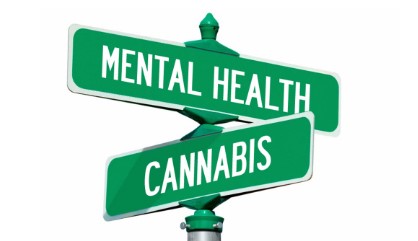
- Increases risk of depression, anxiety, and in some cases, psychosis or schizophrenia.
- Risk is higher for those with a family history of mental illness.
Physical Health:
- Smoking irritates lungs; edibles avoid this but can cause overdose if taken carelessly.
- Rare cases of cannabinoid hyperemesis syndrome (severe vomiting) occur with heavy use.
Medical Use:
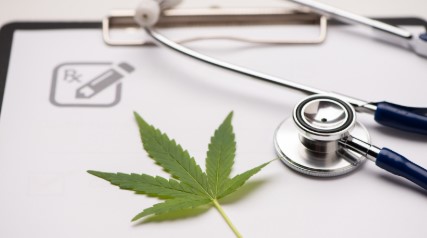
- Can relieve pain, nausea, muscle spasms, and seizures.
- Safer and more efficient when taken under a doctor’s care.
Conclusion:
Marijuana is not inherently “bad,” but it’s not risk-free. It can help certain conditions, but frequent or early use—especially without guidance—can lead to serious health problems. Responsible, adult use in moderation is generally safer than heavy, early, or recreational overuse.
