Table of Contents
Is Marijuana an Opioid ?
1. Classification:
Marijuana (cannabis) is not an opioid. It is a cannabinoid-based substance, derived from the Cannabis sativa plant. Opioids, in contrast, are either natural (e.g., morphine, codeine), semi-synthetic (e.g., oxycodone, hydrocodone), or synthetic (e.g., fentanyl), and are derived from or modeled after the opium poppy.

2. Mechanism of Action:
- Opioids bind to mu, delta, and kappa opioid receptors in the brain and spinal cord to provide exhilaration and inhibit pain sensations.
- Cannabis acts on the endocannabinoid system, primarily through CB1 and CB2 receptors. THC, the psychoactive compound in marijuana, alters mood and perception, while CBD has therapeutic effects without intoxication.
3. Medical Use:
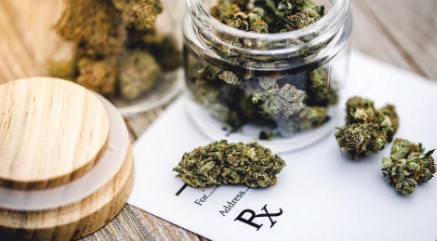
- Opioids are prescribed for acute and chronic pain but carry a high risk of addiction and overdose.
- Marijuana is used to treat chronic pain, muscle spasms, nausea (especially in chemotherapy), epilepsy, and anxiety, with a much lower risk of lethal overdose.
4. Addiction and Safety:

- Opioids are highly addictive and have caused a public health crisis due to overdose deaths.
- Cannabis may lead to cannabis use disorder but is not physically addictive in the same way and does not suppress respiratory function.
Conclusion:
Though both can relieve pain, marijuana and opioids are pharmacologically and medically distinct.
