Table of Contents
Is Marijuana a Stimulant
Marijuana (Cannabis sativa, Cannabis indica, and hybrids) is a psychoactive plant that defies simple classification. It contains over 100 cannabinoids, the most prominent being THC (tetrahydrocannabinol) and CBD (cannabidiol). Unlike traditional drugs that fall neatly into categories, marijuana exhibits stimulant, depressant, and hallucinogenic effects depending on strain, dose, and individual physiology.
1. Stimulant Effects
In certain scenarios, marijuana can act as a stimulant, particularly when using sativa-dominant strains or low to moderate doses of THC. Stimulant-like effects include:
- Increased heart rate and blood pressure
- Enhanced mood and mild euphoria
- Heightened alertness and energy
- Increased sociability and talkativeness
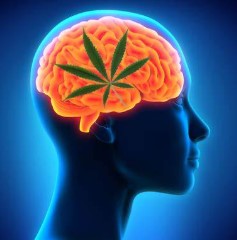
These effects are linked to THC’s activation of CB1 receptors in the brain, which modulates dopamine release, mimicking some stimulant behaviors.
2. Depressant Effects
Marijuana often functions as a depressant, especially with indica-dominant or CBD-rich strains. Depressant-like effects include:
- Muscle relaxation and sedation
- Slowed reaction time and motor coordination
- Drowsiness and fatigue
- Anxiety reduction
These outcomes are common in medical cannabis use, particularly for insomnia, anxiety, and chronic pain.
3. Hallucinogenic Effects
At high THC doses or in sensitive individuals, marijuana may also produce hallucinogenic symptoms:
- Altered perception of time and space
- Visual or auditory distortions
- Paranoia or anxiety
- Psychotomimetic effects (in extreme cases)
This adds complexity to marijuana’s classification and distinguishes it from typical stimulants.
Conclusion
Marijuana is not strictly a stimulant. Its psychoactive effects are multifaceted, depending on cannabinoid content, dosage, and user sensitivity. While it can stimulate, it also frequently relaxes or alters perception, placing it in a unique category of its own rather than within a single traditional drug class.
