Table of Contents
Is marijuana a hallucinogen
1. Definition and Drug Classification
Hallucinogens are substances that profoundly alter perception, mood, and various cognitive processes, often inducing visual, auditory, or tactile hallucinations. Classic hallucinogens include LSD, psilocybin (magic mushrooms), and mescaline. These typically act on serotonin (5-HT2A) receptors in the brain.
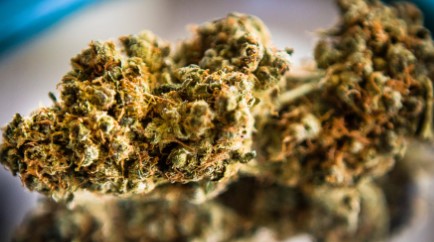
Marijuana (Cannabis sativa), however, does not fall neatly into this category. It is primarily classified as a cannabinoid, based on its active compounds—most notably THC (tetrahydrocannabinol).
2. Psychoactive Effects of Marijuana
Cannabis displays a diverse range of psychoactive effects, and it is considered a multifaceted psychoactive drug, sharing characteristics with various drug classes:

- Depressant effects: Relaxation, sedation, drowsiness
- Stimulant effects: Increased heart rate, heightened alertness in some users
- Hallucinogenic effects: Altered sensory perception, changes in time perception, distorted thinking
3. Hallucinogenic Potential
Though marijuana is not a classic hallucinogen, it can cause hallucinogenic-like effects, such as:
- Distorted visual or auditory perception
- Altered sense of time and space
- Heightened sensory awareness
True hallucinations (seeing or hearing things that aren’t there) are rare and usually occur:
- At high doses
- In naïve or first-time users
- In those with psychiatric vulnerabilities, such as schizophrenia
4. Mechanism of Action
Unlike classical hallucinogens, THC primarily affects the endocannabinoid system, binding to CB1 receptors in the brain. It does not primarily stimulate serotonin receptors, which are crucial for typical hallucinogenic experiences.
5. Conclusion

Marijuana is not classified as a true hallucinogen, but it may induce hallucinogenic-like effects under certain conditions. It is best understood as a unique psychoactive agent with overlapping properties from multiple drug classes, primarily acting as a cannabinoid rather than a classical hallucinogen.
