Table of Contents
Is marijuana a drug
Marijuana, derived from the Cannabis sativa plant, is classified as a psychoactive drug. A drug is broadly defined as any substance that causes changes in physiological or psychological functions. Marijuana fits this definition due to its active chemical compounds that affect the brain and body.
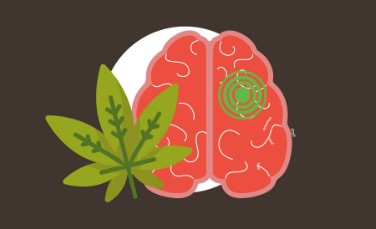
Key Active Compounds
- Tetrahydrocannabinol (THC)
- The main psychoactive component.
- Binds to brain CB1 receptors.
- Causes effects such as euphoria, altered perception, and impaired memory.
- Cannabidiol (CBD)
- Non-psychoactive.
- Studied for medical uses like reducing anxiety, inflammation, and seizures.
- Does not produce a “high.”
Medical Use
- Marijuana is used to treat several conditions:
- Chronic pain
- Chemotherapy-induced nausea
- Epilepsy (especially treatment-resistant forms)
- Multiple sclerosis symptoms
- Medical marijuana is legal in many countries and U.S. states under regulation.
Recreational Use
- Widely used for its mind-altering effects.
- THC levels determine potency and experience.
- Legal for recreational use in several regions but remains controversial.
Legal Status
- United States: Schedule I drug federally (high potential for abuse, no accepted medical use).
- Other Countries: Varies — some allow medicinal and recreational use; others prohibit it entirely.
Health Risks
- Potential for:
- Cognitive impairment (especially in youth)
- Psychological issues (anxiety, psychosis)
- Dependence or abuse
- Risk increases with early and frequent use.
Conclusion
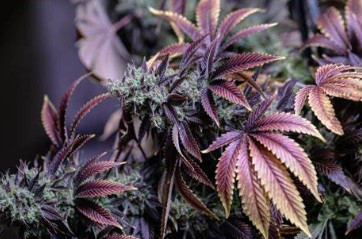
Yes, marijuana is a drug — it exerts pharmacological effects on the brain and body, has recognized medical uses, and carries health risks. Its classification and regulation depend on both scientific evidence and socio-political context.
