Table of Contents
Is Marijuana a Depressant ?
1. Classification of Marijuana
Marijuana (Cannabis sativa) is a multifaceted psychoactive substance that does not fit neatly into one drug category. Depending on its chemical composition and user response, it can act as a:
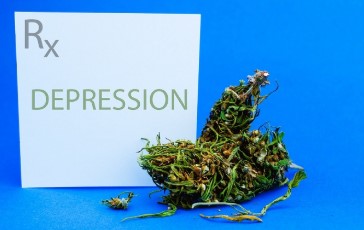
- Depressant
- Stimulant
- Hallucinogen
However, it is most commonly classified as a depressant due to its central nervous system (CNS) effects.
2. Why Marijuana Is Considered a Depressant
Marijuana slows brain function and neural activity through its interaction with the endocannabinoid system, particularly via:

- THC (tetrahydrocannabinol): Binds to CB1 receptors in the brain, reducing neurotransmitter activity (especially GABA and dopamine).
- CBD (cannabidiol): Modulates calming effects without strong psychoactivity.
These interactions lead to:
- Relaxation and sedation
- Drowsiness
- Reduced anxiety
- Slowed reaction time
- Muscle relaxation
- Impaired memory and coordination
These are hallmark characteristics of CNS depressants.
3. Other Pharmacological Effects

Despite its depressant action, marijuana can also show:
- Stimulant-like effects: Increased heart rate, elevated mood, talkativeness.
- Hallucinogenic effects: Altered perception, time distortion, visual changes.
These effects depend on:
- Strain type (Indica vs. Sativa)
- THC/CBD ratio
- Dosage
- Individual physiology
4. Therapeutic Uses as a Depressant
Marijuana’s depressant properties are utilized in medical settings to manage:
- Anxiety disorders
- Insomnia
- Chronic pain
- Muscle spasms (e.g., in multiple sclerosis)
5. Risks and Considerations
While marijuana may offer therapeutic relief, it also poses risks:
- Cognitive impairment
- Psychological dependence
- Increased sedation with other depressants (e.g., alcohol)
Conclusion
Though marijuana has mixed effects, its dominant depressant-like impact on the CNS makes it primarily classified as a depressant, especially in clinical and pharmacological contexts.
