Table of Contents
Is Marijuana a Controlled Substance ?
1. Legal Classification under Federal Law
According to the Controlled Substances Act (CSA), marijuana is categorized as a Schedule I controlled substance as of 1970 in the United States. Schedule I is the most restrictive category, reserved for substances that meet the following criteria:
- High potential for abuse
- Not yet approved for use in U.S. medical treatment.
- Inability to be used safely under medical supervision
This classification places marijuana alongside heroin, LSD, and MDMA, despite increasing medical and public support for its therapeutic potential.
2. Medical Evidence vs. Legal Status
Although marijuana is federally prohibited, scientific studies and clinical research have demonstrated potential benefits in treating:

- Chronic pain
- Multiple sclerosis symptoms
- Epilepsy (especially in pediatric forms like Dravet syndrome)
- Chemotherapy-induced nausea
- Anxiety and PTSD (in some cases)
These findings have fueled ongoing debate about the appropriateness of marijuana’s Schedule I status.
3. State-Level Legalization
As of 2025:
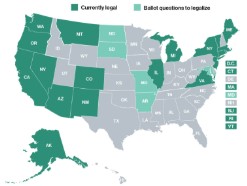
- 38 states and the District of Columbia have legalized medical marijuana.
- 24 states have also legalized recreational use for adults.
This creates a conflict between federal and state law, leading to complications in banking, taxation, and law enforcement for cannabis-related businesses.
4. DEA and Rescheduling Efforts

The Drug Enforcement Administration (DEA) has periodically reviewed marijuana’s classification but has so far refused to reschedule it. Critics argue that the lack of large-scale clinical trials is a barrier created by its own Schedule I status, which restricts research access.
5. Future Outlook
There is growing bipartisan political support, scientific advocacy, and public demand to:
- Reschedule marijuana to a lower class (e.g., Schedule II or III), or
- Deschedule it completely and regulate it like alcohol or tobacco.
These efforts could redefine marijuana’s legal and medical framework in the coming years.
