Table of Contents
Is hemp and marijuanas the same plant
Although both hemp and marijuana belong to the Cannabis sativa plant species, they are not the same. The distinction between hemp and marijuana lies in their chemical composition, uses, cultivation methods, and legal classification. Understanding these differences requires a dive into the botanical, pharmacological, legal, and agricultural perspectives of cannabis.
1. Botanical Similarity
The Cannabis sativa plant is the source of both hemp and marijuana. In taxonomy, they are the same species but are classified into different subspecies or cultivars based on their characteristics:
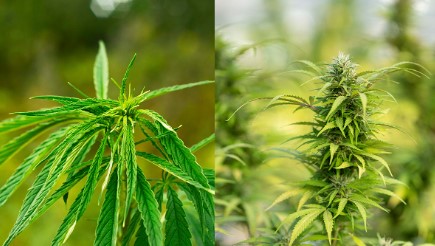
- Hemp is a non-intoxicating variety of Cannabis sativa cultivated primarily for industrial uses.
- Marijuana (also referred to as weed, pot, or ganja) is cultivated for its psychoactive and medicinal properties due to its high content of tetrahydrocannabinol (THC).
Despite looking similar at a glance, there are subtle differences:
- Hemp typically has skinnier leaves, grows taller (up to 20 feet), and is cultivated more densely.
- Marijuana plants have wider leaves, are bushier, and are shorter.
2. Chemical Composition: THC vs. CBD
The most significant difference between hemp and marijuana lies in their cannabinoid profiles, particularly THC (tetrahydrocannabinol) and CBD (cannabidiol).
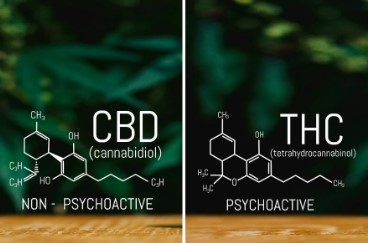
- THC is the main psychoactive ingredient in cannabis that gives users a “high.”
- CBD is non-intoxicating and is often associated with medical benefits like anti-inflammatory and anti-anxiety effects.
Hemp:
- Contains 0.3% or less THC by dry weight (the legal threshold in many jurisdictions).
- Typically has higher CBD levels.
- Does not produce a psychoactive high.
Marijuana:
- Contains more than 0.3% THC, often ranging from 5% to 30% or higher.
- May also have varying levels of CBD, depending on the strain.
- Produces psychoactive effects, used for both recreational and medical purposes.
3. Legal Status
Due to their different THC levels, hemp and marijuana are classified differently under the law in many countries.
United States:
- The 2018 Farm Bill legalized hemp at the federal level, defining it as cannabis with no more than 0.3% THC.
- Marijuana remains federally illegal, classified as a Schedule I controlled substance, though many states have legalized it for medical and/or recreational use.
Other countries:
- Canada treats both hemp and marijuana as cannabis but regulates them differently based on THC content.
- European Union countries generally set THC limits for industrial hemp at 0.2–0.3%.
- Some Asian countries permit industrial hemp but have strict penalties for marijuana use.
4. Uses and Applications
The purposes for cultivating hemp and marijuana differ greatly, based on their chemical profiles and plant structure.
Hemp Applications:
- Industrial Uses:
- Fibers for textiles, rope, and paper.
- Building materials like hempcrete.
- Bioplastics and composites.
- Nutritional Uses:
- Hemp seeds and oil, rich in omega-3 and omega-6 fatty acids.
- Protein powders and food products.
- Medical and Wellness:
- CBD extracts for tinctures, capsules, creams, and pet products.
- Popular in non-psychoactive wellness supplements.
Marijuana Applications:
- Medical Uses:
- Pain relief, anti-nausea (especially in chemotherapy), appetite stimulation.
- Treatment of epilepsy, PTSD, anxiety, and sleep disorders.
- Recreational Use:
- Inhalation (smoking, vaping), edibles, beverages, and concentrates for their psychoactive effects.
5. Cultivation Practices
The growing methods for hemp and marijuana differ based on their intended use.
Hemp Cultivation:
- Grown outdoors on a large scale, similar to corn or wheat.
- Requires less attention and fewer inputs like fertilizers or pesticides.
- Plants are spaced closely and allowed to grow tall to optimize fiber or seed yield.
Marijuana Cultivation:
- Grown in highly controlled environments (indoors or in greenhouses).
- Requires meticulous care for light, humidity, nutrients, and pest management.
- Plants are spaced apart to allow maximum flowering and resin production.
- Crops are often sexed (female-only) to prevent pollination and maintain high THC potency.
6. Scientific Classification Debate
While legally and practically different, hemp and marijuana are scientifically the same species. Botanists and taxonomists generally categorize all cannabis types under Cannabis sativa L., with three primary subtypes:
- Cannabis sativa – taller, narrower leaves, typically associated with hemp and some marijuana strains.
- Cannabis indica – shorter, bushier plants often associated with high THC marijuana.
- Cannabis ruderalis – a lesser-known variety with low THC content, used in breeding for autoflowering traits.
The classification debate arises because these categories are often hybrids, making it challenging to label any cannabis plant strictly as hemp or marijuana without chemical testing.
7. Genetic and Breeding Differences
Despite their shared species, hemp and marijuana have been selectively bred for different traits:
- Hemp breeding focuses on long stalks, low THC, and high CBD or seed/fiber production.
- Marijuana breeding selects for dense flower clusters, high THC content, and specific flavors or terpene profiles.
Modern genetic analysis can distinguish between hemp and marijuana at the DNA level, based on loci associated with cannabinoid synthesis.
8. Environmental and Economic Impact
Hemp:
- Eco-friendly crop: grows quickly, absorbs CO₂, improves soil health.
- Minimal pesticide needs.
- Used in carbon-negative materials like hempcrete and insulation.
Marijuana:
- Indoor grows consume a lot of energy (lighting, HVAC).
- May contribute to higher water use and environmental degradation if poorly regulated.
- Legal marijuana is a high-value crop, with significant tax revenues in legalized markets.
9. Public Misconceptions
One of the most common misconceptions is that hemp and marijuana are entirely different plants. This misunderstanding arises from:
- Confusion about legality and THC content.
- Media generalizations.
- Lack of botanical education.
Another myth is that hemp can get you high, which is false. The trace THC levels in hemp are insufficient to cause intoxication.
10. Regulatory Challenges
The hemp industry faces unique challenges due to its close association with marijuana:
- Cross-pollination: Hemp fields near marijuana can cause pollination, leading to lower THC levels in marijuana or accidental THC spikes in hemp, making it non-compliant.
- Law enforcement: Visual identification is nearly impossible; lab tests are required.
- Market confusion: CBD from hemp vs. marijuana has led to regulatory ambiguity and inconsistent quality standards.
Conclusion
Hemp and marijuana are fundamentally the same species (Cannabis sativa), but they are legally, chemically, and agriculturally distinct. The difference hinges on THC content and the purpose of cultivation whether for industrial, nutritional, or psychoactive use.
While hemp is a versatile, non-intoxicating crop with thousands of applications, marijuana is valued for its psychoactive and therapeutic properties. Understanding the difference between the two is essential not only for informed consumption but also for navigating the legal, scientific, and agricultural landscapes of cannabis.
