Is Climate Change Affecting Medical Cannabis Growth?
Climate change’s impact on agriculture extends to specialized crops like medical cannabis, which requires precise conditions to ensure its therapeutic efficacy for conditions such as chronic pain, epilepsy, and cancer. Alterations in environmental factors due to climate change threaten both the quantity and quality of medical-grade cannabis. This issue is critical as shifting climate patterns, extreme weather, water scarcity, pest outbreaks, and ecological changes could significantly disrupt the production of consistent, high-quality cannabis for medical use.
The Specific Needs of Medical Cannabis Cultivation
Medical cannabis is cultivated under rigorous conditions to ensure its safety, potency, and consistency for therapeutic use. Unlike cannabis grown for recreational purposes, medical cannabis must meet stringent standards of purity and cannabinoid composition. The concentration of active compounds, primarily tetrahydrocannabinol (THC) and cannabidiol (CBD), alongside minor cannabinoids and terpenes, determines its therapeutic potential. Factors such as temperature, humidity, soil health, water quality, and light exposure are crucial for producing cannabis with predictable and effective medicinal properties. Because even small changes in environmental conditions can influence the chemical profile of the plants, any disruptions caused by climate change pose significant challenges to maintaining the quality and reliability of medical cannabis.
Rising Temperatures and Their Impacts
Global temperatures have been steadily increasing due to the accumulation of greenhouse gases in the atmosphere. This rise in temperature has direct and indirect effects on medical cannabis cultivation. Cannabis plants are highly sensitive to temperature fluctuations, and optimal growth typically occurs within a temperature range of 70–85°F (21–29°C). Temperatures that exceed this range can stress the plants, leading to diminished yields and altered cannabinoid profiles. For example, excessive heat can accelerate the degradation of THC and CBD, reducing the therapeutic efficacy of the harvested product. Furthermore, heat stress can interfere with photosynthesis, stunting growth and reducing biomass production.
High temperatures may also affect the secondary metabolite production of cannabis plants. Terpenes, which contribute to the plant’s aroma and potential medicinal benefits, are highly volatile compounds that can evaporate under excessive heat. This evaporation not only impacts the plant’s therapeutic value but also compromises its suitability for patients relying on consistent and specific terpene profiles for symptom management. Consequently, the rise in global temperatures poses a substantial threat to the integrity of medical cannabis as a reliable therapeutic agent.
Altered Growing Seasons
Climate change has led to unpredictable shifts in growing seasons across various regions. Traditionally, cannabis plants have a specific photoperiod requirement, meaning their growth and flowering stages are closely tied to light cycles. Changes in seasonal patterns, such as shorter or longer periods of daylight due to shifting weather systems, can disrupt the natural lifecycle of the plants. This can result in delayed flowering or premature harvests, ultimately affecting the potency and consistency of the cannabinoids.
For outdoor cultivation, regions that were once ideal for growing medical cannabis may become less suitable due to these seasonal disruptions. For instance, warmer climates that previously supported consistent harvests may now experience erratic weather patterns that hinder crop development. Similarly, cooler regions may see a longer growing season, but the increased variability could also bring risks such as frost damage during unexpected cold snaps.
Water Scarcity and Irrigation Challenges
Water is a critical resource for medical cannabis cultivation, and climate change-induced water scarcity is one of the most pressing concerns for growers. Cannabis plants require significant amounts of water during their vegetative and flowering phases to produce the resin-rich flowers that contain medicinal compounds. As global temperatures rise and precipitation patterns become more erratic, many regions are experiencing prolonged droughts and reduced water availability. This presents a major challenge for maintaining consistent crop yields.
In some areas, reliance on irrigation systems is increasing as natural water sources become depleted. However, the overuse of irrigation can lead to soil salinization, which reduces soil fertility and harms cannabis plants. Additionally, water quality is an essential factor in medical cannabis cultivation; contaminants such as heavy metals, pesticides, or other pollutants in water sources can compromise the safety and quality of the final product. Patients who use medical cannabis are often immunocompromised or have chronic illnesses, making it imperative that the crop is free from harmful substances. Climate change-induced water scarcity could force growers to rely on suboptimal water sources, jeopardizing the safety of the product.
Increased Risk of Pests and Diseases
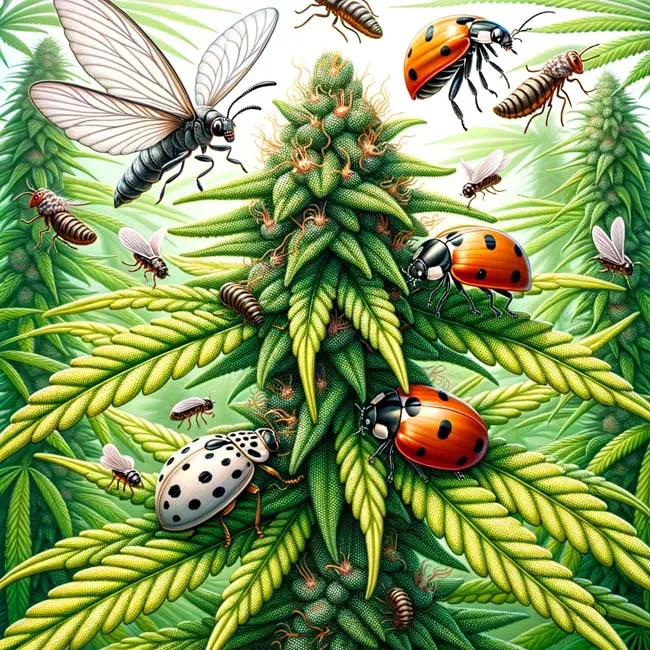
The changing climate is also contributing to the proliferation of pests and plant diseases that can devastate medical cannabis crops. Warmer temperatures and higher humidity levels create ideal conditions for the spread of fungal pathogens such as powdery mildew and Botrytis cinerea (gray mold). These diseases can significantly reduce the yield and quality of cannabis plants, and in severe cases, render entire crops unusable. Moreover, fungal contamination poses a direct health risk to patients, especially those with compromised respiratory systems or weakened immune responses.
In addition to fungal pathogens, rising temperatures are enabling the migration of insect pests to regions where they were previously uncommon. Aphids, spider mites, whiteflies, and other pests feed on cannabis plants, causing physical damage and spreading plant viruses. Pest infestations not only reduce crop yields but also necessitate the use of pest control measures. For medical cannabis, the use of chemical pesticides is heavily restricted to ensure product safety for patients. Climate change exacerbates this challenge by increasing the likelihood of infestations while limiting the options available for pest management.
Soil Degradation and Erosion
Healthy soil is a cornerstone of successful cannabis cultivation, providing the nutrients and structural support necessary for plant growth. However, climate change is contributing to widespread soil degradation and erosion in many agricultural regions. Extreme weather events like flooding and strong rains can occur more frequently and with greater intensity, washing away topsoil and reducing the nutrients needed for cannabis growing. Conversely, prolonged droughts can lead to soil compaction and reduced organic matter, impairing the soil’s ability to retain water and nutrients.
For medical cannabis growers, maintaining soil health is particularly important because the plant’s ability to synthesize cannabinoids and terpenes depends on the availability of essential nutrients. Degraded soils may lack critical micronutrients such as magnesium, calcium, and phosphorus, leading to nutrient deficiencies that affect plant development and chemical composition. Many growers are using soil remediation methods such crop rotation, cover crops, and the application of organic amendments as a solution to these problems. However, these measures can increase production costs, which may ultimately affect the affordability of medical cannabis for patients.
Extreme Weather Events
The increasing frequency and severity of extreme weather events, such as hurricanes, heatwaves, wildfires, and floods, pose significant risks to medical cannabis cultivation. These events can destroy crops outright or disrupt the growing environment to such an extent that recovery is impossible. For instance, hurricanes and storms can cause physical damage to plants and growing infrastructure, while heatwaves can lead to thermal stress and dehydration.
Wildfires are an especially pressing concern for cannabis cultivation, as they not only threaten the physical crops but also introduce contamination risks. Cannabis plants exposed to smoke and ash can absorb harmful compounds, such as polycyclic aromatic hydrocarbons (PAHs), which compromise the safety of the final product. This is particularly problematic for medical cannabis, where purity and safety are paramount. Furthermore, wildfires can damage critical infrastructure, such as greenhouses and irrigation systems, leading to long-term disruptions in production.
Adaptation Strategies for Medical Cannabis Cultivation
To mitigate the impacts of climate change, medical cannabis growers are adopting various adaptation strategies. Controlled-environment agriculture (CEA), such as indoor cultivation and greenhouse systems, is becoming increasingly popular as a way to shield plants from the unpredictable effects of climate change. These systems allow growers to precisely regulate temperature, humidity, light, and CO2 levels, creating optimal conditions for medical cannabis production regardless of external weather conditions. However, unless renewable energy sources are employed, CEA systems’ high energy requirements and dependency on electricity may result in greenhouse gas emissions.
Another adaptation strategy involves the development of climate-resilient cannabis strains. Breeders are working to create genetic varieties of cannabis that can withstand higher temperatures, drought conditions, and pest pressures while maintaining consistent cannabinoid and terpene profiles. These efforts are crucial for ensuring the continued availability of medical-grade cannabis in the face of changing environmental conditions.
Sustainable water management practices are also being implemented to address water scarcity. Techniques such as drip irrigation, rainwater harvesting, and wastewater recycling can help growers reduce water consumption while maintaining crop health. Additionally, advances in soil science, such as the use of biochar and mycorrhizal fungi, are helping to improve soil fertility and resilience against climate-induced degradation.
The Broader Implications for Patients and Healthcare Systems
The challenges posed by climate change to medical cannabis cultivation have broader implications for patients and healthcare systems. Disruptions in production can lead to shortages of medical cannabis, making it difficult for patients to access the therapies they need. This is particularly concerning for individuals who rely on cannabis as a primary treatment for chronic pain, epilepsy, or other debilitating conditions. Supply chain disruptions may also drive up the cost of medical cannabis, placing additional financial burdens on patients.
Moreover, variability in the quality and potency of medical cannabis due to environmental factors could undermine its therapeutic efficacy. Patients depend on consistent cannabinoid and terpene profiles to manage their symptoms, and any deviations in these profiles could result in suboptimal treatment outcomes. This underscores the importance of maintaining rigorous quality control standards in the face of climate-related challenges.
Healthcare systems may also be affected by the ripple effects of climate change on medical cannabis production. As the demand for alternative therapies grows, ensuring a stable and reliable supply of medical cannabis will become increasingly important. Policymakers and healthcare providers will need to address the challenges posed by climate change to safeguard the availability and accessibility of this critical treatment option.
Restrictions on Growing and Using Cannabis in the Medical Field as a Last Resort
The use of cannabis in the medical field is heavily regulated worldwide to ensure that it is employed responsibly, safely, and only when necessary. Many countries and jurisdictions allow cannabis-based medicines solely as a last-resort treatment for patients who have not responded to conventional therapies. To minimize the risks associated with its psychoactive components, strict controls on cultivation, processing, and prescription practices are in place. Monitoring tetrahydrocannabinol (THC) levels in medical cannabis products is central to these regulations, as it helps to prevent unwanted psychoactive effects on patients.
Regulatory Restrictions on Cultivation
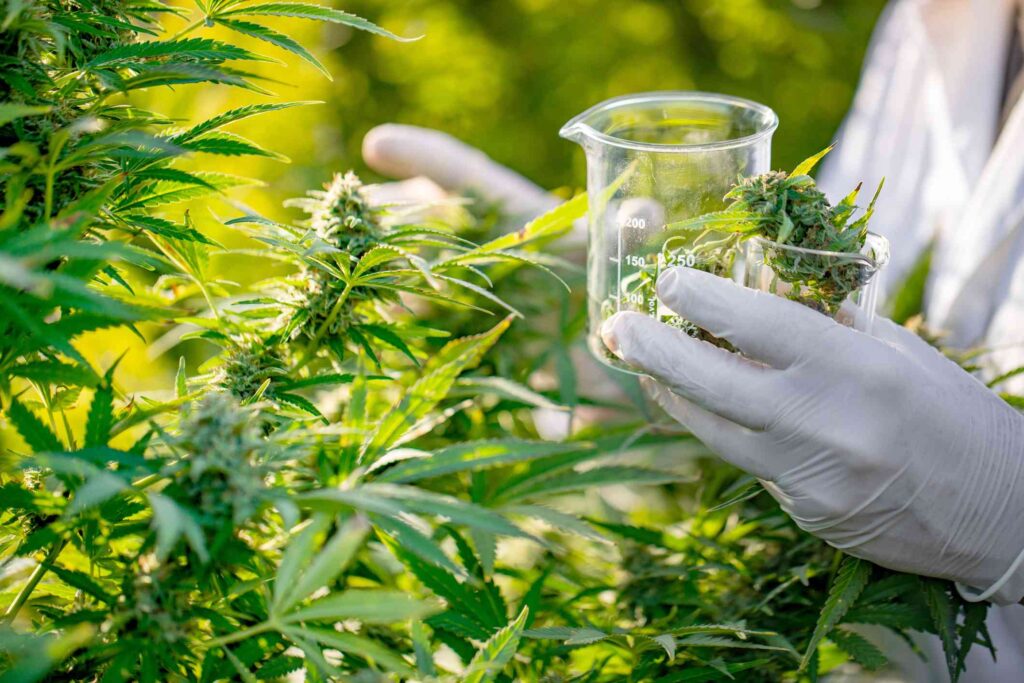
Medical cannabis cultivation is subject to stringent oversight to ensure that the plant meets the high standards required for pharmaceutical use. Growers must obtain specific licenses from government authorities, which typically involve extensive background checks, inspections, and compliance with strict security measures. Cultivation operations are often required to use controlled environments, such as greenhouses or indoor facilities, to minimize external contamination and ensure consistency in cannabinoid profiles.
In addition to environmental controls, restrictions are placed on the genetic strains of cannabis that can be grown for medical use. High-CBD, low-THC strains are generally preferred, as cannabidiol (CBD) provides many therapeutic benefits without the psychoactive effects associated with THC. Growers must also follow strict protocols for harvesting, drying, and curing cannabis to preserve the plant’s medicinal compounds while avoiding contamination with mold, bacteria, or heavy metals. Any deviation from these standards can result in the disqualification of crops for medical use.
Cannabis as a Last-Resort Treatment
In many jurisdictions, medical cannabis is prescribed only when all other treatment options have been exhausted. This “last resort” policy aims to ensure that cannabis is not overprescribed or used unnecessarily. Physicians are required to document a patient’s medical history and demonstrate that conventional therapies, such as pharmaceuticals or physical treatments, have been ineffective before recommending cannabis-based medicines. This is particularly relevant for conditions such as chronic pain, multiple sclerosis, epilepsy, and chemotherapy-induced nausea, where traditional treatments may fail or cause intolerable side effects.
Patients who receive medical cannabis must often be enrolled in specialized programs or registries that track their treatment progress and ensure compliance with regulations. These programs help to monitor the safety and efficacy of cannabis-based therapies while providing data for ongoing research.
Monitoring THC Levels to Prevent Psychoactive Effects
The psychoactive effects of THC pose significant concerns in the medical field, particularly for patients with cognitive or psychological vulnerabilities. To mitigate these risks, governments and medical regulators mandate the monitoring and control of THC levels in cannabis-based medications. THC concentrations are typically limited to very low levels in medical formulations, especially those intended for pediatric or elderly patients. For example, products like CBD oils may contain less than 0.3% THC, ensuring that they provide therapeutic benefits without causing intoxication or other psychoactive side effects.
Laboratory testing is a critical component of this regulatory framework. Licensed producers must conduct rigorous testing to confirm that THC levels in their products fall within permissible limits. To reduce the possibility of side effects, patients are frequently counseled to use cannabis-based medications in prescribed dosages and under a doctor’s supervision. By prioritizing low-THC formulations and emphasizing monitoring, medical authorities aim to preserve the therapeutic potential of cannabis while safeguarding patient safety.
Conclusion
The intersection of cannabis cultivation and use in the medical field with climate change, regulatory restrictions, and the need to safeguard patient safety underscores the complexity of integrating this plant into modern therapeutic practices. The challenges posed by climate change, such as rising temperatures, water scarcity, pest infestations, and extreme weather events, threaten the ability to cultivate medical cannabis consistently and at the high standards required for its therapeutic efficacy. Adaptation strategies, including controlled-environment agriculture, development of climate-resilient strains, and sustainable water management, are essential for ensuring a reliable supply of medical cannabis amidst an increasingly unpredictable climate.
At the same time, the use of cannabis in the medical field is bound by strict regulations that prioritize safety, purity, and consistency. Its cultivation is carefully monitored, requiring adherence to stringent protocols to ensure that the plant meets pharmaceutical-grade standards. Restrictions on the genetic strains allowed for medical use, with a preference for high-CBD, low-THC varieties, reflect the need to mitigate the risks of psychoactive effects while preserving therapeutic value. These regulations are further reinforced by extensive laboratory testing, ensuring that cannabinoid levels, particularly THC, remain within safe and permissible limits.
Medical cannabis is often reserved as a last-resort treatment for patients who have exhausted conventional therapeutic options. This cautious approach prevents overuse or unnecessary prescription while ensuring that patients who genuinely need cannabis-based medicines have access to them. Rigorous physician oversight and patient monitoring ensure compliance with these restrictions and contribute to a growing body of research on the safety and efficacy of medical cannabis.
Together, the discussions on climate change, cultivation challenges, and regulatory frameworks illustrate the dual necessity of innovation and precaution in medical cannabis production and use. While climate change presents significant threats to the agricultural stability of cannabis, the industry’s ability to adapt will play a critical role in ensuring patient access to this vital treatment. Similarly, regulatory frameworks provide essential safeguards that protect vulnerable patient populations while maintaining the therapeutic integrity of cannabis-based medications.
The future of medical cannabis lies at the intersection of these concerns, requiring collaborative efforts from growers, scientists, policymakers, and healthcare providers. By addressing environmental challenges and maintaining rigorous regulatory standards, the medical cannabis sector can continue to grow responsibly, offering effective and safe treatments for patients while adapting to a changing world. In essence, the ongoing success of medical cannabis hinges on balancing innovation with strict adherence to safety and quality, ensuring that its benefits are maximized for those who need it most.
