Table of Contents
Is Cannabis Marijuana ?
Definition
Yes, cannabis and marijuana refer to the same plant species, but the terms are used differently.
- Cannabis is the scientific name for a genus of plants, including Cannabis sativa, Cannabis indica, and Cannabis ruderalis.
- Marijuana refers specifically to cannabis plants with high levels of THC (tetrahydrocannabinol), the compound responsible for psychoactive effects.
Cannabinoids
More than 100 active substances known as cannabinoids are found in cannabis.
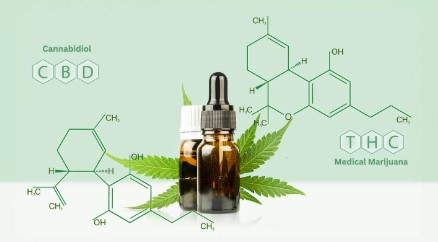
- THC: Causes intoxication (the “high”).
- CBD (cannabidiol): Non-psychoactive; used for therapeutic purposes like pain relief and anxiety control.
Terminology Usage
- “Cannabis” is the preferred term in medical, scientific, and legal contexts.
- “Marijuana” is commonly used in casual and historical contexts but is being replaced to avoid outdated stigma.
Types of Cannabis
- Marijuana: High in THC; used for recreational and medical purposes.
- Hemp: Very low in THC (<0.3%); used for industrial products like textiles, paper, and food supplements.
Consumption Methods

- Smoking, vaping, edibles, oils, tinctures, capsules, topicals.
Medical Use
Cannabis (marijuana) is used to treat:

- Chronic pain
- Nausea from chemotherapy
- Epilepsy
- Anxiety
- Muscle spasms (e.g., multiple sclerosis)
Risks
- Short-term: Impaired memory, coordination, judgment.
- Long-term: Dependency, cognitive issues (especially in young users), potential mental health effects.
Legal Status
Varies by country and region:
- Some permit both recreational and medical use.
- Others restrict or ban it entirely.
Conclusion
Cannabis is the correct botanical term; marijuana refers specifically to high-THC cannabis used for psychoactive effects. While both terms are related, understanding the distinction is important for clarity in science, medicine, and law.
