Table of Contents
The Iron Triangle cannabis strain is a powerful and well-balanced hybrid known for its rich history, distinct aroma, and potent effects. It is a cross between Triangle Kush, Fire OG, and Platinum OG, offering a unique blend of qualities that appeal to both recreational and medicinal cannabis users. This strain combines the best features of its parent strains, resulting in a robust profile that combines the earthy, piney, and diesel-like qualities of its genetics with an intoxicatingly potent high. Iron Triangle has become a popular strain, with its fans appreciating its complex and nuanced effects.
1. Genetics and Origins
Iron Triangle cannabis is the result of a careful breeding process combining three renowned strains: Triangle Kush, Fire OG, and Platinum OG. Let’s break down the genetics of each parent:
- Triangle Kush: A famous indica-dominant hybrid known for its strong sedative effects and earthy, piney flavor. It has a reputation for delivering a relaxing body high and is often used by medical patients looking for sleep and pain alleviation.
- Fire OG: Known for its potent and long-lasting effects, Fire OG is a sativa-leaning hybrid that tends to have an uplifting and euphoric effect. It is prized for its balanced effects, which make it great for daytime use.
- Platinum OG: This indica-dominant hybrid is known for its high THC content and calming effects, helping users manage anxiety and stress. It has a distinct flavor profile with earthy and citrus notes.
2. Appearance
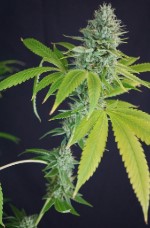
Iron Triangle cannabis plants tend to be large, bushy, and produce dense, resin-coated buds. The buds are typically a mixture of vibrant green and purple hues, often with orange pistils that give them a fiery appearance. The trichomes on Iron Triangle are thick and sticky, making the buds feel frosty to the touch.
3. Aroma and Flavor
The aroma of Iron Triangle is often described as earthy, piney, and diesel-like, with subtle citrus notes reminiscent of lemon or lime. The scent is bold and pungent, with a slightly sweet undertone that balances the more robust and diesel-like elements. The flavor profile matches the aroma closely, offering a smooth and rich smoke with earthy, woody notes combined with a hint of citrus. The diesel and pine flavors are more prominent on the exhale, leaving a distinct aftertaste.
4. Cannabinoid Profile and Terpenes
Iron Triangle is known for its high THC content, which typically ranges between 20-25%, making it a potent strain. This high THC content is what makes the strain particularly popular among users seeking strong and long-lasting effects. Additionally, it contains a range of other cannabinoids, including CBD, though in smaller amounts. CBD levels are generally low in this strain, making it better suited for those seeking primarily THC-dominant effects.
- Myrcene: This is the most common terpene found in cannabis and is known for its calming, sedative effects. It contributes to the strain’s earthy and musky aroma and is often associated with the “couch-lock” feeling that some users experience.
- Limonene: Known for its citrus aroma, limonene provides uplifting effects and can help with stress relief and mood enhancement. It adds a zesty and sweet note to the flavor profile of Iron Triangle.
- Caryophyllene: This spicy, peppery terpene has anti-inflammatory properties and is known for its potential to activate the body’s CB2 receptors, which may help with pain relief and inflammation.
5. Medical Uses
Iron Triangle is a versatile strain with a range of medical benefits, especially for those dealing with physical pain, stress, anxiety, and insomnia. Here’s a closer look at its specific medicinal uses:
Pain Relief
One of the most common reasons people use Iron Triangle is for its ability to provide significant pain relief. Its high THC content, combined with its rich terpene profile, allows it to effectively ease both chronic and acute pain. Whether it’s neuropathic pain, muscle spasms, or joint discomfort, Iron Triangle has been reported to assist patients in successfully managing these symptoms.
Stress and Anxiety
Iron Triangle’s calming effects also make it an ideal choice for individuals suffering from stress and anxiety. The presence of myrcene and caryophyllene contributes to the strain’s relaxing qualities, helping to alleviate tension in the body and calm racing thoughts. It has a mild sedative effect that promotes a sense of relaxation and euphoria without being overly overwhelming. This makes it suitable for daytime or evening use, depending on an individual’s tolerance.
Insomnia and Sleep Disorders
Due to its calming nature, Iron Triangle is often recommended to those struggling with insomnia or other sleep disorders. Its potent sedative properties, enhanced by myrcene, help users unwind and relax, making it simpler to get to sleep and remain sleeping all night. For individuals with chronic sleep disturbances, Iron Triangle can be a useful option to improve sleep quality.
Appetite Stimulation
Like many other high-THC strains, Iron Triangle can stimulate appetite, making it beneficial for individuals undergoing medical treatments such as chemotherapy or those with eating disorders. The strain’s euphoric effects can help enhance the enjoyment of food and encourage regular eating.
Inflammation and Muscle Tension
Due to its anti-inflammatory and analgesic properties, Iron Triangle is useful for people dealing with inflammation-related conditions such as arthritis, fibromyalgia, or muscle tension. Its blend of terpenes, especially caryophyllene, provides relief from inflammation and helps relax tight muscles, providing both physical and mental relaxation.
Depression and Mood Disorders
While not as commonly used for depression as other strains, Iron Triangle’s uplifting effects, thanks to the presence of limonene, make it a good option for individuals dealing with low mood or mild depression. It can elevate mood and provide a sense of euphoria, helping to alleviate negative thinking and promote a more positive mindset.
6. Recreational Uses
Euphoria and Upliftment
Iron Triangle’s combination of THC and terpenes provides a euphoric experience that many users enjoy. The cerebral effects are typically uplifting, and users report feeling more energetic and motivated after consumption. This makes Iron Triangle a great choice for social situations, creative endeavors, or enjoying activities like hiking or cooking.
Relaxation and Stress Relief
For those looking to unwind after a long day, Iron Triangle is an excellent option. It offers a deep sense of relaxation, soothing both the body and mind without being overly sedative. This makes it perfect for evening use when you want to de-stress and relax in front of a movie or while enjoying a peaceful evening at home.
Creativity and Focus
While Iron Triangle is more known for its relaxing effects, some users report feeling more focused or creative after consuming it. The strain provides a mild cerebral boost that can enhance mental clarity, making it suitable for light creative tasks, brainstorming, or having deep conversations with friends.
Social Enjoyment
Thanks to its uplifting nature, Iron Triangle is ideal for social events or gatherings. It helps to enhance social interactions by easing social anxiety and boosting confidence. Whether you’re attending a party or having a casual hangout with friends, Iron Triangle can provide the mental clarity and relaxation necessary for an enjoyable experience.
7. Growing Iron Triangle
Genetic Makeup and Growth Habits
- Triangle Kush (Indica-dominant): The indica genetics impart a more compact, bushy growth habit and a focus on lateral branching. This results in plants that are less tall but produce dense, resin-heavy buds.
- Fire OG (Sativa-leaning Hybrid): Fire OG contributes to a more robust and resilient structure, capable of withstanding temperature fluctuations and environmental stressors better than a pure indica. It can influence the strain to grow slightly taller and stretch during the flowering phase.
- Platinum OG (Indica-dominant): Known for its heavy buds and high resin production, Platinum OG helps Iron Triangle develop dense, sticky buds with high trichome content. This also means the plant requires careful monitoring to avoid fungal or mold issues due to dense bud structure.
Growth Characteristics
- Height: Iron Triangle plants generally grow to a medium height, reaching around 3-5 feet indoors, and can exceed this height outdoors. Their growth is bushy with dense foliage and branches that can be quite thick, requiring space and air circulation to avoid mold and mildew buildup.
- Branching: The dense branching structure, inherited from the indica side, means Iron Triangle benefits from low-stress training (LST) and topping techniques, which promote horizontal growth and maximize light penetration to lower nodes.
Environmental Conditions
Indoor Environment
- Temperature: The ideal indoor temperature for Iron Triangle is between 70-80°F (21-27°C) during the day. Nighttime temperatures should be kept between 60-70°F (15-21°C), as cooler temperatures during the dark cycle can help trigger flowering and increase trichome production.
- Humidity: In the vegetative stage, humidity levels should be kept around 40-60%, while during the flowering stage, this should be reduced to 40-50%. Maintaining a lower humidity level during flowering is crucial to prevent bud rot and mold growth, especially due to the dense structure of Iron Triangle’s buds.
- Light Intensity: Iron Triangle requires high light intensity, especially during the flowering phase. Many indoor growers opt for high-pressure sodium (HPS) lights for flowering, as they emit the red and orange wavelengths necessary for optimal bud growth. During the vegetative stage, metal halide (MH) lights or LED grow lights are ideal as they provide the blue spectrum for strong, healthy vegetative growth.
- Air Circulation: Proper airflow is crucial, particularly due to the dense foliage. Indoor cultivators should use oscillating fans and an exhaust fan system to maintain air circulation. This helps reduce the chances of mold, improves transpiration, and prevents stagnant air.
Outdoor Environment
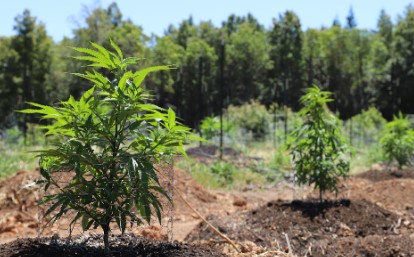
- Temperature: When growing Iron Triangle outdoors, a Mediterranean or temperate climate with long, sunny summers is ideal. Outdoor temperatures between 70-85°F (21-29°C) during the growing season provide the optimal range for growth.
- Light: Iron Triangle needs exposure to plenty of direct sunlight, which is necessary for photosynthesis and the production of terpenes and cannabinoids. Outdoor growers should ensure the plants are in an area that receives at least 6-8 hours of sunlight per day.
- Soil Composition: Iron Triangle thrives in well-draining, nutrient-rich soils, ideally loamy soil with organic matter like compost. Well-draining soil is essential to prevent root rot and encourage healthy root development. Adding organic matter helps maintain soil moisture and provides a steady supply of nutrients to the plant.
- Watering Needs: Outdoors, Iron Triangle plants require consistent watering, but they also need good drainage to avoid root rot. Using drip irrigation systems can help ensure the plants receive a steady and consistent water supply without over-watering.
Growth Stages and Best Practices
Germination
The first step in cultivating Iron Triangle is germination, where seeds begin to sprout and develop roots. Iron Triangle seeds should be placed in a moist, warm environment (around 70-80°F) to promote sprouting. The use of humidity domes or a propagation tray ensures the seeds maintain the necessary moisture levels. It usually takes 3–7 days for seeds to sprout.
Vegetative Stage
Once the seedlings sprout, they enter the vegetative stage, where they develop roots, leaves, and stems. This stage typically lasts 4-6 weeks before the plant enters the flowering phase. Important things to think about at this point are:
- Light Cycle: Indoor growers should provide 18-24 hours of light during the vegetative stage to ensure healthy, vigorous growth. If growing outdoors, the plant will follow the natural photoperiod, which is crucial for its healthy vegetative development.
- Training Techniques: Because of Iron Triangle’s tendency to grow thick, dense branches, it benefits from training techniques like low-stress training (LST), topping, or mainlining. These techniques help maximize light exposure to lower parts of the plant, increase yield, and reduce the chances of mold due to dense foliage.
- Nutrient Needs: During this stage, Iron Triangle benefits from a nitrogen-rich fertilizer to promote healthy stem and leaf growth. Providing a balanced nutrient mix that also includes trace minerals like calcium, magnesium, and sulfur supports robust growth.
Flowering Stage
The flowering stage begins once the light cycle shifts to 12 hours of light and 12 hours of darkness (for indoor cultivation). This stage typically lasts 8-9 weeks for Iron Triangle. Some important factors during flowering include:
- Light Cycle: The transition to 12/12 light cycle triggers the plant’s flowering response, stimulating the production of buds. Providing uninterrupted darkness during the dark period is crucial for successful flowering, as any light leaks during this period can interrupt the plant’s hormonal processes.
- Nutrient Requirements: During flowering, Iron Triangle requires higher levels of phosphorus and potassium to support bud development. It’s essential to adjust the nutrient feed to a blooming formula that contains fewer nitrogen levels and higher phosphorus and potassium content.
- Humidity Control: As mentioned earlier, the humidity should be reduced to 40-50% to prevent mold and mildew, which are more likely to form during the dense flowering phase.
- Support Structures: Given the dense buds that Iron Triangle produces, using trellises, stakes, or scrog nets can help support the weight of the buds and prevent branches from breaking under the weight of the flowers.
Harvesting
- Trichome Maturity: The trichomes on the buds should be mostly milky white, with some turning amber for a more sedative effect. The ideal harvest time is when 70-80% of the trichomes are milky and 20-30% are amber.
- Pistil Color: The pistils on the flowers will turn from white to orange or brown, indicating that the flowers are maturing and ready for harvest.
Drying and Curing
After harvesting, Iron Triangle buds should be carefully dried in a cool, dark, and well-ventilated environment. Drying typically takes 7-10 days, depending on the environment, after which the buds should undergo curing. The curing process helps preserve the plant’s flavor, aroma, and potency by allowing the buds to continue drying slowly in sealed glass jars over a period of 2-4 weeks.
Common Issues and Solutions:
- Overwatering: Cannabis plants, including Iron Triangle, are highly sensitive to overwatering. Overwatering can lead to root rot, which affects nutrient uptake. Ensure proper drainage and water only when the top few inches of soil are dry.
- Nutrient Deficiencies: Iron Triangle, like many hybrid strains, requires a balanced nutrient regimen. Yellowing leaves may indicate a nitrogen deficiency, while brown spots could indicate a potassium or magnesium deficiency. Adjusting the nutrient mix can correct these issues.
- Pests: Spider mites, aphids, and whiteflies are common pests that affect cannabis plants. Using organic insecticides such as neem oil or introducing beneficial insects like ladybugs can help control pest populations.
Conclusion
Iron Triangle is a versatile cannabis strain that has garnered a following for both its recreational and medicinal benefits. With its potent effects, pleasant flavor profile, and therapeutic properties, it provides relief for a wide variety of conditions, including pain, stress, anxiety, insomnia, and more. Whether used for relaxation or creative endeavors, Iron Triangle has the potential to elevate the user’s experience.
For medicinal users, Iron Triangle offers a balanced combination of pain relief, relaxation, and mood enhancement, while recreational users can enjoy its euphoric, calming, and social effects. This well-rounded hybrid has earned its place as a favorite among cannabis enthusiasts and continues to provide reliable relief and enjoyment
For a complete directory of cultivars, visit our Cannabis Strain Reviews.
