Table of Contents
International church of cannabis
Introduction to the International Church of Cannabis
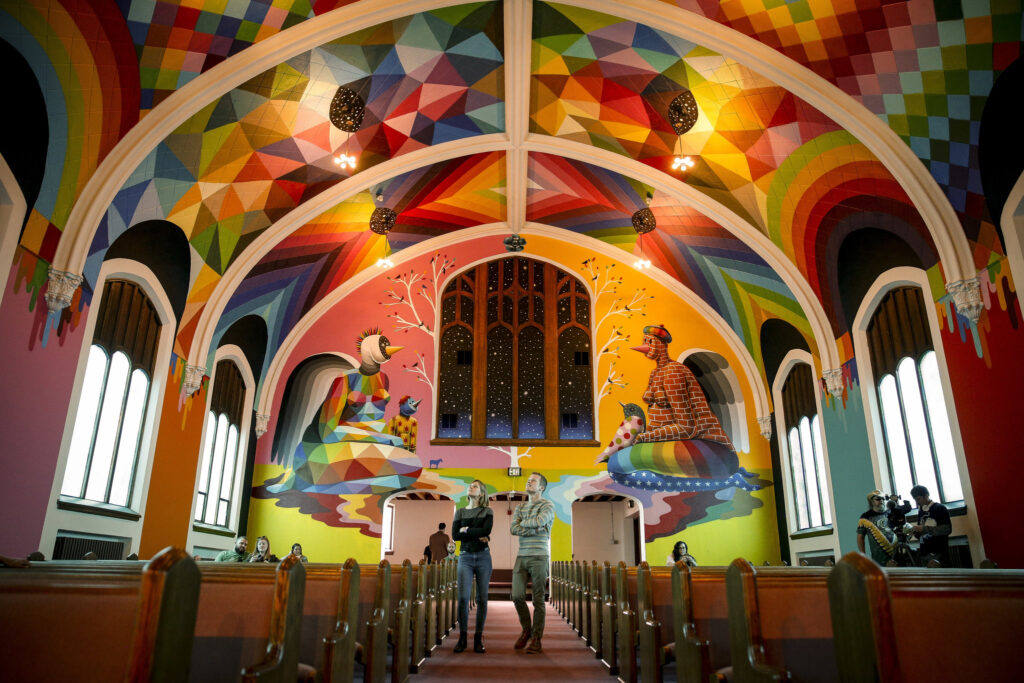
The International Church of Cannabis, located in the heart of Denver, Colorado, is a distinctive institution that integrates the sacramental use of cannabis into its spiritual practices. Officially inaugurated on the 20th of April, 2017, this church advocates for a unique religious ideology known as “Elevationism”. This ideology suggests that the ritualistic use of cannabis enables adherents to reach new heights of spiritual and personal enlightenment.
Foundational Beliefs and Practices
Central to the doctrine of the International Church of Cannabis is Elevationism. This belief system does not adhere to traditional religious structures or worship a specific deity. Instead, it promotes the use of cannabis as a sacrament to aid in meditation, personal reflection, and the pursuit of inner peace. Elevationists hold that through the intentional and communal consumption of cannabis, individuals can elevate their lives by fostering deeper self-awareness and a greater connection to the world around them.
Architectural and Artistic Significance
The physical structure of the International Church of Cannabis is as notable as its philosophical underpinnings. The church’s interiors are adorned with striking, large-scale murals painted by Okuda San Miguel, a prominent Spanish artist. These vibrant, colorful works are designed to evoke the expansive nature of the human mind when influenced by cannabis. The art and architecture of the church serve not only as a backdrop for worship but also as a catalyst for the spiritual and introspective experiences that define Elevationism.
Community and Cultural Impact
Since its establishment, the International Church of Cannabis has attracted a diverse group of followers, drawn by its unique approach to spirituality and community engagement. The church organizes various activities that promote artistic expression, community service, and cultural dialogue, which underscores its commitment to building a supportive and inclusive environment. Its presence has stimulated discussion and debate on religious innovation, the societal roles of cannabis, and the evolving landscape of spiritual practice in contemporary society.
Conclusion
The International Church of Cannabis represents a novel intersection of religion, art, and social activism, challenging conventional norms and fostering a unique community bound by shared spiritual and philosophical pursuits. As it progresses and adapts, it continues to be a focal point of attention for both supporters and detractors of its non-traditional approach to spirituality.
Founding and Origins of the Church
Inaugurated on April 20, 2017, in Denver, Colorado a forefront state in cannabis legalization the International Church of Cannabis marks its founding on a date famously celebrated in cannabis culture as “4/20”. This choice highlights the central role of cannabis in the church’s practices. The origins of the church are closely linked with the wider movement toward the acceptance of cannabis and its spiritual exploration.
Vision and Mission
The church was conceived by Steve Berke, Lee Molloy, and Briley Hale with the idea of creating a sanctuary where cannabis could be used to deepen spiritual reflection and enhance personal development. They introduced the philosophy of Elevationism, advocating that cannabis can help individuals achieve a better version of themselves, boost creativity, and support the journey to enlightenment.
Legal and Cultural Context
The foundation of the International Church of Cannabis was significantly supported by Colorado’s Amendment 64, enacted in 2012, which legalized recreational cannabis use. This legal setting was essential, enabling the church to incorporate cannabis into its rituals and providing a safe framework for its congregation to engage in their practices without legal hindrances.
Architectural Contribution and Significance
Occupying a building that has stood for over a century, the church’s premises were rejuvenated and adapted into a vibrant center for Elevationists. This renovation was both physical and symbolic, depicting a transition from conventional to modern spiritual practices. The church’s artistic renovations, particularly led by Okuda San Miguel, have turned it into a significant cultural and architectural site in Denver.
Initial Reception and Evolution
The church initially faced a mix of praise for its innovative approach to spirituality and criticism for its unconventional use of cannabis. Despite early challenges, including legal scrutiny, it has grown a diverse global community and continued to influence discussions on spirituality and cannabis.
Conclusion
The establishment of the International Church of Cannabis is a notable event in the realms of religious innovation and cannabis culture. Its founding reflects a combination of legal changes, cultural shifts, and pioneering leadership, establishing it as a distinctive and lasting entity in contemporary spiritual practices. As it moves forward, the church remains emblematic of changing attitudes towards spirituality and the ongoing conversation about cannabis’s role in religious and community settings.
Core Beliefs and Practices
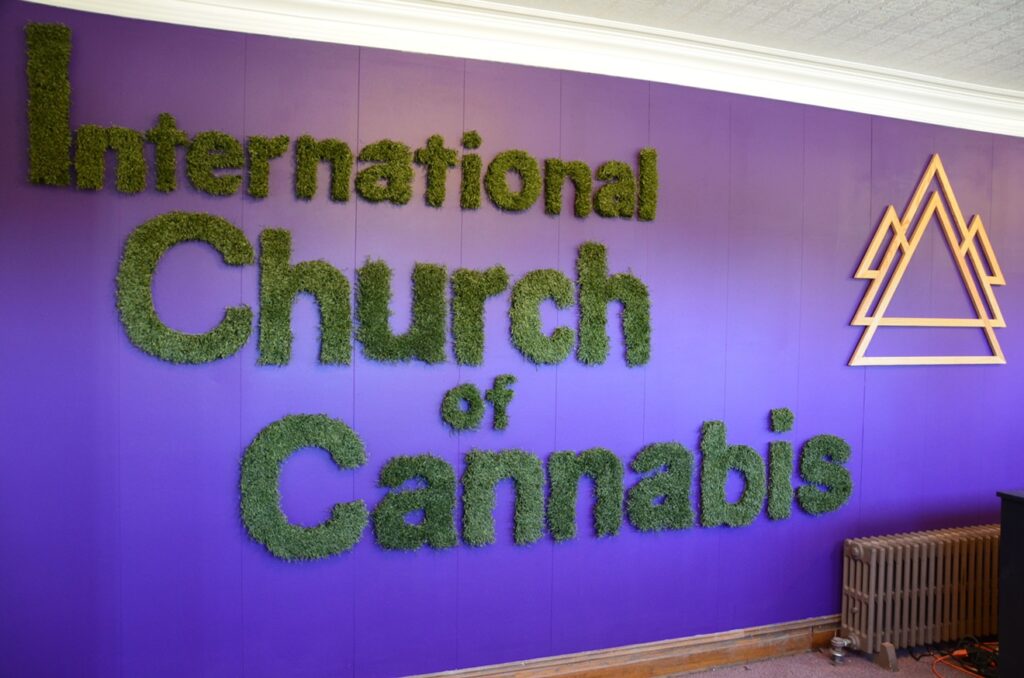
The International Church of Cannabis is built around the philosophy of Elevationism, which treats cannabis as a sacred instrument to achieve spiritual enlightenment. Unlike traditional religions, Elevationism eschews established dogmas and divine worship, focusing instead on personal exploration and inner experience. It teaches that through mindful cannabis use, individuals can access higher states of consciousness, enhance their self-awareness, and gain profound insights into the essence of existence.
Ritualistic Use of Cannabis
At the core of their practices is the ritualistic consumption of cannabis. Elevationists partake in communal sessions where cannabis is used as a sacrament to aid in meditation, stimulate creativity, and strengthen community ties. These rituals are integral to their spiritual ceremonies, embodying their belief in cannabis as a vehicle for spiritual discovery and communal harmony.
Inclusivity and Personal Spiritual Exploration
The church advocates for an inclusive spiritual environment that allows individuals to pursue their unique spiritual journeys. It welcomes members from diverse religious backgrounds and life experiences, fostering an atmosphere of acceptance and mutual respect among its congregation.
Community Involvement and Artistic Activities
Additionally, the church is a vibrant cultural center in Denver, organizing art shows, community gatherings, and educational seminars that reflect its values of creativity and individual growth. These activities are designed to engage the broader community and promote a richer understanding of the spiritual and artistic dimensions of cannabis.
Advocacy for Ethical and Mindful Consumption
A key tenet of the church is the ethical and mindful use of cannabis. It promotes moderation and consciousness in its use, highlighting that the spiritual advantages of cannabis are most effectively realized when it is consumed with intention and respect.
Conclusion
The International Church of Cannabis distinguishes itself by integrating traditional ritualistic elements with modern spiritual exploration through the use of cannabis. Its fundamental beliefs and practices offer a distinctive outlook on spiritual enlightenment, advocating a conscientious approach to integrating this ancient botanical into contemporary spiritual and community practices. As it evolves, the church continues its commitment to elevating individual spirits and cultivating a compassionate, artistic community based on shared transformative experiences.
Legal Status and Challenges
Operating within a complex legal landscape, the International Church of Cannabis is situated in Denver, Colorado, where cannabis has been legalized for recreational use. Despite this local legal support, the church’s practices encounter challenges due to the conflicting federal laws that still classify cannabis as a Schedule I controlled substance. This discord between state and federal regulations forms a backdrop of ongoing legal complexity for the church.
State Legal Environment and Compliance
Colorado’s Amendment 64, enacted in 2012, permits the recreational use of cannabis for individuals over 21 and provides a foundational legal basis for the church’s sacramental use of cannabis. However, the church remains bound by state regulations concerning public consumption and the operation of cannabis-centric organizations. Adherence to these rules is vital for the church to maintain its legal standing and prevent potential conflicts with state law enforcement.
Federal Legal Challenges
At the federal level, the illegal status of cannabis introduces significant challenges. This federal prohibition affects the church in various ways, including banking, taxation, and interstate dealings, creating a precarious situation where legally permissible state activities are federally unlawful. Navigating this legal contradiction requires careful and strategic management to avoid federal legal complications.
Legal Controversies and Societal Impact
The church has been involved in several legal controversies, particularly regarding the public use of cannabis on its premises, which have sometimes attracted law enforcement and generated public debate. These incidents highlight the tension between religious freedoms, drug policies, and broader civil rights, serving as focal points for broader discussions on these themes.
Legal Defense and Advocacy Initiatives
In facing these legal hurdles, the International Church of Cannabis has actively pursued legal defenses that emphasize the right to religious freedom, drawing parallels to other religious groups that use psychoactive substances in sacred rituals. The church also advocates for legal reforms that would more explicitly protect religious practices involving cannabis, aiming to align more closely with protections afforded to other faiths.
Conclusion
The legal standing of the International Church of Cannabis illustrates the intricate challenges of integrating a religious practice that involves a federally illegal substance into the fabric of American legal and societal structures. As the church confronts these challenges, it continues to influence the dialogue and legal frameworks surrounding religious freedoms and cannabis use, navigating an evolving landscape of law and public opinion.
Membership and Community Involvement
Since its inception, the International Church of Cannabis has attracted a diverse array of individuals committed to exploring the spiritual aspects of cannabis use. Open to anyone who embraces the tenets of Elevationism, the church promotes personal and communal enlightenment through its sacramental practices. Importantly, it maintains an inclusive policy, allowing individuals to maintain any other religious affiliations they might have, underscoring the church’s broad and accepting philosophy.
Community Integration and Participation
At the heart of the church’s mission is its function as a community center. It acts not only as a venue for spiritual gatherings but also as a hub for cultural and educational events. These activities, ranging from art exhibitions to lectures and music events, are intended to knit the community closer together and encourage a rich cultural exchange. Such events also aim to enhance understanding and dialogue about spiritual and societal issues, particularly those related to cannabis.
Volunteer Efforts and Community Service

Volunteer activities are key to the church’s approach to community service, with members encouraged to engage in initiatives that support local communities. These efforts often focus on environmental sustainability, social equity, and community improvement, embodying the church’s dedication to fostering societal well-being and demonstrating the practical application of its spiritual values.
Educational Initiatives and Advocacy
Education and advocacy are also significant components of the church’s activities, particularly concerning safe and informed cannabis use, its historical and religious significance, and its legal implications. Through workshops, seminars, and public discussions, the church seeks to educate its congregation and the general public, advocating for responsible use and informed legislative policies regarding cannabis.
Conclusion
The International Church of Cannabis plays a crucial role in the spiritual and communal lives of its members. It supports individual spiritual journeys while promoting a proactive engagement with the broader community. With its inclusive membership policy, varied community events, and strong focus on education and advocacy, the church continues to be a vibrant community leader, fostering shared values and collective action.
Public and Media Perceptions
Since its inception, the International Church of Cannabis has attracted significant media attention and public curiosity. The church’s distinctive practice of integrating cannabis into its religious activities has spurred a wide range of reactions, making it a frequent subject of media coverage. This coverage has been instrumental in shaping public perceptions of the church’s religious practices and overall philosophy.
Diversity in Media Portrayals
The portrayal of the International Church of Cannabis in the media varies widely. Early coverage often emphasized the novelty of a cannabis-centric religious institution, focusing on its striking art installations and cultural activities. As time has progressed, media discussions have delved into deeper issues such as the church’s legal standing, the authenticity of its religious assertions, and its place in ongoing debates concerning religious liberty and drug regulation.
Variability in Public Response
Responses from the general public to the church reflect the mixed nature of its media depiction. Many view the church as an innovative community that challenges traditional religious models and promotes a modern interpretation of spirituality that includes cannabis use. Conversely, there are those who view the church with skepticism or outright disapproval, often questioning the authenticity of its religious activities and the implications of incorporating cannabis into spiritual practices.
Challenges in Shifting Perceptions
A major challenge for the International Church of Cannabis is the enduring stigma surrounding cannabis. Despite growing legalization and societal acceptance, many still harbor reservations about cannabis, particularly concerning its association with genuine spiritual practice. The church continuously works to counter these perceptions, aiming to highlight and educate about the role of cannabis within spiritual and religious frameworks.
Proactive Communication Strategies
In an effort to reshape and refine its public image, the church actively engages with the media, participates in open community events, and facilitates discussions that aim to transparently communicate its core beliefs and activities. These efforts aim to elucidate the church’s mission and showcase its beneficial influence on the community.
Conclusion
The International Church of Cannabis holds a distinctive place within contemporary spiritual and societal contexts. As it navigates the complex interplay of media influence and public opinion, the church is committed to enhancing understanding and fostering a more informed dialogue about its innovative approach to spirituality and the thoughtful integration of cannabis into religious practice. Through continued engagement and transparency, the church seeks to influence a more nuanced appreciation of its contributions and the potential benefits of its unique practices.
Comparative Analysis with Other Religious Movements
The International Church of Cannabis represents a unique instance within modern religious movements, primarily through its use of cannabis as a central element of its spiritual practices. This comparative analysis aims to elucidate the church’s alignment with and divergence from traditional and contemporary religious movements, particularly those that incorporate psychoactive substances in their rituals.
Alignment with Entheogenic Traditions
Various religious traditions have historically incorporated entheogens—substances that induce altered states of consciousness for spiritual experiences. Examples include the use of peyote by the Native American Church, ayahuasca in several South American spiritual traditions, and psilocybin mushrooms among indigenous groups in Mesoamerica. Similar to these practices, the International Church of Cannabis integrates cannabis to enhance spiritual introspection and communal experiences, highlighting a universal pursuit of transcendent experiences through psychoactive substances.
Differences in Doctrine and Ritual Practices
Despite these similarities, there are distinct differences in theological structures and ritual practices. Traditional entheogenic religions typically feature formal rituals and defined theological doctrines. In contrast, the International Church of Cannabis places less emphasis on formalized dogma and more on individual spiritual exploration and the collective experience of transcendence. This approach aligns the church more closely with contemporary spiritual movements that favor personal spirituality over structured communal doctrines.
Impact on Contemporary Religious Discourse
The church significantly influences contemporary religious thought by questioning traditional beliefs about the sanctity of certain substances and broadening the scope of accepted religious practices. Its existence and continued operation highlight shifts in religious thinking, particularly in societies that are increasingly valuing personal spiritual experiences over traditional institutional religious participation.
Unique Legal and Cultural Challenges
From a legal and cultural perspective, the International Church of Cannabis encounters distinct challenges that set it apart from other religious movements. Due to the global legal status of cannabis, the church must navigate a complex array of legal issues that do not typically affect other entheogenic practices confined to specific cultural and geographic areas. This situation requires the church to actively engage in legal advocacy and public education efforts to sustain its practices.
Conclusion
In summary, the International Church of Cannabis serves as a notable example of innovation within contemporary religious practices, reflecting broader trends toward individualized spirituality and the use of psychoactive substances within spiritual contexts. By comparing it to other entheogenic traditions, we gain insight into both the historical continuities and innovative elements of its practices. This analysis not only enhances our understanding of the church’s distinctive position but also contributes to wider discussions about the dynamic nature of religious practice and belief in today’s world.
Events and Activities Hosted by the Church
The International Church of Cannabis is renowned not only for its distinctive spiritual philosophy but also for the variety of events and activities it orchestrates. These events are crafted to deepen community ties, enhance personal and spiritual development, and open discussions on the intersection of spirituality and cannabis within society.
Cultural and Artistic Engagements
The church is a vibrant venue for cultural expression, hosting art exhibitions, live music performances, and film screenings that resonate with its foundational values. These events not only provide a stage for creative expression but also stimulate conversations about the confluence of art, spirituality, and religious practice, thereby enriching the community’s cultural life.
Educational Initiatives
Education forms a crucial part of the church’s outreach, with workshops and seminars routinely organized to discuss the safe and enlightened use of cannabis, explore its historical and spiritual applications across various cultures, and unpack the legal aspects surrounding its use. These educational efforts aim to clarify misconceptions about cannabis, advocate for its responsible use, and enhance understanding of its spiritual relevance.
Community Service and Engagement
Community service is strongly encouraged within the church, reflecting its commitment to compassion and societal welfare. Activities such as neighborhood clean-ups, food drives, and other community enhancement projects embody the church’s dedication to positive social impact and environmental stewardship.
Spiritual and Meditative Practices
Regularly scheduled spiritual activities, including guided meditations, spiritual discussions, and communal cannabis sessions, are integral to the church’s weekly agenda. These gatherings are designed to deepen spiritual connections and foster a collective sense of belonging and understanding among the members.
Special Celebrations
The church also marks significant dates in cannabis culture, like April 20th (4/20), with special celebrations that feature a blend of ritualistic cannabis use, speeches from notable personalities in spirituality and cannabis, and community-centric festivities. These events celebrate the church’s unique cultural and spiritual identity, promoting unity and shared joy among its members.
Conclusion
Through its diverse array of programs, the International Church of Cannabis continues to serve as an active center for spiritual exploration and societal engagement. These events and activities are fundamental to the church’s mission, supporting the spiritual journeys of its members and fostering broader societal dialogue and interaction.
Future Directions and Growth Opportunities
As it looks to the future, the International Church of Cannabis is positioned to capitalize on significant opportunities for expansion and influence. The evolving legal status of cannabis and shifting cultural attitudes toward spirituality offer a promising landscape for the church’s continued development. Focusing on community engagement, legal advocacy, and international outreach will be key to advancing its mission and extending its impact.
Development of Community Initiatives
Expanding the scope of community service programs represents a major growth opportunity for the church. By addressing wider societal issues such as mental health support, addiction recovery, and social equity, the church can enhance its role as a key community contributor. These initiatives not only help meet the diverse needs of its congregation but also reinforce the church’s position as an agent of positive societal change.
Broadening Educational and Outreach Efforts
The church also stands to gain by expanding its educational programs. Potential growth areas include forming partnerships with educational bodies, creating online learning modules, and hosting interactive sessions that delve into the relationship between cannabis use, spirituality, health, and wellness. Such efforts would broaden the church’s educational reach and cement its status as a leader in promoting spiritual and personal growth through cannabis.
Advancement in Legal Advocacy
Engaging in more proactive legal advocacy is crucial as global conversations around cannabis legalization progress. The church can influence policies that recognize and protect religious use of cannabis, protecting its practices and contributing to wider cannabis law reforms. This proactive stance in legal matters will not only safeguard the church’s activities but also align it with broader movements for cannabis policy reform.
Enhancing Digital Integration and Presence
Enhancing its digital footprint is another strategic direction for the church. Developing a comprehensive online platform that features virtual reality sessions, streamed events, and dynamic social media engagement can attract a global and digitally native audience. This technological advancement would expand the church’s community online and appeal to younger demographics.
Interfaith Collaboration and International Networking
Exploring interfaith collaborations and establishing global networks with like-minded movements could further the church’s mission. Such partnerships would facilitate an exchange of ideas, broaden understanding across different spiritual practices, and promote an inclusive spiritual dialogue that breaks traditional barriers. Building relationships with other faith communities that utilize psychoactive sacraments could amplify the church’s international presence and influence.
Conclusion
The International Church of Cannabis has several promising avenues for growth as it looks to the future. By enhancing community programs, extending its educational outreach, participating actively in legal advocacy, leveraging digital technologies, and fostering interfaith collaborations, the church is poised to continue its role as a leading entity in the discourse surrounding spirituality, cannabis, and community engagement. As it progresses, the church will remain at the forefront of addressing both local and global needs in these evolving fields.
