Table of Contents
The Ingrid cannabis strain is a unique hybrid that has gained a reputation among both medical users and recreational enthusiasts. Its well-rounded effects, combined with its potential health benefits, make it a strain of interest to many. This detailed guide will break down the Ingrid cannabis strain, providing insights into its genetic makeup, effects, uses, and scientific background.
1. Strain Overview
Ingrid is an indica-dominant hybrid strain, typically classified as a 60% indica and 40% sativa hybrid. This hybrid is a cross between the popular strains Northern Lights #5 and G13, both of which are well-known for their potent effects and strong therapeutic properties.
Ingrid’s genetic lineage provides a balance between relaxation and mental clarity, making it suitable for various situations, from unwinding after a long day to providing therapeutic relief for those dealing with medical conditions. Ingrid offers a mild euphoria that can help users unwind, relax, and manage pain and stress.
2. Appearance
The Ingrid cannabis strain boasts dense, vibrant green buds with a generous coating of trichomes, which gives the buds a frosty appearance. The flowers are typically medium to large in size and are often accompanied by orange hairs (known as pistils) that create a striking contrast against the green leaves.
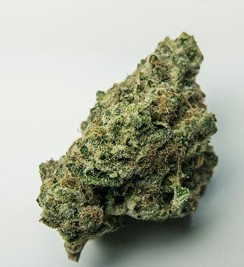
When broken apart, Ingrid’s buds emit a pungent aroma that combines earthy, herbal, and slightly sweet notes. The resin production is moderate to high, making it a popular choice for those interested in extraction methods such as concentrates and oils.
3. Aroma and Flavor Profile
Ingrid has a complex aroma and flavor profile that may appeal to a wide range of users. It typically exudes earthy, herbal, and woody scents with a hint of sweetness. Upon breaking open the buds, users will notice undertones of pine and a slight musky scent that complements its overall fragrance.
When smoked or vaporized, Ingrid’s flavor profile carries over the same earthy, woody taste with subtle sweet undertones. It can also present a slightly spicy flavor, particularly on the exhale. The combination of these elements makes it an enjoyable strain to smoke or vaporize, with a balanced experience that isn’t overwhelming on the senses.
4. THC and CBD Content
The Ingrid cannabis strain contains a moderate THC content, typically ranging from 18% to 22%. This makes it potent enough to provide a relaxing and euphoric experience, but it does not hit the user with the overwhelming intensity that higher-THC strains might.
In terms of CBD content, Ingrid is not particularly high in CBD, often containing less than 1%. While this makes it less effective for treating certain medical conditions that respond well to CBD, such as epilepsy or severe anxiety, it still offers some therapeutic benefits, particularly through its THC content.
5. Effects: Recreational Use
Ingrid’s effects are best described as relaxing yet mentally stimulating. As an indica-dominant hybrid, the strain provides a deeply calming body high that can help users unwind after a stressful day. However, the sativa influence prevents the strain from being overly sedative, making it a great option for evening use or even social occasions.
a. Mental Effects
- Euphoria: One of the most immediate effects that users experience with Ingrid is a mild, uplifting euphoria. This mental high is not overly intense, making it suitable for those who want a moderate boost in mood without becoming overwhelmed.
- Creativity: Many users report a surge in creativity, making this strain a good choice for those who want to engage in artistic endeavors or brainstorming sessions.
- Mental Clarity: Unlike some indica-heavy strains that can cause fogginess, Ingrid tends to maintain a level of mental clarity, allowing users to stay sharp while enjoying its calming effects.
- Stress Relief: The strain helps alleviate mental stress and anxiety, promoting a sense of peace and calm without causing sedation.
b. Physical Effects
- Relaxation: Ingrid delivers a strong body relaxation that can melt away tension. This effect is not overly sedating, allowing users to remain functional, making it ideal for those who want to relax without falling into a deep sleep.
- Pain Relief: One of the main reasons medical users turn to Ingrid is its pain-relieving properties. The strain is effective at managing chronic pain, inflammation, and discomfort, offering users a gentle yet consistent relief.
- Muscle Relaxation: Ingrid can help ease muscle spasms and tightness, promoting an overall sense of physical ease and comfort.
- Sleep Aid: While Ingrid is not an extremely sedative strain, it can still help those suffering from insomnia or other sleep-related issues. Its calming effects are often enough to encourage relaxation and the onset of sleep, particularly if consumed in higher doses.
6. Medical Uses
Ingrid is a versatile strain when it comes to medicinal use. Its moderate THC content combined with its balanced effects makes it useful for treating a variety of conditions. Below are the primary medical uses of Ingrid cannabis:
a. Chronic Pain
Ingrid is often used by patients suffering from chronic pain conditions such as arthritis, fibromyalgia, and multiple sclerosis. The combination of relaxation and pain relief makes this strain a great choice for those who need consistent, low to moderate relief throughout the day.
b. Anxiety and Stress
Ingrid’s mild euphoric and calming effects help to reduce feelings of anxiety and stress. It offers a gentle lift in mood while maintaining mental clarity, making it a good choice for individuals who experience mild anxiety but still need to stay focused and clear-headed.
c. Muscle Spasms and Tension
Ingrid is highly effective for those experiencing muscle spasms or physical tension. The strain’s relaxing properties work well to reduce muscle tightness and allow users to feel physically at ease without becoming sedated.
d. Insomnia
Ingrid’s calming effects can also make it useful for treating sleep disorders such as insomnia. While not as intensely sedating as some other strains, it can help promote relaxation and a more restful night’s sleep.
e. Depression
Ingrid’s ability to elevate mood while also keeping the user clear-headed can make it helpful for individuals suffering from mild to moderate depression. Its effects on mental clarity and euphoria can improve overall outlook without inducing the foggy, disoriented feeling that some other strains might cause.
7. Growing Information
Cultivating Ingrid cannabis successfully requires understanding its specific genetic traits, environmental needs, and growth habits. Here’s an in-depth look at the scientific aspects involved in cultivating this strain, broken down by key factors that affect its development:

Genetic Background and Growth Traits
Ingrid is an indica-dominant hybrid that stems from a cross between Northern Lights #5 and G13. These parent strains impart distinct traits that influence Ingrid’s growth. While the indica genetics generally lead to shorter, bushier plants with dense, resin-heavy buds, the sativa genetics introduce some level of adaptability, resilience, and flexibility, especially in terms of environmental conditions.
a. Growth Structure
- Indica Influence: Ingrid plants tend to grow short and bushy, which is typical of indica-dominant strains. This makes them well-suited to indoor environments where space may be limited.
- Branching Pattern: Ingrid develops a strong lateral branching pattern. These side branches produce heavy, compact buds, with the overall plant structure being squat, making it less likely to become top-heavy and prone to breaking under the weight of the buds.
b. Trichome Production
- High Resin Production: Ingrid, like many hybrid strains, produces a considerable amount of resin due to its indica genetics. This makes it an excellent strain for cannabis extraction processes like concentrates and oils. The resin production is often visible as a frosty coating on the buds, enhancing both the aroma and potency of the strain.
Environmental Requirements
Ingrid is adaptable, but to achieve optimal growth and yield, understanding the ideal environmental conditions is crucial. Here are the scientific aspects that influence its cultivation:
a. Temperature
- Ideal Range: Ingrid thrives in temperatures ranging from 70°F to 85°F (21°C to 29°C) during the daytime, with nighttime temperatures ideally between 60°F to 70°F (16°C to 21°C). These temperatures simulate the Mediterranean climates where cannabis is native.
- Thermal Regulation: Keeping the temperature too high can stress the plant, particularly during the flowering phase, which can stunt growth and reduce yields. Too cold of a temperature can also hinder resin production, so growers should ensure the climate is within the optimum range.
b. Humidity Levels
- Vegetative Stage: During the vegetative growth phase, the humidity should be kept at a 60%-70% range. This helps the plant transpire water and maintain healthy leaf development.
- Flowering Stage: As Ingrid transitions into the flowering stage, reducing the humidity to around 40%-50% is crucial. High humidity during this phase can lead to mold growth on the dense buds, which is a significant concern, especially in the final weeks of flowering.
c. Lighting
- Light Spectrum: For indoor growers, full-spectrum LED lights or high-pressure sodium (HPS) lights provide the best balance of intensity and spectrum for Ingrid. During the vegetative phase, a light cycle of 18 hours of light and 6 hours of darkness is recommended, while in the flowering phase, switching to 12 hours of light and 12 hours of darkness mimics the natural cycles of the cannabis plant.
- Light Intensity: Moderate to high light intensity is necessary for Ingrid to thrive, as it promotes photosynthesis and energy conversion. However, too much direct light in an uncontrolled environment can stress the plant and hinder bud development.
d. CO2 Levels
- Elevated CO2: The introduction of additional CO2 can enhance growth, especially in controlled environments like hydroponics systems. CO2 supplementation at levels between 1,000 to 1,500 ppm can boost plant health, accelerating photosynthesis and increasing yield. However, CO2 supplementation is not essential for successful cultivation and is typically used to maximize productivity for experienced growers.
Soil and Hydroponic Systems
Ingrid can be grown in both soil-based and hydroponic systems. The choice of medium greatly influences the growth rate, nutrient uptake, and final yield. Each system has its advantages and challenges.
a. Soil Cultivation
- Soil Type: A well-draining, loamy soil is ideal for Ingrid. The soil should have a balanced pH between 6.0 and 7.0. This pH range allows the plant to access all essential nutrients effectively.
- Nutrient Requirements: Soil-based cultivation requires careful attention to organic or synthetic fertilizers. Ingrid benefits from a nitrogen-rich fertilizer during the vegetative phase to promote strong leaf growth, while phosphorus and potassium should be increased during the flowering phase to support bud formation and resin production.
b. Hydroponics
- Hydroponic Medium: Ingrid performs well in hydroponic systems, such as deep water culture (DWC) or aeroponics. These methods allow for faster nutrient absorption and generally result in faster growth and higher yields.
- Nutrient Solution: In hydroponics, maintaining the right balance of nutrients is key. The pH of the nutrient solution should be kept between 5.5 and 6.5 to ensure efficient nutrient uptake, and nutrient levels should be closely monitored to avoid deficiencies or excesses.
Training Techniques and Pruning
To optimize Ingrid’s growth and yield, training and pruning techniques are essential. These methods allow the plant to use its energy more efficiently, promote better airflow, and give lower branches the most light possible.
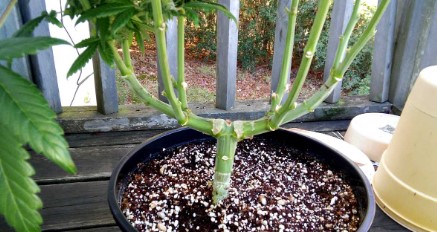
a. Topping
- Topping involves cutting off the top of the plant’s main stem, which encourages lateral growth and helps create a bushier structure. This technique works particularly well with Ingrid because of its natural bushy growth pattern. Topping will typically be done early in the vegetative stage to promote more side branches and ultimately more flowering sites.
b. Low-Stress Training (LST)
- LST involves gently bending and tying down branches to create a horizontal canopy, which ensures that the plant’s various portions are exposed to the same amount of light. This is particularly effective for Ingrid, as it helps distribute the energy evenly across all branches and encourages even growth.
c. Defoliation
- Defoliating involves removing excess leaves that might block light from reaching the bud sites. This helps promote airflow and reduces the risk of mold and mildew, especially during the flowering stage. However, defoliation should be done cautiously to avoid stressing the plant.
Flowering and Harvesting
a. Flowering Time
Ingrid typically has a flowering period of 8-9 weeks, which is relatively short compared to other hybrids. This rapid flowering time is ideal for growers looking for quicker turnarounds.
b. Harvesting Time
- Trichome Development: Growers typically wait until the trichomes (small resin glands on the buds) turn milky white with some amber-colored trichomes, indicating peak THC levels. This helps in determining the perfect time to harvest for optimal potency.
- Pistil Color: As with most strains, the color of the pistils (the hair-like structures on the buds) also gives an indication of when to harvest. As Ingrid matures, the pistils will turn from white to reddish-orange or brown, signifying that it is time to harvest the plant.
Challenges in Cultivation
While Ingrid is relatively easy to grow, there are a few challenges that growers may face:
Pest Control: Like most cannabis plants, Ingrid can attract pests like spider mites, aphids, and whiteflies. Regular inspection of the plants and the use of natural pesticides or neem oil can help mitigate these issues.
Mold and Mildew: Due to its dense bud structure and resin production, Ingrid is susceptible to mold, especially in high humidity environments. Maintaining proper airflow and humidity control is essential to avoid these issues.
8. Side Effects
Like most cannabis strains, Ingrid does come with some potential side effects. While these side effects are generally mild, users should be aware of the following:
- Dry Mouth: One of the most common side effects of cannabis use is dry mouth (often referred to as “cottonmouth”). Remaining hydrated can help with this.
- Dry Eyes: Some users may experience dry or red eyes after using Ingrid, though this can be lessened with eye medications.
- Dizziness or Lightheadedness: In some cases, particularly for novice users or those sensitive to THC, Ingrid may cause mild dizziness or lightheadedness. This effect can be minimized by consuming in moderation.
- Paranoia: Although rare, some users may experience heightened anxiety or paranoia, particularly if they consume a large amount of the strain in one sitting.
9. Conclusion
Ingrid is a balanced hybrid cannabis strain that offers both recreational and medicinal users a versatile experience. With its moderate THC content, it delivers a combination of physical relaxation, mental clarity, and stress relief, making it suitable for a wide range of situations. Whether you’re seeking to unwind after a long day, manage chronic pain, or alleviate mild anxiety, Ingrid provides a well-rounded and enjoyable experience.
For medical patients, Ingrid’s potential to relieve pain, anxiety, muscle spasms, and insomnia makes it a valuable option in managing various conditions. For recreational users, its mild euphoria and calming effects can enhance social interactions, creative endeavors, or relaxation sessions.
If you are considering Ingrid as a cannabis strain, whether for medical or recreational purposes, always consult with a healthcare provider, particularly if you have underlying health conditions or are taking other medications. By understanding the full range of effects, benefits, and potential side effects, you can make an informed decision about whether Ingrid is the right strain for you.
For a complete directory of cultivars, visit our Cannabis Strain Reviews.
