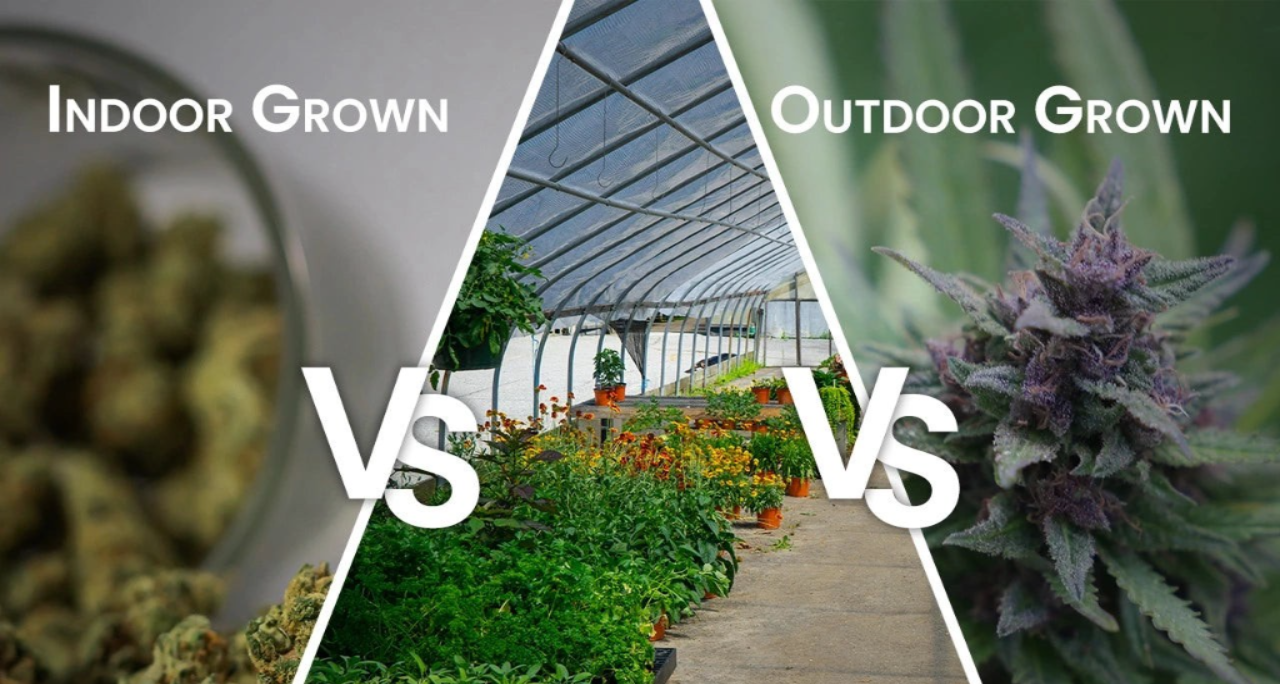
Indoor vs. Outdoor Medical Cannabis Growing: A Detailed Examination
Growing medical cannabis requires specific considerations, especially when it comes to choosing between indoor and outdoor cultivation. Both methods have their benefits and challenges, and for medical growers, the decision is critical because it impacts the consistency, potency, and safety of the final product. This page explores in depth the various factors that differentiate indoor and outdoor cannabis cultivation, focusing on medical cannabis growing and its applications. We will address the growing environment, potential yields, pest control, sustainability, legal concerns, and how these factors relate to the needs of medical cannabis patients. The discussion will exclude recreational use and any consumption methods, focusing strictly on the cultivation and use of cannabis for therapeutic purposes.
1. Environmental Control and Growing Conditions
Indoor Growing
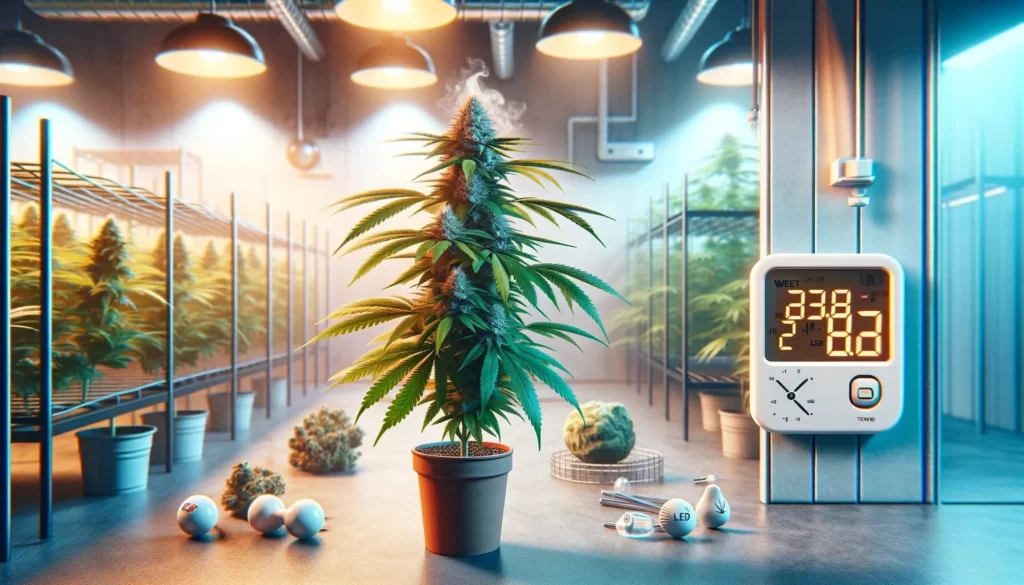
Indoor medical cannabis growing offers full control over environmental conditions, including light, temperature, humidity, and air circulation. These factors are crucial for medical cannabis production because they allow growers to ensure the plant’s consistency and quality, both of which are essential for medicinal use.
- Light: Artificial lighting, such as LED or HPS (High-Pressure Sodium) lamps, allows growers to manipulate light cycles, essential for the plant’s vegetative and flowering stages. This control can lead to predictable growth and uniformity in cannabinoid profiles, which is critical for patients relying on consistent doses of THC, CBD, or other cannabinoids.
- Temperature and Humidity: Medical cannabis often requires a stable environment to prevent fluctuations that could stress plants and affect cannabinoid production. Indoor environments can maintain ideal temperatures (around 70-85°F) and humidity levels (40-60%) throughout the plant’s life cycle, ensuring consistent potency and efficacy in medical strains.
- Air Quality and Circulation: Controlled air circulation reduces the risk of mold, mildew, and other contaminants that could compromise the medical value of cannabis. Indoor setups often include carbon filters and air purifiers, which are essential for medical cannabis, where patient safety is paramount.
Outdoor Growing
Outdoor cultivation relies on natural environmental conditions, which can be less predictable than indoor setups but offer several advantages for certain medical strains.
- Light: Outdoor growing benefits from natural sunlight, which is often more effective than artificial lighting in producing high yields. The sun’s full spectrum of light is ideal for encouraging robust growth and maximizing cannabinoid and terpene production, crucial for medical use. However, unpredictable weather patterns can disrupt the light cycle and influence the final potency of the product.
- Temperature and Humidity: While outdoor conditions are harder to control, certain regions offer climates ideal for cannabis growth, especially for medical strains that thrive in specific environments. However, variations in temperature and humidity can lead to fluctuations in cannabinoid levels, which may be problematic for patients needing consistent medication.
- Air Quality: Outdoor plants are exposed to natural elements, which can lead to contamination from pollutants, pesticides, or molds. Medical growers must be vigilant to ensure that their crops are grown in clean environments, as contaminants can reduce the plant’s medical efficacy.
2. Pest and Disease Management
Indoor Growing
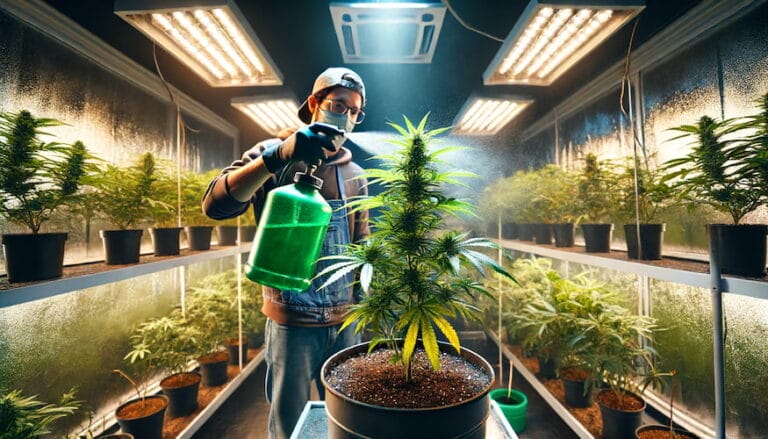
Indoor medical cannabis growers have the upper hand in pest control since the closed environment reduces exposure to pests and diseases.
- Pest Control: With indoor setups, growers can create a nearly pest-free environment. By implementing preventive measures such as using sterile growing mediums and regularly sanitizing the grow space, indoor growers reduce the need for pesticides, which is particularly important for medical cannabis, as chemical residues can harm patients.
- Disease Management: Mold and mildew are among the most common threats to cannabis plants. In an indoor environment, controlling humidity levels, providing adequate airflow, and using UV sterilizers can significantly lower the risk of disease. The ability to isolate plants that may be showing signs of disease is also more feasible indoors, minimizing cross-contamination.
Outdoor Growing
Because outdoor production is exposed to the natural ecosystem, it is more vulnerable to pests and illnesses.
- Pest Control: Outdoor growers must deal with pests like aphids, mites, and caterpillars, which can destroy crops if not properly managed. While organic pesticides are often used in outdoor growing, they may leave residues that are harmful to medical cannabis patients. Additionally, some medical strains may be more sensitive to certain pests, requiring more specific and cautious treatment.
- Disease Management: Outdoor growers face challenges such as mold, mildew, and fungal infections, especially in humid or rainy climates. Preventative measures such as planting in well-ventilated areas and spacing plants to promote airflow can help, but outdoor growers have less control over these factors, making disease prevention more complex.
3. Cannabinoid and Terpene Profiles
Indoor Growing
Indoor cultivation often produces medical cannabis with more consistent cannabinoid and terpene profiles. This consistency is crucial for patients who depend on specific ratios of cannabinoids, such as THC, CBD, or CBG, for their treatment.
- Cannabinoid Consistency: Because growers can precisely control environmental variables indoors, they can optimize conditions to enhance cannabinoid production. For example, certain strains may require specific lighting conditions to maximize THC or CBD content. Indoor growers can replicate these conditions consistently across multiple harvests, providing reliable medical cannabis products.
- Terpene Preservation: Terpenes, the aromatic compounds in cannabis, are responsible for many of the plant’s therapeutic effects. Indoor environments can better preserve terpenes by maintaining optimal humidity and temperature levels. This preservation is especially important in medical strains where terpenes like myrcene, limonene, and pinene contribute to anti-inflammatory, anti-anxiety, and pain-relieving properties.
Outdoor Growing
While outdoor cannabis can produce robust terpene profiles due to natural sunlight and organic soil, the variability in environmental factors can affect the consistency of cannabinoid and terpene levels.
- Cannabinoid Variation: Outdoor cannabis is more likely to experience fluctuations in cannabinoid content due to varying weather patterns, exposure to pests, and inconsistent growing conditions. For medical patients needing precise dosing, these variations can be problematic.
- Terpene Enhancement: Despite the variability, outdoor cannabis can benefit from more complex terpene profiles, which are influenced by the plant’s interaction with its natural environment. Some growers argue that the full-spectrum light provided by the sun enhances terpene production, making outdoor-grown cannabis more therapeutically rich. However, this is harder to regulate and predict, which can be a disadvantage for medical applications.
4. Sustainability and Environmental Impact
Indoor Growing
Indoor cannabis cultivation has a higher environmental footprint due to the energy required to maintain artificial light, temperature, and air circulation.
- Energy Consumption: Electricity is a major requirement for indoor growing since it powers climate control devices, ventilation systems, and grow lights. High-intensity lights such as HPS or metal halide lamps consume significant amounts of energy, which can be costly and environmentally taxing. Even energy-efficient LED lights, though better for the environment, still add to the overall carbon footprint of indoor cannabis growing.
- Water Usage: Indoor growing generally uses less water than outdoor growing because irrigation systems are often more controlled. However, water filtration systems may be necessary to ensure the purity of the water, which is critical for medical cannabis cultivation. Indoor setups also allow for the recycling of water through hydroponic or aquaponic systems, reducing waste.
Outdoor Growing
Outdoor cultivation is generally more sustainable, as it uses natural sunlight and requires less artificial energy input.
- Energy Efficiency: The reliance on the sun as a natural light source significantly reduces the energy footprint of outdoor growing. However, outdoor growers may need to use energy for irrigation systems, especially in areas where water is scarce or inconsistent.
- Water Usage: Outdoor growers often rely on rainwater, which can be more sustainable than indoor irrigation. However, in drought-prone areas, water usage can become a major issue, especially for large-scale cultivation. Medical cannabis growers must ensure that water sources are free from contaminants to prevent any potential harm to patients using the final product.
5. Yields and Economic Considerations
Indoor Growing
Indoor growing typically yields less cannabis per plant but allows for multiple harvests per year.
- Yield Per Plant: Indoor plants are generally smaller due to space constraints and controlled environments. However, the ability to manipulate the light cycle allows indoor growers to produce multiple harvests per year, making it possible to produce a consistent supply of medical cannabis.
- Economic Factors: Indoor growing can be more expensive due to the initial investment in equipment (lights, HVAC systems, grow tents) and the ongoing costs of electricity. However, the controlled environment often results in higher-quality cannabis, which can fetch a premium price, especially in the medical cannabis market where consistency and purity are paramount.
Outdoor Growing
Outdoor plants typically yield more per plant, but growers are limited to one harvest per year in most climates.
- Yield Per Plant: Outdoor cannabis plants can grow much larger, leading to higher yields per plant compared to indoor grows. In regions with long growing seasons, outdoor plants can produce abundant harvests, making outdoor growing more economically viable for large-scale medical production.
- Economic Factors: Generally speaking, outdoor growth is less expensive since it requires less artificial lighting and climate management. However, the potential for crop loss due to pests, diseases, or weather events can make outdoor growing riskier from an economic standpoint. Medical growers must weigh these risks against the cost savings associated with outdoor cultivation.
6. Security and Legal Concerns
Indoor Growing
Indoor medical cannabis cultivation offers better security and control, which is often required by legal frameworks governing the medical cannabis industry.
- Security: Indoor grows are typically housed in locked, secured facilities, reducing the risk of theft or vandalism. For medical cannabis, ensuring that the product remains secure is essential, especially when dealing with high-value strains intended for patient use.
- Legal Compliance: Many jurisdictions have strict regulations for medical cannabis cultivation, and indoor growing allows for better compliance with these laws. Indoor setups can more easily meet requirements for plant tracking, pesticide use, and product testing, which are often mandated by medical cannabis regulations.
Outdoor Growing
Outdoor grows are more difficult to secure and may face additional legal challenges depending on local regulations.
- Security: Outdoor plants are more exposed to theft, vandalism, or accidental contamination. Medical cannabis growers need to implement security measures such as fencing, surveillance, and plant tagging to ensure compliance with legal requirements and protect their crops.
- Legal Compliance: Outdoor growers may face more regulatory hurdles due to concerns about pesticide drift, cross-pollination with nearby farms, and environmental contamination. Medical cannabis must meet stringent testing standards, and outdoor growers may find it more challenging to maintain compliance with these regulations due to the unpredictable nature of outdoor growing conditions.
7. Medical Use and Patient Safety
Indoor Growing
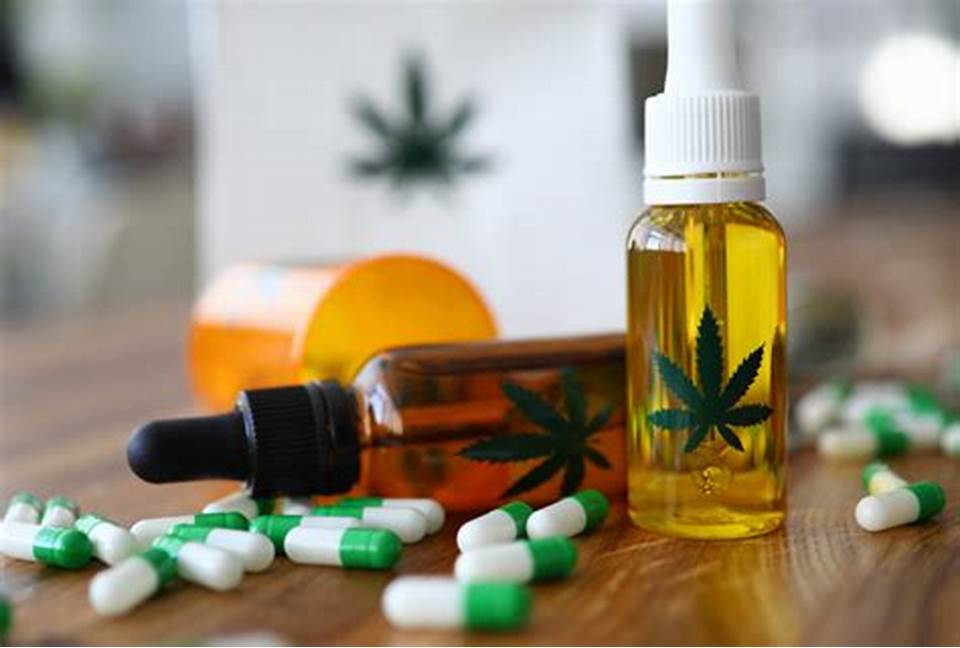
Indoor growing provides medical cannabis patients with a product that is generally more consistent and reliable, which is critical for those using cannabis to manage chronic conditions or serious illnesses.
- Consistency: Indoor growing ensures that medical cannabis has consistent cannabinoid and terpene profiles across harvests. For patients who rely on specific cannabinoid ratios for relief from conditions such as epilepsy, chronic pain, or anxiety, this consistency is essential.
- Patient Safety: The controlled environment of indoor grows reduces the likelihood of contamination by pests, molds, or pesticides, all of which can harm patients with compromised immune systems. Indoor growers can also ensure that their plants are free from heavy metals and other contaminants, which is critical for maintaining the safety and efficacy of medical cannabis.
Outdoor Growing
Outdoor medical cannabis can be just as effective as indoor-grown cannabis, but it requires more stringent testing and safety measures to ensure patient safety.
- Natural Environment: While outdoor cannabis benefits from the natural environment, this also introduces variables that can affect patient safety. Contaminants from the soil, water, or air can compromise the medical integrity of the cannabis, making rigorous testing essential for outdoor-grown medical cannabis.
- Medical Strain Selection: Some medical strains may thrive better outdoors, benefiting from natural sunlight and organic growing conditions. However, these strains must still undergo extensive testing to ensure that they meet the strict standards required for medical cannabis products.
Restrictions on Growing and Using Cannabis in the Medical Field as a Last Resort
- Regulatory Oversight: In most countries, medical cannabis cultivation and usage are strictly regulated. Licensed growers must adhere to strict guidelines that include plant tracking, quality control, and ensuring contamination-free products. Only certain strains with medical benefits are permitted for cultivation, and regular inspections ensure compliance.
- Last Resort Usage: Medical cannabis is typically prescribed only when conventional treatments have failed. Physicians must document that all other treatment options have been explored and deemed ineffective before considering cannabis as a treatment. This ensures cannabis is used cautiously, particularly for serious or chronic conditions.
- THC Monitoring: One key restriction in medical cannabis use is the careful monitoring of THC levels to prevent psychoactive effects. Medical cannabis products are often formulated to have low THC and high CBD content to ensure therapeutic benefits without impairing the patient. Lab testing of cannabis-derived medications is mandatory to ensure THC levels remain within prescribed limits, protecting patients from unwanted psychoactive side effects.
- Patient Safety and Dosing: Doctors must determine precise dosages to ensure safety and efficacy. Monitoring a patient’s response to the medication is essential to prevent negative reactions, particularly psychoactive effects from THC.
Conclusion: Comprehensive Overview of Indoor vs. Outdoor Medical Cannabis Growing and Regulatory Restrictions
The cultivation and use of medical cannabis, whether grown indoors or outdoors, is a nuanced process influenced by many factors, all aimed at ensuring patient safety and therapeutic efficacy. From environmental control to pest management, and from the consistency of cannabinoid profiles to the regulation of THC levels, medical cannabis growing and use are bound by strict requirements to ensure that patients receive the best possible treatment outcomes. This conclusion summarizes the key elements discussed, highlighting the strengths and challenges of both indoor and outdoor growing while emphasizing the importance of regulatory compliance, especially in monitoring THC levels to avoid psychoactive effects.
1. Environmental Control and Growing Conditions
Indoor cannabis growing provides growers with the ability to completely control the environment. This control over light, temperature, humidity, and airflow leads to greater consistency in the quality and cannabinoid profile of the plants, which is critical for medical applications. Patients who rely on cannabis to treat conditions like chronic pain, anxiety, or epilepsy require consistency in the cannabinoids and terpenes, and indoor growing offers the reliability they need.
Outdoor growing, while benefiting from natural sunlight and lower energy costs, is more susceptible to environmental fluctuations. Factors such as temperature changes, humidity spikes, and unpredictable weather can lead to variations in the cannabinoid and terpene profiles. For medical growers, this variability can be a challenge when patients depend on exact formulations for therapeutic benefit. However, outdoor cultivation can produce larger yields due to the natural conditions and has sustainability advantages due to reduced energy consumption.
2. Pest and Disease Management
Pest control is a critical issue in medical cannabis cultivation, where the use of pesticides and chemicals must be minimized to ensure the safety of the final product. Indoor cultivation offers a controlled environment that reduces the risk of pests and diseases, allowing for more natural pest management methods without exposing plants to harmful chemicals. Disease prevention is also more manageable indoors, where humidity and air circulation can be tightly regulated to prevent mold and mildew from damaging crops.
Outdoor growers, on the other hand, must contend with a broader range of pests and diseases due to the open environment. Organic methods of pest control may not always be sufficient, leading to potential contamination risks for medical cannabis, which must be carefully avoided. While outdoor cannabis can develop more complex terpene profiles due to its interaction with the environment, the risk of pests and diseases remains a significant challenge for those growing for medical purposes.
3. Cannabinoid Consistency and Terpene Profiles
Medical cannabis patients require precise cannabinoid ratios for effective treatment, and indoor growing provides the ability to fine-tune the environment to produce consistent levels of cannabinoids like THC and CBD. This consistency is paramount for patients who need predictable dosing to manage their symptoms.
Outdoor growing, while offering the potential for rich terpene profiles, can lead to variations in cannabinoid content due to environmental factors. These fluctuations can affect the therapeutic efficacy of medical cannabis, making it less ideal for patients who need exact formulations. While the natural environment may encourage robust terpene development, the lack of control can be a disadvantage in medical cannabis production.
4. Sustainability and Yield Considerations
Sustainability is a growing concern in cannabis cultivation, with indoor growing being more energy-intensive due to the need for artificial lighting and climate control. However, indoor cultivation allows for multiple harvests per year, providing a steady supply of medical cannabis despite the smaller plant sizes.
Outdoor growing is generally more sustainable due to the use of natural sunlight, but it is limited to one harvest per year in most climates. While outdoor plants yield more per harvest, the risk of crop loss due to weather or pests can offset the sustainability benefits. For medical cannabis growers, balancing yield, sustainability, and quality is key to ensuring that patients receive effective treatment.
5. Regulatory Restrictions and THC Monitoring
One of the most critical aspects of medical cannabis production is regulatory compliance. Medical cannabis is often subject to stringent government oversight, with specific restrictions on how and where it can be grown. Indoor growing tends to offer better control over security and legal compliance, making it easier for growers to meet the high standards required for medical cannabis production.
Using medical cannabis as a last resort treatment option underscores the cautious approach taken in medical contexts. Cannabis is generally only prescribed when conventional treatments have proven ineffective, and healthcare providers are required to monitor patients closely to ensure optimal results. THC levels in medical cannabis products are particularly important, as minimizing the psychoactive effects of THC is crucial for patient safety. Formulations with low THC and high CBD are often favored for medical applications to provide therapeutic benefits without impairing cognitive function.
In conclusion, both indoor and outdoor growing have their place in the medical cannabis landscape, each offering distinct advantages and challenges. Indoor growing excels in offering environmental control, pest management, and consistency, making it ideal for producing high-quality, reliable medical cannabis. Outdoor growing, while more sustainable and capable of yielding larger crops, introduces variables that can complicate the production of consistent medical-grade cannabis. Ultimately, growers must weigh these factors carefully, always prioritizing patient safety and therapeutic efficacy, while adhering to regulatory requirements and ensuring that THC levels in medications are strictly monitored to prevent psychoactive effects.
