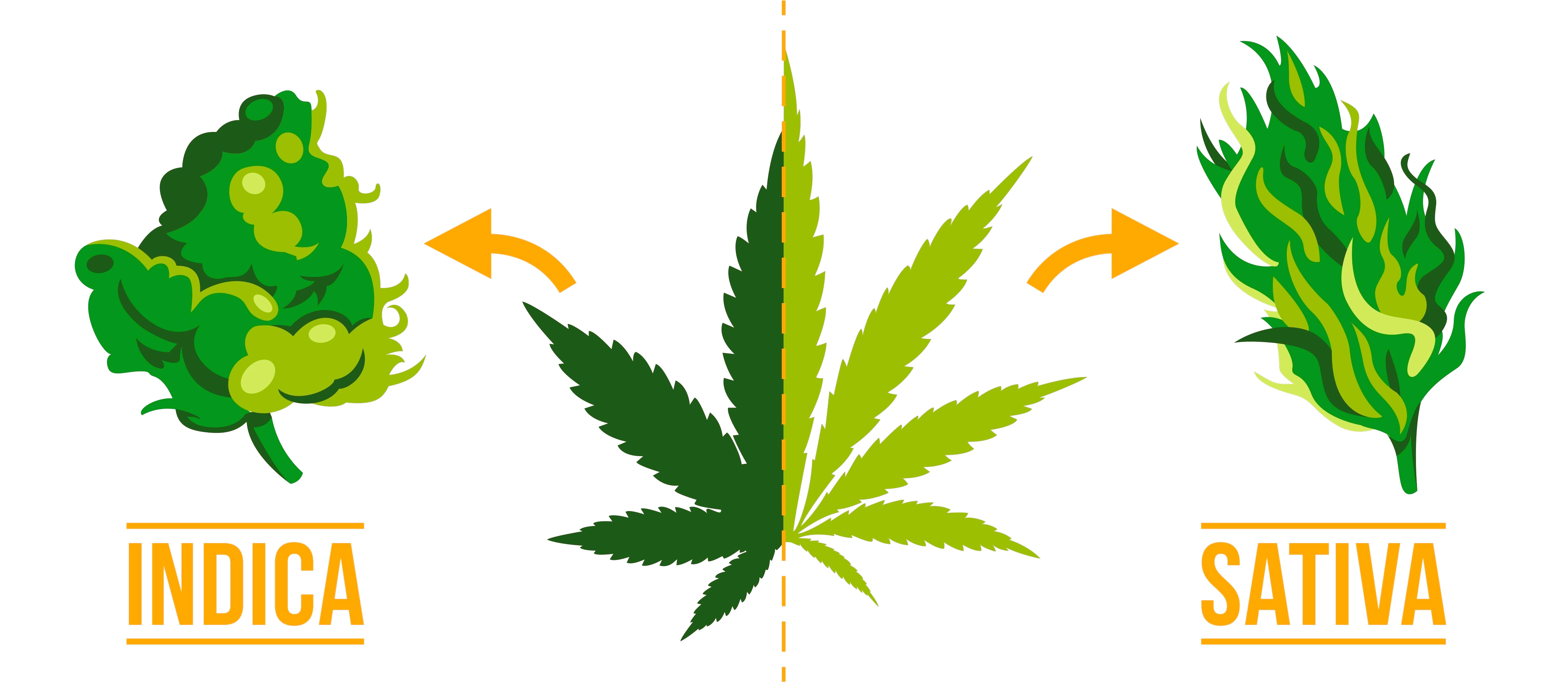
Indica vs. Sativa Dominance in Medical Cannabis: Myths vs. Reality
The medical use of cannabis has been a cornerstone of natural therapies for centuries, with historical references stretching back to ancient civilizations. However, as cannabis research has surged in modern times, the plant has been broadly classified into two dominant subspecies: Cannabis indica and Cannabis sativa. These classifications have often been used as a shorthand for predicting the therapeutic effects of different cannabis strains. However, much of what has been popularly accepted about the distinctions between indica and sativa is based on anecdotal evidence, outdated taxonomic classifications, or marketing strategies, rather than robust science.
In the medical cannabis community, there remains considerable debate over whether the indica vs. sativa framework holds meaningful value for guiding treatment. This discussion becomes even more critical as patients turn to cannabis for relief from a wide range of conditions, including chronic pain, anxiety, epilepsy, and cancer-related symptoms. To effectively address the question of indica versus sativa dominance in medical cannabis, we must delve into the biological, chemical, and therapeutic underpinnings of the plant and separate myth from reality. Here, we will focus exclusively on the medical uses of cannabis, exploring whether these traditional classifications are valid or if a more nuanced understanding is needed for effective patient care.
The Traditional View: Indica for the Body, Sativa for the Mind
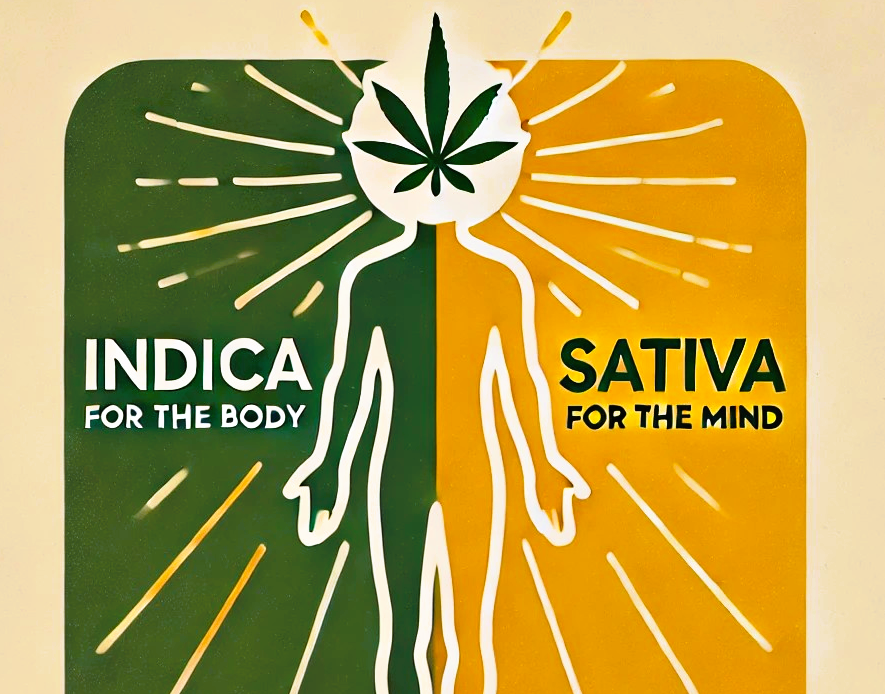
One of the most pervasive ideas in cannabis culture is the notion that indica strains provide sedative, calming effects suited for nighttime use, while sativa strains offer uplifting, energizing effects that are better suited for daytime use. This distinction has been widely accepted among both recreational and medical users, with indica being promoted for conditions such as insomnia, chronic pain, and muscle spasms, while sativa is recommended for depression, fatigue, and attention-deficit disorders.
While this framework offers a convenient way to describe cannabis effects, it oversimplifies the plant’s pharmacological complexity. The perceived differences between indica and sativa effects are largely rooted in folklore rather than science. In fact, these classifications originally referred to the physical characteristics of the plants rather than their chemical profiles or therapeutic properties. Indica plants are generally shorter, bushier, and have broader leaves, while sativa plants are taller, thinner, and have narrower leaves. These distinctions were first described in the 18th century, based on regional differences in where these cannabis varieties were cultivated—C. indica in the Indian subcontinent and C. sativa in Europe and Central Asia.
The problem with applying these botanical classifications to medical cannabis is that they provide little to no information about the chemical composition of the plant, which is what ultimately determines its therapeutic effects. In recent decades, hybridization of cannabis plants has further blurred the lines between indica and sativa, making it increasingly difficult to attribute specific effects to one subspecies or the other. This raises a crucial question: are the traditional indica vs. sativa labels actually useful in a medical context, or do they perpetuate myths that hinder effective treatment?
The Chemical Reality: Cannabinoids and Terpenes Drive Effects
The therapeutic effects of cannabis are not determined by whether a strain is classified as indica or sativa, but rather by its chemical composition, specifically its cannabinoids and terpenes. Cannabinoids are the primary active compounds in cannabis, with tetrahydrocannabinol (THC) and cannabidiol (CBD) being the most well-known. THC, which gives cannabis its psychoactive effects, has also been shown to have analgesic, anti-inflammatory, and anti-nausea effects. In contrast, CBD is non-psychoactive and has showed promise in treating illnesses like inflammation, anxiety, and epilepsy.
Terpenes, on the other hand, are aromatic compounds that give cannabis its distinctive smell and flavor. They also play a significant role in modulating the effects of cannabinoids through what is known as the “entourage effect.” For example, the terpene myrcene, which is often found in higher concentrations in indica strains, has sedative and muscle-relaxant properties. Limonene, commonly associated with sativa strains, has mood-elevating and anti-anxiety effects. However, these terpene profiles are not exclusive to one subspecies or the other, and the levels of terpenes can vary significantly even within the same strain.
Modern laboratory testing has revealed that the chemical composition of cannabis is highly variable and does not consistently align with the indica or sativa labels. For example, a strain labeled as “indica” might have a chemical profile that is more similar to a strain labeled as “sativa,” and vice versa. This variability underscores the importance of focusing on the specific cannabinoid and terpene content of a strain rather than relying on its indica or sativa designation to predict its effects.
Medical Applications: Conditions and the Role of Chemical Composition
The effectiveness of cannabis in treating medical conditions depends on its ability to target specific physiological and neurological pathways. Here, we will explore how cannabinoid and terpene profiles—not indica or sativa classifications—play a role in managing various conditions.
Chronic Pain
Chronic pain is one of the most common reasons patients turn to medical cannabis. Both THC and CBD have been shown to provide pain relief, but their mechanisms of action differ. THC binds to CB1 receptors in the central nervous system, modulating pain perception, while CBD interacts with multiple non-cannabinoid receptors, including TRPV1, which is involved in pain signaling.
Strains high in THC are often recommended for severe, neuropathic pain, while those with balanced THC-to-CBD ratios may be better suited for patients who want pain relief without strong psychoactive effects. The terpene myrcene, which is prevalent in many “indica” strains, is believed to enhance the pain-relieving effects of THC through its sedative and anti-inflammatory properties. However, these effects are not exclusive to indica strains, as myrcene can also be found in certain sativa or hybrid strains.
Anxiety and Depression
Cannabis is frequently used to manage anxiety and depression, but the effects can vary widely depending on the chemical composition of the strain. High-THC strains can sometimes exacerbate anxiety, especially in individuals who are sensitive to the psychoactive effects of THC. In contrast, high-CBD strains or those with balanced THC-to-CBD ratios are often more effective for reducing anxiety without inducing paranoia.
Terpenes such as limonene and linalool, which are found in varying concentrations across both indica and sativa strains, also play a role in modulating mood. Limonene has uplifting, anti-depressive properties, while linalool is known for its calming, anti-anxiety effects. Again, the presence of these terpenes is not exclusive to either subspecies, making the indica vs. sativa distinction irrelevant in this context.
Epilepsy
The use of cannabis for epilepsy gained significant attention following the success of CBD-based medications such as Epidiolex. CBD has been shown to reduce seizure frequency in patients with treatment-resistant epilepsy, and its non-psychoactive nature makes it a preferred option for both children and adults.
Because CBD is the primary therapeutic compound in this context, the indica or sativa classification of the strain is irrelevant. What matters is the concentration of CBD and the absence or low levels of THC, as high THC levels can sometimes trigger seizures in susceptible individuals.
Cancer-Related Symptoms
Cannabis is commonly used to manage symptoms associated with cancer and its treatments, including pain, nausea, and appetite loss. THC has proven efficacy in reducing chemotherapy-induced nausea and vomiting, while both THC and CBD can help alleviate cancer-related pain.
The terpene caryophyllene, which has anti-inflammatory and analgesic properties, is often found in strains used for cancer patients. Caryophyllene interacts with CB2 receptors in the immune system, providing therapeutic benefits without contributing to psychoactive effects. As with other conditions, the indica or sativa classification of a strain is less important than its chemical profile.
Sleep Disorders
Sleep disorders such as insomnia are often treated with cannabis, and this is one area where the traditional indica vs. sativa distinction is commonly cited. Indica strains are typically recommended for their sedative effects, which are attributed to higher levels of myrcene and other relaxing terpenes. However, these effects are not guaranteed simply because a strain is labeled as indica.
Patients seeking cannabis for sleep should focus on strains with specific terpene profiles rather than relying on indica or sativa labels. For example, strains with high levels of myrcene and linalool are more likely to promote relaxation and improve sleep quality, regardless of their classification as indica or sativa.
The Role of Hybridization: Blurring the Lines
The widespread hybridization of cannabis plants has further complicated the indica vs. sativa debate. Most strains available today are hybrids, with varying degrees of indica or sativa dominance. These hybrids often combine the physical characteristics of one subspecies with the chemical profile of another, making it nearly impossible to predict their effects based on classification alone.
For medical cannabis patients, this means that the indica or sativa designation is of limited value. Instead, patients should rely on lab-tested cannabinoid and terpene profiles to choose strains that are tailored to their specific needs. This approach is more precise and allows for a more personalized treatment plan.
Moving Beyond Indica and Sativa: A Chemotype-Based Approach
As the cannabis industry continues to evolve, there is growing recognition that the traditional indica vs. sativa framework is outdated and unscientific. Instead, a chemotype-based approach is emerging as a more accurate way to categorize cannabis for medical use. Chemotypes are defined by the dominant cannabinoids and terpenes in a strain, providing a clearer picture of its therapeutic potential.
For example, a strain with high levels of THC and myrcene might be classified as a “sedative chemotype,” while one with high CBD and limonene could be labeled as an “uplifting chemotype.” This system prioritizes the chemical composition of the plant over its physical characteristics or lineage, making it more relevant for medical applications.
Restrictions on Growing and Using Cannabis Strains in the Medical Field
The use of cannabis in the medical field is tightly regulated across most jurisdictions to ensure patient safety, minimize potential misuse, and maintain ethical standards in healthcare. Despite growing evidence supporting its therapeutic benefits, cannabis is often considered a last-resort treatment, reserved for patients who have not responded adequately to conventional therapies. Additionally, the cultivation and use of cannabis strains for medical purposes are governed by strict protocols, with particular attention paid to the monitoring of THC levels to prevent undesirable psychoactive effects on patients. These restrictions and safeguards reflect the delicate balance between harnessing the medical potential of cannabis and addressing public health concerns.
Controlled Cultivation of Medical Cannabis
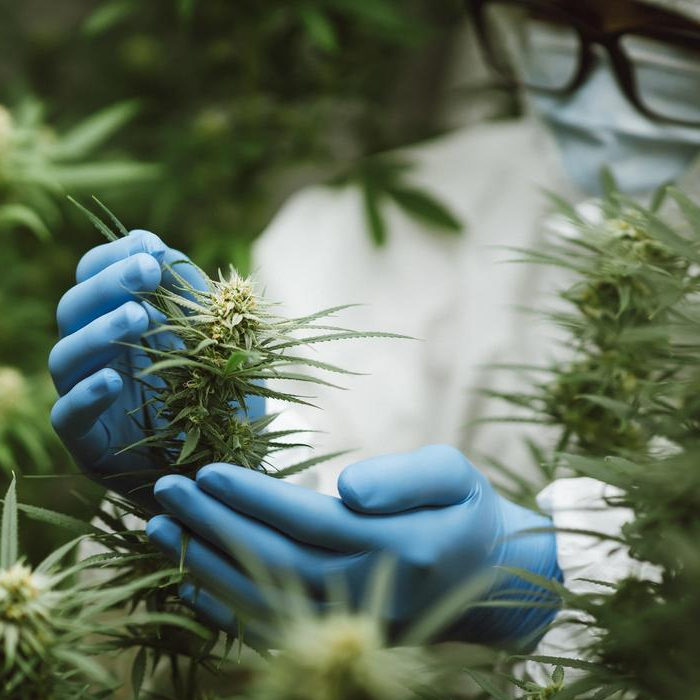
The cultivation of cannabis for medical purposes is typically subject to stringent legal and regulatory oversight. Only licensed growers operating under government supervision are allowed to cultivate cannabis plants for medical use. In addition to requiring thorough documentation of the complete production process, from seed to harvest, regulations frequently define which strains can be grown.
Key restrictions include:
- Genetic Selection of Strains: Only pre-approved cannabis strains with known cannabinoid and terpene profiles are permitted for medical cultivation. Strains with high CBD levels and minimal THC are often prioritized to reduce psychoactive effects while maximizing therapeutic benefits.
- Environmental Monitoring: Cultivation facilities must maintain strict environmental controls, including temperature, humidity, and light exposure, to ensure consistent chemical profiles in the plants. This consistency is crucial for medical applications, where predictable effects are required for patient safety.
- Testing and Quality Assurance: All medical cannabis batches undergo stringent testing to check for heavy metals, mildew, and pesticides. Additionally, cannabinoid and terpene concentrations must be precisely measured to confirm that the product meets regulatory standards and is safe for medical use.
These measures ensure that cannabis used in medical settings adheres to the highest standards of safety and efficacy.
Cannabis as a Last-Resort Therapy
In most medical protocols, cannabis is prescribed only when conventional treatments have failed or when the risks of traditional pharmaceuticals outweigh their benefits. For example, patients with severe, treatment-resistant epilepsy, chronic pain, or chemotherapy-induced nausea may turn to medical cannabis after other therapies have proven ineffective.
This “last-resort” approach serves several purposes:
- Minimizing Unnecessary Exposure: By reserving cannabis for cases where other treatments have failed, physicians reduce the likelihood of unnecessary exposure to cannabis-related risks, such as psychoactive side effects or dependency.
- Prioritizing Evidence-Based Medicine: While cannabis research is growing, it remains limited compared to the wealth of data available for conventional drugs. Using cannabis as a last resort allows time for further studies and ensures that it is only considered in carefully justified cases.
Monitoring THC Levels in Medical Cannabis
To prevent undesirable psychoactive effects, the THC content in medical cannabis products is closely regulated and monitored. Many jurisdictions impose limits on the allowable concentration of THC in cannabis-based medications, often capping it at 0.2% to 1% for non-psychoactive formulations. For products intended to retain some psychoactive properties (e.g., for managing severe pain or nausea), the THC level must be clearly labeled, and dosages are carefully calculated to avoid intoxication.
Strategies for THC Monitoring:
- Lab Testing: Licensed laboratories test all cannabis products to determine their THC and CBD content, ensuring they meet regulatory limits.
- Product Labeling: Medical cannabis products are required to display cannabinoid concentrations prominently, allowing physicians to select strains and formulations tailored to the patient’s needs.
- Balanced Formulations: Many medical cannabis products are formulated with high levels of CBD, which counteracts THC’s psychoactive effects, ensuring a more therapeutic and less intoxicating experience for patients.
By closely monitoring THC levels, healthcare providers can mitigate the risks associated with psychoactive effects while allowing patients to benefit from cannabis’s medical properties.
Conclusion: Balancing Science, Safety, and Accessibility in Medical Cannabis
The evolving landscape of medical cannabis is marked by significant progress, but it is also rife with complexities that require a careful, evidence-based approach. The traditional indica vs. sativa framework, long used as a guide for therapeutic effects, has been revealed as overly simplistic and scientifically outdated. Rather than relying on these historical classifications, the medical community must focus on the chemical composition of cannabis—its cannabinoids and terpenes—to tailor treatment plans more effectively. This shift from taxonomy to chemotype ensures a more precise and personalized approach to care, ultimately benefiting patients with a variety of conditions such as chronic pain, epilepsy, cancer-related symptoms, and anxiety.
Equally important are the stringent restrictions placed on the cultivation and use of medical cannabis. These regulations ensure that only high-quality, consistent, and safe cannabis products are available for medical purposes. By limiting cultivation to licensed growers, monitoring environmental conditions, and conducting rigorous quality assurance testing, the medical cannabis industry can provide patients with products that meet the highest standards of safety and efficacy. At the same time, prioritizing cannabis as a last-resort therapy underscores a cautious, ethical approach that aligns with the principles of evidence-based medicine.
One of the most critical aspects of using cannabis in medical treatment is the careful monitoring of THC levels to prevent psychoactive effects on patients. By regulating THC content, healthcare providers can mitigate risks while allowing patients to benefit from the plant’s therapeutic properties. This is particularly important for vulnerable populations, such as children, the elderly, or individuals prone to THC sensitivity. High-CBD, low-THC formulations and the use of balanced cannabinoid profiles exemplify how modern medicine can leverage cannabis’s therapeutic potential while minimizing adverse effects.
In conclusion, the medical use of cannabis is not about perpetuating myths or cultural narratives but about advancing science and providing safe, effective treatments for patients in need. The emphasis on cannabinoid and terpene profiles, the strict regulation of cultivation, the last-resort approach, and the monitoring of THC levels all reflect the medical community’s commitment to safety and precision. As research continues to grow and the stigma surrounding cannabis diminishes, it is essential to maintain this careful, patient-centered approach. By doing so, medical cannabis can fulfill its promise as a powerful therapeutic tool, improving the lives of countless patients while upholding the highest standards of healthcare.

Mark Nye
good article will help me with my decisions down the road. we need someone to step into the spotlight and get this terpine and cannabinoid stuff off the ground and into the mainframe of society. that way when we buy a strain we can determine what terpines and cannabinoids will help our medical conditions. I have bought alot of strains that flat out make me feel horrible at times. I have to give them away. the hybrids are the worst.