
Improving Soil Cation Exchange Capacity (CEC) for Medical Cannabis: A Detailed Guide
Introduction
The cultivation of medical cannabis is a rapidly growing field due to the increasing recognition of its therapeutic potential in treating conditions such as chronic pain, epilepsy, cancer symptoms, and many other ailments. For medical cannabis growers, the quality and potency of the plant’s cannabinoids and terpenes are paramount. Optimizing the growing environment, especially the soil, is crucial in achieving high yields of medicinal-quality cannabis.
One essential aspect of soil fertility that directly influences cannabis growth is the soil’s Cation Exchange Capacity (CEC). CEC is a gauge of the soil’s capacity to hold onto and provide vital nutrients for plant growth. This detailed guide will explore how improving soil CEC can enhance the growth of medical cannabis, the factors that affect soil CEC, and the practical methods growers can employ to optimize it for producing high-quality medical cannabis.
What is Cation Exchange Capacity (CEC)?
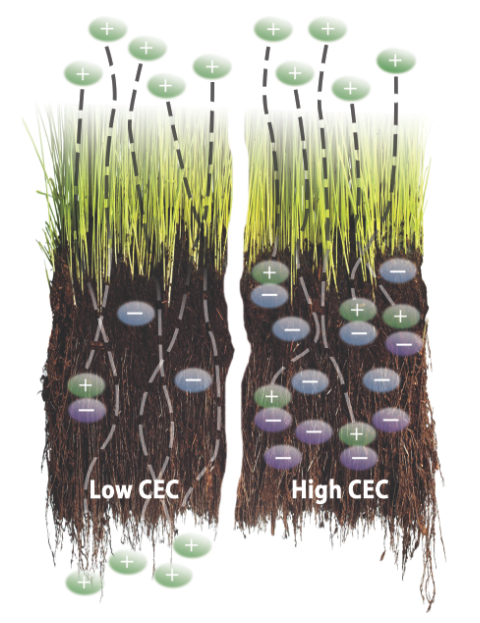
CEC refers to the total number of cations (positively charged ions) a soil can retain and exchange with plant roots. These cations include essential nutrients like calcium (Ca²⁺), magnesium (Mg²⁺), potassium (K⁺), sodium (Na⁺), ammonium (NH₄⁺), and trace elements such as zinc (Zn²⁺) and copper (Cu²⁺). A soil’s CEC is determined by its composition, particularly the amount of clay and organic matter present, both of which provide negatively charged surfaces that attract and hold cations.
The higher the CEC of a soil, the greater its nutrient-holding capacity, and the more nutrients are available to the plants over time. The standard unit of measurement for CEC is milliequivalents (meq) per 100 grams of soil. Soils with a high CEC can hold more nutrients and provide them gradually, while those with a low CEC may struggle to retain nutrients, leading to nutrient leaching and poor plant growth.
The Importance of CEC in Medical Cannabis Cultivation
For medical cannabis growers, maintaining a soil with a high CEC is critical for several reasons:
- Nutrient Retention and Availability: High CEC soils can retain and supply essential nutrients over extended periods, ensuring that the cannabis plants have access to a consistent supply of nutrients throughout their lifecycle. This is particularly important for medical cannabis, where the quality of the plant is heavily dependent on a steady supply of key nutrients like nitrogen (N), phosphorus (P), and potassium (K), as well as secondary nutrients like calcium and magnesium.
- Optimized Cannabinoid and Terpene Profiles: The nutrient content of the soil influences the development of cannabinoids (e.g., THC, CBD) and terpenes, which are responsible for the medicinal properties of cannabis. Well-balanced nutrient availability, supported by a high CEC, helps maximize the production of these active compounds.
- Improved Plant Health and Resistance: Healthy cannabis plants are more resistant to pests, diseases, and environmental stressors. Adequate nutrient availability, facilitated by a high CEC, strengthens plant immunity, improves photosynthesis efficiency, and promotes robust root and foliage development, all of which are essential for producing high-quality medical cannabis.
Factors Affecting Soil CEC
Several factors determine the CEC of soil, and understanding these factors can help growers make informed decisions about how to improve their soil for cannabis cultivation.
1. Soil Texture
A significant factor in determining CEC is soil texture, which is defined as the relative amounts of sand, silt, and clay in the soil. The huge surface area and negative charge of clay particles and organic matter contribute to their high CEC values. Sandy soils, which consist of larger particles with less surface area, have a low CEC and are poor at retaining nutrients.
- Clay Soils: High CEC, great for holding onto nutrients, but if not properly maintained, prone to compaction and poor drainage.
- Sandy Soils: Low CEC, requiring amendments to improve nutrient retention and prevent leaching.
- Loam Soils: A balanced texture of sand, silt, and clay, offering moderate CEC and better drainage and aeration.
2. Organic Matter Content
Organic matter, such as decomposed plant material, is another key component affecting CEC. Humus, the fully decomposed portion of organic matter, has a very high CEC and contributes significantly to a soil’s ability to retain nutrients.
- Humus: Provides numerous exchange sites for cations, improves water retention, and creates an ideal environment for beneficial soil microorganisms.
- Compost and Manure: As organic matter decomposes, it improves the soil’s nutrient-holding capacity and enhances overall soil health.
3. Soil pH
The pH of the soil has an impact on both the soil’s overall CEC and nutrient availability. In acidic soils (pH < 6), hydrogen ions (H⁺) dominate the exchange sites, reducing the availability of essential cations like calcium, magnesium, and potassium. Maintaining an optimal pH range of 6.0 to 7.0 is crucial for maximizing nutrient availability and CEC.
4. Type of Clay Minerals
Different types of clay have varying CEC values. Clays with a layered structure, such as montmorillonite and vermiculite, have a higher CEC than kaolinite, which has a more compact structure with fewer cation exchange sites.
- Montmorillonite: High CEC, expanding clay that can retain more water and nutrients.
- Kaolinite: Lower CEC, often requiring additional amendments to improve nutrient retention.
Methods to Improve Soil CEC for Medical Cannabis
Improving the CEC of soil involves several strategies, including the addition of organic matter, amendments, and adjustments to soil pH. Below, we outline effective methods for enhancing soil CEC, specifically tailored to the needs of medical cannabis cultivation.
1. Incorporating Organic Matter
Adding organic matter to the soil is one of the most effective ways to improve CEC. Organic matter, particularly humus, has a high CEC and also enhances the soil’s structure, water-holding capacity, and microbial activity, all of which benefit cannabis growth.
How to Incorporate Organic Matter:
- Compost: Applying well-decomposed compost is an excellent way to add organic matter to the soil. Compost is rich in humus, which improves both the physical and chemical properties of the soil. It also supplies essential nutrients like nitrogen, phosphorus, and potassium, which are crucial for the growth of medical cannabis.
- Application rate: 1-2 inches of compost incorporated into the top 6-12 inches of soil before planting.
- Cover Crops: Planting cover crops like legumes, clover, or ryegrass during the off-season can improve soil organic matter content. These crops add nitrogen to the soil and, when tilled in as green manure, contribute to increased CEC and soil fertility.
- Mulching: Organic mulches, such as straw, wood chips, or leaf litter, decompose over time and add organic matter to the soil. Mulching also creates the ideal environment for cannabis roots by controlling soil temperature and assisting in moisture retention.
- Biochar: Biochar is a form of carbon-rich material produced by pyrolyzing organic matter. It has a high surface area and can increase soil CEC by providing long-lasting cation exchange sites. Biochar also improves water retention and microbial habitat in the soil.
- Application rate: 5-10% by volume mixed into the soil.
2. Enhancing Soil Structure with Clay Minerals
In soils with low CEC, particularly sandy soils, adding clay minerals can significantly increase nutrient-holding capacity. The amount that soil CEC improves can vary depending on the kind of clay that is utilized.
Types of Clay Minerals to Consider:
- Montmorillonite Clay: This clay type has a very high CEC and can expand, allowing it to hold more nutrients. Incorporating small amounts of montmorillonite clay can help increase the nutrient retention capacity of sandy or loamy soils.
- Vermiculite: A mineral with a layered structure that may store nutrients and water is called vermiculite. It is frequently added to soil to increase CEC, especially in potting mixes or soilless growth media.
How to Add Clay Minerals:
- Mixing with Soil: Clay minerals can be mixed into the soil at a rate of 5-10% by volume. This ensures an even distribution of clay particles throughout the soil, enhancing its nutrient retention capabilities.
3. Managing Soil pH
Maintaining an optimal pH is crucial for maximizing soil CEC and nutrient availability. In cannabis cultivation, a slightly acidic to neutral pH (6.0-7.0) is ideal. Below this range, nutrients like calcium and magnesium become less available, and the risk of toxicity from aluminum and iron increases.
Steps to Adjust Soil pH:
- Lime (Calcium Carbonate): Applying lime is a common method to raise the pH of acidic soils. Lime adds calcium, which is vital for cannabis plants, and balances acidity at the same time.
- Application rate: Based on soil test results, typically 2-5 tons per acre.
- Sulfur (Elemental or Ammonium Sulfate): To lower the pH of alkaline soils, sulfur can be used. Elemental sulfur reacts with soil bacteria to form sulfuric acid, which reduces pH over time.
- Application rate: 300-500 pounds per acre for minor adjustments, based on soil test results.
- Regular Soil Testing: Frequent soil testing (every 6 months) is crucial for monitoring pH levels and making timely adjustments. Soil tests can also provide insights into nutrient deficiencies, allowing for targeted fertilization.
4. Using Humic and Fulvic Acids
Humic and fulvic acids are natural organic compounds derived from decomposed plant material and are known for their ability to improve soil structure, increase CEC, and enhance nutrient availability. Humic acids work by binding cations and preventing them from leaching, while fulvic acids enhance nutrient uptake by plant roots.
Application Methods:
- Soil Drench: Humic and fulvic acids can be applied directly to the soil as a liquid drench, helping to improve CEC and promote better nutrient retention.
- Application rate: 2-4 quarts per acre of concentrated humic or fulvic acid solution, diluted in water.
- Foliar Spray: Fulvic acid can also be applied as a foliar spray to increase the uptake of micronutrients like iron, zinc, and manganese.
- Application rate: 1-2 quarts per acre in a foliar spray solution, applied during the vegetative growth phase.
5. Enhancing Microbial Activity in Soil
Microbial activity is essential for nutrient cycling and organic matter decomposition, both of which contribute to improving CEC. Beneficial soil microbes, such as mycorrhizal fungi and nitrogen-fixing bacteria, play a crucial role in making nutrients available to cannabis plants.
Strategies to Boost Microbial Activity:
- Compost Tea: Compost tea is a liquid fertilizer made by steeping compost in water to extract beneficial microbes and nutrients. Applying compost tea to the soil boosts microbial populations and improves nutrient cycling.
- Application rate: 5-10 gallons of compost tea per acre, applied as a drench or foliar spray.
- Mycorrhizal Fungi: Inoculating the soil with mycorrhizal fungi enhances nutrient uptake, especially for phosphorus, which is essential for the production of cannabinoids and terpenes in medical cannabis.
- Application rate: Mycorrhizal inoculants can be applied at planting or as a soil drench during early vegetative stages.
- Reducing Chemical Inputs: Overuse of synthetic fertilizers and pesticides can harm beneficial soil microorganisms. Organic growing practices, such as using organic fertilizers and biological pest control, support a healthy soil ecosystem that fosters microbial activity.
Monitoring and Maintaining Soil CEC
Improving soil CEC is a long-term process that requires regular monitoring and adjustments. Growers should conduct periodic soil tests to assess CEC, pH, nutrient levels, and organic matter content. Based on these results, they can make informed decisions about how to maintain or improve soil fertility for medical cannabis cultivation.
Restrictions on Growing and Using Cannabis in the Medical Field

- Medical-Only Licensing and Permits: Cultivation of cannabis for medical purposes requires specific licensing. Growers must adhere to strict regulations that differentiate medical from recreational use. Cultivators are often required to track and report crop yields, THC levels, and distribution channels to ensure the product is solely used for medical purposes.
- Medical Cannabis as a Last Resort: In many jurisdictions, cannabis is prescribed as a last resort when conventional treatments fail. Physicians must document other treatment attempts before recommending medical cannabis, ensuring it is not the first-line treatment but an option after other therapies have proven ineffective.
- Monitoring THC Levels: Medical cannabis products must have carefully controlled THC levels to limit the psychoactive effects. Regulatory agencies set maximum allowable THC concentrations to ensure safety, especially in vulnerable populations like the elderly or children. Regular testing of cannabis products is mandated to ensure compliance with these THC limits, providing a balance between therapeutic benefits and minimizing psychoactive risks.
- Cannabinoid Profiles and Custom Formulations: In medical cannabis, formulations often emphasize cannabidiol (CBD) due to its non-psychoactive properties. Specific formulations may require a low THC-to-CBD ratio to prevent psychoactive effects while maximizing therapeutic benefits like pain relief, anti-inflammatory effects, and seizure reduction.
- Strict Patient Eligibility Criteria: Medical cannabis is typically reserved for patients with chronic, debilitating conditions such as cancer, multiple sclerosis, or treatment-resistant epilepsy. Physicians must evaluate patients on a case-by-case basis and provide documentation justifying the use of cannabis as a treatment option.
Conclusion
The cultivation and use of medical cannabis require meticulous attention to both agricultural practices and regulatory frameworks to ensure its safety, efficacy, and therapeutic benefits. As discussed, improving soil Cation Exchange Capacity (CEC) plays a critical role in optimizing the growth of medical cannabis, ensuring that plants have access to essential nutrients that support their overall health, yield, and cannabinoid profiles. High-quality soil with an enhanced CEC fosters better nutrient retention, water management, and microbial activity, all of which contribute to the production of potent and medicinally effective cannabis plants. This is vital in the context of medical cannabis, where consistent cannabinoid and terpene profiles are necessary to treat patients effectively.
Organic matter amendments, clay minerals, humic substances, and adjustments to soil pH are all key strategies for improving soil CEC. Incorporating organic materials like compost and biochar can significantly enhance soil’s ability to hold and exchange cations, thereby promoting healthy cannabis growth. Similarly, the use of beneficial microbes and mycorrhizal fungi can enhance nutrient cycling and plant root health, ensuring robust plants that can meet the high standards of medical cannabis production.
In the medical field, the use of cannabis is highly regulated and comes with a set of restrictions designed to protect patients and ensure that cannabis is used responsibly and ethically. Cannabis cultivation for medical purposes requires growers to adhere to strict licensing and reporting protocols to ensure that the product is used solely for therapeutic applications, not recreational purposes. These regulations are in place to prevent misuse and ensure that patients receive cannabis that is safe and effective for medical conditions.
Furthermore, cannabis is often considered a treatment of last resort, prescribed only after traditional therapies have failed. This ensures that it is used judiciously and not as a first-line treatment. Physicians are tasked with assessing patient eligibility and monitoring their treatment progress, ensuring that cannabis is being used in the best interest of the patient’s health and well-being. The role of the physician is critical in this process, as they must weigh the potential benefits of cannabis against the risks, particularly the psychoactive effects associated with THC.
To mitigate the psychoactive risks of cannabis, especially in vulnerable populations, monitoring THC levels in medical cannabis products is crucial. Regulatory bodies often impose strict limits on THC concentrations, particularly in formulations intended for children, the elderly, or individuals who may be sensitive to psychoactive effects. Testing and quality control measures ensure that medical cannabis products meet these standards, allowing patients to benefit from cannabinoids like CBD, which provide therapeutic effects without the intoxicating impact of THC.
In conclusion, the cultivation and use of medical cannabis are governed by both agronomic and regulatory considerations that prioritize patient safety and product efficacy. Improving soil CEC is a vital agricultural practice that supports the growth of high-quality, nutrient-rich cannabis plants, which in turn leads to better medicinal outcomes. However, this must be balanced with strict regulations that ensure cannabis is used appropriately, as a last-resort treatment, and with careful monitoring of THC levels to prevent undesirable psychoactive effects. By adhering to these principles, medical cannabis can continue to provide safe, effective relief for patients suffering from a variety of chronic and debilitating conditions, while maintaining a high standard of cultivation and patient care.
