The Impact of Growing Mediums on Root Development in Medical Cannabis Cultivation
Growing mediums, the substances in which plants grow, are one of the most critical factors influencing the development of roots in medical cannabis cultivation. In the medical context, where cannabis is grown for its therapeutic cannabinoids like THC (tetrahydrocannabinol) and CBD (cannabidiol), root health and development are paramount. Healthy root systems are the foundation of vigorous plant growth, directly affecting nutrient uptake, plant resilience, and, ultimately, the quality and potency of the medicine derived from the plant.
This paper explores the various types of growing mediums used in medical cannabis cultivation and their specific impact on root development. Understanding the role that these mediums play is essential for optimizing cannabis growth for medical use. We will examine soil, soilless mixtures, hydroponics, aeroponics, and other emerging mediums, emphasizing how each affects root health, structure, and function. Throughout, the focus will remain on the implications for medical cannabis production, excluding any discussion of recreational use or consumption methods.
1. The Role of Roots in Cannabis Growth
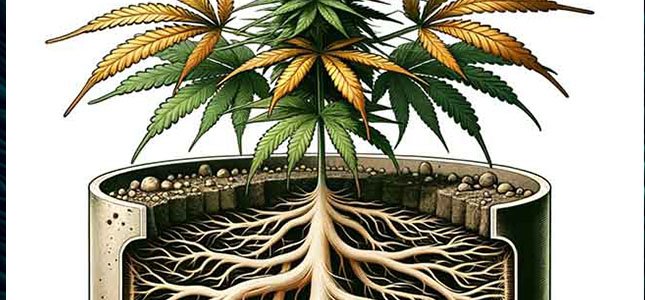
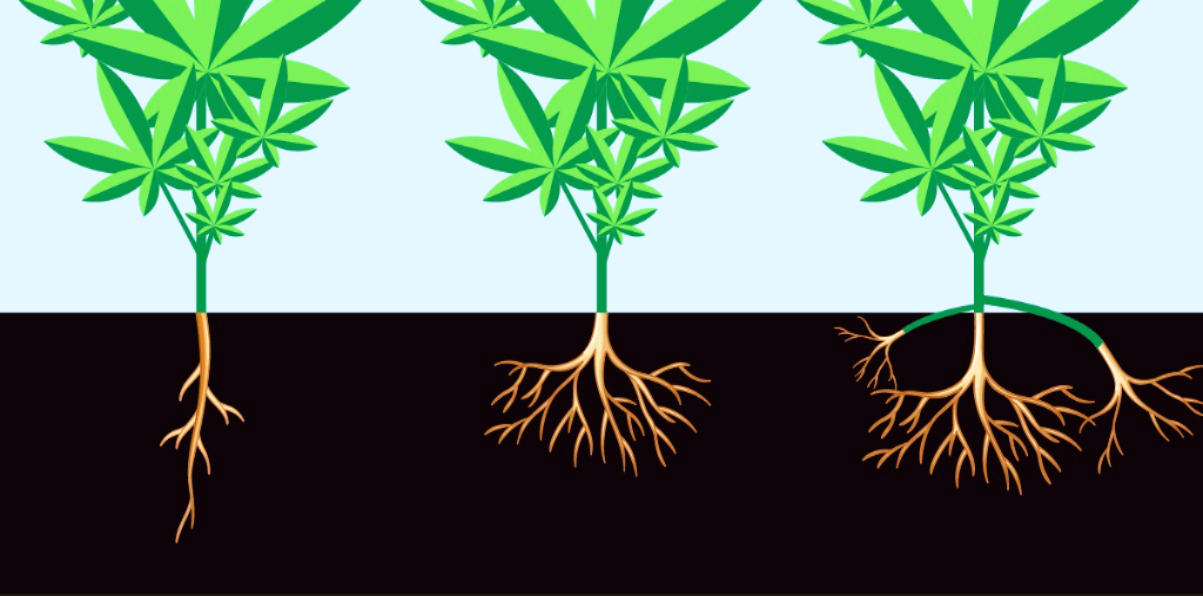
The main point of contact between a plant and its growing environment is its roots. They serve as the plant’s anchor, store essential chemicals, and absorb water and nutrients. In medical cannabis cultivation, maximizing root health is crucial because any stress or limitation in the root zone directly impacts the plant’s ability to produce high-quality medicinal compounds.
Roots also play a role in signal transduction, communicating with the aerial parts of the plant to regulate growth and stress responses. A healthy root system promotes a balance between vegetative and flowering phases, leading to optimal production of cannabinoids and terpenes—the active compounds sought after in medical cannabis.
Different growing mediums influence root development in distinct ways. Some mediums allow for greater oxygenation, while others may retain more water or provide better support for microbial life. Choosing the right medium depends on a variety of factors, including plant genetics, climate, and the desired medical qualities of the cannabis plant.
2. Growing Mediums: An Overview
Growing mediums can be broadly classified into three categories: soil, soilless mixes, and hydroponic systems. Each category offers unique properties that impact root development and overall plant health.
2.1. Soil
Soil is the most traditional growing medium used for cultivating cannabis. Soil, which is rich in organic matter, minerals, and microorganisms, offers roots a natural growing habitat. But not all soils are made equal, and a soil’s quality can differ greatly based on its pH levels, composition, and structure.
2.1.1. Organic Soil
Organic soils are a preferred choice in many medical cannabis operations because they promote natural root development and support microbial ecosystems that can enhance the production of cannabinoids. These soils are composed of natural materials like compost, worm castings, bat guano, and other organic matter that break down slowly, providing a steady release of nutrients.
The root zone in organic soil is teeming with life, from beneficial bacteria and fungi to earthworms, all of which help to break down organic matter and make nutrients more bioavailable to the plant. This symbiotic relationship promotes strong, healthy roots that are resistant to disease and capable of supporting large, robust plants.
Additionally, organic soil retains moisture well while yet allowing for proper drainage, which is essential for avoiding fungal diseases like root rot. However, the high water retention can sometimes lead to waterlogging if the soil structure is too dense or if overwatering occurs. This can limit the amount of oxygen available to the roots, which is critical for optimal root function and nutrient uptake.
2.1.2. Mineral Soil
Mineral soils, which contain a higher percentage of sand, silt, and clay, can also be used for growing cannabis, but they tend to be less favorable for root development compared to organic soils. The structure of mineral soil can either promote or hinder root growth depending on its texture. Sandy soils, for example, provide excellent drainage and aeration but may not retain enough nutrients or moisture, leading to nutrient deficiencies and slower root growth.
Conversely, clay soils hold onto water and nutrients, but they can also get compacted, which makes it harder for roots to reach the soil and get oxygen. In medical cannabis cultivation, mineral soils are often amended with organic matter to improve their structure and nutrient content.
2.2. Soilless Mediums
Soilless growing mediums, such as coco coir, perlite, and peat moss, have become popular in medical cannabis cultivation due to their ability to offer more control over the root environment. These mediums provide the benefits of soil while avoiding some of its limitations, such as inconsistent nutrient content and poor drainage in some cases.
2.2.1. Coco Coir
The fibrous husks of coconuts are used to make coco coir, a soilless media that is becoming more and more popular for growing medical cannabis. It is perfect for root development since it retains water well while allowing for adequate aeration. Coco coir is inert, which means it lacks nutrients by itself, in contrast to soil. This enables gardeners to fully regulate the nutrition schedule, giving the plant precisely what it requires at every growth stage.
The texture of coco coir promotes root proliferation, as the roots are able to easily penetrate the medium and spread out. Additionally, coco coir contains natural antifungal properties, which can help protect the root zone from diseases like root rot and pythium, both of which can be devastating in a medical cannabis grow.
Coco coir also supports the growth of beneficial microorganisms, which can further enhance root health by aiding in nutrient absorption and protecting against pathogens. However, coco coir has a high cation exchange capacity (CEC), meaning it can hold onto nutrients like calcium and magnesium, sometimes leading to deficiencies in these critical elements if not properly supplemented.
2.2.2. Perlite and Vermiculite
Perlite and vermiculite are often used in combination with other mediums like coco coir or peat moss to improve aeration and drainage. Perlite is a volcanic glass that is heated and expanded to create a lightweight, porous material that promotes excellent root oxygenation. Vermiculite, on the other hand, is a mineral that expands when heated and is highly effective at retaining water.
When used together, perlite and vermiculite create a balanced growing medium that supports both water retention and root aeration. This combination is especially beneficial for medical cannabis growers who need to optimize root health to ensure consistent cannabinoid production. However, perlite can be dusty and requires proper handling, while vermiculite may compress over time, reducing aeration in the root zone.
2.3. Hydroponic Systems
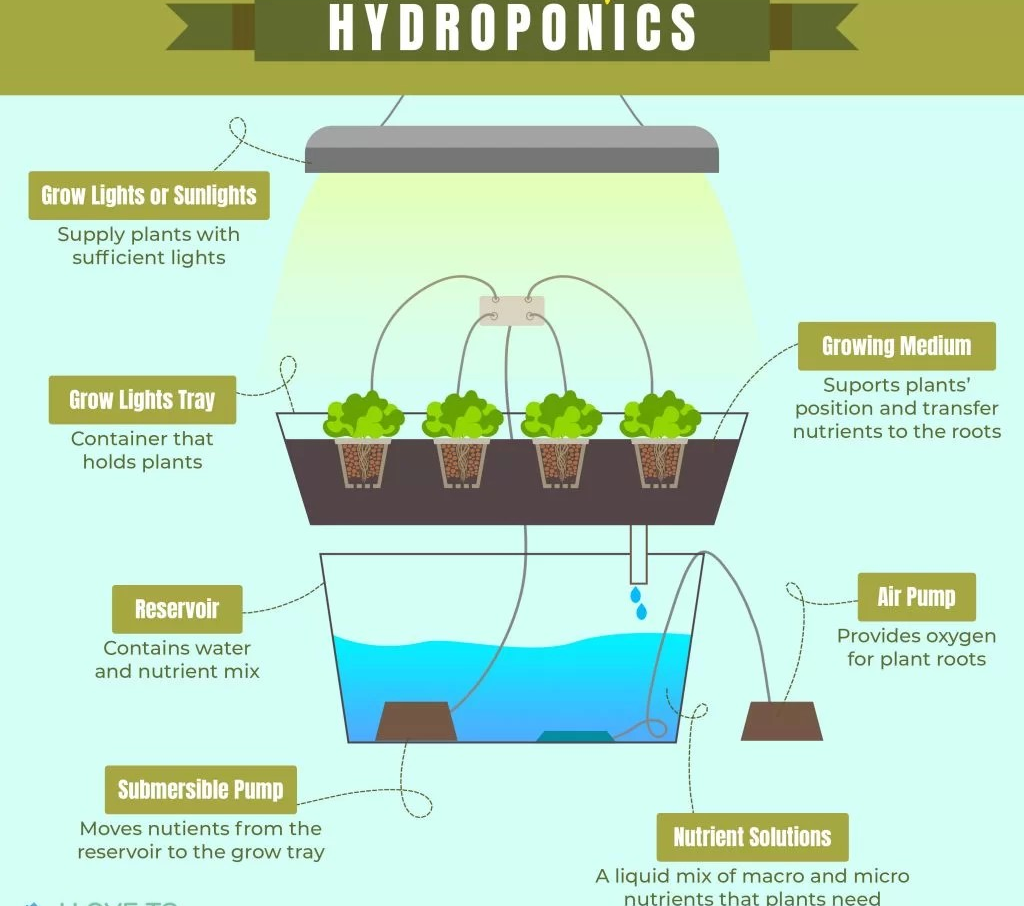
Hydroponic systems provide one of the most regulated conditions for root development since they grow plants without soil in a nutrient-rich water solution. In these systems, roots are directly exposed to water, oxygen, and nutrients, allowing for precise control over the growth environment. This can lead to faster growth rates and higher yields, which are often desirable in medical cannabis production.
2.3.1. Deep Water Culture (DWC)
In Deep Water Culture systems, cannabis roots are suspended in a nutrient-rich solution, with an air stone or diffuser providing oxygen to the water. This setup allows the roots to grow uninhibited by the limitations of a physical medium, leading to explosive growth. The constant availability of oxygen, nutrients, and water creates an ideal environment for root development.
However, DWC systems require careful monitoring, as the absence of a solid medium means that any fluctuations in pH or nutrient levels are immediately felt by the plant. If appropriate cleaning procedures are not followed, root diseases like pythium can also spread quickly in hydroponic systems.
2.3.2. Aeroponics
Aeroponic systems take root development to the next level by suspending the plant’s roots in air and misting them with a nutrient solution at regular intervals. By giving the roots the most oxygen possible, this technique promotes quick development and maybe increased cannabinoid production. Aeroponics is one of the most efficient growing methods in terms of water and nutrient use, making it an attractive option for medical cannabis growers looking to optimize their operations.
However, aeroponic systems are complex and require precise control over misting intervals, nutrient concentration, and environmental conditions. Any failure in the system can lead to rapid desiccation of the roots, causing irreversible damage to the plant.
3. The Impact of Oxygen and Drainage on Root Development
Oxygen is a critical component of root health in medical cannabis cultivation. Roots require oxygen to perform respiration, a process that allows them to convert sugars into energy for growth and nutrient uptake. Without adequate oxygen, roots can become waterlogged, leading to anaerobic conditions that promote the growth of harmful pathogens.
Different growing mediums offer varying levels of oxygenation, with soilless mixes and hydroponic systems generally providing more oxygen to the roots than traditional soil. This is one reason why hydroponic and aeroponic systems often result in faster growth rates, as the roots are constantly supplied with oxygen in these systems.
Drainage is equally important in promoting healthy root development. Growing mediums that retain too much water can suffocate the roots, leading to root rot and other fungal diseases. On the other hand, mediums that drain too quickly may not provide enough water to the roots, leading to dehydration and nutrient deficiencies.
4. The Role of Microbial Life in Root Health
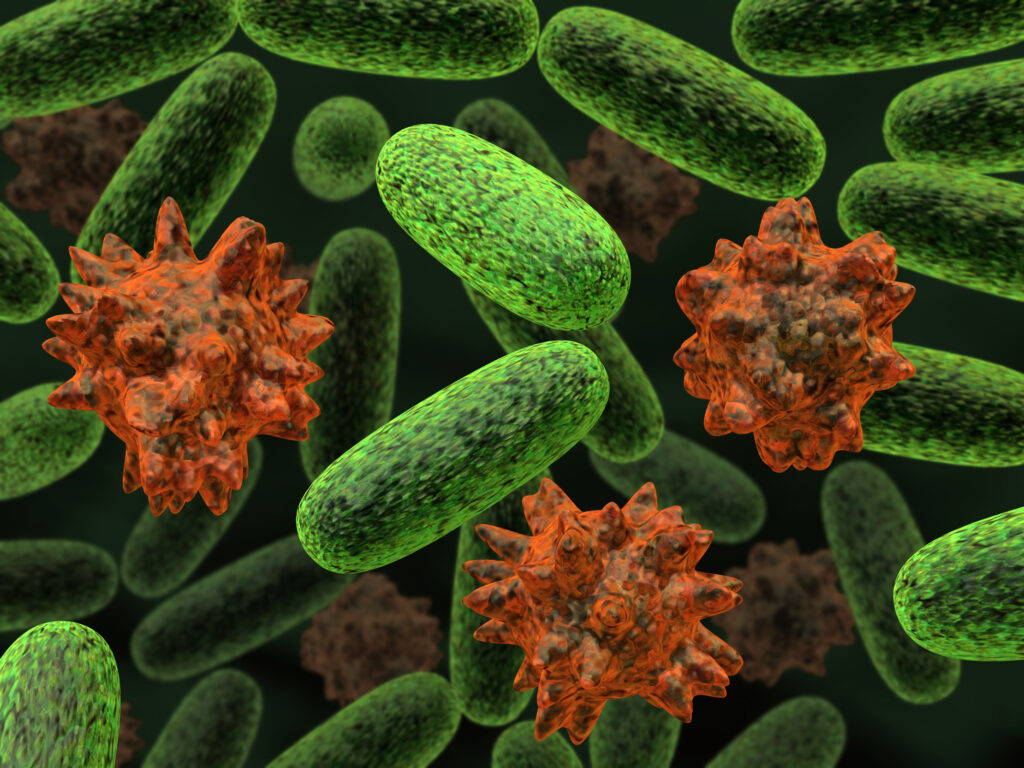
Beneficial microorganisms, including bacteria and fungi, play a significant role in root development and overall plant health. In medical cannabis cultivation, promoting the growth of beneficial microbes can enhance nutrient uptake, protect against pathogens, and improve the plant’s ability to produce therapeutic compounds.
In particular, mycorrhizal fungi and plant roots develop symbiotic interactions that increase the plant’s availability to nutrients like phosphorus and lengthen the root system. The fungi receive sugars generated by photosynthesis from the plant in exchange. Cannabis plants may become healthier and more resilient as a result of this interaction, becoming less vulnerable to illness and stress.
Soils rich in organic matter naturally support diverse microbial populations, but these beneficial organisms can also be introduced into soilless and hydroponic systems through microbial inoculants. In medical cannabis cultivation, maintaining a healthy microbial environment is critical for ensuring consistent and high-quality cannabinoid production.
Restrictions on Growing and Using Cannabis in the Medical Field Only
In the medical field, the cultivation and use of cannabis are highly regulated to ensure safety, efficacy, and controlled access to its therapeutic benefits. The focus on medical cannabis aims to balance patient access to the plant’s medicinal properties while preventing misuse or unintended psychoactive effects. Cannabis is usually used in medicine as a “last resort” remedy after more traditional approaches have failed. This regulatory approach ensures that cannabis is treated as a serious medication rather than a recreational product.
1. Restricting Cannabis Cultivation for Medical Purposes
In most jurisdictions, growing cannabis for medical purposes is subject to strict regulatory oversight. Licensed producers are often the only entities allowed to cultivate cannabis for medicinal use. They must comply with stringent government standards that regulate every aspect of cultivation, including the growing environment, pesticide use, and genetic selection of cannabis strains. These measures aim to ensure that medical cannabis is free from contaminants and consistently meets the medical-grade quality required for patient treatment.
In some countries, personal cultivation of medical cannabis by patients is permitted but with limitations. Patients or caregivers may be allowed to grow a specified number of plants under medical supervision and with proper authorization. This approach allows for individualized treatment while preventing excess production, which could lead to diversion into recreational markets.
2. Cannabis as a Last Resort Treatment
One of the critical ethical and regulatory principles in medical cannabis use is the concept of cannabis as a “last resort” treatment. In this framework, cannabis is typically recommended only when all other conventional therapies have failed to provide relief. This ensures that cannabis is used carefully and responsibly in the medical field, prioritizing patient safety and minimizing the risks of dependency or other potential side effects.
For example, patients with chronic pain, epilepsy, multiple sclerosis, or severe chemotherapy-induced nausea may turn to cannabis after exhausting traditional pharmacological options. Medical cannabis can provide relief in some situations, especially for symptoms that are otherwise challenging to control. However, the requirement for it to be a last resort highlights the need for careful consideration of its benefits versus risks, and it ensures that patients are not using cannabis prematurely or unnecessarily.
3. Monitoring THC Levels to Prevent Psychoactive Effects
The main psychoactive ingredient in cannabis that gives users the “high” they associate with recreational usage is tetrahydrocannabinol (THC). In the medical context, controlling THC levels is essential to minimize the risk of psychoactive effects, particularly for patients who may be vulnerable to these effects due to age, mental health conditions, or specific medical circumstances.
To ensure that patients receive the therapeutic benefits of cannabis without undesirable psychoactive effects, medical cannabis products often have regulated THC concentrations. Many medical cannabis strains are bred to have a higher cannabidiol (CBD) content and lower THC levels. CBD is a non-psychoactive compound with a range of medical benefits, including anti-inflammatory, analgesic, and anti-seizure properties. By promoting strains with high CBD and low THC content, medical professionals can tailor treatments to deliver therapeutic effects without the risk of psychoactive impairment.
In jurisdictions where medical cannabis is legal, the THC levels in cannabis products must be labeled, and healthcare providers are required to monitor these levels when prescribing cannabis-based treatments. This ensures that patients are receiving appropriate doses that are effective for their condition while minimizing the psychoactive side effects that could interfere with daily functioning or mental health.
4. Ongoing Monitoring and Patient Safety
The use of medical cannabis requires ongoing monitoring to ensure patient safety and the efficacy of treatment. Medical professionals must assess the therapeutic benefits of cannabis against potential side effects, including any psychoactive impact due to THC. Regular follow-up appointments are crucial for adjusting dosage, managing side effects, and evaluating the overall effectiveness of cannabis as part of the patient’s treatment plan.
In addition, patients using medical cannabis are typically advised to refrain from operating heavy machinery or driving, particularly when using THC-rich products. Monitoring not only includes assessing patient response but also ensuring that cannabis use does not interfere with their cognitive or motor functions.
Conclusion
The use of cannabis in the medical field presents significant opportunities for therapeutic treatment, but it is also bound by strict regulations to ensure patient safety and efficacy. From the cultivation of cannabis to its application in medical treatments, every stage is carefully monitored to balance the potential benefits of cannabinoids like THC and CBD with the risks associated with their psychoactive effects.
Growing Mediums and Root Development play a crucial role in ensuring that cannabis plants thrive and produce high-quality medicinal compounds. Whether using soil, soilless mixes, or advanced hydroponic systems, optimizing root health is essential for promoting strong plant growth and maximizing cannabinoid production. By choosing the right growing medium and managing factors like oxygenation, drainage, and microbial life, medical cannabis cultivators can produce consistent and potent medicine for patients.
The rules governing the production and use of medical cannabis are intended to safeguard patients as well as the general population. Cannabis grown for medical reasons is guaranteed to be free of toxins and to fulfill strict quality standards thanks to licensed production. Furthermore, cannabis is typically reserved as a last resort treatment, ensuring that it is used responsibly in cases where conventional treatments have failed. This approach emphasizes the careful consideration of cannabis as a serious medication, rather than a first-line treatment.
Monitoring THC levels in medical cannabis products is another key component of ensuring patient safety. By controlling the amount of THC, healthcare providers can minimize the psychoactive effects of cannabis, allowing patients to receive the therapeutic benefits without impairment. Strains with higher CBD content are often preferred for their non-psychoactive properties, providing relief for conditions like chronic pain, epilepsy, and anxiety while maintaining functionality for patients.
Finally, ongoing monitoring is critical to the successful use of cannabis in medical treatment. Healthcare providers must regularly assess the efficacy of cannabis-based treatments, adjusting dosages and monitoring for any side effects, particularly those related to THC. This careful oversight ensures that cannabis remains a safe and effective option for patients in need, without introducing unnecessary risks.
In conclusion, cannabis in the medical field is subject to comprehensive regulations that govern its cultivation, use as a last resort, and the monitoring of psychoactive compounds like THC. The medical community can utilize cannabis’ therapeutic potential while preserving patients’ health and wellbeing by following these recommendations.
