Table of Contents
The Iced Widow cannabis strain is a popular hybrid that offers a unique blend of effects, both recreational and medicinal. A child of the famed White Widow, Iced Widow is a well-known name in the cannabis community, celebrated for its potent effects, balanced high, and therapeutic benefits. This strain provides a full-bodied experience and is sought after by both casual users and medical patients.
In this comprehensive guide, we will dive into the characteristics of Iced Widow, its genetic lineage, appearance, aroma, flavor, and a detailed analysis of its medicinal and recreational uses. We will also provide a scientific look at its cannabinoid content, terpene profile, and the physiological effects it has on the human body.
1. Genetic Lineage and Origins
Iced Widow is a hybrid strain derived from the famous White Widow cannabis. White Widow itself has a complex genetic profile, generally attributed to a cross between a South Indian indica with a Brazilian sativa. This parentage gives White Widow its well-known balanced effects: euphoria and energy from the sativa, and relaxation and pain relief from the indica.
The addition of the “Iced” component is thought to refer to the strain’s frosty, crystalline appearance. Iced Widow is bred by crossing White Widow with other potent indica and sativa strains, further enhancing the benefits of both parent plants.
Though not as commonly found as other hybrid strains, Iced Widow’s distinct characteristics make it a favorite for those seeking something with a complex high and medicinal potential. Its popularity spans across medical and recreational users, and its balanced effects make it an excellent choice for those who seek a versatile cannabis strain.
2. Appearance
Iced Widow has a visually appealing and distinctive appearance. The buds are typically dense, with a significant amount of trichomes that give the flowers a frosted, icy look—hence the name “Iced Widow.” The trichomes are rich in cannabinoids, which contribute to its potency.
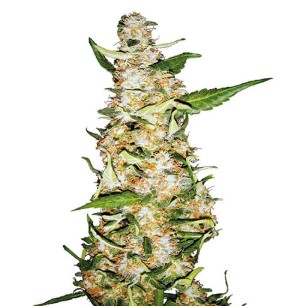
The leaves are generally light green, and they often display orange pistils that contrast against the frosty trichomes. These buds are tightly packed, compact, and sticky to the touch due to the abundance of resin. This strain’s buds are not only pleasing to the eye but also promise a powerful experience thanks to the resinous content.
3. Aroma and Flavor Profile
Iced Widow has a rich and pungent aroma. When broken up, it releases a deep, earthy scent with a mix of pine and herbal undertones. Some describe the aroma as slightly spicy with a hint of citrus. This combination gives Iced Widow an overall fresh yet woody fragrance, which becomes more apparent when the buds are crushed or ground.
When smoked or vaporized, the flavor profile of Iced Widow matches its aromatic profile but adds a smooth, slightly sweet taste on the exhale. The citrus and pine notes are dominant, followed by a rich, skunky undertone that many cannabis enthusiasts appreciate. Its flavor is both satisfying and complex, making it enjoyable for both new and experienced cannabis consumers.
4. Cannabinoid and Terpene Profile
Cannabinoid Content:
Iced Widow contains moderate to high levels of THC (tetrahydrocannabinol), typically ranging from 18% to 24%. THC is the primary psychoactive compound in cannabis and is responsible for most of the strain’s effects. Due to its high THC content, users should approach this strain with caution, particularly a South Indian indica with a Brazilian sativa.
Iced Widow also contains significant amounts of CBD (cannabidiol), which typically ranges between 0.2% and 1%. CBD is a non-psychoactive compound known for its therapeutic effects, and when combined with THC, it can help mitigate some of the more intense psychoactive effects, providing a balanced experience.
Terpene Profile:
The dominant terpenes in Iced Widow include Pinene, Myrcene, Limonene, and Caryophyllene.
- Pinene: This terpene has a pine-like aroma and is believed to promote alertness and memory retention. Pinene can also have anti-inflammatory and bronchodilator effects.
- Myrcene: Known for its earthy, musky smell, myrcene is common in many cannabis strains and is often responsible for the relaxing effects. It may have pain-relieving and anti-inflammatory properties.
- Limonene: With its citrusy scent, limonene is linked to mood enhancement and stress relief. It is believed to have anti-anxiety and antidepressant effects.
- Caryophyllene: With a peppery, spicy scent, this terpene is well-known for its anti-inflammatory effects analgesic effects. It also has the unique ability to interact with the body’s CB2 receptors, providing potential therapeutic benefits.
The combination of these terpenes contributes to Iced Widow’s complex aroma and flavor, as well as the strain’s diverse effects.
5. Recreational Uses
Iced Widow is primarily enjoyed for its balanced, enjoyable high, which combines both stimulating and relaxing effects. The effects typically come on quickly, with an initial burst of euphoria and creativity. The user may feel a wave of energy, accompanied by an uplifted mood, making this strain a great choice for social occasions or artistic endeavors.
As the high progresses, the relaxing indica influence starts to take hold, helping to calm the body while the mind remains alert and focused. This makes Iced Widow suitable for various activities, whether one is engaging in creative tasks, socializing with friends, or simply enjoying some downtime.
Recreational users often report that Iced Widow helps them feel happy and uplifted, without inducing overwhelming sedation. This makes it a versatile strain for daytime use or for evening sessions when one seeks relaxation without being couch-locked.
6. Medical Uses
Iced Widow has a variety of medicinal benefits, making it an appealing choice for patients seeking relief from both physical and mental health conditions.

Pain Relief:
Iced Widow is particularly effective in helping alleviate various types of pain. The strain’s indica genetics contribute to its analgesic properties, making it beneficial for those dealing with chronic pain conditions, including arthritis, muscle spasms, and fibromyalgia. The Myrcene and Caryophyllene terpenes are particularly useful in this regard, as they have well-documented anti-inflammatory properties.
Stress and Anxiety:
Patients dealing with stress, anxiety, and depression can benefit from Iced Widow’s calming effects. The Limonene terpene provides mood-enhancing effects, while the high CBD content offers a sense of relaxation. The combination of these compounds can help reduce feelings of worry or agitation, without inducing excessive sedation. As a result, it is considered a useful strain for daytime use when someone needs to remain active but requires mental calm.
Insomnia and Sleep Disorders:
Though not as sedating as some indica-dominant strains, Iced Widow can still be useful for those who suffer from sleep issues such as sleeplessness. The strain’s calming effects help users wind down and may promote restful sleep, particularly when consumed in the evening. The relaxing properties come from both the Myrcene terpene and the overall indica influence, helping ease the transition from wakefulness to sleep.
Appetite Stimulation:
Like many cannabis strains, Iced Widow can induce munchies, or an increase in appetite. This can be beneficial for medical patients dealing with cachexia, eating disorders, or the side effects of treatments like chemotherapy that suppress appetite.
Nausea Relief:
Iced Widow can also provide relief from nausea and vomiting, particularly for those undergoing chemotherapy or dealing with chronic gastrointestinal issues. The strain’s relaxing effects can settle the stomach and alleviate discomfort.
Side Effects
Like all cannabis strains, Iced Widow may come with side effects, particularly for those who are sensitive to THC or have lower tolerance levels. Some common side effects include:
- Dry Mouth (cottonmouth): This is a typical side effect of cannabis use and can be alleviated by staying hydrated.
- Dry Eyes: Some users may experience dryness in their eyes, which can be remedied with over-the-counter eye drops.
- Paranoia or Anxiety: Due to its high THC content, inexperienced users may feel overwhelmed or anxious, especially if consumed in excess.
- Dizziness or Headaches: In some cases, Iced Widow may cause lightheadedness, particularly if taken in large doses.
These side effects can usually be mitigated by starting with a small dose and gradually increasing as the user becomes accustomed to the strain.
Cultivation Methods of Iced Widow
Growing Iced Widow requires a balanced approach, given its hybrid genetics and specific environmental preferences. Like many cannabis strains, the key to successful cultivation lies in optimizing conditions such as light, temperature, humidity, soil, and nutrient management. Below is a more scientific breakdown of the methods and techniques used to cultivate Iced Widow, along with insights into its growth cycle, yields, and common cultivation challenges.
Genetic Considerations and Growth Patterns
Iced Widow, being a hybrid, inherits a mixture of both indica and sativa genetics. This influences its growth pattern in a few important ways:
- Indica-Dominant Growth Traits: Typically, this strain will exhibit a shorter stature with compact buds, which is a common trait of indica plants. It is hence appropriate for smaller grow areas.
- Sativa Influence: While the plant tends to be bushy and compact, it may also exhibit some sativa traits like slightly longer internodes and vigorous lateral branching. These characteristics require careful management to prevent overcrowding in the growing environment.
The hybrid nature of Iced Widow allows it to adapt well to different growing conditions, though growers need to strike the right balance between indica and sativa tendencies to maximize yield and quality.
Indoor vs. Outdoor Cultivation
Iced Widow can be successfully cultivated both indoors and outdoors, though each method requires different strategies and considerations.
Indoor Cultivation:
Indoor growing provides a controlled environment that can be optimized for maximum yield and potency. Growers can regulate factors like light, temperature, humidity, and CO2 levels, all of which impact the final product.
- Lighting: For indoor cultivation, Iced Widow typically requires 12 hours of light per day during its flowering phase. High-Intensity Discharge (HID) lights (such as Metal Halide or High Pressure Sodium) or LED lights are commonly used, providing the necessary light spectrum for vegetative and flowering stages.
- Temperature and Humidity: Iced Widow thrives in a range of temperatures, typically between 70-80°F (21-27°C) at night and a little colder throughout the day. Humidity levels should be kept moderate (40-50%) during the vegetative stage and reduced to around 40% during the flowering phase to prevent mold or mildew from developing.
- Soil vs. Hydroponics: This strain can be grown in both soil and hydroponic systems, though soil often produces a richer flavor profile due to the presence of additional organic compounds. Hydroponics, on the other hand, can offer faster growth rates and higher yields by delivering nutrients directly to the plant roots in a water-based solution.
- Training and Pruning: Growers typically use techniques like Screen of Green (SCROG) or Low-Stress Training (LST) to optimize light exposure and control plant growth. Iced Widow benefits from pruning and defoliation to encourage airflow and light penetration, which is essential for preventing mold in the dense buds.
Outdoor Cultivation:
While Iced Widow can thrive indoors, it can also be cultivated outdoors in regions with a mild climate. Outdoor cultivation, however, presents additional challenges, such as dealing with weather fluctuations, pests, and potential mold growth.

- Climate: Iced Widow thrives in climates with moderate temperatures, typically between 60-80°F (15-27°C). Growers in temperate regions will find that this strain adapts well, though it does require protection from extreme cold and frost, as it may be sensitive to cold weather, particularly during the flowering phase.
- Soil Composition: Soil plays a crucial role in outdoor cultivation. Iced Widow prefers well-draining, nutrient-rich soil with a slightly acidic pH (6.0-6.5). Adding organic matter such as compost can improve soil structure, encourage beneficial microorganisms, and provide essential nutrients.
- Pest and Mold Control: Outdoor growers need to be vigilant about pests and mold, particularly in humid environments. Regular monitoring and the use of organic pest control methods, such as neem oil or insecticidal soap, can help maintain plant health. Mold-resistant strains like Iced Widow can help mitigate some of these challenges, but it’s still essential to monitor humidity levels and avoid overwatering.
Flowering and Harvesting
Iced Widow’s flowering time typically ranges from 8 to 9 weeks when grown indoors, which is considered relatively average for hybrid strains. Outdoor growers can expect a harvest time in late September to early October, depending on the climate and growing conditions.
- Flowering Stage: During the flowering stage, growers should monitor the plant for signs of nutrient deficiencies or excesses, as these can impact bud development. Iced Widow is known for dense, resin-rich buds, and it thrives when it receives optimal nutrients, such as high phosphorus and potassium levels to promote flowering and resin production.
- Harvesting: Determining the right time to harvest Iced Widow is crucial for obtaining the desired cannabinoid profile. Generally, harvesting occurs when about 70-80% of the trichomes are cloudy, with some turning amber. This is an indication that the THC content is at its peak. Growers can use a magnifying glass or jeweler’s loupe to inspect the trichomes closely.
Nutrient Management
Iced Widow requires a balanced approach to feeding throughout its growth cycle. Overfeeding or underfeeding can lead to nutrient deficiencies or toxicities, which can affect both plant health and final yield. Here’s how growers typically manage nutrients:
- Vegetative Stage: During this stage, Iced Widow benefits from a nitrogen-rich nutrient mix that encourages healthy leaf and stem growth. Growers typically use fertilizers that emphasize nitrogen (N), as this promotes robust vegetative development.
- Flowering Stage: In the flowering phase, the emphasis shifts to phosphorus (P) and potassium (K), which are essential for bud production and resin development. Care should be taken to reduce nitrogen levels during this phase to avoid excessive blossoming at the price of vegetative growth.
- Calcium and Magnesium: These two minerals are particularly important for Iced Widow, especially in hydroponic systems where they can often be deficient. Calcium helps strengthen the plant’s cell walls, while magnesium aids in chlorophyll production.
Some growers opt for organic fertilizers, such as compost teas or bat guano, which can enhance the overall flavor profile of the strain. However, synthetic fertilizers tend to provide more precise control over the nutrient levels.
Yield Expectations
Iced Widow’s yield can vary based on the cultivation environment, grow techniques, and the grower’s experience level. However, average yield expectations are as follows:
- Indoor Yield: Iced Widow can produce around 400-500 grams per square meter when grown indoors, depending on the cultivation techniques used (e.g., SCROG, LST, or sea of green).
- Outdoor Yield: Outdoor growers can expect a slightly higher yield, typically around 500-600 grams per plant, provided the plant receives optimal conditions and enough space to spread its roots.
It’s important to note that although Iced Widow is known for its high resin content, which contributes to potent effects, this can also slow down drying times. Therefore, growers need to ensure that their drying and curing processes are carefully controlled to avoid mold and preserve the flavor profile.
Common Cultivation Challenges
Some common challenges faced by growers cultivating Iced Widow include:
- Mold and Mildew: Due to its dense buds and high resin content, Iced Widow can be prone to mold and mildew, especially in humid environments. It’s essential to manage humidity levels, especially during the flowering phase, and ensure that plants receive adequate airflow.
- Nutrient Sensitivity: Iced Widow may be more sensitive to overfeeding than some other strains, so it’s important to follow a precise feeding schedule. Nitrogen excess can stunt flowering, while too much phosphorus can lead to nutrient lockout.
- Pest Control: Outdoors, pests such as aphids, spider mites, and whiteflies can damage the plants, affecting their overall health and yield. Organic pest control solutions can help manage these issues.
Conclusion
Iced Widow is a versatile and well-rounded cannabis strain, prized for its balanced effects, complex flavor profile, and medicinal benefits. Whether used recreationally for its euphoric and uplifting high or medicinally for pain relief, stress reduction, and sleep support, Iced Widow provides a broad range of benefits.
Its high THC content makes it ideal for experienced users, but even beginners can enjoy it when used in moderation. With its enticing aroma, frosty appearance, and potent effects, Iced Widow has solidified its place as a beloved hybrid in the cannabis community.
For a complete directory of cultivars, visit our Cannabis Strain Reviews.
