Table of Contents
The Ice Cream cannabis strain is an exciting hybrid that is renowned for its smooth, creamy flavor and potent effects. This strain typically combines the best qualities of both Indica and Sativa, resulting in a balanced high that offers both relaxing and stimulating effects. It has gained a significant following in the cannabis community for its unique flavor profile, which has a hint of sweetness akin to ice cream, and its balanced effects, making it suitable for a variety of consumers.
The strain’s lineage can be traced to a blend of Gelato and Tropicana Cookies, both of which are highly regarded in the cannabis world for their potent effects and high THC content. Ice Cream offers a delicious, creamy taste that appeals to those with a sweet tooth, alongside its versatile and well-rounded effects.
This detailed analysis of Ice Cream will explore its scientific background, medical and recreational uses, and provide insights into its effects, cultivation, and more.
Genetics and Parent Strains of Ice Cream
To understand the unique characteristics of the Ice Cream cannabis strain, it’s important to first look at its genetic makeup.
- Gelato:
- Lineage: A cross between Sunset Sherbet and Thin Mint GSC (Girl Scout Cookies).
- Effects: Gelato is known for its relaxing, euphoric effects, often providing a sense of happiness and contentment. It has a high THC content, typically ranging between 20-25%, contributing to its potent effects.
- Aroma and Flavor: Gelato has a sweet, citrusy aroma with earthy undertones, contributing to the creamy flavor profile that is passed down to the Ice Cream strain.
- Tropicana Cookies:
- Lineage: A cross between Tangie and Durban Poison, both of which are known for their uplifting and energizing properties.
- Effects: Tropicana Cookies tends to be more Sativa-leaning, offering a high that boosts energy and creativity. It also has a stimulating effect that encourages socializing and activities.
- Aroma and Flavor: This parent strain contributes to Ice Cream’s citrus, sweet, and tropical notes, offering a lively and vibrant flavor to the strain’s profile.
These two potent strains combine in Ice Cream to create a balanced hybrid that offers both relaxation and stimulation, making it an excellent choice for a variety of consumers.
THC and CBD Content in Ice Cream
The Ice Cream cannabis strain is predominantly THC-rich, which contributes to its potency. Typically, Ice Cream has THC levels ranging from 18% to 25%, though some variations may fall outside this range depending on the cultivation and growing conditions.
- THC: As mentioned, the THC content in Ice Cream is relatively high, with many users reporting strong effects from even moderate doses. This high THC content contributes to its euphoric, uplifting, and relaxing effects.
- CBD: Ice Cream typically contains very low levels of CBD, often under 1%. This makes it less useful for those seeking medicinal benefits from CBD but ideal for consumers looking for a strong psychoactive experience with THC.
Physical and Visual Characteristics
The Ice Cream strain, like many hybrid cannabis plants, showcases an appealing blend of both Sativa and Indica physical traits. These plants typically grow to a medium height and produce dense, resinous buds that are highly aromatic.
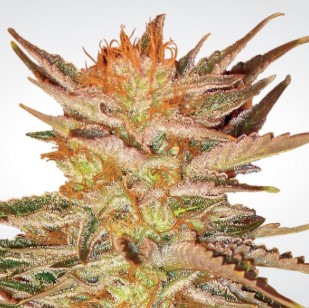
- Appearance: Ice Cream buds are generally light green with bright orange pistils and a frosty layer of trichomes. The buds are compact and chunky, typical of its Gelato lineage.
- Trichomes: A heavy coating of trichomes is visible, which are crystals responsible for the plant’s potent THC and other cannabinoids. This frosty appearance gives the strain its name—reminiscent of a sweet, creamy treat.
- Aroma and Flavor: The fragrance of Ice Cream is just as delightful as its name suggests. It has a creamy, sweet scent with underlying notes of vanilla and citrus. The taste is a perfect reflection of its aroma—smooth, sweet, and slightly tangy, like a dessert treat, with tropical fruit notes and a creamy finish.
Effects of Ice Cream Cannabis
The effects of the Ice Cream strain are generally balanced, making it suitable for both medical and recreational use. Users report a smooth onset of effects that start with a gentle head high followed by a relaxing body buzz.
Recreational Effects

- Euphoria and Happiness: Ice Cream is known to induce a euphoric state, where users feel uplifted and happy. This makes it an excellent choice for social situations, creative endeavors, or just winding down after a long day.
- Relaxation: Despite its energizing parentage, the Gelato influence ensures that Ice Cream provides a significant relaxing effect. It offers a calming sensation that helps users unwind without feeling overly sedated. It’s perfect for evening use or when you want to relax but remain functional.
- Increased Creativity: Thanks to its Sativa genetics from Tropicana Cookies, Ice Cream can also boost creativity. It may inspire users to engage in artistic projects or brainstorming sessions, making it suitable for both solo and group activities.
- Mild Couch-Lock: In higher doses, the Indica characteristics can lead to a mild body high that can make users feel somewhat glued to the couch, although this is not as intense as some other Indica-heavy strains.
Medical Effects
- Stress and Anxiety Relief: One of the most common medicinal uses for Ice Cream is its ability to alleviate stress and anxiety. The strain’s balanced effects offer relaxation without an overwhelming sedative effect, making it a good choice for those who need relief from daily stressors.
- Pain Management: Ice Cream’s relaxing properties make it an excellent strain for people dealing with chronic pain or muscle tension. Its calming effects can provide relief from minor aches and pains, and in higher doses, it may help with more persistent conditions like arthritis or fibromyalgia.
- Depression Relief: Ice Cream is known to promote a positive mood and alleviate feelings of sadness or depression. The uplifting effects are particularly beneficial for individuals who struggle with low mood, as it can provide a boost in mental state without causing a jittery high.
- Appetite Stimulation: As with many cannabis strains, Ice Cream may induce the munchies. This can be helpful for individuals dealing with appetite loss due to medical conditions such as cancer or HIV/AIDS. It can encourage a healthy appetite in those who struggle to eat.
Growing Ice Cream Cannabis
The cultivation of the Ice Cream cannabis strain is a process that requires attention to several key factors to achieve optimal growth, yield, and potency. Understanding the scientific principles behind its cultivation is essential for growers who want to maximize their success with this strain. Below is a more in-depth look at the scientific aspects of growing Ice Cream, covering everything from environmental factors to plant biology.
1. Genetic Considerations and Inheritance
Ice Cream cannabis is a hybrid strain derived from Gelato and Tropicana Cookies, each contributing distinct genetic traits. The combination of Indica and Sativa genetics in Ice Cream means that it inherits a blend of physical characteristics and growing behaviors.
- Gelato’s Influence: Gelato is known for its dense buds, short flowering times, and robust resistance to diseases. This trait is passed down to Ice Cream, which also displays these characteristics. Gelato also tends to favor warm climates, which is an essential factor when planning its cultivation.
- Tropicana Cookies’ Influence: Tropicana Cookies, being a Sativa-dominant strain, contributes a more vibrant and energetic growth structure. Its influence leads Ice Cream to have a slightly more active growth phase with vertical stretch during the early flowering period.
2. The Ideal Growing Environment
To cultivate Ice Cream cannabis successfully, it’s essential to create an optimal environment that caters to its specific needs. Both indoor and outdoor cultivation are viable, but environmental control is crucial to achieving the best results.
Indoor Cultivation:
Indoor cultivation gives growers the ability to control all aspects of the plant’s environment, which is especially beneficial for strains like Ice Cream that may require precise conditions for optimal growth.
- Temperature Control: The Ice Cream strain thrives in a temperature range between 70°F and 80°F (21°C to 27°C) during the vegetative and flowering stages. Temperatures that are too high or too low can stunt growth or cause other issues like nutrient deficiencies.
- Humidity Levels: Humidity is also an important factor, particularly during the vegetative stage when the plant is growing rapidly. The optimal humidity range is between 40 and 60 percent. In the flowering stage, reducing humidity to 40-50% can help prevent mold and mildew, which are common concerns in dense, resinous buds.
- Lighting Requirements: Since Ice Cream has a medium to short flowering period, it benefits from high-intensity light. 18 hours of light and 6 hours of darkness make up a light cycle during the vegetative stage is ideal, and then a 12/12 cycle during the flowering stage to promote bud development. Using LED or HID lights is a common practice in indoor setups to achieve optimal light penetration.
- CO2 Supplementation: Providing CO2 supplementation during the flowering phase can enhance growth and increase yield by facilitating better photosynthesis, which is particularly important in an indoor setup with controlled environmental conditions.
Outdoor Cultivation:
When grown outdoors, Ice Cream cannabis performs well in temperate climates with plenty of sunlight. For the best results:
- Climate: Ice Cream is best suited for mild, Mediterranean climates where the temperature remains stable ranging from 18°C to 27°C (65°F to 80°F).
- Sunlight Exposure: Like most cannabis strains, Ice Cream requires at least 6 hours of direct sunlight per day, and a sunny location will help the plant produce healthy buds with higher THC content.
- Soil Quality: Ice Cream thrives in well-drained, slightly acidic soils with a pH range of 6.0 to 7.0. The soil should be rich in organic matter and nutrients to support the plant’s growth.
- Watering and Drainage: Proper watering is crucial for Ice Cream cultivation. Overwatering can lead to root rot, especially in heavy, compacted soils, so growers need to ensure that water drains efficiently. The best practice is to water when the soil is dry to the touch at a few inches depth.
3. Growth Phases and Scientific Principles
The growth of the Ice Cream cannabis plant can be broken down into several key phases, each requiring different care and attention. Each phase has its unique scientific principles that influence growth, including metabolic activity, cellular respiration, and photosynthesis.
Seedling Stage (0 to 2 weeks):
- During this stage, the plant focuses on root development and early vegetative growth. The roots are the primary site of water and nutrient absorption. During this phase, Ice Cream seedlings need high humidity levels (about 60-70%) to promote transpiration and prevent dehydration.
- Photosynthesis is at its basic level, with the plant primarily absorbing nutrients from the soil to develop its root system and leaves.
Vegetative Stage (2 to 6 weeks):
- This phase sees rapid growth, and the plant focuses on building leaves, stems, and roots. It is during this time that Ice Cream requires the most light intensity and nutrients.
- The plant is actively carrying out photosynthesis, converting light energy into glucose (sugar) and oxygen, which is essential for its growth.
- Growers need to monitor the plant’s nitrogen intake, as too much nitrogen can lead to excessive growth of vegetation at the expense of the development of flowers.
Flowering Stage (6 to 9 weeks):
- During flowering, the plant shifts its energy from vegetative growth to producing flowers (buds). The buds of Ice Cream are dense and resinous, requiring a balance of nutrients such as phosphorus and potassium to support flower growth.
- Trichome production increases, and the plant begins to produce THC and other cannabinoids that define the strain’s effects. The plant will use stored sugars and nutrients to power this stage.
- In this phase, environmental conditions such as temperature and humidity must be carefully regulated to prevent mold and mildew. Plants often enter a stage of senescence, where they begin to shut down non-essential systems to focus energy on bud maturation.
4. Nutrient Requirements and Soil Science
Ice Cream, like other cannabis strains, has specific nutrient requirements throughout its growth stages. The primary macronutrients needed are nitrogen (N), phosphorus (P), and potassium (K), while secondary nutrients such as calcium (Ca) and magnesium (Mg) also play vital roles in overall health.
Vegetative Stage:
- Nitrogen (N): Nitrogen is critical for the development of leaves and stems. High nitrogen levels during the vegetative stage promote vigorous growth and larger foliage. However, too much nitrogen during the flowering stage can inhibit bud production.
Flowering Stage:
- Phosphorus (P): Phosphorus is essential for the development of flowers. It helps in cell division and the development of trichomes, which are rich in cannabinoids.
- Potassium (K): Potassium supports the overall health of the plant and ensures that photosynthesis runs efficiently. It also helps in the formation of sturdy cell walls, which is essential for maintaining strong buds.
Micronutrients:
- Calcium (Ca) and Magnesium (Mg) are needed in smaller amounts but are still critical for cellular processes and the structure of the plant.
The pH level of the soil should be kept slightly acidic (between 6.0 and 7.0), as cannabis plants are more efficient at nutrient absorption at this pH. Regular soil testing can help ensure that the pH remains optimal, as improper pH can lead to nutrient lockout, where the plant cannot absorb essential minerals.
5. Pest and Disease Management
Because Ice Cream cannabis plants are dense and resinous, they are particularly susceptible to fungal infections like powdery mildew and botrytis (bud rot), especially in humid environments. Scientific research has shown that maintaining an optimal balance of humidity, air circulation, and temperature is critical for preventing these diseases.
- Prevention Methods: Using organic fungicides, ensuring proper airflow, and practicing good garden hygiene can help prevent fungal and pest issues.
- Pests: Common pests such as aphids, spider mites, and caterpillars can damage the plant’s leaves and flowers. Regularly inspecting plants for pest activity and using natural predators (such as ladybugs for aphids) or organic pesticides can help manage infestations.
6. Harvesting and Post-Harvest Care
Once Ice Cream plants reach their peak, harvesting at the right time is essential for preserving the strain’s potency and flavor. The flowers of Ice Cream are typically ready to harvest 8 to 9 weeks following the transition to a 12/12 light cycle.
- Trichome Inspection: The best way to determine when to harvest is to observe the trichomes (the tiny, crystal-like structures on the buds). Clear trichomes indicate the plant is not ready, while milky-white trichomes indicate peak THC levels. Amber trichomes may indicate a higher CBD content, signaling the plant is overripe.
- Drying and Curing: Once harvested, the buds should be dried in a cool, dark place with low humidity (around 50-60%) to avoid mold growth. After drying, curing in airtight jars helps preserve the strain’s flavor and enhance its potency.

Ice Cream Cannabis Strain – Pros and Cons
Pros:
- Balanced Effects: Ice Cream offers the perfect balance between relaxation and upliftment, making it suitable for a wide range of users.
- Delicious Flavor Profile: Its sweet, creamy taste is a standout feature, appealing to those with a preference for dessert-like flavors.
- Medical Benefits: It provides relief from stress, anxiety, pain, and depression, making it an excellent choice for medical cannabis users.
- Versatility: The strain’s effects are not overwhelmingly sedative or stimulating, making it an all-day option for some consumers.
Cons:
- Potency: The high THC content might be too strong for beginner cannabis users, potentially leading to anxiety or paranoia.
- Mild Couch-Lock: While not as intense as some other strains, there’s a possibility of mild couch-lock in higher doses.
- Low CBD: The strain’s low CBD content makes it less suitable for those who need CBD-specific medicinal benefits.
Conclusion
The Ice Cream cannabis strain stands out as a delightful hybrid with a unique combination of effects, flavors, and medicinal benefits. Whether you are looking for a recreational strain that offers a smooth and creamy taste or a medicinal strain that can alleviate stress and pain, Ice Cream proves to be a versatile choice for a wide range of cannabis users. With its balanced effects, moderate growing requirements, and sweet flavor, Ice Cream is a strain worth trying for both new and experienced cannabis users alike.
For a complete directory of cultivars, visit our Cannabis Strain Reviews.
