Description
Introduction
Ice cannabis seeds are typically chosen by growers who want an old-school cannabis profile with a notably frosted finish and a steady, evening-leaning feel. The name is often linked with ICE Indica Crystal Extreme, a nickname that points to the cultivar’s reputation for heavy trichome development late in bloom. Experienced cultivators report that the best results come from consistent temperatures, strong air movement, and avoiding large swings in irrigation—simple habits that keep marijuana flowers firm and help weed plants finish clean.
Origin and Lineage
Many strain references describe this variety as a classic combination of Afghan, Northern Lights, and Skunk influences, sometimes summarized as Afghan and Skunk influence with Northern Lights heritage layered into the background. Because “ICE” has been released by more than one breeder over the years, exact expressions can vary slightly from one seed line to another; however, the widely repeated theme is a stout structure, a resin-forward finish, and a distinctly indica-leaning effect profile. In practical terms, ICE Indica Crystal Extreme is generally associated with sturdy growth and abundant trichomes.
Growth Difficulty and Grow Guide
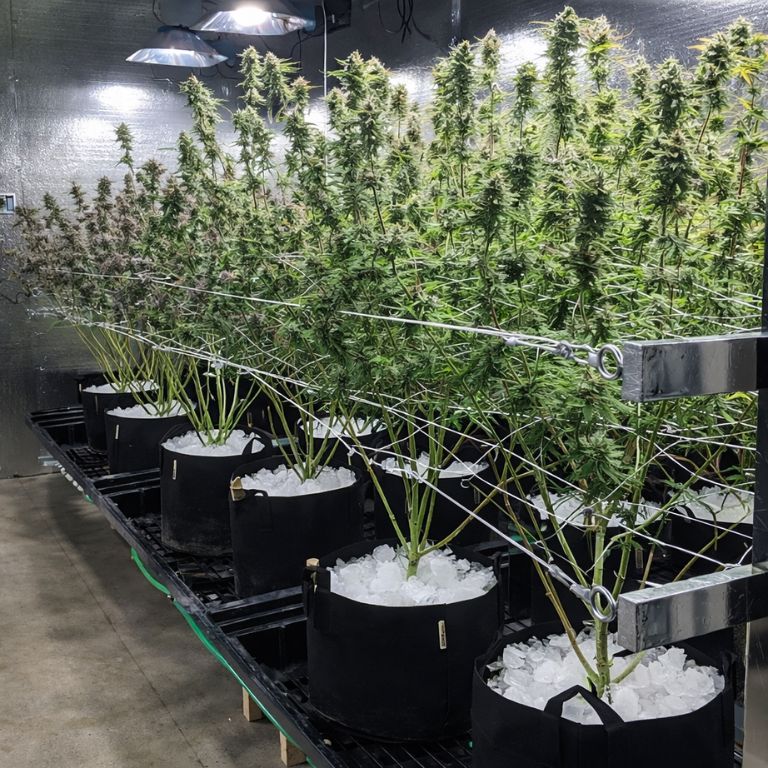
Most home growers rate this cultivar as moderate-easy when the room is dialed in and training begins early. A practical indoor grow guide starts with stable humidity in early growth, then uses topping or low-stress training to widen the canopy and expose more sites to light. With Afghan and Skunk influence in the background, plants can gain momentum quickly, so removing weak inner growth helps keep airflow moving through the center and reduces late-flower moisture pockets. When managed this way, Ice cannabis seeds tend to stay predictable in tents, and the resulting cannabis canopy is easier to keep evenly lit.
Nutrients and Equipment
A balanced feed—rather than aggressive boosting—tends to produce the cleanest flavor and the most reliable resin production. Many growers run a complete base nutrient and add calcium/magnesium support as needed, then shift toward bloom-leaning ratios once bud sites are established, keeping pH steady to prevent lockout. For indoor setups, essentials include an accurate pH/EC meter, oscillating fans, and (in many rooms) a dehumidifier for late flower. Growers who follow a simple indoor grow guide checklist—light height, airflow paths, runoff readings, and weekly plant notes—often spot problems before they affect the weed harvest.
Flowering Phase
Once bloom begins, the plant usually responds best to slightly cooler nights, strong circulation, and a gradual humidity drop as flowers swell. Most cultivation notes place the finish around 8 to 10 week flowering, though phenotype and environment can shift timing by a few days. As trichomes mature, resin production becomes more obvious across sugar leaves and bracts, and the variety’s reputation as a hash making strain makes sense for growers who like kief, dry sift, or rosin. Seasoned cultivators also note that gentle defoliation—rather than heavy stripping—can improve airflow while keeping enough leaf area to support terpene development.
Harvest
Harvest timing matters more than calendar days: cultivators commonly cut when trichomes are mostly cloudy with a small percentage turning amber, which often supports the strain’s calmer, body-weighted character. When conditions are right, resin production can make trimming sticky and slow, but it also supports the appeal of this hash making strain for home extractors. Growers running Ice cannabis seeds indoors frequently cite solid yields when lighting and canopy management are consistent—often reported around 400–500 g/m²—while outdoor outcomes vary widely with season length and weather stability. After cutting, a slower dry and a patient cure typically improve smoothness and preserve aroma in finished marijuana buds.
Common Challenges
Tight flower structure can trap moisture, so airflow and late-flower humidity control are non-negotiable—especially for growers who want a clean finish without botrytis. The bloom window is long enough that issues like powdery mildew or minor pest flare-ups can appear, so regular scouting under leaves and inside the densest flowers is worth the time. Outdoors, outdoor climate tolerance is generally better in mild, stable conditions than in long stretches of cold rain. Another practical issue is weight: colas can get heavy, so netting, ties, or stakes help prevent branches from bending and bruising developing cannabis flowers.
Additional Tips
For growers chasing uniform flowers, early canopy work is often the fastest path to consistency: top once or twice, then keep branches spread for even light distribution. A thorough indoor grow guide can include scheduled leaf checks, sticky traps, and a gentle preventative routine rather than reactive spraying. In regions with variable summers, planning around outdoor climate tolerance means choosing a spot with morning sun and fast dry-down after dew, plus enough spacing for wind to pass through. Many experienced growers also report that dialing in odor control early (before late bloom) makes the entire weed run more comfortable, especially in shared living spaces.
Germination Time
Most seeds crack within 24–72 hours when kept warm, dark, and lightly moist, though seed age and temperature can shift that range. With this cultivar, many growers transplant as soon as the taproot appears and avoid overhandling seedlings. Because Afghan and Skunk influence can express vigor once established, starting in a light, airy medium and keeping early feeds minimal helps roots develop without stress. Strong starts matter: Ice cannabis seeds often reward steady early care with faster, more even vegetative growth.
Wellness
Users often describe effects that start with a mild lift and settle into a calmer, more body-focused mood, which is why it is frequently treated as an evening marijuana option. Strain databases commonly place potency in the medium-high THC range, often reported around the high-teens THC. The typically low CBD level means the experience is less about CBD-driven balance and more about THC-led relaxation, although individual responses vary with tolerance, setting, and dose. Anyone using cannabis for wellness should consider local laws, start low, and avoid combining weed with activities requiring full attention.
CBD Levels
Across strain references, this variety is usually described as having a low CBD level. That profile often pairs with medium-high THC potency, which can suit experienced users but may feel heavy for those sensitive to THC. For consumers specifically searching for higher-CBD marijuana products, this is generally not the best match; a lab-tested, balanced-ratio option is a safer target. Growers should remember that cannabinoid ratios can shift with phenotype selection, harvest timing, and environmental stress.
Appearance
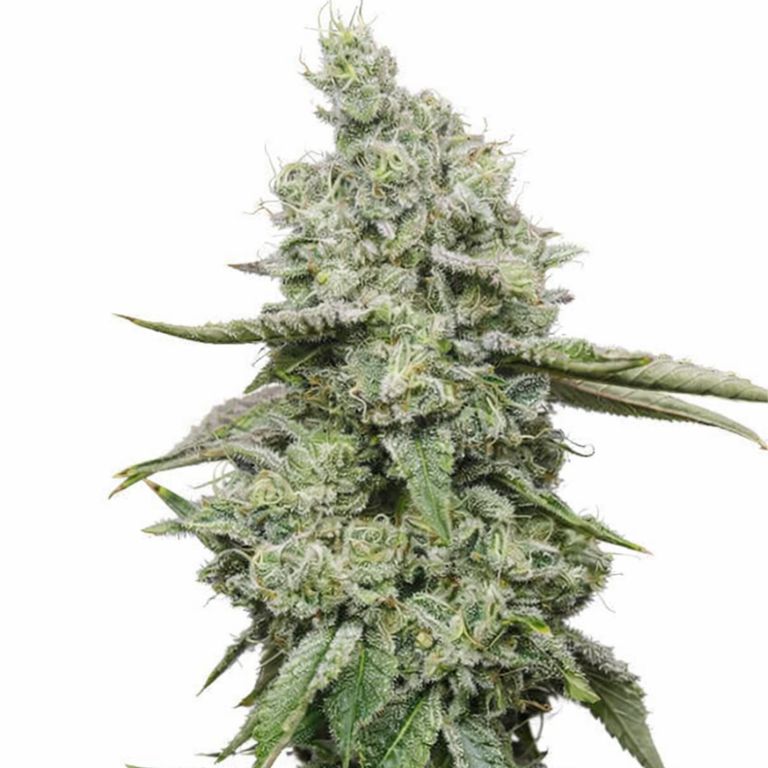
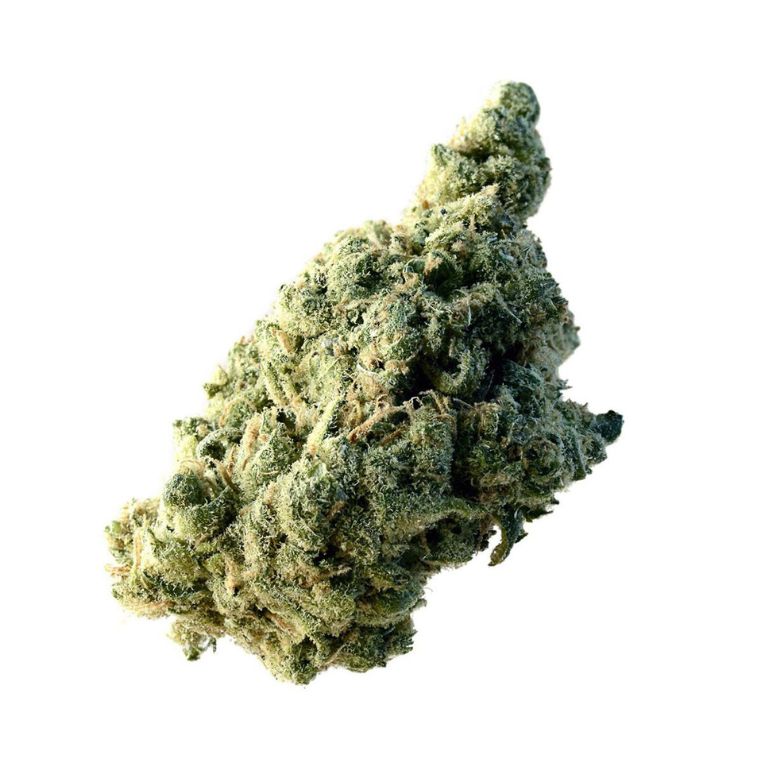
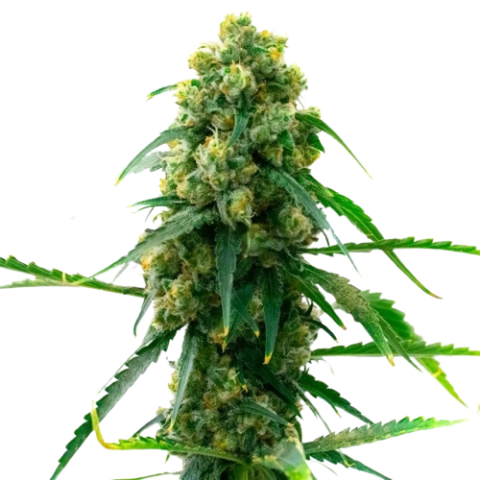
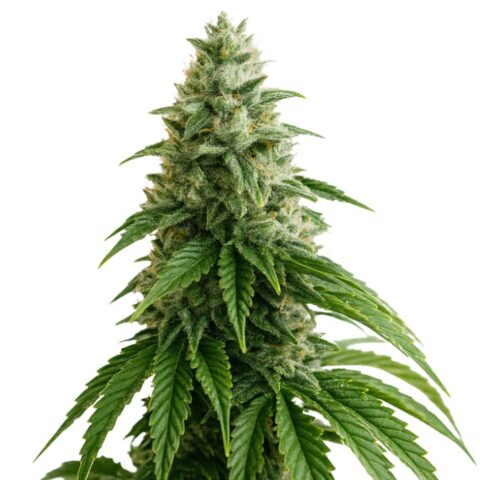
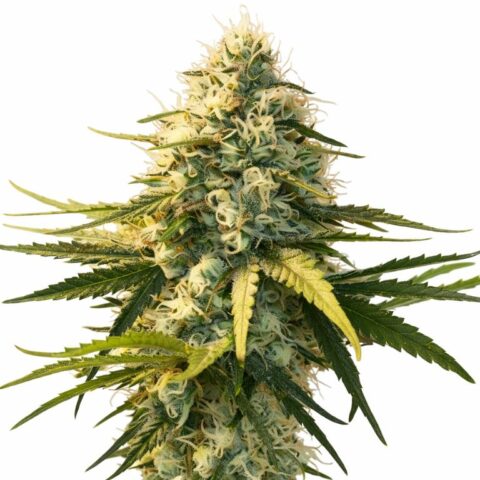
Finished flowers are often compact and bright, with thick trichome coverage that gives buds a light-catching iced look. That visual reputation is a big reason the name ICE Indica Crystal Extreme continues to circulate among growers and collectors. When grown in a well-ventilated space, buds frequently develop a tidy flower-to-leaf ratio, making manicuring more straightforward than on leafier weed varieties. Color can range from fresh green to deeper tones late in bloom, and density tends to increase when temperatures stay stable and nutrition is not overpushed.
Plant Height
Indoors, the plant is commonly kept short to medium with topping and training, making it a practical fit for tents and discreet rooms. The Northern Lights heritage often shows as sturdy stems and controlled stretch, while outdoor size depends on root space, vegetation time, and climate. In warmer seasons, outdoor climate tolerance can support larger frames; some grow notes cite around 100 cm indoors and up to roughly 200 cm outdoors when left untrained. Support stakes, soft ties, and good spacing help keep heavy branches upright and improve airflow through the canopy.
Aroma
Aroma is often described as earthy and sweet with sharper notes that can lean toward pine or fuel as curing progresses. The Northern Lights heritage can show up in that classic old-school backbone, while the finishing window of 8 to 10 week flowering gives enough time for terpene intensity to build when temperatures stay stable. Carbon filtration is recommended indoors because smell can become noticeable during late flower, and outdoor growers should consider neighbors and prevailing wind. A careful dry and cure typically keeps the final cannabis aroma cleaner and less grassy.
Flavor
In smoke or vapor, the taste often follows the scent—earthy, slightly sweet, and sometimes sharper on the exhale when fully cured. Many users find the flavor smoother when the plant is dried slowly and cured patiently rather than rushed. For extract fans, this can be an especially satisfying hash making strain, as sift or rosin often concentrates the same terpene notes into a thicker, longer-lasting profile. As with any weed product, final taste depends on nutrition, harvest timing, and post-harvest handling.
In Conclusion
For growers who want classic structure and a frosty finish, Ice cannabis seeds offer a reliable path to tight flowers and an easy-to-recognize look. Most growers should expect 8 to 10 week flowering in typical conditions, along with medium-high THC potency and a low CBD level that keeps the experience firmly THC-driven. When managed with steady fundamentals—clean airflow, cautious feeding, and early training—the cultivar can be rewarding for both flower enthusiasts and extraction-minded growers. Results will vary by phenotype, but the overall cultivation style is well suited to growers who value consistency over hype.

Reviews
There are no reviews yet.