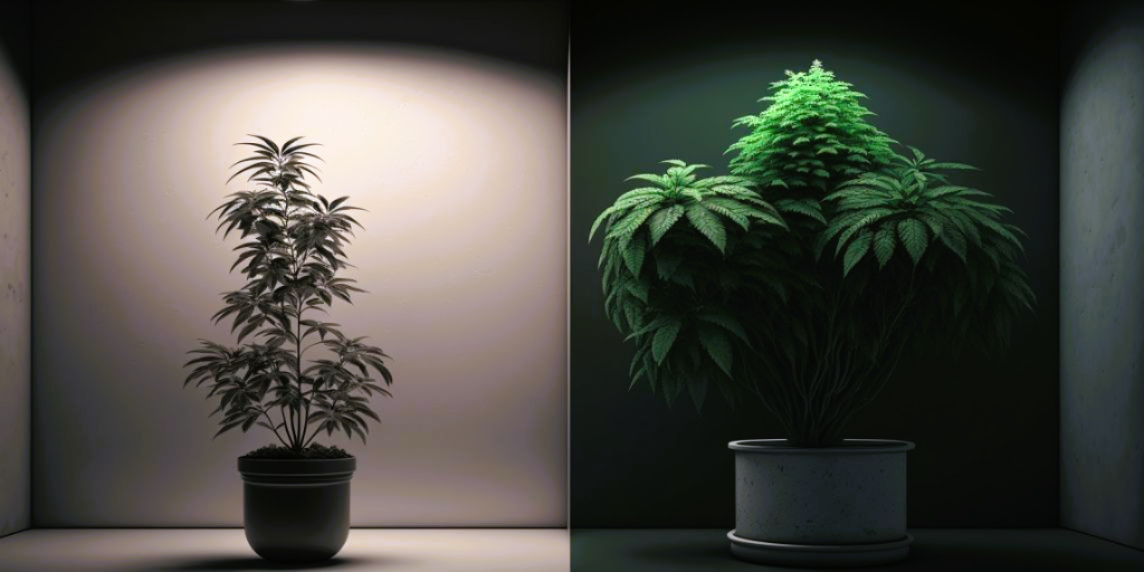
Hydroponic vs. Soil-Grown Cannabinoid and Terpene Production in Medical Cannabis Cultivation
The debate surrounding hydroponic versus soil-based cultivation of cannabis for medical purposes has grown significantly in recent years. As the therapeutic potential of cannabis expands, so does the need to optimize cultivation techniques to produce consistent, high-quality cannabinoid and terpene profiles. Both cannabinoids, such as tetrahydrocannabinol (THC), cannabidiol (CBD), and terpenes, like myrcene and limonene, are integral to the medical efficacy of cannabis. Factors such as growth medium, nutrient delivery, and environmental control play a decisive role in determining the plant’s chemical composition. In medical cannabis cultivation, ensuring the highest medicinal value while maintaining consistent, contaminant-free production is paramount.
This analysis explores the biochemical, environmental, and agricultural factors influencing cannabinoid and terpene production in hydroponic versus soil-grown cannabis, focusing solely on medical cultivation.
The Role of Cannabinoids and Terpenes in Medical Cannabis
Before delving into cultivation methods, it is crucial to understand why cannabinoid and terpene production is at the heart of medical cannabis efficacy. Cannabinoids like THC and CBD interact with the endocannabinoid system (ECS), regulating pain, inflammation, seizures, and neurological disorders. Terpenes, aromatic compounds found in cannabis, modulate the effects of cannabinoids through the entourage effect, enhancing therapeutic outcomes.
For example:
- CBD has neuroprotective properties, offering potential treatments for epilepsy, multiple sclerosis, and chronic pain.
- THC alleviates symptoms such as nausea, loss of appetite, and spasticity, particularly in chemotherapy or HIV/AIDS patients.
- Terpenes like myrcene exhibit sedative and anti-inflammatory properties, while beta-caryophyllene interacts with CB2 receptors, reducing inflammation.
Thus, optimizing cultivation methods to maximize both cannabinoid and terpene yield becomes a priority in medical cannabis production.
Hydroponic Cultivation: An Overview
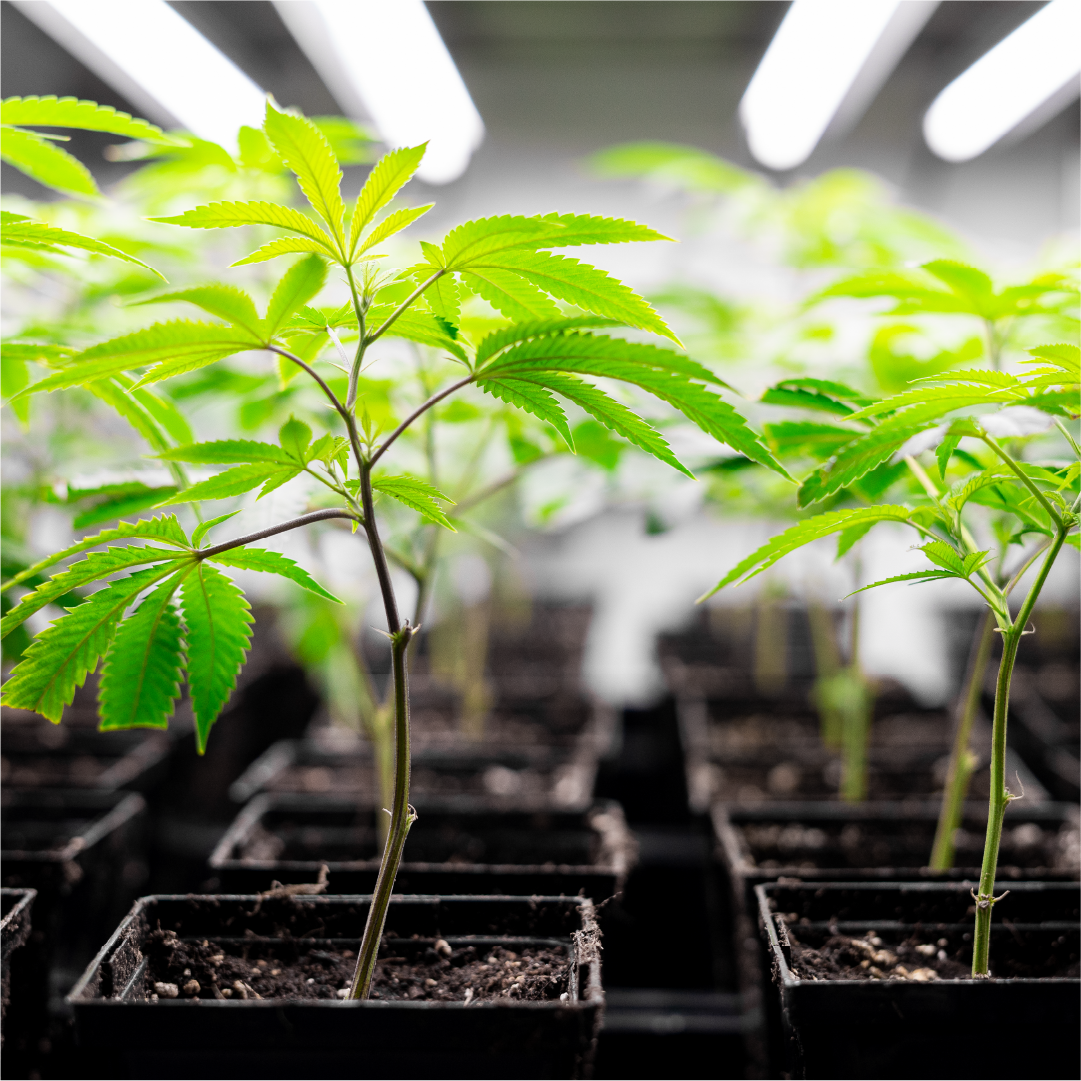
Hydroponics refers to growing plants without soil, where roots are suspended in nutrient-rich water solutions or inert growing mediums like coco coir, perlite, or rockwool. Hydroponic systems provide growers precise control over nutrient levels, water quality, and environmental conditions.
Advantages of Hydroponic Cultivation for Cannabinoid and Terpene Production
- Precision in Nutrient Delivery:
Hydroponic systems allow exact measurements and adjustments of macronutrients (nitrogen, phosphorus, potassium) and micronutrients (calcium, magnesium, iron) delivered to the plant. This precision ensures plants receive the necessary compounds at optimal concentrations to enhance cannabinoid and terpene synthesis. For instance, increased potassium availability has been linked to higher resin production. - Environmental Control:
Hydroponic setups, particularly in indoor or greenhouse settings, enable consistent control of environmental factors such as humidity, temperature, and light intensity. These factors directly influence the production of secondary metabolites, including cannabinoids and terpenes. Lower humidity levels during flowering, for example, can enhance resin production. - Faster Growth Cycles:
Hydroponics facilitates faster nutrient uptake, accelerating plant growth. The shorter cultivation cycle allows for multiple harvests annually, ensuring steady medical cannabis production and increased yields. - Reduced Risk of Soil-Borne Pathogens:
Soil often harbors fungi, bacteria, and pests that can compromise plant health. Hydroponic systems, by contrast, offer a cleaner growing environment, reducing the risk of contamination—a critical consideration for medical-grade cannabis where purity and safety are non-negotiable. - Enhanced Cannabinoid and Terpene Yield:
By fine-tuning environmental and nutritional conditions, hydroponic systems can optimize cannabinoid potency and terpene profiles. Studies suggest that hydroponic-grown cannabis often exhibits higher concentrations of THC, CBD, and terpenes compared to soil-grown counterparts.
Challenges in Hydroponic Cultivation
Despite its benefits, hydroponic cultivation comes with challenges:
- Technical Expertise: Hydroponic systems require careful monitoring of pH, electrical conductivity (EC), and nutrient formulations. Small imbalances can disrupt plant health and cannabinoid production.
- High Initial Investment: Setting up hydroponic systems, especially for medical cannabis production, demands significant infrastructure costs, including water circulation systems, reservoirs, and environmental controls.
- Risk of Nutrient Overload: Excessive nutrients can result in salt buildup, root damage, or nutrient lockout, negatively affecting terpene and cannabinoid expression.
Soil-Grown Cannabis: Traditional Methods and Benefits
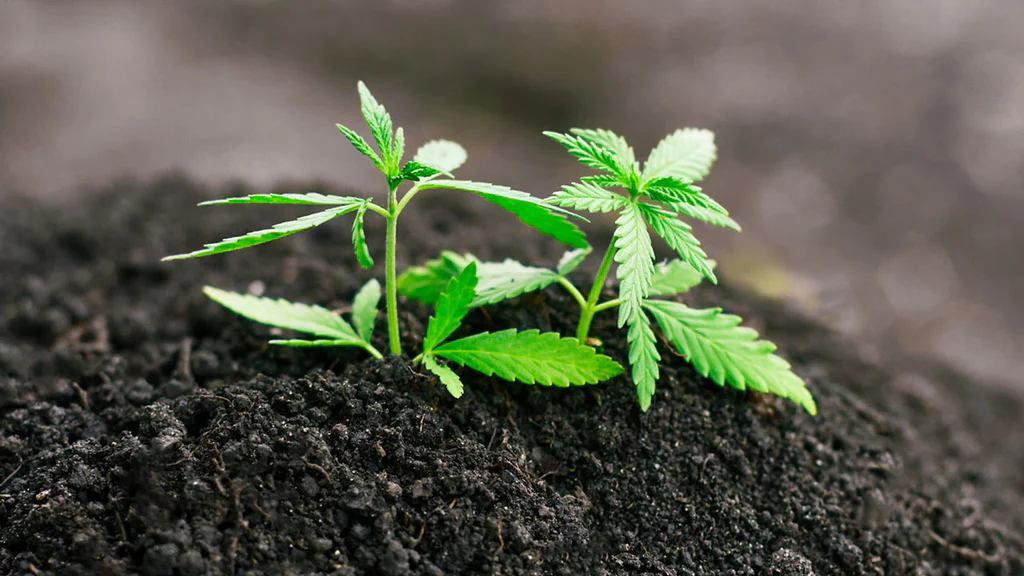
Soil-based cultivation involves growing cannabis plants in natural or amended soils, where organic nutrients are gradually broken down and absorbed by the roots. This method has been practiced for centuries and remains a popular choice for medical cannabis growers.
Advantages of Soil-Based Cultivation for Cannabinoid and Terpene Production
- Natural Soil Microbiome:
Soils rich in organic matter contain beneficial microorganisms, such as mycorrhizal fungi and bacteria, which enhance nutrient uptake and promote root health. These microbes help plants produce secondary metabolites, including terpenes and cannabinoids, by stimulating biochemical pathways. - Complex Nutrient Availability:
Organic soil amendments (compost, bone meal, fish emulsion) release nutrients slowly, fostering a balanced and gradual uptake. This slow-release mechanism promotes robust plant development and natural cannabinoid expression. - Terpene Richness:
Soil-grown cannabis often exhibits nuanced terpene profiles, resulting in enhanced aromatic complexity. The organic compounds present in soil can contribute to the production of specific terpenes like pinene, humulene, and linalool. - Resilience and Buffering:
Soil acts as a natural buffer against pH and nutrient imbalances. This characteristic reduces the risk of nutrient lockout or deficiencies compared to hydroponic systems, which are highly sensitive to fluctuations. - Sustainable Practices:
Organic, soil-based cultivation aligns with sustainable agricultural practices. Utilizing compost teas, cover crops, and natural pest management can produce medical-grade cannabis with minimal environmental impact.
Challenges in Soil-Based Cultivation
While soil-grown cannabis has its advantages, several challenges exist:
- Inconsistent Nutrient Availability: The nutrient composition of soil can vary, leading to fluctuations in cannabinoid and terpene production. Achieving consistency in medical cannabis cultivation requires careful soil testing and amendment.
- Pathogen Risk: Soil is a natural reservoir for pests, fungi, and harmful microbes. Medical cannabis must adhere to stringent purity standards, and contaminated plants can jeopardize patient safety.
- Slower Growth Cycles: Nutrient absorption in soil is slower compared to hydroponic systems, resulting in longer growth cycles. This limitation may reduce annual yields for medical cannabis producers.
Comparative Analysis: Cannabinoid and Terpene Production
Cannabinoid Potency
Research comparing hydroponic and soil-grown cannabis indicates that hydroponic systems often produce higher concentrations of cannabinoids, particularly THC and CBD. The precise nutrient delivery and environmental control in hydroponics allow growers to maximize cannabinoid biosynthesis.
In soil-grown cannabis, while cannabinoid concentrations can be slightly lower, the presence of organic nutrients and natural microbial activity supports robust plant development and stable cannabinoid expression.
For medical use, cannabinoid consistency is essential to ensure reproducible therapeutic effects. Hydroponic systems offer greater reliability in standardizing THC and CBD levels, a critical requirement for pharmaceutical-grade cannabis products.
Terpene Profiles
Terpenes contribute to the therapeutic efficacy of medical cannabis by modulating cannabinoid activity and providing independent health benefits. Hydroponically grown cannabis often exhibits high terpene concentrations due to the controlled stress applied during cultivation. Stress factors like light intensity, humidity reduction, and nutrient manipulation stimulate terpene biosynthesis.
Soil-grown cannabis, however, frequently produces a broader and more complex terpene profile. Organic nutrients, microbial activity, and the natural ecosystem of soil contribute to the production of terpenes like myrcene, linalool, and pinene.
Example Comparison:
- Hydroponic cannabis may yield higher levels of limonene and beta-caryophyllene under controlled conditions.
- Soil-grown cannabis may feature richer combinations of humulene and pinene, providing nuanced medicinal benefits.
For patients seeking specific terpene profiles tailored to medical needs—such as anti-inflammatory or anxiolytic effects—soil-grown cannabis may offer more diversity, while hydroponics delivers greater concentration.
Environmental and Economic Considerations
Resource Efficiency
Hydroponic systems are inherently water-efficient, recycling water through closed-loop systems and minimizing waste. For medical cannabis growers operating in regions with water scarcity, hydroponics offers a sustainable solution. By contrast, soil-based cultivation requires significant irrigation, leading to higher water consumption.
Energy Use
While hydroponic systems require extensive energy inputs for lighting, HVAC, and water pumps, the payoff comes in faster harvest cycles and higher yields. Soil-grown cultivation, particularly outdoors, relies on natural sunlight, making it more energy-efficient but less controllable.
Cost Factors
The initial investment for hydroponic systems is higher due to infrastructure needs. However, the increased yields, faster growth cycles, and cannabinoid consistency can offset these costs for medical cannabis producers targeting pharmaceutical markets.
Soil-grown cannabis, though more cost-effective initially, requires intensive labor for soil management, pest control, and nutrient supplementation, which can add to operational expenses over time.
Quality Control and Medical Standards
For medical cannabis to meet pharmaceutical-grade standards, purity, consistency, and potency are critical. Hydroponic systems excel in providing clean, contaminant-free plants, as the controlled environment reduces exposure to pests, heavy metals, and microbial pathogens. Advanced filtration systems further ensure water purity.
Soil-grown cannabis, despite its organic appeal, carries a higher risk of contamination. Medical growers must implement rigorous soil testing, pest management protocols, and curing processes to meet safety standards.
Restrictions on Growing and Using Cannabis in the Medical Field: Emphasizing Last Resort Treatments and THC Monitoring

The medical application of cannabis has sparked significant global interest due to its therapeutic potential in managing chronic illnesses, neurological disorders, and pain conditions. However, strict regulations govern the cultivation, distribution, and administration of medical cannabis, ensuring its use remains controlled, safe, and ethical. To maintain patient safety and prevent misuse, medical cannabis is often reserved as a last-resort treatment when conventional therapies fail. Additionally, monitoring tetrahydrocannabinol (THC) levels in medications is essential to avoid psychoactive effects, preserving the therapeutic focus of cannabis in the medical field.
Restricting Medical Cannabis Use to Last-Resort Treatments
Medical cannabis, while demonstrating efficacy in treating conditions like epilepsy, cancer-related symptoms, and multiple sclerosis, is typically restricted to last-resort therapy. Governments and medical regulatory bodies require rigorous justifications before allowing cannabis-based treatments, emphasizing its use only after traditional therapies have proven ineffective or caused intolerable side effects.
- Patient Eligibility and Diagnosis:
Only patients with clearly documented medical conditions, such as treatment-resistant epilepsy, chemotherapy-induced nausea, or chronic neuropathic pain, qualify for medical cannabis prescriptions. Physicians must provide comprehensive medical histories and evidence that alternative treatments, including pharmaceuticals and therapies, were exhausted before considering cannabis. - Approval Protocols:
Medical cannabis usage often requires multi-tier approval processes. In many jurisdictions, physicians must gain authorization from health authorities or specialized medical panels to prescribe cannabis. This protocol ensures decisions are evidence-based, preventing unnecessary reliance on cannabis as a first-line treatment. - Clinical Oversight:
Continuous monitoring is integral when using medical cannabis as a last-resort option. Physicians supervise dosage, symptom relief, and side effects, ensuring the treatment remains beneficial without exposing patients to unnecessary risks.
By restricting cannabis use to cases where other treatments fail, medical systems preserve the integrity of cannabis as a targeted therapeutic tool, rather than a catch-all solution.
Monitoring THC Levels to Prevent Psychoactive Effects
Tetrahydrocannabinol (THC) is the primary psychoactive compound in cannabis, known for inducing “euphoria” or cognitive alterations. In medical applications, while THC can provide analgesic, antiemetic, and appetite-stimulating effects, uncontrolled levels pose risks such as anxiety, dizziness, or impaired mental function. As a result, stringent regulations mandate precise THC monitoring in medical cannabis products to prevent psychoactive effects, ensuring patient safety.
THC Limits in Medical Cannabis
- Standardized THC Concentrations:
Most medical cannabis products must adhere to strict THC limits, depending on the condition being treated. For example:- Epilepsy Treatments: Products like CBD-dominant oils contain minimal THC (typically less than 0.3%) to avoid psychoactive effects while managing seizures.
- Chronic Pain and Cancer Support: THC-based medications often have capped concentrations (e.g., below 5-10%) to balance therapeutic benefits with reduced psychoactive impact.
- CBD-to-THC Ratios:
Cannabidiol (CBD), a non-psychoactive cannabinoid, counteracts the effects of THC. Medical cannabis formulations frequently optimize the CBD-to-THC ratio to enhance therapeutic properties while minimizing intoxication. Ratios like 20:1 (CBD:THC) are common in treatments for pediatric epilepsy, ensuring THC levels remain low and controlled. - Labeling and Testing Standards:
Licensed cannabis producers must adhere to rigorous quality control measures, including independent lab testing for cannabinoid content. Medical cannabis products are labeled with precise THC percentages, ensuring physicians and patients can monitor dosages accurately. Regulatory agencies regularly audit these products to prevent deviations from permitted THC levels.
Preventing Psychoactive Effects in Medical Cannabis Patients
In medical cannabis treatment, avoiding psychoactive effects is critical, particularly for vulnerable populations like children, elderly patients, and individuals with neurological conditions. The following measures are employed to mitigate THC-induced risks:
- Microdosing:
Physicians often adopt a “start low, go slow” approach, where patients begin with minimal doses of THC-containing medications. Gradual titration helps identify the lowest effective dose, minimizing psychoactivity while maximizing therapeutic benefits. - CBD-Dominant Treatments:
For many medical conditions, CBD-dominant products are preferred, as they offer therapeutic effects without intoxicating properties. For instance, Epidiolex, an FDA-approved CBD medication, treats pediatric epilepsy without psychoactive risks. - Restricted Access for Vulnerable Groups:
Pediatric and elderly patients are particularly sensitive to THC’s psychoactive effects. Medical professionals prioritize formulations with near-zero THC content for these groups, focusing on CBD-rich alternatives or cannabis-derived isolates. - Education and Monitoring:
Patient and caregiver education is integral to minimizing psychoactive effects. Physicians educate patients on proper usage, potential side effects, and the importance of adhering to prescribed dosages. Follow-up consultations ensure that THC levels in the bloodstream remain within therapeutic, non-psychoactive thresholds.
Stringent Cultivation Regulations for Medical Cannabis
To produce cannabis suitable for medical applications, cultivation processes are subject to stringent regulations that prioritize safety, consistency, and cannabinoid accuracy:
- Licensed Growers and Facilities:
Only licensed growers approved by regulatory authorities are allowed to cultivate medical cannabis. These facilities must meet Good Agricultural and Collection Practices (GACP) or Good Manufacturing Practices (GMP) to ensure pharmaceutical-grade production. - Controlled THC Production:
Cultivation techniques focus on controlling cannabinoid synthesis, particularly THC. Through genetic selection, breeders develop strains with predictable and consistent THC levels tailored for medical use. - Contaminant-Free Standards:
Medical cannabis plants must be free of pesticides, heavy metals, mold, and bacteria. Any contamination can endanger immunocompromised patients, emphasizing the importance of rigorous quality assurance in cultivation. - Batch Testing and Traceability:
Cultivation facilities conduct batch testing to monitor THC concentrations, ensuring compliance with regulatory limits. Traceability systems track the entire production process, from seed to final product, to maintain quality control and safety standards.
Conclusion
The cultivation and application of medical cannabis require rigorous oversight and precise methodologies to ensure its safety, efficacy, and therapeutic value. By examining the differences between hydroponic and soil-based cultivation, it becomes clear that both methods offer unique advantages. Hydroponic systems provide superior control over environmental and nutrient conditions, resulting in consistent cannabinoid and terpene production, which is critical for pharmaceutical-grade cannabis. Conversely, soil-based cultivation supports a more complex and natural terpene profile, often preferred for its nuanced medicinal properties.
In the medical field, restricting cannabis use to last-resort treatments serves as a safeguard to preserve its integrity as a targeted therapeutic intervention. Only when conventional therapies fail should cannabis be introduced, ensuring it remains a secondary yet essential tool for managing conditions like epilepsy, chronic pain, and neurological disorders. This measured approach underscores the importance of thorough clinical oversight, ensuring that its use is evidence-based and patient-centric.
Furthermore, monitoring THC levels in medical cannabis products is crucial for preventing psychoactive effects, particularly in vulnerable populations such as children and elderly patients. By adhering to strict THC limits, optimizing CBD-to-THC ratios, and employing quality control measures, medical cannabis can deliver therapeutic benefits without compromising mental clarity or safety.
Additionally, stringent cultivation regulations ensure that medical cannabis meets pharmaceutical standards. Licensed cultivation facilities, batch testing, and contamination-free protocols guarantee that the final product is both safe and effective for patient use. Whether grown hydroponically or in soil, the focus remains on producing consistent, high-quality cannabis that meets the demands of medical treatment.
In conclusion, the responsible integration of medical cannabis into healthcare systems hinges on three key principles: controlled cultivation methods, restricted last-resort use, and precise THC monitoring. These measures not only safeguard patients but also enhance the credibility and therapeutic potential of cannabis in the medical field. By maintaining high standards in cultivation, regulation, and clinical application, medical cannabis can fulfill its role as a reliable and effective treatment option for those in need.
