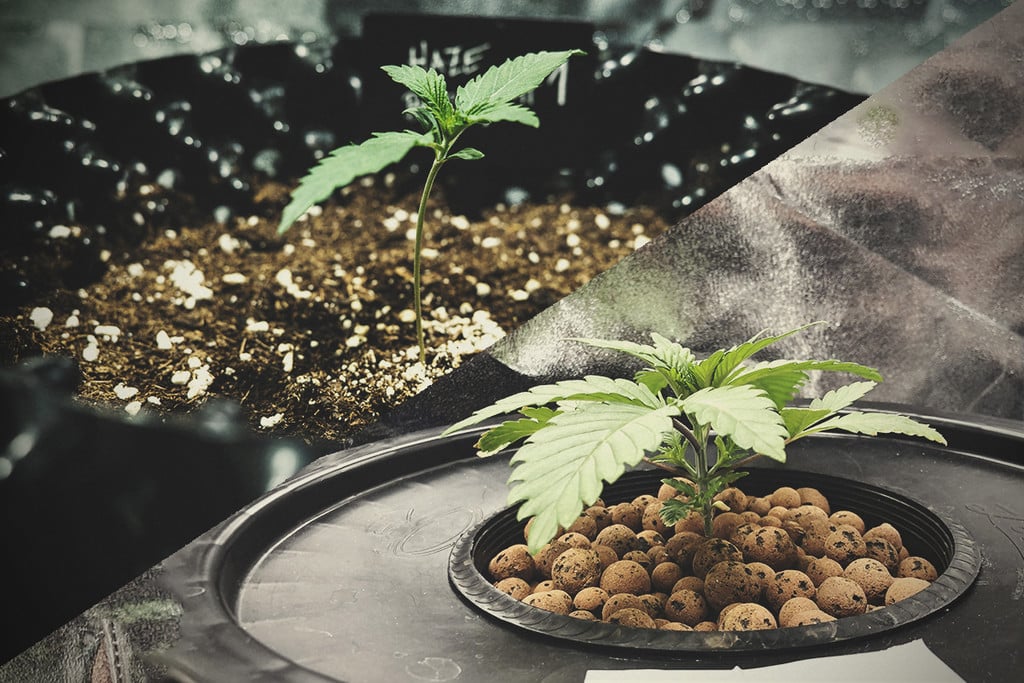
Hydroponic vs. Soil Growing: Which is Best for Your Medical Cannabis Plants?
Growing medical cannabis requires careful consideration of multiple factors to ensure that plants achieve their maximum potential in terms of both yield and therapeutic properties. Two of the most common cultivation methods for medical cannabis are hydroponics and soil-based growing. This page provides a comprehensive comparison of these methods, focusing on their benefits and challenges for medical cannabis cultivation, to help you make an informed decision.
Understanding the Basics: Hydroponics vs. Soil Growing
1. Hydroponic Growing
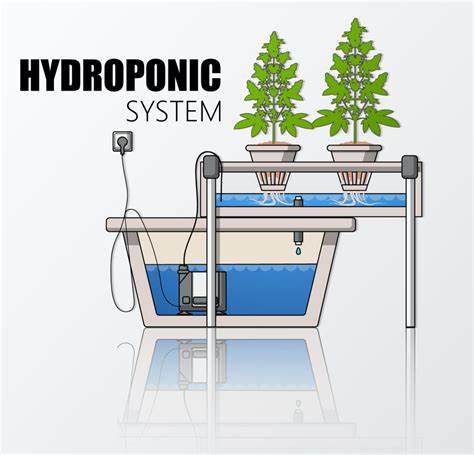
A nutrient-rich water solution is used in hydroponic gardening to produce plants without the need for soil. In order to provide the best possible oxygen exchange and anchoring, the roots of the cannabis plants are suspended in a media such as rock wool, coco coir, or clay pellets. The nutrients required for growth are consistently and quickly accessed by the plant since the nutrient solution is applied directly to the root system.
Key Components of Hydroponic Systems:
- Growing Medium: Provides support for the plant roots. Common options include perlite, vermiculite, and expanded clay pellets.
- Nutrient Solution: A mix of essential nutrients dissolved in water. It must be carefully balanced to meet the plant’s nutritional needs at various growth stages.
- pH Control: Essential for nutrient absorption; pH levels should be kept between 5.5 and 6.5.
- Water Circulation System: Pumps and reservoirs maintain water flow and aeration.
- Lighting: High-intensity lighting, such as LED or HPS lamps, is used to mimic the natural sun.
2. Soil-Based Growing
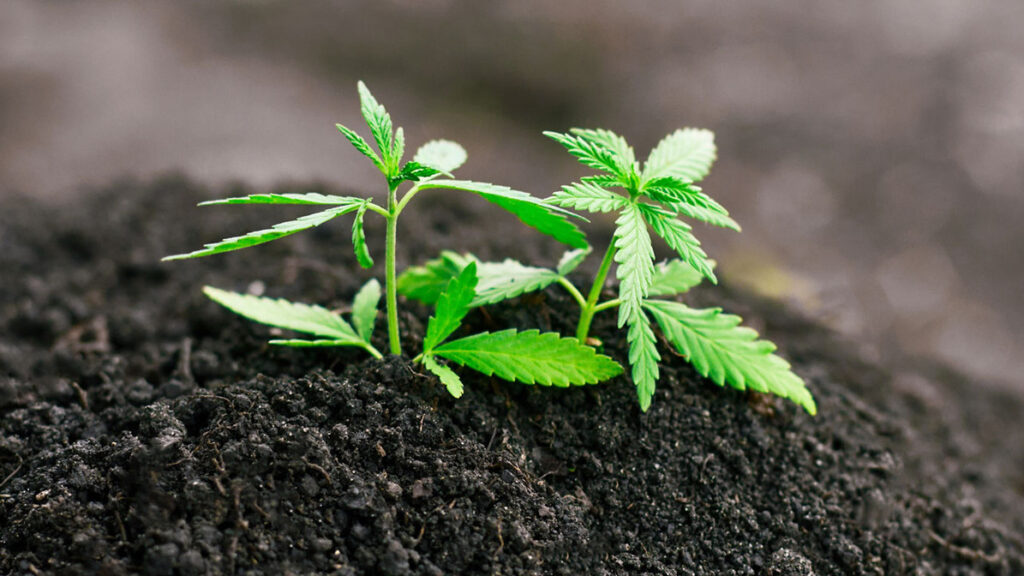
Soil growing is the traditional method of cultivating plants, where cannabis roots grow in natural or prepared soil. Soil acts as both a support medium and a reservoir for water and nutrients, releasing them gradually to the plant.
Key Components of Soil Growing:
- Soil Quality: A mix of organic material, minerals, and nutrients tailored to the specific needs of cannabis plants.
- Nutrient Amendments: Organic or synthetic fertilizers are added to replenish the soil’s nutrients.
- Watering Practices: Water is added to the soil as needed, allowing the roots to absorb both water and nutrients.
- Lighting: Natural sunlight or artificial lighting is used, depending on indoor or outdoor settings.
- pH Control: Maintaining a pH of 6.0 to 7.0 is crucial for nutrient uptake.
Comparative Analysis: Hydroponic vs. Soil Growing for Medical Cannabis
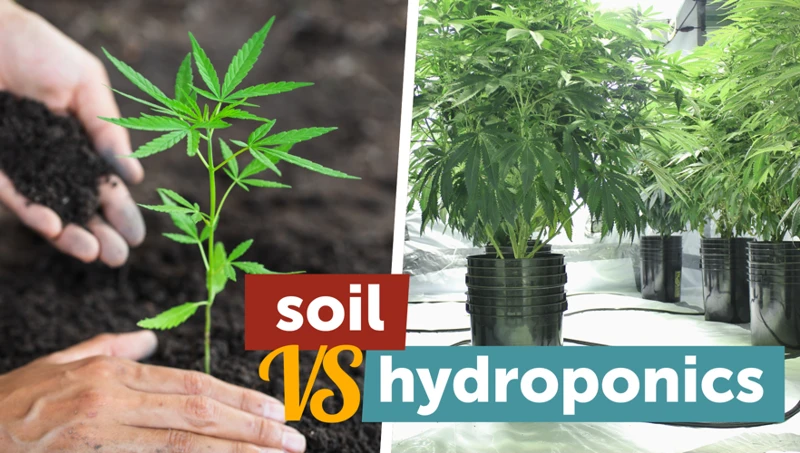
1. Nutrient Control and Efficiency
- Hydroponics: Provides precise control over the nutrient mix delivered to the plants. This is particularly beneficial for medical cannabis, where consistency in cannabinoid and terpene profiles is critical. Nutrient levels can be adjusted to optimize plant growth at different stages, leading to potentially higher yields and more predictable chemical compositions.
- Soil Growing: Nutrient control in soil is less direct. While organic soil mixtures can provide a rich source of nutrients, the availability and uptake of these nutrients depend on several factors, including microbial activity, soil structure, and pH levels. This can lead to variations in cannabinoid and terpene profiles, which might be less desirable for medical cannabis patients seeking consistency.
2. Growth Rate and Yield Potential
- Hydroponics: Typically offers faster growth rates due to the direct delivery of nutrients to the plant roots. The reduced growth cycle means more harvests per year, which is advantageous for medical cannabis growers aiming for a consistent supply. Additionally, hydroponic systems can produce higher yields per square foot, making them ideal for indoor growing where space is limited.
- Soil Growing: Generally, soil-grown cannabis plants grow more slowly compared to hydroponic methods. However, the growth rate can vary based on soil quality, climate, and other environmental factors. Yield per plant may be lower, but the slower growth allows for the development of more complex terpene profiles, which could be advantageous for certain medical conditions.
3. Quality and Terpene Profile
- Hydroponics: While hydroponic growing can yield high-potency cannabis with significant cannabinoid content, some argue that soil-grown plants produce a more complex and desirable terpene profile. Terpenes, the aromatic compounds in cannabis, contribute to its therapeutic effects. The rapid growth in hydroponic systems may not allow for the same level of terpene development seen in soil-grown plants.
- Soil Growing: The complexity of soil as a growing medium, which includes diverse microbial life, can enhance the terpene profile of cannabis plants. This may result in richer and more complex flavors and aromas, which can enhance the therapeutic experience for medical cannabis users. Some medical patients prefer soil-grown cannabis for this reason, particularly when treating conditions that benefit from a broad spectrum of cannabinoids and terpenes.
4. Environmental Impact
- Hydroponics: While hydroponic systems use water more efficiently than soil-based methods, they require significant energy inputs for pumps, lights, and climate control systems, especially in indoor settings. This can result in a higher carbon footprint, particularly if renewable energy sources are not used.
- Soil Growing: Soil cultivation is generally more sustainable, particularly in outdoor settings where plants can benefit from natural sunlight and rain. However, soil erosion, nutrient runoff, and the use of synthetic fertilizers can have negative environmental impacts. Organic soil practices, such as composting and permaculture techniques, can mitigate these effects and promote sustainability.
5. Cost Considerations
- Hydroponics: The initial setup cost for a hydroponic system is typically higher due to the need for specialized equipment, such as pumps, reservoirs, pH monitors, and high-intensity lights. However, the operational costs may be lower over time due to reduced water and nutrient use and higher yields.
- Soil Growing: Soil-based growing usually has lower initial costs, especially if using organic soil or growing outdoors. However, ongoing costs can accumulate due to the need for soil amendments, organic fertilizers, and additional water use.
6. Pest and Disease Management
- Hydroponics: The controlled environment of hydroponic systems reduces the risk of soil-borne pests and diseases. However, these systems are more susceptible to water-borne pathogens and require strict hygiene and monitoring to prevent outbreaks. Additionally, any imbalance in the nutrient solution can quickly affect the entire crop.
- Soil Growing: While soil-grown plants are more prone to soil-borne pests and diseases, soil’s natural microbial ecosystem can provide a degree of biological pest control. Organic soil methods often incorporate beneficial insects and microbes that help maintain plant health, reducing the need for chemical interventions.
7. Scalability and Space Utilization
- Hydroponics: Ideal for small-scale or urban environments where space is limited. Vertical farming and multi-tier systems maximize space use, making hydroponics particularly suitable for indoor medical cannabis growing.
- Soil Growing: Requires more space per plant due to the need for larger root systems and less efficient nutrient uptake. Outdoor soil cultivation is generally more suited for rural or suburban environments where space is not a constraint.
Case Studies and Practical Applications
Case Study 1: Hydroponics for Consistent Medical Supply
A medical cannabis grower in an urban environment uses a hydroponic system to cultivate strains specifically bred for pain relief and anti-inflammatory properties. The hydroponic setup allows for precise control over nutrient levels and pH, resulting in a consistently high concentration of CBD, a non-psychoactive cannabinoid known for its medicinal properties.
The grower can produce multiple harvests throughout the year, ensuring a constant supply to medical dispensaries. Patients requiring consistent dosages of CBD for chronic pain management benefit from the predictable potency of hydroponically grown cannabis. Moreover, the controlled environment reduces the risk of contamination, ensuring a purer product for patients with compromised immune systems.
Case Study 2: Soil Growing for Enhanced Terpene Profiles
An organic farm in a rural area chooses soil-based cultivation to produce cannabis strains with high levels of myrcene and linalool, terpenes known for their calming effects and potential to reduce anxiety and insomnia. The farm uses organic soil enriched with compost and beneficial microbes, which enhances the complexity of the terpene profile.
Patients seeking relief from anxiety and sleep disorders benefit from the broader spectrum of cannabinoids and terpenes produced by soil-grown cannabis. The farm’s commitment to organic practices also appeals to patients concerned about the potential side effects of synthetic nutrients or pesticides.
Choosing the Right Method for Your Medical Cannabis Plants
When deciding between hydroponic and soil-based growing for medical cannabis, consider the following factors:
1. Desired Therapeutic Profile
If consistency in cannabinoid content, such as CBD or THC, is your priority, hydroponics may be the best choice. This method offers precise control over nutrient levels, allowing for uniform production of active compounds across multiple harvests. However, if a broader spectrum of cannabinoids and terpenes is desired for treating complex conditions like anxiety or sleep disorders, soil-grown cannabis might be preferable.
2. Growing Environment and Resources
Evaluate your available space and resources. Hydroponics is ideal for indoor or urban growing environments with limited space, while soil cultivation may be better suited to outdoor environments or areas with ample space and natural resources.
3. Patient Needs and Preferences
Understand the needs and preferences of your patient base. Some patients may prefer the predictability of hydroponically grown cannabis, while others may seek the complex terpene profiles offered by soil-grown plants. Additionally, consider any specific health conditions that might make one method more beneficial than the other.
4. Environmental Impact and Sustainability Goals
If sustainability is a key concern, soil-based growing using organic practices may offer a lower environmental footprint. Nonetheless, hydroponics might be a more environmentally friendly option if conserving water is a top concern.
5. Budget and Cost Management
Take into account both the setup fees up front and continuing running costs. While hydroponic systems require a higher upfront investment, they may offer cost savings over time due to increased yields and efficient resource use. Soil-based growing may have lower initial costs, but the need for ongoing soil management and amendments can add up.
Restrictions on Growing and Using Cannabis in the Medical Field as a Last Resort
The use of cannabis in the medical field is subject to a range of restrictions and regulations that vary by country, state, and local jurisdiction. These regulations are designed to ensure the safety, efficacy, and appropriate use of cannabis for medical purposes while minimizing the potential for misuse or unintended psychoactive effects. The focus on using cannabis as a “last resort” is a common regulatory approach that emphasizes cautious and evidence-based use, particularly in vulnerable patient populations.
1. Defining “Last Resort” Use in Medical Cannabis
The concept of cannabis as a “last resort” in medical treatment generally means that it is only prescribed when all other conventional therapies have been tried and found ineffective or unsuitable. This approach aims to balance patient access to potentially beneficial cannabis treatments with concerns about safety, potential side effects, and the lack of standardized dosages and formulations.
Key Aspects of “Last Resort” Use:
- Exhaustion of Other Options: Physicians may be required to demonstrate that they have considered and tried all other approved medical treatments before recommending cannabis.
- Special Authorization: In some jurisdictions, special authorization from a medical board or government agency may be necessary to prescribe cannabis, especially for certain conditions or patient groups.
- Documentation and Monitoring: Doctors must document the rationale for using cannabis as a last resort, including patient history, previous treatments, and expected outcomes. Regular monitoring and follow-up are required to assess effectiveness and safety.
2. Specific Restrictions on Medical Cannabis Growing
Medical cannabis cultivation is heavily regulated to ensure that it meets strict quality standards suitable for medical use. Restrictions on growing include:
- Licensing Requirements: Growers must obtain specific licenses or permits from regulatory authorities, such as the U.S. Drug Enforcement Administration (DEA) in the United States or Health Canada in Canada. These licenses are granted based on stringent criteria, including security measures, cultivation practices, and product testing protocols.
- Quality Control Standards: Medical cannabis must be cultivated following Good Manufacturing Practices (GMP) to ensure consistent quality, potency, and purity. This involves rigorous testing for contaminants such as pesticides, heavy metals, mold, and microbial pathogens.
- Cultivation Limits: There are often limits on the number of plants that can be grown or the amount of cannabis that can be produced. These limits are intended to prevent diversion into the recreational market and ensure that supply meets medical demand.
3. Restrictions on the Use of Medical Cannabis
The use of medical cannabis is subject to a variety of restrictions, designed to ensure that it is used appropriately and safely for therapeutic purposes:
- Patient Eligibility Criteria: Regulations often specify the medical conditions for which cannabis can be prescribed. Commonly approved conditions include chronic pain, epilepsy, multiple sclerosis, and cancer-related symptoms. Some jurisdictions require patients to be registered in a medical cannabis program to receive cannabis-based treatments.
- Prescription and Dosage Controls: Only qualified healthcare professionals are authorized to prescribe medical cannabis. Dosage is often controlled and must be tailored to the patient’s specific medical needs. Some regions may also restrict the types of cannabis products that can be prescribed (e.g., CBD-dominant versus THC-dominant).
- Supply Chain and Dispensing Restrictions: Medical cannabis must be dispensed through licensed pharmacies, dispensaries, or healthcare facilities. This ensures that the product is sourced from approved growers and meets all quality standards. Direct sales or transfers between patients are typically prohibited.
- Restrictions on Minors and Vulnerable Populations: Special considerations and restrictions may apply to vulnerable populations, such as children, the elderly, pregnant women, or individuals with a history of substance abuse or mental health conditions. In many cases, cannabis can only be prescribed to minors with parental consent and under strict medical supervision.
Monitoring THC Levels in Medications to Prevent Psychoactive Effects
Tetrahydrocannabinol, or THC, is the main psychoactive ingredient in cannabis. Although it has several medical uses, including the treatment of pain, nausea, and stimulation of appetite, it can also have unfavorable psychotropic effects like euphoria, anxiety, and cognitive decline. THC levels in medicinal cannabis products must be monitored and kept under control in order to protect patients and avoid negative side effects.
1. Standardization of THC Levels in Medical Cannabis Products
- Defined THC Limits: Many jurisdictions set maximum THC concentrations for medical cannabis products. For example, in some countries, CBD oils or tinctures can only contain a minimal amount of THC (usually below 0.2% to 0.3%) to be considered non-psychoactive and safe for use by a broad range of patients.
- Labeling Requirements: The THC content of medical cannabis products must be appropriately labeled, typically in the form of a percentage or milligrams per dosage. This ensures that patients and healthcare providers can make informed decisions about the appropriate dosage and potential psychoactive effects.
- Batch Testing and Certification: Regulatory agencies often require batch testing of medical cannabis products to verify their THC content. This testing is conducted by accredited laboratories, and products that exceed THC limits may not be sold.
2. Methods for Monitoring and Controlling THC Levels in Medications
- Analytical Testing: Gas chromatography (GC) and high-performance liquid chromatography (HPLC) are standard analytical methods used to measure THC levels in cannabis products. These tests ensure that the products meet regulatory standards and are safe for medical use.
- Formulation Controls: Medical cannabis producers often use extraction and purification processes to control the THC content in their products. For example, CBD oils can be formulated to contain only trace amounts of THC, minimizing the risk of psychoactive effects.
- Microdosing Strategies: Giving tiny, regulated doses of cannabis to achieve therapeutic results without producing noticeable intoxicating effects is known as microdosing. This approach is increasingly being explored for medical applications, particularly for patients who are sensitive to THC or require long-term treatment.
3. Guidelines for Healthcare Providers
Healthcare providers play a critical role in monitoring THC levels in medical cannabis treatments:
- Patient Assessment: Before prescribing cannabis, healthcare providers must assess the patient’s medical history, current medications, and risk factors for psychoactive effects. This includes evaluating any history of substance use disorders, psychiatric conditions, or sensitivity to cannabinoids.
- Dosage Adjustments: Providers should start with the lowest effective dose of cannabis, particularly for patients new to cannabis-based treatments. Gradual titration may be necessary to find the optimal dose that provides therapeutic benefits without unwanted psychoactive effects.
- Regular Monitoring: To evaluate the efficacy of the treatment and the existence of any side effects, ongoing monitoring is crucial. Providers may use patient self-reports, standardized questionnaires, and follow-up visits to evaluate response to treatment.
- Patient Education: Educating patients about the potential risks and benefits of medical cannabis, including the possibility of psychoactive effects, is crucial. Patients should be informed about safe storage, dosing, and the need to avoid activities like driving while under the influence of cannabis.
In Conclusion
The use of cannabis in the medical field, whether for cultivation or treatment, is governed by a complex framework of regulations and restrictions designed to ensure patient safety, product quality, and effective therapeutic outcomes. Cannabis is generally reserved as a “last resort” treatment, employed only when conventional therapies have proven ineffective or unsuitable. This approach emphasizes cautious and responsible use, particularly given the potential for psychoactive effects associated with THC, the primary active compound in cannabis.
Cultivating medical cannabis—whether through hydroponic or soil-based methods—requires adherence to strict standards and quality controls to guarantee the consistent production of high-quality plants with predictable cannabinoid and terpene profiles. Choosing the best growing method depends on factors such as desired therapeutic outcomes, environmental impact, cost, and patient preferences. Both hydroponic and soil-based methods have unique advantages and challenges, but they must align with regulatory requirements to ensure the safety and efficacy of the final product.
THC levels in medicinal cannabis products must be closely monitored in order to avoid unintentional psychoactive effects, especially in susceptible groups. This involves defining THC limits, implementing rigorous testing protocols, and employing careful dosage management and patient education. Healthcare providers are central to this process, ensuring that cannabis is used appropriately, safely, and effectively for therapeutic purposes.
Overall, integrating cannabis into medical practice demands a balanced approach that considers both its potential benefits and risks. By adhering to established regulations, employing strict quality controls, and monitoring usage closely, the medical field can harness the therapeutic potential of cannabis while safeguarding patient health and well-being.
