Table of Contents
The Humboldt Headband cannabis strain is a hybrid that hails from the famed Humboldt County, California, known for producing some of the finest cannabis strains. Humboldt County is synonymous with premium-quality cannabis cultivation due to its ideal climate and rich soil. Humboldt Headband is a celebrated strain that has gained a reputation for its potent effects, earthy aroma, and balanced effects. This strain has a rich lineage, bred primarily from OG Kush and a variety of other cannabis genetics.
This comprehensive breakdown will cover Humboldt Headband’s genetics, recreational uses, medical benefits, and the scientific mechanisms behind its effects. It will also discuss the cultivation, appearance, and aroma of the strain, as well as the typical THC and CBD levels that users can expect from it.
1. Genetics and Lineage of Humboldt Headband
Humboldt Headband is a hybrid strain that is primarily sativa-dominant, although some variations may lean slightly toward indica depending on its cultivation and crossbreeding. The strain is a cross between OG Kush (a well-known Indica-dominant hybrid) and True OG or other hybrid varieties from the legendary Humboldt region, which is renowned for its excellent cannabis. Humboldt Headband’s precise genetics may vary depending on the breeder, but its dominant genetic features often reflect the rich, full-bodied potency of its OG lineage, fused with the effects that many users expect from a heady, uplifting hybrid.
- Genetic Breakdown:
- Type: Hybrid, predominantly sativa
- Lineage: OG Kush, True OG, and various Humboldt-region strains
This strain retains the strong earthy, piney, and citrus-like aroma that is typical of its OG Kush roots. The name “Headband” refers to the unique sensation that some users experience in which they feel a tight pressure around their forehead, akin to wearing a headband. This physical feeling is one of the signature effects of the strain, contributing to its reputation.
2. Appearance and Aroma of Humboldt Headband
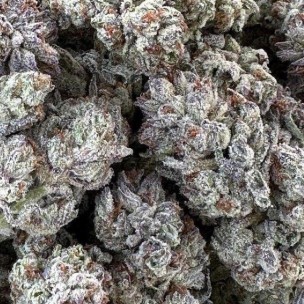
Humboldt Headband is visually striking and features dense, bright green buds that are often covered in a thick layer of trichomes. The pistils (hairs on the buds) are typically orange or amber, making the buds look vibrant. The leaves are usually darker green, contributing to the strain’s visually appealing profile. The buds can also have a slightly purple hue under certain conditions, especially if grown in cooler temperatures.
- Appearance:
- Dense, green buds with a layer of trichomes
- Amber-colored pistils
- Potential purple undertones under specific conditions
The aroma of Humboldt Headband is an enticing mix of earthy, citrusy, and piney scents, with a noticeable skunky undertone. It also carries a bit of a diesel-like fragrance, which is characteristic of its OG Kush lineage. When ground up, the aroma intensifies, providing users with a potent fragrance that can fill the room.
- Aroma:
- Earthy
- Piney and citrusy
- Skunky and diesel-like undertones
- Strong fragrance when ground
3. THC and CBD Content
Humboldt Headband is known for its potency, making it a popular choice for both recreational and medicinal users. The strain typically has a THC content ranging from 18% to 22%, although some versions may exceed 22%. The relatively high THC content is one of the reasons for the intense cerebral effects this strain provides.
- THC Content: 18-22%
- CBD Content: 0.1-0.2% (Low)
While the THC content is notably high, Humboldt Headband is not often sought after for its CBD content. It is not specifically bred for high-CBD medicinal uses but instead for its robust psychoactive effects. The low CBD content means that this strain may not offer as much of the anti-inflammatory or pain-relieving properties that higher CBD strains provide. However, the high THC levels contribute significantly to its psychoactive and therapeutic benefits.
4. Recreational Uses
Humboldt Headband is prized by recreational cannabis users for its balanced and potent effects. It delivers a smooth high that starts with a noticeable pressure around the head, which is often described as a “headband” effect. This sensation gradually transitions into a euphoric, uplifting experience. The effects are known to be cerebral and creative, making it an ideal strain for social situations or artistic activities.
- Effects:
- Headband Effect: A feeling of pressure or tightness around the forehead, which is characteristic of this strain.
- Euphoric: Provides users with a sense of happiness and contentment.
- Creative: Encourages focus and creativity, making it suitable for artistic tasks.
- Uplifting: Gives an energetic, feel-good high that is great for daytime use.
- Social: Encourages conversation and social interactions, making it perfect for group settings.
5. Medical Uses and Benefits
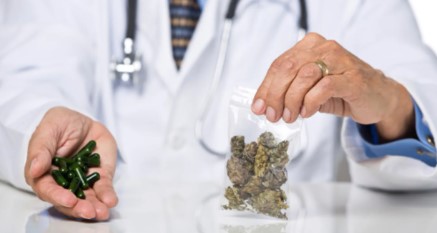
Humboldt Headband is not only popular among recreational users, but it is also sought after for its potential medicinal properties. While the strain is not commonly used as a primary treatment for medical conditions, its effects can provide relief for various ailments. The high THC content of this strain is beneficial for individuals seeking relief from conditions related to mood, pain, and stress.
Pain and Inflammation Relief
While Humboldt Headband is not a primary medicinal strain for pain, its strong THC content may provide relief for people suffering from chronic pain, migraines, and headaches. Some users report that the “headband” effect provides relief from tension headaches or migraines, helping to alleviate the pressure around the forehead. The uplifting effects may also help patients deal with pain in a more manageable way, as the euphoric feeling provides a temporary distraction.
Anxiety and Stress Relief
Humboldt Headband’s effects are also beneficial for patients experiencing stress, anxiety, and depression. The euphoric, mood-lifting qualities of this strain can help users feel more relaxed and content, effectively managing symptoms of anxiety. However, those prone to paranoia or anxiety from THC may want to use this strain in moderation, as its high potency can occasionally induce these effects, particularly if consumed in large quantities.
Appetite Stimulation
For patients who suffer from conditions like anorexia or nausea caused by chemotherapy treatments, Humboldt Headband may be beneficial due to its appetite-stimulating properties. The strain’s euphoric effects are often coupled with an increase in appetite, which is beneficial for individuals needing to regain their appetite.
Sleep Disorders
Although the strain is more commonly used for daytime activities due to its energetic and uplifting effects, some users report that it helps them relax enough to fall asleep at night. The effects are not overwhelmingly sedative, but the overall relaxation can aid in alleviating insomnia for some individuals. It may work best for those who have trouble winding down after a long day, as the strain promotes both physical relaxation and mental calmness.
6. Scientific Mechanisms Behind the Effects
The effects of Humboldt Headband are largely due to its chemical composition, primarily the high levels of THC. THC interacts with the endocannabinoid system (ECS) in the brain, which plays a crucial role in regulating a variety of physiological processes such as mood, pain, appetite, and memory. Specifically, THC binds to the CB1 receptors in the brain, triggering the release of dopamine, which contributes to the euphoric and uplifting effects commonly reported by users.
The “headband” effect, which many users report as feeling a tight pressure around the forehead, is thought to be linked to the high THC content and its interaction with cannabinoid receptors. It may be a result of increased blood flow to the brain or the way THC stimulates neural activity, producing sensations of pressure.
Furthermore, the terpene profile of Humboldt Headband also plays a significant role in its effects. The strain contains limonene, which is known for its citrus aroma and mood-lifting properties, as well as pinene, which contributes to its piney smell and may aid in alertness and focus. Myrcene, another common terpene in Humboldt Headband, can also have calming effects, promoting relaxation and mild sedation in larger doses.
- Key Terpenes:
- Limonene: Uplifting and mood-enhancing.
- Pinene: Helps with focus and alertness.
- Myrcene: Calming and relaxing, contributing to stress relief.
7. Cultivation and Growing Information
Humboldt Headband, like many cannabis strains, requires specific cultivation methods to ensure optimal growth, potency, and yield. Given its genetics, which are primarily sativa-dominant, Humboldt Headband has certain environmental, nutritional, and care requirements that growers need to follow. The strain can be cultivated both indoors and outdoors, but it is more commonly grown in regions with favorable climates, such as Humboldt County in California.
Here’s a more scientific breakdown of the methods and best practices for cultivating Humboldt Headband:
Climate Requirements
Humboldt Headband is well-suited to temperate and mild climates, particularly those found in coastal regions like Humboldt County, California. It thrives in areas with warm temperatures during the day (70-85°F or 21-29°C) and cooler temperatures at night (55-65°F or 13-18°C).
- Temperature: Ideal daytime temperature range is between 70-85°F (21-29°C). Temperatures above 90°F (32°C) may cause heat stress, while temperatures consistently below 60°F (15°C) can stunt its growth.
- Humidity: Humboldt Headband prefers moderate humidity levels (around 40-50% during the flowering stage). Too much humidity can promote mold growth and mildew, while low humidity may cause dehydration and hinder bud development.
Why This Climate? The moderate daytime warmth and cool nights mimic the natural environment of the strain’s homeland in Humboldt County, where the growing conditions favor both the quality and potency of cannabis. The cool nights help to develop the resin production on the buds, which is essential for the high THC content that Humboldt Headband is known for.
Indoor vs. Outdoor Growing
- Indoor Growing: Humboldt Headband can be grown indoors, but it requires proper lighting and temperature control to mimic the outdoor conditions of its natural environment. Many growers use a combination of HID (high-intensity discharge) lights, such as MH (metal halide) for vegetative growth and HPS (high-pressure sodium) lights for flowering. The flowering cycle typically lasts 8-9 weeks, so indoor growers must carefully monitor temperature, humidity, and light schedules to avoid stressing the plants.
- Lighting: A light cycle of 18 hours of light and 6 hours of darkness is used for vegetative growth, and a 12/12 light cycle is typically used to induce flowering.
- Ventilation: Proper airflow is crucial to prevent humidity-related issues like mold and mildew. This can be achieved with fans and an efficient ventilation system.
- Outdoor Growing: Outdoors, Humboldt Headband flourishes in regions with sunny, warm days and cool, dewy nights. Its typical growing season starts in early spring and continues through late fall, with harvest occurring around mid to late October.
- Best suited for: Mediterranean or coastal climates with long, sunny summers and relatively mild winters.
- Yield: Outdoor plants can grow very large, reaching up to 8 feet tall with proper care, and often produce higher yields than indoor grows. Depending on the environment and care, outdoor growers can expect a yield of 1.5 to 2 pounds per plant.
Soil and Medium
Humboldt Headband prefers well-drained, fertile soil that is rich in organic matter. The ideal pH for the soil is between 6.0 and 7.0, which is slightly acidic to neutral. For indoor cultivation, growers may opt for hydroponic systems, but soil-based cultivation is more common due to the natural qualities of the strain.
- Organic Soil: Rich, loose soil is preferred, and adding organic compost or worm castings can increase microbial activity, ensuring the plants receive the necessary nutrients. Ensuring that the soil drains well is key to preventing root rot.
- Coco Coir: Another popular medium for indoor growers, as it provides excellent water retention and aeration, encouraging healthy root growth.
- Hydroponic Systems: In hydroponics, a mixture of water and nutrients is used instead of soil. While Humboldt Headband can thrive in hydroponic systems, soil provides more flavor development due to its natural, earthy profile.
Why This Matters: Cannabis plants, including Humboldt Headband, require a balanced nutrient supply to grow strong and healthy. Nutrient deficiencies or imbalances in the soil can lead to stunted growth, poor flowering, or low resin production, which negatively impacts the potency of the buds.
Nutrient Requirements
Like other cannabis strains, Humboldt Headband requires a mix of macronutrients (nitrogen, phosphorus, and potassium) and micronutrients (magnesium, calcium, sulfur, etc.) throughout its growth cycle.
- Vegetative Stage: During the vegetative stage, the plant needs higher levels of nitrogen (N) to promote leafy growth and strong stems. Nutrient solutions or soil amendments should be rich in nitrogen during this phase.
- Flowering Stage: As the plant enters the flowering stage, nitrogen levels should be reduced, and phosphorus (P) and potassium (K) should be increased. Phosphorus encourages robust bud development and resin production, which is essential for a potent final product.
- Calcium and Magnesium: These micronutrients are important for cell structure and overall plant health, so they should be added throughout the growth cycle.

Why These Nutrients? The nutrient balance helps Humboldt Headband to produce dense buds full of trichomes (where the THC is stored) and ensures the plant grows efficiently. When grown in optimal conditions with the right nutrients, Humboldt Headband can produce buds that are potent, resinous, and rich in terpenes.
Training and Pruning Techniques
- Topping: Cutting off the main stem’s tip to encourage the plant to grow multiple colas (flowering sites), leading to a bushier plant with more flowering sites.
- Low-Stress Training (LST): Bending the branches to create an even canopy that maximizes light exposure to all areas of the plant.
- High-Stress Training (HST): More invasive than LST, this technique involves snapping branches or stems to encourage a bushier growth pattern, although it must be done carefully to avoid harming the plant.
Why Training? Training techniques are used to increase the overall yield of the plant by promoting more bud sites, improving light penetration, and encouraging more uniform growth. When properly trained, Humboldt Headband plants can grow wider, producing more potent buds per square foot.
Pest and Disease Management
Like any cannabis strain, Humboldt Headband is susceptible to pests and diseases, particularly when grown outdoors. Common pests include spider mites, aphids, whiteflies, and caterpillars. Fungal issues like powdery mildew and bud rot can also be a concern in high-humidity environments.
- Integrated Pest Management (IPM): This approach uses a combination of biological controls, like introducing beneficial insects (ladybugs or predatory mites), and physical barriers (such as mesh or nets).
- Organic Pesticides: Organic solutions like neem oil, diatomaceous earth, or insecticidal soap can help control pests without harming the plants.
- Airflow and Humidity Control: To prevent mold and mildew, growers should ensure proper airflow and ventilation, particularly in high-humidity areas.
Why This Matters? Controlling pests and diseases is essential to prevent damage to the plant and loss of yield. Infected plants can develop issues that affect their cannabinoid content, making them less potent and even unsafe to consume.
7. Harvesting and Curing
Humboldt Headband’s flowering period is typically around 8 to 9 weeks, and the buds will be ready for harvest when trichomes (the resin glands) turn from clear to milky white with some amber hues. Harvesting should occur when the trichomes are about 70-80% milky, as this ensures the highest THC content and optimal potency.
- Harvesting: Cut the plant at the base, trim off the fan leaves, and carefully remove the smaller leaves surrounding the buds (sugar leaves).
- Curing: After harvesting, the buds should be hung in a cool, dark, and well-ventilated space to dry. The ideal drying time is around 7-10 days. Once dried, the buds should be cured in jars for 2-4 weeks to enhance flavor, potency, and smoothness.
Why Curing? Curing allows the cannabis buds to break down chlorophyll and other residual compounds, improving the overall taste, aroma, and potency of the final product. Proper curing is crucial for preserving the full range of terpenes and cannabinoids, which are responsible for the strain’s effects.
Conclusion
Humboldt Headband is a hybrid cannabis strain known for its potency, balanced effects, and distinctive headband sensation. With its rich genetic lineage, including OG Kush, it offers a dynamic high that is both euphoric and creative, making it popular for recreational use. Medicinally, it provides relief for pain, anxiety, stress, and appetite loss, though it should be consumed cautiously due to its high THC content. With its unique aroma, visually appealing buds, and therapeutic properties, Humboldt Headband continues to be a favorite among both casual users and medical cannabis patients alike.
For a complete directory of cultivars, visit our Cannabis Strain Reviews.
