Table of Contents
Huckleberry is a captivating cannabis strain celebrated for its distinctive fruity aroma, versatile effects, and impressive growth characteristics. This hybrid strain, a well-balanced blend of indica and sativa genetics, has gained a dedicated following among cannabis enthusiasts for both recreational and medicinal purposes. In this detailed guide, we’ll explore Huckleberry’s origins, cultivation techniques, and its specific medical and recreational applications.
Origins and Genetics
Huckleberry is a hybrid strain often derived from the crossbreeding of two highly respected strains: Blueberry and an Afghani indica. Its lineage boasts robust genetics known for producing flavorful, resinous buds. The Blueberry parent lends its iconic fruity aroma and soothing effects, while the Afghani indica contributes to its hardiness, resin production, and deeply relaxing qualities. The result is a strain with a unique combination of sweetness and potency.
Huckleberry’s balanced genetic profile typically exhibits a 50/50 indica-sativa split, though phenotypes can lean slightly more towards one side depending on the breeder and specific cultivation methods.
Physical Characteristics
Huckleberry plants are visually stunning, boasting compact, dense buds covered in a frosty layer of trichomes. The coloration ranges from deep green to purples and blues, reminiscent of ripe huckleberries, which contributes to its name. Its pistils are often bright orange or red, creating a vibrant contrast against the darker foliage.
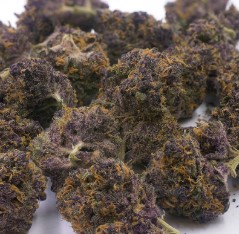
When cured properly, its buds are sticky to the touch and emit a delightful fragrance that combines sweet berries with subtle earthy undertones. The aesthetic appeal of the strain makes it a favorite among growers and dispensaries alike.
Cultivation Guide
Growing this strain cannabis requires a moderate level of expertise, making it suitable for cultivators with some experience. Here’s a breakdown of the essential aspects of cultivating this strain:
1. Growing Environment
This strain can thrive in both indoor and outdoor environments, but it particularly excels indoors where conditions can be controlled.
- Indoor Cultivation: Indoor setups allow growers to optimize temperature, humidity, and lighting, which are crucial for Huckleberry’s development. Growers should aim for temperatures between 68-78°F (20-25°C) during the vegetative stage and slightly cooler temperatures during flowering to encourage the development of its vibrant colors.
- Outdoor Cultivation: Outdoors, it flourishes in temperate climates with plenty of sunshine. It’s best suited for regions where the daytime temperature remains warm but not excessively hot. The strain is fairly resistant to pests and mold, making it a reliable choice for outdoor growers.
2. Soil and Nutrients
- Soil: Huckleberry performs well in nutrient-rich organic soil. Adding compost, bat guano, and other organic matter enhances its flavor profile by enriching the terpene production.
- Nutrients: During the vegetative stage, provide a nitrogen-rich nutrient mix. Switch to phosphorus and potassium-dominant fertilizers during flowering to maximize bud production and resin content.
3. Lighting
Full-spectrum LED lights are perfect for indoor growers. Its plants require 18-24 hours of light per day during the vegetative phase and during flowering, there should be 12 hours of darkness to encourage bud development.
4. Training Techniques
- Topping and Pruning: Regular pruning improves airflow and light penetration, while topping helps shape the plant and encourages multiple bud sites.
- Low-Stress Training (LST): This technique gently bends the branches to increase light exposure across the canopy, maximizing yields.
5. Flowering Time and Yield
It typically flowers in 8-10 weeks. Indoor plants yield approximately 12-16 ounces per square meter, while outdoor plants can produce 16–20 ounces per plant, contingent on the conditions of growth.
Aroma, Flavor, and Terpene Profile
Huckleberry’s terpene profile is dominated by myrcene, limonene, and pinene, which contribute to its unique sensory experience:
- Aroma: The strain boasts a sweet and tangy berry scent, reminiscent of fresh huckleberries and blueberries, with hints of earthiness and pine.
- Flavor: On the palate, it is a treat. It delivers a burst of juicy berry sweetness, balanced by herbal and slightly spicy undertones. The aftertaste often leaves a subtle tanginess that lingers pleasantly.
- Terpenes:
- Myrcene: Adds a musky, herbal aroma and is responsible for the strain’s relaxing effects.
- Limonene: Contributes to the citrusy tang and uplifting mood-enhancing properties.
- Pinene: Imparts a fresh pine scent and promotes mental clarity.
Effects and Potency
Huckleberry’s effects reflect its balanced genetics, making it a versatile choice for various occasions. THC levels typically range between 16-22%, with some phenotypes reaching even higher levels. The CBD content is generally low, often under 1%.
Recreational Effects
This strain offers a well-rounded experience that caters to both casual and seasoned users:
- Euphoria and Upliftment: The initial effects include a cerebral buzz that lifts the mood and inspires creativity. This makes it an excellent strain for social gatherings, artistic endeavors, or simply unwinding after a stressful day.
- Relaxation and Body High: As the high progresses, a gentle wave of relaxation envelops the body, soothing physical tension without inducing heavy sedation. This balance allows users to remain functional while enjoying a state of tranquility.
- Enhanced Sensory Perception: Huckleberry heightens sensory experiences, making music, food, and nature feel more immersive and enjoyable.
Medical Applications
It is also highly regarded for its medicinal properties. Relief from a number of ailments has been reported by patients, including:

- Stress and Anxiety Relief
- The uplifting and calming effects make it a go-to strain for managing stress, anxiety, and mild depression. Its moderate THC content avoids overwhelming users while still delivering noticeable relief.
- Pain Management
- The strain’s body-soothing properties are effective for alleviating chronic pain, muscle spasms, and arthritis. It’s particularly useful for patients seeking a balance between pain relief and mental clarity.
- Insomnia
- In higher doses, it can help promote restful sleep. The relaxing body high transitions seamlessly into sedation, making it beneficial for those struggling with insomnia or irregular sleep patterns.
- Appetite Stimulation
- Huckleberry is known to induce “the munchies,” which can be advantageous for individuals undergoing chemotherapy or dealing with appetite loss due to medical conditions.
- Headaches and Migraines
- The strain’s ability to reduce tension and improve mood has made it a popular choice for managing headaches and migraines.
Recreational Uses
This strain is celebrated among recreational users for its versatility. Whether you’re looking to unwind after work or enhance a social experience, this strain fits the bill. Here are some popular ways recreational users enjoy Huckleberry:
- Social Settings
- The uplifting and euphoric effects make it a great choice for gatherings with friends, parties, or outdoor adventures.
- Creative Pursuits
- Writers, artists, and musicians often turn to Huckleberry for inspiration. The cerebral stimulation encourages creative thinking while the relaxed body high prevents distractions.
- Outdoor Activities
- Huckleberry is an excellent companion for activities like hiking, picnicking, or exploring nature. Its heightened sensory effects make colors more vibrant and experiences more memorable.
- Relaxation
- For those seeking a mellow evening at home, Huckleberry pairs perfectly with a good book, movie, or soothing playlist.
Comprehensive Guide to Ingesting the Huckleberry Cannabis Strain
Huckleberry cannabis is prized for its versatility, not just in its effects but also in its range of ingestion methods. How you consume Huckleberry can significantly impact your experience, from the onset and duration of effects to how strongly its unique terpene profile comes through. Below, we’ll explore the various ingestion methods for Huckleberry and their respective benefits, considerations, and applications.
1. Smoking Huckleberry
Smoking is one of the most traditional and popular methods of consuming cannabis, including Huckleberry. The process entails burning the flower and breathing in the smoke.
How to Smoke Huckleberry
- Joints: Rolling ground Huckleberry buds into a joint or spliff provides a portable and easy way to consume it. The strain’s sweet, berry flavor comes through nicely, particularly with natural rolling papers.
- Pipes and Bowls: These devices allow you to pack small quantities of ground flower for a quick session. Glass pipes are especially good for preserving Huckleberry’s rich terpene profile.
- Bongs: Bongs filter smoke through water, providing a smoother experience and reducing harshness on the throat. They’re ideal for enjoying larger hits of Huckleberry without the discomfort that can come with other methods.
Pros of Smoking Huckleberry
- Fast Onset: Effects are felt within minutes, making it easy to control dosage.
- Flavor: Smoking delivers a robust flavor profile, highlighting the sweet berry and earthy undertones of Huckleberry.
- Social: Smoking is a communal activity, making it ideal for group settings.
Cons of Smoking
- Harshness: For some users, smoking can be irritating to the throat and lungs.
- Shorter Duration: The effects typically last 1-3 hours, requiring frequent consumption for prolonged relief.
2. Vaporizing Huckleberry
Vaporizing (or vaping) is a healthier alternative to smoking that involves heating the cannabis to a temperature at which terpenes and cannabinoids evaporate without burning.
How to Vaporize Huckleberry
- Dry Herb Vaporizers: These devices heat the ground Huckleberry flower to precise temperatures, ensuring you get the most out of its terpene profile.
- Concentrate Vaporizers: Huckleberry can also be processed into concentrates like wax or shatter, which are compatible with certain vape pens or dab rigs.
Pros of Vaporizing
- Healthier Alternative: Since no combustion occurs, vaping minimizes exposure to harmful byproducts like tar and carcinogens.
- Flavor Preservation: Vaping preserves Huckleberry’s terpenes, enhancing its fruity, earthy taste.
- Efficient: Vaporizers extract more cannabinoids and terpenes than smoking, maximizing the strain’s effects.
Cons of Vaporizing
- Initial Cost: High-quality vaporizers can be expensive upfront.
- Maintenance: To operate at their best, vaporizers need to be cleaned on a regular basis.
3. Edibles
Edibles are cannabis-infused foods or beverages that provide a discreet and long-lasting way to consume Huckleberry.
Common Huckleberry Edibles
- Cannabis-Infused Butter or Oil: Made by simmering Huckleberry flower in butter or oil, these infusions is suitable for cooking and baking.
- Pre-Made Edibles: Commercially produced gummies, chocolates, or beverages infused with Huckleberry’s cannabinoids are widely available in dispensaries.
- DIY Edibles: Huckleberry’s sweet, berry-like flavor makes it an excellent choice for homemade baked goods, smoothies, or candies.
Pros of Edibles
- Long-Lasting Effects: Edibles provide effects that can last 4-8 hours or more, making them ideal for long-term pain or sleeplessness relief.
- Discreet: Edibles are odorless and easy to consume in public.
- Potent: Edibles convert THC into 11-hydroxy-THC during digestion, which is more potent and longer-lasting than smoked or vaporized THC.
Cons of Edibles
- Delayed Onset: It may take 30 minutes to 2 hours for the effects to manifest, so harder to gauge dosage for beginners.
- Overconsumption Risk: It’s easy to consume too much if not measured carefully.
Tips for Edibles
- Start with a low dose (5-10 mg THC) and wait at least 2 hours before consuming more.
- Pair with fatty foods to enhance absorption and potency.
4. Cannabis Tinctures
Tinctures are liquid cannabis extracts made using alcohol or oil. They are highly versatile and can be ingested sublingually (under the tongue) or mixed into food and beverages.

How to Use Huckleberry Tinctures
- Sublingual Application: Place a few drops under your tongue for fast absorption into the bloodstream. Effects are typically felt within 15-30 minutes.
- Mixed in Food/Drinks: Add Huckleberry tincture to tea, smoothies, or even salad dressings for a more gradual onset.
Pros of Tinctures
- Fast Absorption: Sublingual use provides quicker effects than edibles.
- Precise Dosage: Tinctures come with droppers for easy measurement.
- Discreet: Odorless and portable, making them ideal for on-the-go use.
Cons of Tinctures
- Taste: Some tinctures may have a strong herbal flavor that not everyone enjoys.
- Cost: High-quality tinctures can be pricey compared to other methods.
5. Dabbing
Dabbing involves the use of cannabis concentrates like wax, shatter, or live resin. This method delivers a potent hit of cannabinoids and terpenes, making it popular among experienced users.
How to Dab Huckleberry
- Use a dab rig or a dab pen to vaporize Huckleberry concentrates. The process involves heating a nail or chamber to high temperatures and inhaling the vaporized concentrate.
Pros of Dabbing
- High Potency: Dabbing delivers a concentrated dose of THC, ideal for heavy users or those with high tolerance.
- Rich Flavor: Concentrates preserve and amplify Huckleberry’s sweet and tangy terpene profile.
- Fast Effects: Effects are immediate, making it great for pain relief or stress management.
Cons of Dabbing
- High Tolerance Required: Dabbing may be too intense for beginners.
- Expensive Equipment: Dab rigs and concentrate products can be costly.
- Complex Process: Requires more preparation and care compared to other methods.
6. Topicals
Topicals are oils, balms, or creams that are applied directly to the skin and contain cannabis. While they don’t induce psychoactive effects, they are highly effective for localized relief.
How to Use Huckleberry Topicals
- Apply the product to the affected area, such as sore muscles or inflamed joints, and massage it in gently.
Pros of Topicals
- Localized Relief: Targets specific areas of pain or inflammation without affecting the whole body.
- Non-Psychoactive: Ideal for users who want therapeutic benefits without getting high.
- Skincare Benefits: Many topicals include moisturizing and anti-inflammatory ingredients.
Cons of Topicals
- Limited Use: Not suitable for those seeking systemic or psychoactive effects.
- Variable Potency: Effectiveness depends on the formulation and cannabinoid concentration.
7. Capsules
Capsules are pre-measured doses of cannabis oil or decarboxylated flower enclosed in pill form. They provide a consistent and discreet method of consumption.
How to Use Huckleberry Capsules
- Like any other pill, swallow the capsule with water. Effects typically onset within 30 minutes to 2 hours, similar to edibles.
Pros of Capsules
- Precise Dosing: Each capsule contains a consistent amount of cannabinoids.
- Discreet: No odor or paraphernalia required.
- Long-Lasting: Effects are similar to edibles, lasting 4-8 hours.
Cons of Capsules
- Delayed Onset: Takes time to feel the effects.
- Cost: Capsules can be pricier than raw flower or concentrates.
8. Beverages
Cannabis-infused beverages are an emerging trend, offering a flavorful and refreshing way to consume cannabis. Huckleberry’s berry-forward profile makes it an excellent candidate for infused drinks.
Common Huckleberry Beverages
- Tea and Coffee: Add tincture or infused honey for a soothing experience.
- Smoothies: Blend decarboxylated Huckleberry flower or tincture with fresh fruits for a healthy, flavorful treat.
- Pre-Made Drinks: Cannabis-infused sparkling waters, sodas, or cocktails.
Pros of Beverages
- Variety: Beverages offer endless creative possibilities.
- Gentle Onset: Effects come on gradually and last for several hours.
- Hydration: Combines cannabis consumption with hydration.
Cons of Beverages
- Low Potency: Beverages are often less potent than other edibles or concentrates.
- Delayed Onset: It might take longer for effects to appear.
Choosing the Best Method for Huckleberry
Your ideal method of consuming Huckleberry depends on your personal preferences, desired effects, and level of experience. Here’s a quick guide to match methods to goals:
- Fast Relief: Smoking, vaping, or dabbing.
- Discreet Use: Capsules, tinctures, or edibles.
- Flavor Experience: Vaporizing or beverages.
- Sustained Relief: Edibles or capsules.
- Localized Treatment: Topicals.
By understanding the nuances of each method, you can tailor your Huckleberry experience to suit your needs and maximize its therapeutic and recreational benefits.
Tips for Enjoying Huckleberry
- Dosage: Start low and go slow, especially for novice users. The balanced effects can become overwhelming in high doses.
- Pairing: Huckleberry’s flavor profile complements sweet and savory foods. Try pairing it with chocolate, fruit, or cheese for a gourmet experience.
- Method of Consumption:
- Smoking: Brings out its rich berry flavor.
- Vaporizing: Preserves the terpenes, offering a cleaner taste.
- Edibles: Infusing Huckleberry into oils or butter creates delicious treats with long-lasting effects.
Conclusion
Huckleberry is a well-rounded cannabis strain that combines exceptional flavor, balanced effects, and significant medicinal benefits. Its ability to uplift the mind and relax the body makes it a versatile choice for both recreational and medical users. While it requires some cultivation experience, the rewards are worth the effort for growers seeking a robust, flavorful strain with wide-ranging applications.
Whether you’re looking to spark creativity, relieve chronic pain, or simply enjoy a flavorful smoke, Huckleberry stands out as a strain that delivers on all fronts. Its harmonious blend of genetics, coupled with its sensory and therapeutic appeal, ensures it will continue to be a mainstay in the cannabis industry for many years to come.
For a complete directory of cultivars, visit our Cannabis Strain Reviews.
