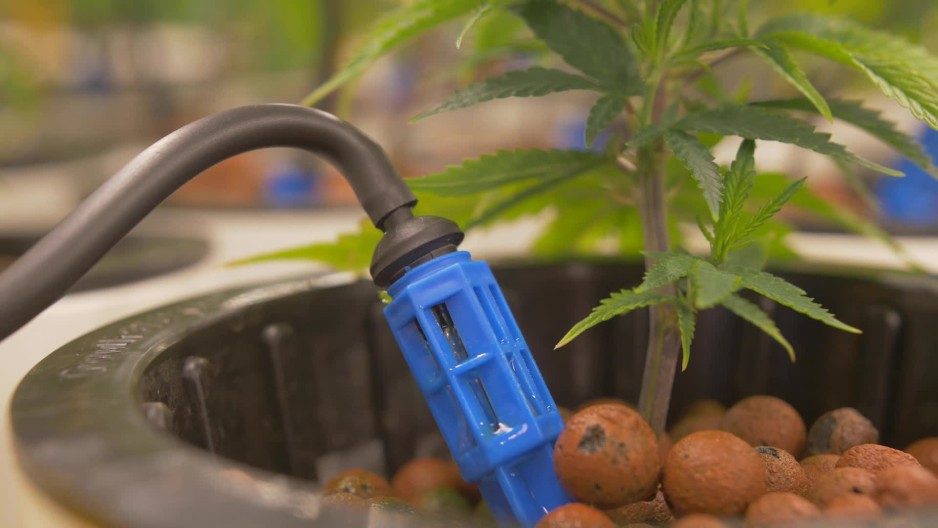
How to Water Cannabis Plants in Hydroponic Systems: A Detailed Guide
Hydroponic systems offer a soilless method to grow cannabis, providing more control over nutrient delivery and potentially faster growth rates. Watering is a critical component of hydroponics, as it involves not just providing moisture, but also delivering nutrients directly to the plant roots. This detailed guide will cover all aspects of watering cannabis plants in hydroponic systems, including system setup, water quality, nutrient management, watering schedules, and troubleshooting common issues.
Understanding Hydroponic Systems
Hydroponic systems offer a soilless method of growing plants, including cannabis, where the roots are exposed to a nutrient-rich water solution. This method provides greater control over nutrient delivery, leading to potentially faster growth rates and higher yields. To effectively water cannabis plants in hydroponic systems, it is crucial to understand the various types of hydroponic systems, as each has unique requirements and benefits. Below is an in-depth look at the different types of hydroponic systems commonly used for growing cannabis.
1. Deep Water Culture (DWC)
Deep Water Culture (DWC) is one of the simplest forms of hydroponics. A fluid rich in nutrients is immersed in the roots of the plants in a DWC system. An air pump provides oxygen to the water, preventing root rot and ensuring the plants receive adequate oxygen.
Key Features:
- Reservoir: A container filled with nutrient solution where plant roots are submerged.
- Net Pots: Containers that hold the plants and allow roots to grow through the bottom into the nutrient solution.
- Air Pump and Air Stones: These provide oxygen to the water, preventing the roots from suffocating.
Benefits:
- Simple to set up and maintain.
- Continuous nutrient availability to plant roots.
- Rapid growth due to constant access to nutrients and oxygen.
Considerations:
- Requires regular monitoring of water levels and nutrient concentration.
- Potential for root rot if oxygenation is inadequate.
2. Nutrient Film Technique (NFT)
Nutrient Film Technique (NFT) involves a thin film of nutrient solution that flows over the plant roots, which are suspended in a channel. The roots absorb nutrients as the solution flows by, while the excess is recirculated back into the reservoir.
Key Features:
- Channels: Troughs or pipes where plant roots are suspended.
- Reservoir: Holds the nutrient solution and pumps it through the channels.
- Pump: transfers the fertilizer solution between the channels and the reservoir.
Benefits:
- Efficient use of water and nutrients.
- Continuous flow prevents nutrient stagnation.
- Oxygen is always available to roots.
Considerations:
- Risk of pump failure, which can lead to nutrient deprivation.
- Regular cleaning to prevent blockages and algae growth.
3. Ebb and Flow (Flood and Drain)
Rhythmic nutrient solution flooding and draining into the reservoir are the functions of Ebb and Flow systems. Both oxygen and nutrients are supplied to the roots by this cycle.
Key Features:
- Grow Tray: Holds the plants and is periodically flooded with nutrient solution.
- Reservoir: Stores the nutrient solution.
- Pump and Timer: Controls the flooding and draining cycles.
Benefits:
- Simple and effective for various plant sizes.
- Roots receive both nutrients and air exposure during cycles.
- Suitable for multiple plants in one system.
Considerations:
- Requires careful timing to prevent over or under-watering.
- Potential for mechanical failures in pumps or timers.
4. Drip System
A drip system drips fertilizer solution from a reservoir onto the base of every plant. The extra solution is gathered and turned around again.
Key Features:
- Drip Lines and Emitters: Deliver nutrient solution directly to the plant roots.
- Reservoir: Holds the nutrient solution.
- Pump: Moves the nutrient solution through the drip lines.
Benefits:
- Exact control over the distribution of nutrients to every plant.
- Suitable for a wide variety of plant sizes and types.
- Easy to scale for larger grows.
Considerations:
- Potential for emitter blockages.
- Regular monitoring of drip rates and solution levels.
5. Aeroponics
In aeroponics, plant roots are suspended in midair and misted with a nourishing solution. This method provides maximum oxygenation and efficient nutrient delivery.
Key Features:
- Mist Nozzles: Spray nutrient solution onto the roots.
- Reservoir: Holds the nutrient solution.
- Pump and Timer: Controls the misting intervals.
Benefits:
- Excellent oxygenation of roots.
- Rapid growth rates and high yields.
- Minimal use of water and nutrients.
Considerations:
- Requires precise control of misting intervals.
- High initial setup cost.
- Risk of nozzle blockages and pump failures.
Importance of Water Quality in Hydroponic Systems
Water quality is a critical factor in hydroponic systems, as it directly affects the health, growth, and yield of cannabis plants. Since hydroponics relies on water as the primary medium for delivering nutrients to the plants, ensuring the water is of high quality is essential. This section delves into the key aspects of water quality that hydroponic growers must consider, including pH levels, total dissolved solids (TDS), water source, and temperature.
1. pH Levels
The acidity or alkalinity of a solution is measured by pH, which has a big impact on how many nutrients are available to plants. Sustaining the ideal pH level in hydroponic systems is essential for maximum nutrient uptake.
Ideal pH Range:
- The ideal pH range for hydroponic cannabis is between 5.5 and 6.5.
- The majority of vital nutrients are easily obtainable by the plants at this range.
Monitoring and Adjusting pH:
- Keep a regular check on the pH of the nutrition solution using a trustworthy pH meter or pH test strips.
- Adjust the pH using pH up (alkaline) or pH down (acidic) solutions as needed.
- Always calibrate pH meters periodically to ensure accurate readings.
Impact of Incorrect pH:
- If the pH is too high (alkaline), nutrients like iron, manganese, and phosphorus become less available, leading to deficiencies.
- If the pH is too low (acidic), it can lead to toxicities of elements like manganese and boron, and deficiencies of calcium and magnesium.
2. Total Dissolved Solids (TDS)
Total Dissolved Solids (TDS) indicate the concentration of dissolved substances in the water, primarily nutrients. It is measured in parts per million (ppm) and provides an estimate of the nutrient strength in the solution.
Ideal TDS Range:
- For cannabis, the ideal TDS range varies with the growth stage:
- Seedlings: 400-500 ppm
- Vegetative Stage: 800-1000 ppm
- Flowering Stage: 1000-1200 ppm
Monitoring and Adjusting TDS:
- Use a TDS meter to measure the concentration of nutrients in the solution.
- Adjust nutrient strength based on TDS readings and plant needs. If TDS is too high, dilute with clean water. If too low, add more nutrients.
Impact of Incorrect TDS:
- Too high TDS can lead to nutrient burn, where excess salts damage the roots and leaves.
- Too low TDS results in nutrient deficiencies, stunting growth and reducing yield.
3. Water Source
The source of water used in hydroponic systems can significantly impact plant health. It’s essential to start with clean, contaminant-free water to avoid introducing harmful substances into the system.
Types of Water Sources:
- Tap Water: Often contains chlorine or chloramine and varying levels of dissolved minerals. It may require treatment before use.
- Reverse Osmosis (RO) Water: RO systems filter out most impurities, providing a clean slate for nutrient addition.
- Distilled Water: Free of impurities and minerals, similar to RO water.
- Rainwater: Generally low in dissolved solids but can contain organic contaminants.
Water Treatment:
- Dechlorination: If using tap water, dechlorinate it by letting it sit for 24-48 hours or using a dechlorinating agent.
- Filtration: Use carbon filters or RO systems to remove impurities and dissolved solids.
- Testing: Regularly test the water source for contaminants and mineral content.
4. Water Temperature
Water temperature affects both the solubility of oxygen in the water and the metabolic processes of the plants. Maintaining the correct temperature is vital for root health and overall plant growth.
Optimal Water Temperature:
- The ideal water temperature for hydroponic cannabis is between 65-70°F (18-21°C).
Monitoring and Controlling Temperature:
- Use a water thermometer to monitor the temperature of the nutrient solution.
- Employ chillers or heaters to maintain the optimal temperature range.
Impact of Incorrect Temperature:
- If the water is too warm (>75°F or 24°C), it can lead to decreased oxygen levels, promoting root rot and other pathogens.
- If the water is too cold (<60°F or 15°C), it can slow down nutrient uptake and root activity, stunting plant growth.
5. Dissolved Oxygen
The water’s dissolved oxygen (DO) content is essential for both promoting healthy root growth and averting root illnesses. Aeration guarantees that roots have enough oxygen, which encourages rapid growth.
Optimal DO Levels:
- Maintain dissolved oxygen levels above 5 mg/L for healthy root systems.
Methods to Increase DO:
- Air Stones and Pumps: Use air stones connected to air pumps to oxygenate the water.
- Water Movement: Ensure good circulation in the reservoir to prevent stagnation.
- Temperature Control: Cooler water holds more dissolved oxygen, so maintaining optimal water temperature helps increase DO levels.
Nutrient Solutions for Hydroponic Cannabis Cultivation
Nutrient solutions are the lifeblood of hydroponic systems, providing all the essential elements that cannabis plants need to grow, thrive, and produce high yields. Unlike soil, which can naturally contain a variety of nutrients, hydroponic systems rely entirely on the grower to provide a balanced and appropriate nutrient mix. This section covers the key components of nutrient solutions, how to mix and manage them, and tips for adjusting nutrient levels according to the growth stages of cannabis plants.
1. Components of Nutrient Solutions
A complete hydroponic nutrient solution contains a mix of macronutrients, secondary nutrients, and micronutrients. Each of these elements plays a vital role in plant development.
Macronutrients:
- Nitrogen (N): Essential for vegetative growth, leaf development, and chlorophyll production.
- Phosphorus (P): Crucial for energy transfer, root development, and flowering.
- Potassium (K): Important for water uptake, enzyme activation, and overall plant health.
Secondary Nutrients:
- Calcium (Ca): Strengthens cell walls, aids in root and leaf development.
- Magnesium (Mg): Essential part of chlorophyll that promotes photosynthesis.
- Sulfur (S): Integral part of amino acids and proteins, contributes to chlorophyll production.
Micronutrients:
- Iron (Fe): Vital for chlorophyll synthesis and enzyme function.
- Manganese (Mn): Involved in photosynthesis, nitrogen metabolism, and enzyme activation.
- Zinc (Zn): Important for growth hormone production and enzyme activity.
- Copper (Cu): Plays a role in photosynthesis, respiration, and enzyme function.
- Molybdenum (Mo): Essential for nitrogen fixation and enzyme function.
- Boron (B): Crucial for cell wall formation and stability.
- Chlorine (Cl): Necessary for osmosis and ionic balance.
2. Mixing Nutrient Solutions
Properly mixing and preparing nutrient solutions is critical to ensuring that cannabis plants receive the right balance of nutrients.
Steps to Mixing Nutrient Solutions:
- Start with Clean Water: Use RO or distilled water to avoid impurities that can affect nutrient uptake.
- Add Macronutrients: Begin by adding macronutrient concentrates to the water. These usually come in separate bottles (e.g., Part A and Part B).
- Add Secondary Nutrients: Mix in secondary nutrients according to the manufacturer’s recommendations.
- Add Micronutrients: Finally, add micronutrients. These are often included in a single concentrate.
- Check pH and EC/TDS: Adjust the pH to the ideal range (5.5-6.5) and measure the EC/TDS to ensure nutrient strength is appropriate.
- Stir Thoroughly: Ensure the solution is well-mixed to prevent any nutrient imbalances.
Nutrient Mixing Tips:
- Always add nutrients to water, not the other way around.
- Use separate measuring tools for each nutrient to avoid contamination.
- Add each component to the solution and stir until well combined.
3. Nutrient Management by Growth Stage
Different nutrients are needed by cannabis plants at different phases of their life cycle. Adjusting the nutrient mix accordingly can optimize growth and yield.
Seedling Stage:
- Nutrient Strength: Low (EC 0.5-0.7, TDS 400-500 ppm).
- Focus: High nitrogen for vegetative growth, moderate phosphorus for root development.
- Example Formula: 2-1-2 (N-P-K ratio).
Vegetative Stage:
- Nutrient Strength: Medium (EC 1.0-1.4, TDS 800-1000 ppm).
- Focus: High nitrogen for robust growth, balanced phosphorus and potassium.
- Example Formula: 3-1-2 or 4-2-3.
Flowering Stage:
- Nutrient Strength: High (EC 1.4-2.0, TDS 1000-1200 ppm).
- Focus: Increased phosphorus and potassium for flower development, reduced nitrogen.
- Example Formula: 1-3-2 or 2-4-4.
Late Flowering (Ripening) Stage:
- Nutrient Strength: High, then tapering off towards the end.
- Focus: High phosphorus and potassium, minimal nitrogen.
- Example Formula: 0-3-3 or 1-4-5.
- Flush: In the final week, flush the system with pure water or a flushing solution to remove residual nutrients and improve flavor.
Watering Schedules for Hydroponic Cannabis Cultivation
Watering schedules in hydroponic systems are crucial for ensuring that cannabis plants receive the right amount of water and nutrients at different stages of growth. Unlike soil-based systems, where watering intervals can be less precise, hydroponic systems require meticulous control to maintain optimal plant health. This section outlines watering schedules for various types of hydroponic systems, considering the specific needs of cannabis plants during their different growth stages.
Seedling Stage
During the seedling stage, cannabis plants are delicate and require careful management of water and nutrient delivery. Overwatering or under-watering can easily stress young plants.
Deep Water Culture (DWC):
- Water Level: Keep the water level just below the net pots so that the roots are in the water, but the base of the seedlings remains dry to prevent stem rot.
- Aeration: Ensure constant aeration with air stones to provide oxygen to the roots.
- Frequency: Continuous submersion with oxygenation.
Nutrient Film Technique (NFT):
- Flow Rate: Maintain a slow, steady flow of nutrient solution over the roots.
- Frequency: Continuous flow to keep roots moist but not submerged.
- Film Thickness: Thin nutrient film to avoid waterlogging.
Ebb and Flow (Flood and Drain):
- Flood Frequency: Flood every 2-3 hours for 15 minutes to ensure seedlings receive adequate moisture without over-saturation.
- Drain Time: Allow the tray to drain completely between floods to oxygenate the roots.
Drip System:
- Drip Frequency: Continuous low flow or frequent short bursts (every 2-3 hours) to keep the growing medium slightly moist.
- Flow Rate: Low to moderate to prevent oversaturation.
Aeroponics:
- Misting Frequency: Mist the roots every 5-10 minutes for 5-10 seconds.
- Droplet Size: Fine mist to ensure even coverage without excessive wetting.
Vegetative Stage
As cannabis plants enter the vegetative stage, their water and nutrient requirements increase. Proper management during this stage promotes robust growth and prepares the plants for flowering.
Deep Water Culture (DWC):
- Water Level: Increase water level to submerge more roots, ensuring they are well-oxygenated.
- Aeration: Maintain constant aeration.
- Frequency: Continuous submersion with oxygenation.
Nutrient Film Technique (NFT):
- Flow Rate: Increase the flow rate to provide more nutrients.
- Frequency: Continuous flow to support rapid growth.
- Film Thickness: Slightly thicker nutrient film to meet increased demands.
Ebb and Flow (Flood and Drain):
- Flood Frequency: Flood every 2 hours for 15-20 minutes to accommodate increased water and nutrient needs.
- Drain Time: Ensure complete drainage between floods.
Drip System:
- Drip Frequency: Increase drip frequency and duration (every 1-2 hours) to match the plants’ growth rate.
- Flow Rate: Moderate to high to support vegetative growth.
Aeroponics:
- Misting Frequency: Mist roots every 5 minutes for 5-10 seconds.
- Droplet Size: Fine mist to ensure even nutrient distribution.
Flowering Stage
During the flowering stage, cannabis plants require careful management of water and nutrients to support bud development and maximize yield. This stage demands adjustments to the nutrient solution and watering frequency.
Deep Water Culture (DWC):
- Water Level: Maintain high water level to keep roots submerged and oxygenated.
- Aeration: Ensure constant aeration.
- Frequency: Continuous submersion with oxygenation.
Nutrient Film Technique (NFT):
- Flow Rate: Maintain a steady flow of nutrient solution.
- Frequency: Continuous flow to provide consistent nutrient delivery.
- Film Thickness: Maintain thickness to match the plants’ nutrient uptake.
Ebb and Flow (Flood and Drain):
- Flood Frequency: Flood every 2-3 hours for 15-20 minutes.
- Drain Time: Ensure complete drainage between floods.
Drip System:
- Drip Frequency: Maintain frequent watering (every 1-2 hours), adjusting nutrient concentration for flowering.
- Flow Rate: High to support bud development.
Aeroponics:
- Misting Frequency: Mist roots every 5 minutes for 5-10 seconds.
- Droplet Size: Fine mist to ensure optimal nutrient absorption.
Late Flowering (Ripening) Stage
In the final stages of flowering, nutrient requirements change, and a careful approach to watering is essential to enhance bud quality and flavor.
Deep Water Culture (DWC):
- Water Level: Maintain water level and aeration.
- Aeration: Continue constant aeration.
- Frequency: Continuous submersion with oxygenation.
Nutrient Film Technique (NFT):
- Flow Rate: Maintain steady flow but begin reducing nutrient strength.
- Frequency: Continuous flow.
- Film Thickness: Maintain appropriate thickness.
Ebb and Flow (Flood and Drain):
- Flood Frequency: Flood every 2-3 hours, reducing nutrient concentration gradually.
- Drain Time: Ensure complete drainage between floods.
Drip System:
- Drip Frequency: Maintain frequent watering, gradually reducing nutrient strength.
- Flow Rate: Moderate to high, then taper off towards the end.
Aeroponics:
- Misting Frequency: Mist roots every 5 minutes, reducing nutrient concentration.
- Droplet Size: Fine mist.
Final Flush:
- Timing: In the last week before harvest, flush the system with pure water or a flushing solution to remove residual nutrients and improve the final product’s flavor and aroma.
- Duration: Flush for 7-10 days.
- Frequency: Follow the regular watering schedule with pure water
Monitoring and Adjustments
Regular monitoring and adjustments are key to successful hydroponic watering:
- pH and EC/TDS Levels: Check daily and adjust as necessary.
- Water Temperature: Keep within optimal range.
- Nutrient Solution: Change weekly to prevent buildup of salts and ensure fresh nutrients.
- Root Health: Inspect roots for signs of rot or disease. Healthy roots are white and firm.
- Plant Response: Observe plant health and growth. Adjust nutrient strength based on plant needs.
Troubleshooting Common Issues
pH Fluctuations
- Symptoms: Nutrient lockout, yellowing leaves, stunted growth.
- Solution: Use pH up/down solutions to stabilize pH. Regularly calibrate pH meters.
Nutrient Deficiencies/Toxicities
- Symptoms: Discolored leaves, poor growth, leaf spots.
- Solution: Adjust nutrient concentrations. Flush system with clean water if toxicity is suspected.
Root Rot
- Symptoms: Brown, slimy roots; foul smell; wilting plants.
- Solution: Improve aeration, reduce water temperature, use beneficial bacteria or hydrogen peroxide.
Algae Growth
- Symptoms: Green film on surfaces, reduced nutrient absorption.
- Solution: Block light exposure to nutrient solution, clean reservoirs and lines regularly.
Advanced Techniques
Recirculating Systems
- Benefits: Efficient use of water and nutrients, less waste.
- Considerations: Regular monitoring of nutrient solution to prevent imbalances.
Automated Systems
- Benefits: Precision in watering schedules, reduced manual labor.
- Considerations: Initial setup cost, potential for technical failures.
Use of Additives
- Root Enhancers: Promote healthy root growth.
- Beneficial Microbes: Protect against pathogens and improve nutrient uptake.
- pH Buffers: Stabilize pH levels.
Conclusion
Watering cannabis plants in hydroponic systems involves a precise balance of providing moisture and nutrients directly to the plant roots while maintaining optimal conditions for growth. This comprehensive guide has covered various aspects of hydroponic watering, from understanding different hydroponic systems and the importance of water quality to the intricacies of nutrient solutions and tailored watering schedules for different growth stages.
Understanding Hydroponic Systems
Hydroponic systems, such as Deep Water Culture (DWC), Nutrient Film Technique (NFT), Ebb and Flow, Drip Systems, and Aeroponics, each have unique requirements and benefits. Knowing the specifics of each system helps growers choose the right method based on their space, budget, skill level, and maintenance capacity.
Importance of Water Quality
Water quality is paramount in hydroponics. Ensuring the correct pH levels, Total Dissolved Solids (TDS), appropriate water source, and optimal temperature directly affects nutrient availability and plant health. Regular monitoring and adjustments prevent issues like nutrient lockout, deficiencies, toxicities, and root rot, leading to healthier plants and better yields.
Nutrient Solutions
Nutrient solutions provide essential elements required for cannabis growth. A balanced mix of macronutrients, secondary nutrients, and micronutrients tailored to each growth stage ensures optimal plant development. Proper mixing, monitoring, and adjusting nutrient solutions prevent deficiencies and toxicities, promoting vigorous growth and high-quality yields.
Watering Schedules
Tailored watering schedules for different growth stages—seedling, vegetative, flowering, and late flowering—are crucial for cannabis plants in hydroponic systems. Each stage has specific needs that must be met to ensure robust growth and maximize yields. Adjusting watering frequency, nutrient concentration, and maintaining aeration and temperature are key to successful hydroponic cultivation.
Overall Best Practices
- Regular Monitoring: Consistently check pH, TDS, and water temperature. Use reliable meters and calibrate them regularly.
- System Maintenance: Clean reservoirs, lines, and components to prevent algae and blockages. Make sure the water is circulated and aerated properly.
- Proactive Troubleshooting: Identify and address issues such as nutrient lockout, deficiencies, toxicities, and root diseases promptly.
- Adaptability: Adjust nutrient solutions and watering schedules based on plant response and environmental conditions.
By understanding and implementing these detailed practices, growers can harness the full potential of hydroponic systems to produce high-quality cannabis. The precision and control offered by hydroponics, when managed correctly, result in faster growth rates, higher yields, and healthier plants compared to traditional soil-based cultivation.
In conclusion, the success of hydroponic cannabis cultivation hinges on meticulous attention to water quality, nutrient management, and tailored watering schedules. Through diligent monitoring, regular maintenance, and proactive problem-solving, growers can achieve optimal plant health and maximize their yields, making hydroponics a highly effective method for cultivating cannabis.
