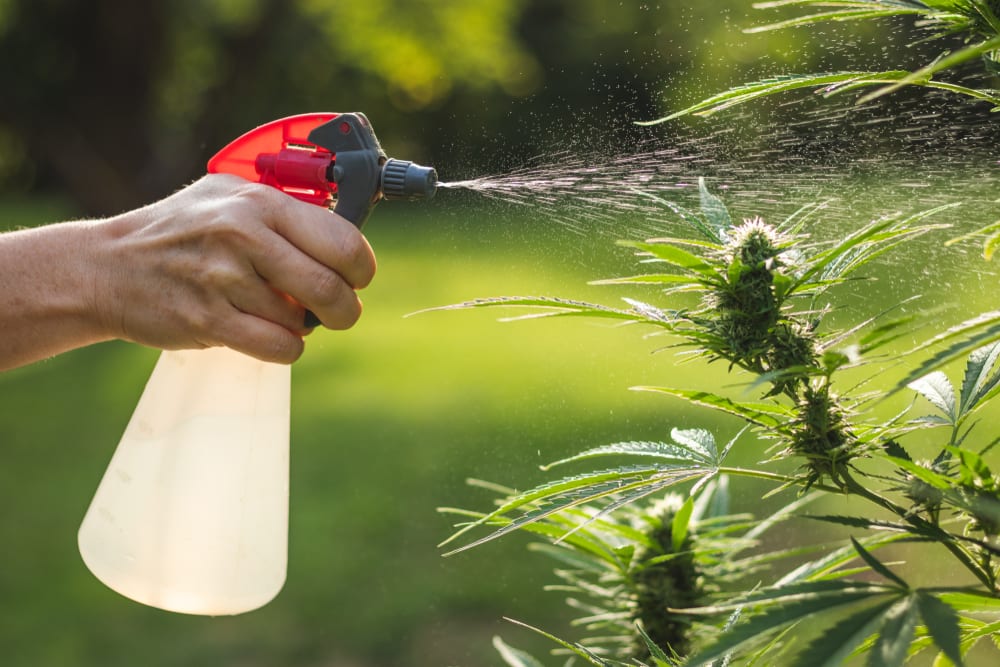
How to Use Pesticides to Prevent Infestation on Cannabis Plants
Growing cannabis plants can be a rewarding endeavor, but it comes with the challenge of protecting the plants from pests. Infestation by pests can significantly reduce the quality and quantity of the harvest. Using pesticides is one way to combat these pests, but it must be done correctly to ensure the safety and health of the plants and those who consume them. This detailed guide will cover the best practices for using pesticides on cannabis plants, including types of pesticides, application methods, and safety precautions.
Understanding Pests in Cannabis Cultivation
Cannabis plants are susceptible to a variety of pests that can significantly affect their health, growth, and yield. Understanding the types of pests that can infest cannabis plants is crucial for effective pest management. Here is an in-depth look at some common pests found in cannabis cultivation:
1. Aphids
Description: Aphids are tiny, pliable insects that come in a variety of colors, including green, black, brown, yellow, and red. They frequently gather near plant growth tips and on the undersides of leaves.
Damage: Aphids suck sap from the plant, which weakens it and can lead to yellowing, wilting, and stunted growth. Additionally, they expel a sticky material known as honeydew, which attracts pests and mold.
Control: Neem oil, insecticidal soaps, and introducing natural predators like ladybugs and lacewings can help control aphid populations.
2. Spider Mites
Description: Spider mites are tiny arachnids, often red or brown, that are difficult to see with the naked eye. They live on the undersides of leaves and produce fine webbing.
Damage: Spider mites suck plant juices, causing leaves to develop tiny yellow or white spots. Extensive infestations may result in the yellowing, drying out, and dropping of leaves.
Control: Regularly spraying plants with water to disrupt their habitat, using miticides, and introducing predatory mites can manage spider mite infestations.
3. Whiteflies
Description: Whiteflies are small, white-winged insects that feed on plant sap. They are typically found on the undersides of leaves and can fly when disturbed.
Damage: Like aphids, whiteflies excrete honeydew, which can lead to mold growth. They cause yellowing, wilting, and reduced plant vigor.
Control: Yellow sticky traps, insecticidal soaps, and natural predators like Encarsia formosa can help control whitefly populations.
4. Thrips
Description: Thrips are small, slender insects with fringed wings. They can be yellow, brown, or black and are often found on leaves and flowers.
Damage: Thrips puncture plant cells and suck out the contents, causing silvering or stippling on leaves. Severe infestations can lead to stunted growth and damaged buds.
Control: Blue sticky traps, insecticidal soaps, and introducing beneficial insects like predatory thrips can help manage thrip infestations.
5. Caterpillars
Description: Caterpillars are the larvae of moths and butterflies. They vary in color and size and can be found on leaves, stems, and buds.
Damage: Caterpillars chew on leaves, stems, and buds, causing significant physical damage to the plant. Their feeding can lead to reduced yields and increased susceptibility to diseases.
Control: Hand-picking, using Bacillus thuringiensis (Bt) products, and encouraging natural predators like birds and beneficial insects can help control caterpillar populations.
6. Fungus Gnats
Description: Fungus gnats are small, dark flies whose larvae feed on organic matter and plant roots in the soil. Adult gnats are often seen flying around the base of plants.
Damage: Larvae feed on plant roots, leading to poor plant health, yellowing, and stunted growth. Adult gnats can be a nuisance.
Control: Reducing soil moisture, using biological control agents like nematodes, and applying sticky traps can help manage fungus gnat populations.
7. Mealybugs
Description: Mealybugs are small, soft-bodied insects covered in a white, powdery wax. They cluster in sheltered areas of the plant, such as leaf axils and stem joints.
Damage: Mealybugs suck plant sap, causing yellowing, wilting, and stunted growth. Additionally, they expel honeydew, which can harbor mold.
Control: Neem oil, insecticidal soaps, and introducing natural predators like ladybugs and parasitic wasps can help control mealybug infestations.
8. Leaf Miners
Description: Leaf miners are the larvae of various insects that burrow into leaves, creating visible tunnels or mines.
Damage: The tunneling of leaf miners damages the leaf tissue, reducing photosynthesis and weakening the plant. Considerable leaf loss may result with severe infestations.
Control: Removing and destroying affected leaves, using sticky traps, and applying neem oil or spinosad can help manage leaf miner populations.
9. Root Aphids
Description: Root aphids are similar to aphids but target the roots of the plant. They are usually found in the soil around the plant’s root system.
Damage: Root aphids suck sap from the roots, causing yellowing, wilting, and poor plant growth. Plant diseases can also be spread by them.
Control: Soil drenches with insecticidal soaps, neem oil, or systemic insecticides can help control root aphid populations. Maintaining proper soil health and cleanliness is also crucial.
Types of Pesticides
Pesticides are critical tools in managing pests in cannabis cultivation. They can be categorized based on the target pest and their mode of action. Understanding the different types of pesticides and how they work is essential for effective pest control while minimizing harm to the environment and ensuring the safety of the cannabis crop.
1. Insecticides
Insecticides are designed to control insects that infest cannabis plants. They can be further classified into several types based on their mode of action:
- Contact Insecticides: These kill pests upon direct contact. They are effective for immediate knockdown of insect populations.
- Examples: Pyrethrins, neem oil, and insecticidal soaps.
- Usage: Apply as a foliar spray, ensuring thorough coverage of all plant surfaces.
- Systemic Insecticides: These are absorbed by the plant and kill pests when they feed on it. They provide long-lasting protection as they circulate within the plant.
- Examples: Imidacloprid and spinosad.
- Usage: Apply as a soil drench or foliar spray, depending on the product’s instructions.
- Insect Growth Regulators (IGRs): These stop insects from developing or procreating by interfering with their life cycle.
- Examples: Methoprene and pyriproxyfen.
- Usage: Apply as a foliar spray or in a bait form.
2. Miticides (Acaricides)
Miticides specifically target mites and ticks, which can be particularly troublesome in cannabis cultivation.
- Examples: Avid (abamectin), Floramite (bifenazate), and sulfur.
- Usage: Apply as a foliar spray, focusing on the undersides of leaves where mites often reside.
3. Fungicides
To manage fungi-related illnesses like powdery mildew and botrytis that might harm cannabis plants, fungicides are employed.
- Contact Fungicides: These remain on the surface of the plant and kill fungi upon contact.
- Examples: Sulfur, copper-based fungicides.
- Usage: Apply as a foliar spray, covering all parts of the plant susceptible to fungal infection.
- Systemic Fungicides: These are absorbed by the plant and provide internal protection against fungal diseases.
- Examples: Myclobutanil, propiconazole.
- Usage: Apply as a foliar spray or soil drench, depending on the product’s instructions.
4. Herbicides
Herbicides are used to control unwanted weeds that may compete with cannabis plants for nutrients and light. However, their use around cannabis plants is limited due to the potential for damage to the crop.
- Selective Herbicides: Target specific types of weeds without harming other plants.
- Examples: 2,4-D, clopyralid.
- Usage: Apply as a foliar spray or soil application, following the product’s guidelines.
- Non-Selective Herbicides: Exterminate every plant they come into contact with.
- Examples: Glyphosate, glufosinate.
- Usage: Use with caution around cannabis plants, applying directly to weeds.
5. Bactericides
Bactericides are used to control bacterial infections that can affect cannabis plants, such as bacterial blight.
- Examples: Copper-based bactericides, streptomycin.
- Usage: Apply as a foliar spray, ensuring thorough coverage of infected areas.
6. Biological Pesticides
Biological pesticides are derived from natural materials and are often considered more environmentally friendly. They include:
- Botanical Pesticides: Derived from plants and often have broad-spectrum activity.
- Examples: Neem oil, pyrethrins, rotenone.
- Usage: Apply as a foliar spray, following product-specific instructions.
- Microbial Pesticides: Contain microorganisms that target specific pests.
- Examples: Bacillus thuringiensis (Bt) for caterpillars, Beauveria bassiana for a variety of insects.
- Usage: Apply as a foliar spray or soil drench, depending on the pest and product.
- Mineral-based Pesticides: Derived from natural minerals.
- Examples: Diatomaceous earth, sulfur.
- Usage: Dust or mix with water for foliar application.
Selecting the Right Pesticide
When choosing a pesticide for cannabis cultivation, it’s important to take into account a number of aspects in order to ensure that pests are effectively controlled while also protecting consumers, the environment, and the health and safety of the plants. Here are the main actions to take and things to think about while choosing the best pesticide:
1. Accurate Pest Identification
The first and most crucial step in selecting the right pesticide is accurately identifying the pest causing the problem. Different pests call for different approaches to control them, and applying the incorrect pesticide can be hazardous and ineffectual.
- Visual Inspection: Regularly inspect plants for signs of pest activity, such as damaged leaves, discoloration, webbing, or visible insects.
- Pest Identification Guides: Utilize guides and resources specific to cannabis cultivation to identify pests correctly.
- Professional Help: If unsure, consider consulting a professional or sending samples to a lab for accurate identification.
2. Understanding Pest Life Cycle
Knowing the life cycle of the pest can help in selecting a pesticide that is effective at the right stage of the pest’s development.
- Egg Stage: Some pesticides target eggs, preventing them from hatching.
- Larval/Nymph Stage: Many pesticides are most effective against the immature stages of pests.
- Adult Stage: Certain pesticides are designed to kill adult pests or disrupt their reproduction.
3. Mode of Action
Understanding how a pesticide works is essential for effective pest control and resistance management.
- Contact Pesticides: Kill pests upon direct contact. Useful for immediate knockdown of pest populations.
- Systemic Pesticides: Absorbed by the plant and translocated throughout its tissues, providing long-term protection as pests feed on the plant.
- Insect Growth Regulators (IGRs): Disrupt the life cycle of insects, preventing them from maturing or reproducing.
4. Plant Growth Stage
The stage of plant growth can influence which pesticides are safe and effective to use.
- Vegetative Stage: Plants are more resilient, and a broader range of pesticides may be used.
- Flowering Stage: Caution is required as residues can affect the final product. Choose pesticides with shorter pre-harvest intervals and those approved for use during flowering.
5. Environmental and Health Impact
Consider the potential impact of pesticides on beneficial insects, soil health, water sources, and overall environmental safety.
- Beneficial Insects: Choose pesticides that are selective and have minimal impact on beneficial insects like pollinators and natural predators.
- Soil Health: Avoid pesticides that can harm soil microorganisms or degrade soil quality.
- Residue Levels: Ensure the pesticide does not leave harmful residues that can affect consumer health.
6. Regulatory Compliance
Ensure the pesticide is approved for use on cannabis in your jurisdiction. Regulations vary widely, and using non-approved pesticides can lead to legal issues and product recalls.
- Local Regulations: Check with local agricultural or regulatory bodies for a list of approved pesticides for cannabis.
- Label Instructions: Follow label instructions regarding dosage, application methods, and safety precautions strictly.
7. Resistance Management
To prevent pests from developing resistance to pesticides, it’s crucial to use them as part of an integrated pest management (IPM) strategy and rotate pesticides with different modes of action.
- Pesticide Rotation: Use pesticides from different chemical classes to reduce the risk of resistance.
- Integrated Pest Management: Combine chemical controls with cultural, mechanical, and biological methods for sustainable pest management.
Application Methods
Proper application of pesticides is crucial for their effectiveness and to ensure the safety of cannabis plants, the environment, and consumers. Different application methods are suitable for various types of pesticides and specific pest problems. Here are detailed descriptions of the primary pesticide application methods used in cannabis cultivation:
1. Foliar Sprays
Foliar spraying involves applying pesticides directly to the leaves and stems of the cannabis plants. This method is effective for contact insecticides, fungicides, and systemic pesticides that need to be absorbed through the plant’s foliage.
- Preparation:
- Mix the pesticide according to the manufacturer’s instructions, ensuring the correct concentration.
- Use clean water to prevent clogging of spray nozzles and ensure even distribution.
- Test the mixture on a small section of the plant first to check for any adverse reactions.
- Application:
- Use a fine mist sprayer to ensure thorough coverage of all plant surfaces, including the undersides of leaves where pests often hide.
- To prevent sunburn on leaves and to optimize absorption, spray in the early morning or late evening.
- To avoid drift and guarantee that the pesticide reaches the intended plants, apply during calm weather.
- Timing:
- Repeat applications as necessary, following the interval guidelines on the pesticide label.
- Avoid spraying during the flowering stage unless the pesticide is specifically approved for use during this period to prevent residue on buds.
2. Soil Drench
Soil drenching involves applying pesticide solutions directly to the soil around the base of the plants. This method is effective for systemic insecticides and fungicides that need to be absorbed through the roots.
- Preparation:
- Dilute the pesticide in water according to the manufacturer’s instructions.
- Ensure the soil is slightly dry before application to allow better absorption.
- Application:
- Pour the pesticide solution evenly around the base of the plants, ensuring it penetrates the soil and reaches the root zone.
- Avoid over-watering to prevent runoff and leaching of the pesticide.
- Timing:
- Apply when pest presence is detected or as a preventative measure at the recommended intervals.
- Avoid applying during periods of heavy rainfall to prevent dilution and runoff.
3. Root Drench
Root drenching is similar to soil drenching but is specifically targeted at pests that affect the plant’s roots, such as root aphids.
- Preparation and Application:
- Follow the same steps as soil drenching, ensuring the pesticide solution reaches the root zone.
- Timing:
- Apply as needed based on pest monitoring and detection.
4. Systemic Application
Systemic application involves using pesticides that are absorbed and translocated within the plant, providing internal protection against pests and diseases.
- Preparation:
- Mix the systemic pesticide with water according to the label instructions.
- Application:
- Apply as a soil drench or foliar spray, depending on the specific product.
- Ensure thorough application to allow the pesticide to be absorbed by the plant.
- Timing:
- Use as a preventative measure or when pests are first detected.
- Observe any pre-harvest intervals to ensure residues are within safe limits.
5. Dusting
Dusting involves applying powdered pesticides, such as diatomaceous earth or sulfur, directly to the plant surfaces. This method is effective against pests like mites and certain fungi.
- Preparation:
- Ensure the pesticide dust is fine and dry to prevent clumping and ensure even application.
- Application:
- Use a dust applicator to lightly coat the leaves and stems with the pesticide.
- Pay attention to places like the undersides of leaves and along stems where pests are frequently present.
- Timing:
- Apply in dry conditions to prevent the dust from clumping and ensure it adheres to the plant surfaces.
- Reapply as needed, especially after rain or heavy dew.
Aerosol and fogging applications involve dispersing pesticides in a fine mist or fog, which can cover a large area and penetrate dense foliage. This method is useful for treating large infestations quickly.
6. Aerosol and Fogging
- Preparation:
- Use a pesticide formulation designed for aerosol or fogging applications.
- Follow the manufacturer’s instructions for the appropriate dilution and equipment setup.
- Application:
- Use foggers or aerosol sprayers to disperse the pesticide evenly throughout the growing area.
- Ensure proper ventilation and safety measures are in place to protect workers.
- Timing:
- Apply when plants are not stressed, typically in the early morning or late evening.
- Follow up with additional treatments as needed based on pest pressure and monitoring.
7. Granular Application
Granular pesticides are applied directly to the soil and can provide long-lasting pest control as they slowly release the active ingredient.
- Preparation:
- Select a granular pesticide suitable for the target pest and soil conditions.
- Application:
- Spread the granules evenly over the soil surface, around the base of the plants.
- Water the area lightly to activate the pesticide and help it penetrate the soil.
- Timing:
- Apply according to the pest’s life cycle and environmental conditions.
- Reapply as recommended by the manufacturer to maintain effectiveness.
Safety Precautions
Using pesticides safely is crucial to protect yourself, others, and the environment:
- Personal Protective Equipment (PPE): Always wear appropriate PPE, such as gloves, masks, goggles, and long sleeves.
- Read Labels: Follow the instructions on the pesticide label regarding dosage, application method, and safety precautions.
- Storage: Store pesticides in a cool, dry place away from children and pets.
- Disposal: Dispose of unused pesticides and containers according to local regulations to prevent environmental contamination.
- Re-entry Interval (REI): Adhere to the recommended time before re-entering treated areas to avoid exposure.
- Harvest Interval: Observe the required time between the last pesticide application and harvesting the cannabis to ensure residues are within safe limits.
Integrated Pest Management (IPM)
While pesticides are an important tool, integrating them into a broader pest management strategy is most effective. Integrated Pest Management (IPM) combines cultural, mechanical, biological, and chemical methods to control pests sustainably.
- Cultural Controls: Practices that reduce pest establishment and spread.
- Sanitation: Keep growing areas clean and free of debris.
- Crop Rotation: Crop rotation can interfere with pest life cycles.
- Companion Planting: Plant pest-repellent species alongside cannabis.
- Mechanical Controls: Physical methods to remove or exclude pests.
- Hand-Picking: Remove visible pests by hand.
- Traps: Use sticky traps to monitor and reduce pest populations.
- Barriers: Install physical barriers to prevent pest access.
- Biological Controls: Use of natural predators, parasites, or pathogens to control pests.
- Beneficial Insects: Introduce predators like ladybugs and predatory mites.
- Microbial Agents: Use products containing beneficial microbes.
- Chemical Controls: Use of pesticides as a last resort.
- Selective Use: Apply pesticides selectively to target specific pests and reduce non-target impacts.
- Resistance Management: Rotate pesticides with different modes of action to prevent resistance development.
Monitoring and Record-Keeping
Effective pest management involves regular monitoring and detailed record-keeping:
- Regular Inspections: Regularly inspect plants for damage or indications of pests.
- Scouting: Systematically survey the growing area to detect early infestations.
- Record-Keeping: Maintain records of pest observations, pesticide applications, and plant health.
- Thresholds: Establish action thresholds to determine when pesticide application is necessary based on pest levels and plant health.
Specific Pesticide Recommendations
Here are some commonly used pesticides for cannabis plants:
- Neem Oil: A broad-spectrum botanical insecticide and fungicide.
- Targets: Aphids, spider mites, whiteflies, and mildew.
- Application: Foliar spray; apply every 7-14 days.
- Pyrethrins: Organic pesticides made from chrysanthemum blossoms.
- Targets: A wide range of insects, including aphids, thrips, and whiteflies.
- Application: Foliar spray; follow label instructions for frequency.
- Bacillus thuringiensis (Bt): A microbial insecticide targeting caterpillars and leaf miners.
- Application: Foliar spray; apply when larvae are young.
- Spinosad: A naturally derived insecticide from soil bacteria.
- Targets: Thrips, caterpillars, and spider mites.
- Application: Foliar spray; apply as needed.
- Sulfur: Effective against mites and fungal diseases.
- Application: Dust or wettable powder; avoid use in high temperatures.
- Horticultural Oils: Petroleum-based or plant-derived oils.
- Targets: Aphids, mites, whiteflies, and fungal spores.
- Application: Foliar spray; avoid use during extreme temperatures.
Conclusion
Effectively using pesticides to prevent infestations on cannabis plants is a multifaceted process that involves understanding the specific pests that threaten your crop, selecting the appropriate pesticide, and applying it correctly. This detailed approach not only ensures the health and productivity of the plants but also safeguards the environment and consumer safety.
By incorporating Integrated Pest Management (IPM) strategies, growers can use cultural, mechanical, biological, and chemical methods synergistically to control pests. Regular monitoring and diligent record-keeping play crucial roles in early detection and timely intervention, helping to minimize the reliance on chemical pesticides and reduce the risk of pest resistance.
Key takeaways for successful pesticide use on cannabis plants include:
- Accurate Pest Identification: Properly identify the pest to choose an effective pesticide.
- Appropriate Pesticide Selection: Consider the type, mode of action, and stage of plant growth.
- Correct Application Methods: Use foliar sprays, soil drenches, or systemic applications as needed, adhering to safety guidelines.
- Safety Precautions: Follow all safety instructions, including the use of Personal Protective Equipment (PPE) and adherence to re-entry and harvest intervals.
- Integrated Pest Management: Combine multiple control strategies for sustainable pest management.
- Regular Monitoring and Record-Keeping: Keep detailed records and regularly inspect plants for early signs of infestation.
By following these guidelines, cannabis growers can effectively manage pest infestations, ensuring healthy plants and high-quality yields. Proper use of pesticides, integrated with other pest management practices, leads to a more sustainable and productive cultivation environment, ultimately benefiting both the grower and the end consumer.
