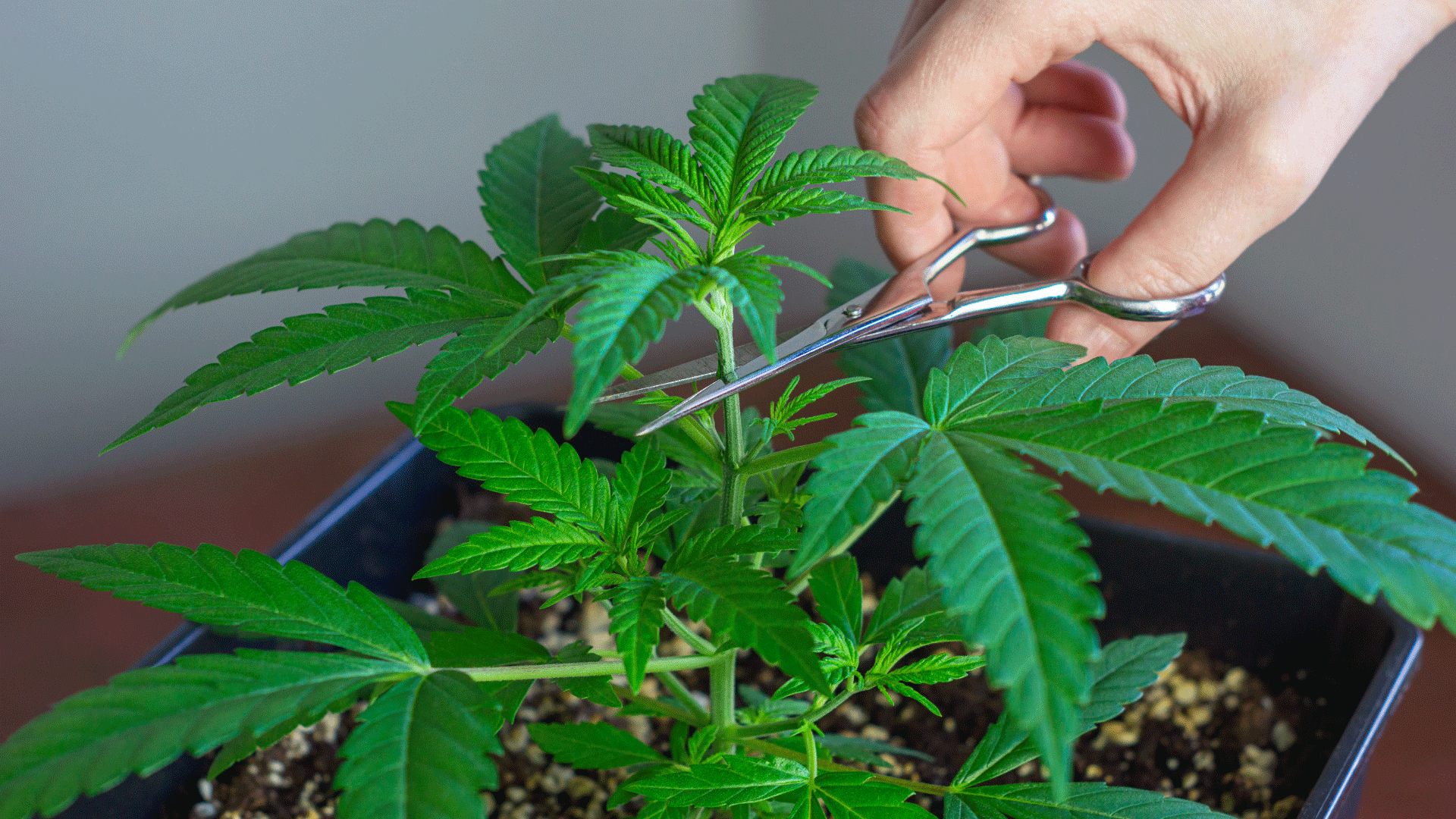
How to Top Cannabis Plants: A Comprehensive Guide
Topping cannabis plants is a high-stress training (HST) technique used to enhance growth, increase yields, and improve the overall structure of the plants. By removing the top portion of the plant, growers can encourage the development of multiple colas and a bushier canopy. This comprehensive guide will walk you through the process of topping cannabis plants, including the benefits, timing, tools, step-by-step instructions, advanced techniques, and troubleshooting.
Introduction to Topping Cannabis Plants
Topping is a horticultural practice that involves cutting off the top part of the cannabis plant to break apical dominance, encouraging the plant to grow more lateral branches. This results in a bushier plant with multiple main colas instead of one dominant main stem. The benefits of topping include increased yields, better light distribution, and more manageable plant height.
Benefits of Topping Cannabis Plants
- Increased Yield: Topping promotes the growth of multiple colas, leading to more bud sites and potentially higher yields.
- Bushier Growth: The technique encourages lateral branching, resulting in a more compact and bushy plant structure.
- Improved Light Distribution: A bushier plant can utilize light more effectively, ensuring even growth and healthier development.
- Height Management: Topping helps control the height of cannabis plants, making them easier to manage in indoor grow spaces or confined areas.
When to Top Cannabis Plants
Vegetative Stage
When the plant is actively growing during the vegetative stage, topping should be done. This time promotes vigorous development and enables the plant to bounce back swiftly from the stress of topping.
Ideal Timing
The optimal time to top your cannabis plant is when it has developed at least 4-6 nodes. Having adequate nodes before topping is essential to your plant’s recuperation and future growth. Nodes are the spots on the stem where branches sprout.
Tools Needed for Topping
- Sharp Scissors or Pruners: Ensure they are sterilized to prevent infection.
- Alcohol or Disinfectant: To sterilize your tools before and after use.
- Gloves: To keep the plant and your hands clean.
Step-by-Step Guide to Topping Cannabis Plants
1. Identify the Top Node
First, identify the highest node you want to keep. This is where you will make the cut. Typically, growers top their plants above the fourth or fifth node to encourage bushier growth.
2. Sterilize Your Tools
Using alcohol or a disinfectant, sterilize your scissors or pruners. This step is crucial to prevent any potential infection or disease from affecting your plant.
3. Make the Cut
Carefully cut the main stem just above the node you’ve selected. Ensure the cut is clean and precise to minimize stress on the plant.
4. Monitor the Plant
After topping, closely monitor your plant for any signs of stress or infection. The plant will take a few days to recover and will soon start showing new growth from the nodes below the cut.
Post-Topping Care
- Watering: Ensure the plant is adequately watered but not overwatered.
- Nutrients: Provide a balanced nutrient solution to help the plant recover and promote new growth.
- Light: Ensure the plant gets sufficient light, but avoid excessive light that can cause additional stress.
Common Mistakes to Avoid
- Topping Too Early: Ensure the plant has at least 4-6 nodes before topping.
- Using Dirty Tools: Always sterilize your tools to prevent infection.
- Over-Topping: Don’t top the plant too frequently. Allow it time to recover between toppings.
Advanced Techniques for Topping Cannabis Plants
FIMing (F***, I Missed!)
FIMing is a variation of topping where you remove about 75% of the top growth instead of the entire top. This technique can create more colas than traditional topping, potentially increasing your plant’s yield.
Topping Multiple Times
Experienced growers may top their plants multiple times to create an even bushier plant. This method should be done with care and ample recovery time between toppings to avoid over-stressing the plant.
Combining Topping with Other Training Methods
Low-Stress Training (LST)
Combining topping with LST can maximize your plant’s yield. After topping, gently bend and tie down branches to create an even canopy and improve light distribution.
Super Cropping
Super cropping involves bending and slightly damaging branches to promote stronger and more vigorous growth. In order to optimize the potential of their plants, experienced growers might combine this method with topping.
Managing Topped Plants in Different Environments
Indoor Growing
- Controlled Environment: Indoor growing allows for precise control over environmental factors like light, temperature, and humidity, aiding in the recovery process.
- Space Management: Topping helps manage vertical growth in confined spaces, making it ideal for grow tents or small rooms.
Outdoor Growing
- Natural Light: Outdoor plants benefit from natural sunlight but are exposed to varying weather conditions.
- Seasonal Timing: Outdoor growers should time topping to allow enough recovery before the flowering season begins.
Potential Problems and Solutions
Slow Growth After Topping
Solution: Ensure the plant has adequate nutrients and water. Adjust the light intensity if necessary and be patient, as recovery can take some time.
Infections or Disease
Solution: Always use sterilized tools and monitor the plant closely. Remove any infected parts immediately to prevent the spread of disease.
Excessive Stretching
Solution: Use training techniques like Low-Stress Training (LST) to control the plant’s height and encourage lateral growth.
Case Study: Successful Topping in a Home Grow
Setup
Indoor grow tent with LED lights, organic soil, and a balanced nutrient regimen.
Process
- Initial Topping: Topped the plant above the fifth node.
- Recovery: Monitored closely for stress and adjusted light intensity.
- Secondary Topping: Performed a second topping after 2 weeks of recovery.
- Training: Combined with LST to create an even canopy.
Results
The plant developed multiple colas and produced a significantly higher yield compared to an untopped control plant.
Extended Guide to Topping Cannabis Plants
Understanding Plant Anatomy
Before you start topping, it’s important to understand the basic anatomy of your cannabis plant:
- Main Stem: The central stem from which all other branches grow.
- Nodes: Points where branches extend from the main stem.
- Internodes: The spaces between nodes.
- Fan Leaves: Large leaves that help in photosynthesis.
- Colas: The flowering sites where buds develop.
The Science Behind Topping
Apical Dominance
Cannabis plants naturally exhibit apical dominance, where the main stem grows more vigorously than the side branches. Topping disrupts this dominance, allowing lateral branches to grow more vigorously.
Hormonal Changes
Topping alters the hormonal balance within the plant, specifically the distribution of auxins. Auxins are plant hormones that regulate growth. When the main top is removed, auxins are redistributed to the lower branches, promoting their growth.
Detailed Post-Topping Care
Nutrient Management
- Nitrogen: Crucial during the vegetative stage to support new growth. Ensure your nutrient mix has adequate nitrogen.
- Phosphorus and Potassium: Important for overall plant health and resilience. Balance these nutrients to avoid deficiencies.
Watering Practices
- Consistent Moisture: Make sure the soil is constantly damp but not soggy. While underwatering puts the plant under additional stress, overwatering might result in root issues.
- Drainage: Ensure your growing medium has good drainage to prevent water accumulation.
Light Management
- Intensity: After topping, avoid intense light for a few days to reduce stress. Gradually increase light intensity as the plant recovers.
- Duration: Maintain an 18/6 light cycle (18 hours of light, 6 hours of darkness) during the vegetative stage.
Advanced Techniques in Detail
FIMing (F***, I Missed!)
Execution: Instead of a clean cut, pinch or cut about 75% of the new growth at the top. This technique can produce multiple new tops (up to four), increasing the number of colas.
Recovery: FIMing can be less stressful than topping, but it requires precise execution to be effective.
Manifolding (Main-Lining)
Process:
- Initial Topping: Top the plant above the third node and remove all growth below.
- Secondary Topping: Once new growth appears, top each of the main branches above the second node.
- Training: Train the branches to grow horizontally, creating a “manifold” structure.
Benefits: Manifolding creates an even canopy and maximizes light exposure to all bud sites, leading to uniform growth and potentially higher yields.
Combining Topping with Other Training Methods
Low-Stress Training (LST)
- Technique: Bend and tie down branches to spread the plant’s canopy horizontally. This helps expose more bud sites to light and encourages bushier growth.
- Benefits: When combined with topping, LST can significantly increase the number of colas and overall yield.
Super Cropping
- Technique: Gently pinch and bend branches to create small internal damages. This stress encourages the plant to strengthen and grow more vigorously.
- Benefits: Super cropping can enhance the effects of topping by promoting even more robust lateral growth.
Topping in Different Growing Environments
Indoor Growing
- Controlled Environment: Allows for precise control over light, temperature, and humidity, making recovery easier.
- Space Management: Topping helps manage vertical growth in confined spaces, such as grow tents or rooms.
Outdoor Growing
- Natural Elements: Outdoor plants benefit from natural sunlight but can be exposed to varying weather conditions. Ensure plants are protected from extreme weather conditions during the recovery phase.
- Seasonal Timing: Outdoor growers should time topping to allow enough recovery before the flowering season begins.
Potential Challenges and Solutions
Slow Recovery
Challenge: Slow growth or delayed recovery after topping. Solution: Ensure optimal growing conditions, including proper nutrients, watering, and light. Allow the plant some time to acclimate by being patient.
Infections or Pests
Challenge: Increased risk of infections or pest infestations at the cut site. Solution: Keep the growing area clean and monitor for signs of disease or pests. Use organic pest control methods if necessary.
Over-Topping
Challenge: Excessive topping can lead to stunted growth and reduced yield. Solution: Limit topping to 1-2 times per plant and allow sufficient recovery time between toppings.
Case Study: Successful Topping in a Home Grow
Setup: Indoor grow tent with LED lights, organic soil, and a balanced nutrient regimen.
Process:
- Initial Topping: Topped the plant above the fifth node.
- Recovery: Monitored closely for stress and adjusted light intensity.
- Secondary Topping: Performed a second topping after 2 weeks of recovery.
- Training: Combined with LST to create an even canopy.
Results: The plant developed multiple colas and produced a significantly higher yield compared to an untopped control plant.
Conclusion
Topping cannabis plants is a valuable technique for any grower looking to maximize their yield and control the growth of their plants. By understanding the principles behind topping, timing it correctly, and providing proper post-topping care, you can achieve impressive results. Combining topping with other training methods can further enhance your plant’s growth and productivity, making it a cornerstone technique for successful cannabis cultivation.
By following this guide and paying attention to your plant’s needs, you can successfully implement this technique and enjoy a more bountiful harvest. Whether you are growing indoors or outdoors, topping can help you manage your plant’s growth, optimize light distribution, and ultimately enjoy a more productive harvest.

Larry Davis
Show pictures with the cropping techniques