
How to Test and Amend Soil Nutrient Levels for Medical Cannabis Cultivation
Growing medical cannabis is a highly nuanced and scientifically demanding process. For growers seeking to cultivate the healthiest plants that yield the highest therapeutic compounds, maintaining optimal soil nutrient levels is essential. Soil management plays a pivotal role in the quality, potency, and safety of medical cannabis. To achieve optimal growth, soil nutrient testing and amendments are necessary to support the unique needs of cannabis plants, particularly in medical contexts where purity and precision are paramount.
This comprehensive guide will cover the steps needed to test and amend soil nutrient levels for medical cannabis, emphasizing scientific rigor and best practices. It will focus on the most important nutrients for cannabis growth, the importance of balanced soil, and the precise methods for amending deficiencies and excesses to ensure safe and effective medicine for patients.
1. The Importance of Soil Health in Medical Cannabis
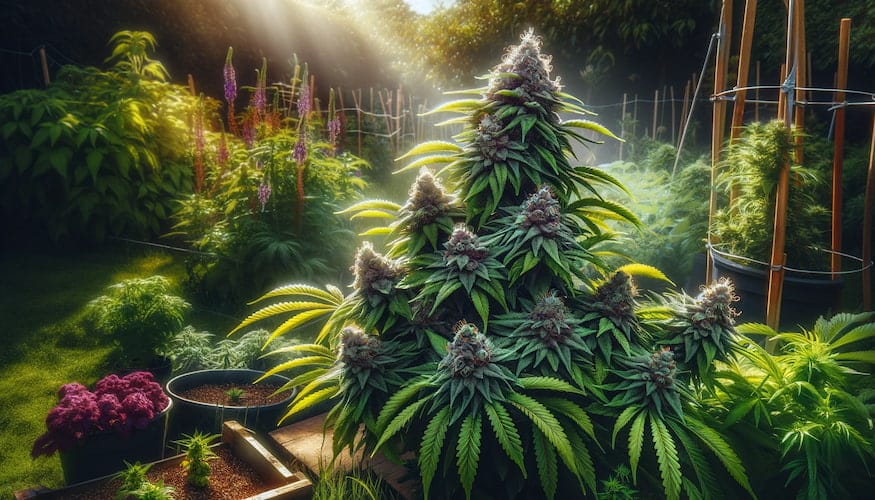
Soil is more than just a medium for supporting plant roots. It provides essential nutrients, moisture, and air exchange that allow plants to thrive. In the context of medical cannabis, soil health is particularly important because the quality of the soil directly impacts the plant’s ability to produce cannabinoids, terpenes, and other therapeutic compounds.
Healthy soil ensures that cannabis plants grow robustly and are less prone to pests and diseases, leading to a higher-quality product. A balanced nutrient profile in the soil also minimizes the risk of toxic build-up or contaminants, which could compromise the safety of the end product used by patients. As cannabis for medical purposes is often used to treat conditions like chronic pain, epilepsy, and nausea, ensuring that the plants are free from toxins and maximally effective is a priority.
2. Nutrients Essential for Medical Cannabis Growth
Before discussing the testing and amendment process, it’s important to understand the key nutrients cannabis plants require to grow successfully. Cannabis plants, like most other plants, need a range of macronutrients and micronutrients to complete their life cycle. However, medical cannabis, due to its specific chemical profile, demands that these nutrients be precisely balanced.
2.1 Macronutrients
Cannabis plants primarily depend on three macronutrients:
- Nitrogen (N): The growth of vegetation depends on nitrogen. It promotes leaf development, allowing the plant to photosynthesize efficiently. A deficiency in nitrogen typically results in stunted growth and yellowing leaves.
- Phosphorus (P): Phosphorus is important during the flowering stage. It encourages blossoming and helps establish robust roots. Cannabis plants with low phosphorus levels may show delayed flowering and underdeveloped buds, which would compromise medical potency.
- Potassium (K): Potassium helps in overall plant health and supports various plant functions, including water uptake, enzyme activation, and resistance to disease. It is essential throughout the plant’s life cycle but particularly crucial during the flowering stage.
2.2 Micronutrients
In addition to macronutrients, cannabis plants also require several micronutrients, although these are needed in smaller quantities. The most important micronutrients for medical cannabis include:
- Calcium (Ca): Calcium helps maintain strong cell walls and plays a vital role in root health and nutrient uptake.
- Magnesium (Mg): Photosynthesis and the synthesis of chlorophyll depend on magnesium. Interveinal chlorosis, in which the veins stay green but the leaves become yellow, can be brought on by a magnesium deficiency.
- Sulfur (S): Sulfur aids in protein synthesis and assists in the formation of essential oils and terpenes, which are important in the medical efficacy of cannabis.
- Iron (Fe), Zinc (Zn), Manganese (Mn), Copper (Cu), Boron (B), Molybdenum (Mo): These trace minerals are essential for various plant metabolic processes. Deficiencies or toxicities can severely affect plant growth and, more importantly, the development of therapeutic compounds.
3. Soil Testing: A Critical First Step
Before making any amendments to the soil, it’s essential to test it. Soil testing is a scientific process that reveals the levels of different nutrients present in the soil, pH balance, and organic matter content. Without soil testing, growers may inadvertently add too much or too little of certain nutrients, potentially harming the plants and reducing their medical efficacy.
3.1 Soil Sampling
To begin the soil testing process, growers need to take soil samples from the growing area. For medical cannabis, it’s important to take multiple samples from different parts of the grow space to get a representative understanding of the soil. The following steps outline the best practices for collecting soil samples:
- Tools Required:
- Soil probe or shovel
- Clean plastic container
- Gloves (preferably sterile to avoid contamination)
- Sampling Process:
- Choose at least 10 random spots throughout the grow area.
- Dig down 6-12 inches to collect the soil from the root zone.
- Combine samples in a clean container and mix them thoroughly to create a composite sample.
- Before submitting the dirt to a lab for analysis, let it dry.
3.2 Types of Soil Tests
There are several types of soil tests that can be conducted, each providing different insights into the soil’s health. For medical cannabis cultivation, the following tests are most commonly recommended:
- pH Testing: Cannabis prefers a slightly acidic soil with a pH between 6.0 and 7.0. pH testing is crucial because if the pH is outside this range, the plant’s ability to absorb nutrients will be compromised, even if those nutrients are present in the soil.
- Nutrient Analysis: This test determines the levels of important macro and micronutrients, such as calcium, magnesium, phosphorus, potassium, and nitrogen.
- Organic Matter Content: Organic matter in the soil helps retain moisture, provides nutrients as it decomposes, and supports beneficial microbial life.
- CEC (Cation Exchange Capacity): CEC is a measure of the soil’s ability to hold onto and exchange cations (positively charged ions). Soils with high CEC can retain nutrients more effectively, ensuring a more consistent nutrient supply to the plants.
- Heavy Metal Testing: Particularly in medical cannabis cultivation, it is critical to test for heavy metals such as lead, arsenic, and mercury, which can be absorbed by the plant and pose serious health risks to patients.
4. Amending Soil Nutrients Based on Test Results
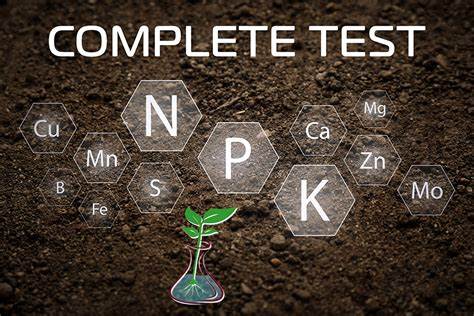
Once the soil test results have been analyzed, the next step is to amend the soil based on deficiencies or excesses in the nutrient profile. The key to effective soil amendment in medical cannabis cultivation is precision. Over- or under-amending the soil can lead to nutrient imbalances that affect plant health and the quality of the medicine.
4.1 Amending Macronutrient Deficiencies
- Nitrogen: Nitrogen deficiency is common, especially during the vegetative stage. To amend nitrogen-deficient soil, growers can add organic matter like compost, alfalfa meal, or blood meal. Synthetic options include ammonium nitrate or urea. Nitrogen overuse can result in lush foliage but poor bud development, so use it sparingly.
- Phosphorus: Phosphorus can be amended with bone meal, rock phosphate, or a high-phosphorus organic fertilizer. This is especially crucial when phosphorus is supporting the production of buds during the flowering period.
- Potassium: Potassium deficiencies can be corrected using kelp meal, wood ash, or potassium sulfate. Ensuring adequate potassium levels during flowering is essential for resin and terpene production, which are critical for medical cannabis.
4.2 Amending Micronutrient Deficiencies
- Calcium: Calcium can be added to the soil using agricultural lime or gypsum. Dolomitic lime is also effective, as it contains both calcium and magnesium. Adequate calcium levels prevent common issues like blossom end rot and improve cell structure.
- Magnesium: Magnesium deficiencies, often recognized by yellowing leaves, can be corrected with Epsom salts or dolomite lime. Magnesium is critical for chlorophyll production, ensuring robust photosynthesis and healthy plant growth.
- Sulfur: Sulfur is typically added in the form of elemental sulfur or gypsum. It is important for terpene production, which directly impacts the therapeutic value of the cannabis plant.
- Other Micronutrients: Deficiencies in trace minerals like iron, zinc, manganese, copper, and boron can be corrected using chelated micronutrient fertilizers or specific amendments such as iron sulfate or zinc oxide.
4.3 Amending pH Imbalances
If soil pH is outside the ideal range (6.0-7.0), it will need to be adjusted. In highly acidic soils, lime (calcium carbonate) can be used to raise the pH. For alkaline soils, sulfur or aluminum sulfate can be applied to lower the pH. It’s important to make pH adjustments gradually, as sudden changes can shock the plants.
5. Organic vs. Synthetic Amendments: Considerations for Medical Cannabis
For medical cannabis cultivation, many growers prefer to use organic soil amendments rather than synthetic fertilizers. Organic amendments, such as compost, bone meal, and fish emulsion, are often considered safer because they slowly release nutrients and promote microbial activity in the soil. This slow-release process reduces the risk of nutrient burn and toxic buildup, both of which can compromise the safety and effectiveness of the cannabis medicine.
Synthetic fertilizers, on the other hand, offer faster nutrient availability and can be more precise in addressing specific deficiencies. However, overuse of synthetic fertilizers can lead to salt buildup in the soil, negatively impacting plant health and potentially introducing harmful residues into the final product.
5.1 The Role of Microbial Life
One of the advantages of organic soil management is the promotion of beneficial microbial life. Microbes such as bacteria and fungi play a key role in breaking down organic matter into plant-available nutrients. In medical cannabis, healthy microbial life in the soil not only supports plant health but can also enhance terpene production, contributing to the therapeutic efficacy of the final product.
6. Monitoring and Ongoing Soil Management
After initial amendments, it’s important to regularly monitor soil health throughout the cannabis growth cycle. Growers can monitor nutrient levels and make additional modifications as necessary by routinely testing the soil every few weeks. For medical cannabis, this is particularly important, as nutrient deficiencies or toxicities that develop during flowering can negatively affect cannabinoid and terpene production, compromising the therapeutic potential of the plant.
6.1 Visual Indicators of Nutrient Deficiencies
While soil tests provide the most accurate information, growers can also look for visual indicators of nutrient imbalances in their cannabis plants. Some common symptoms include:
- Nitrogen Deficiency: Yellowing of older leaves and stunted growth.
- Phosphorus Deficiency: Purple or reddish stems and slow bud development.
- Potassium Deficiency: Yellowing and curling of leaf edges, especially on older leaves.
- Magnesium Deficiency: Interveinal chlorosis, where the areas between the veins of the leaves turn yellow.
- Calcium Deficiency: Crinkled or curled leaves, with dark spots on new growth.
6.2 Foliar Feeding as a Supplement
In some cases, growers may opt for foliar feeding to quickly correct nutrient deficiencies. This involves applying a diluted nutrient solution directly to the leaves, where it is absorbed more rapidly than through the roots. While foliar feeding can be effective, it should be used sparingly in medical cannabis cultivation, as it may introduce residues to the plant surface that could affect product purity.
7. Ensuring Purity and Safety in Medical Cannabis Cultivation
Prioritizing the final product’s safety and purity throughout the soil management process is essential. Clean, uncontaminated cannabis is essential for medical cannabis patients, particularly those with weakened immune systems or long-term illnesses. Therefore, any amendments made to the soil must be safe and free from harmful chemicals.
7.1 Avoiding Contaminants
Growers should be cautious about the source of their soil amendments, particularly with organic materials like compost and manure. These materials should be well-composted to avoid introducing pathogens or contaminants. Synthetic fertilizers should be used carefully to prevent toxic buildup in the soil.
7.2 Heavy Metal Testing and Remediation
Medical cannabis is often subject to strict regulatory testing for heavy metals. Regular soil testing should include heavy metal analysis, and any soil found to be contaminated should be remediated or replaced. Certain plants, such as sunflowers, are known to be effective at phytoremediation and can be used to help cleanse the soil of heavy metals before planting cannabis.
Restrictions on Growing and Using Cannabis in the Medical Field

1. Strict Licensing and Regulations
In the medical field, cannabis cultivation is tightly regulated. Only licensed facilities are permitted to grow cannabis for medical purposes. These facilities must comply with health and safety regulations, including maintaining proper sanitation, environmental controls, and security to ensure the integrity of the product.
2. Medical Use as a Last Resort
In many jurisdictions, medical cannabis is considered a treatment option of last resort. It is typically prescribed only when other conventional treatments have failed or are not tolerated by the patient. Medical professionals must carefully document that other treatments were ineffective before prescribing cannabis, often requiring consultation with specialists.
3. Monitoring THC Levels to Prevent Psychoactive Effects
Cannabis used for medical purposes often focuses on strains with low levels of THC (tetrahydrocannabinol) and higher levels of CBD (cannabidiol), which is non-psychoactive and can provide therapeutic benefits without inducing a “high.” Medical cannabis products are rigorously tested to ensure THC levels are within a specified range to avoid psychoactive effects, especially for vulnerable patients like children, the elderly, or those with psychiatric conditions.
4. Dosage Control and Patient Monitoring
Patients prescribed medical cannabis are closely monitored by healthcare professionals. Regular evaluations ensure that the medication is effective without causing unintended side effects. Dosages are carefully controlled, often starting low and gradually increasing to find the minimal effective dose, reducing the risk of psychoactive effects.
These restrictions and monitoring processes are designed to ensure that cannabis is used responsibly in the medical field, providing therapeutic benefits while minimizing any risks associated with its psychoactive properties.
Conclusion
Medical cannabis cultivation and use are subject to stringent regulations and scientific oversight, particularly due to its potential psychoactive effects and the need for precise therapeutic benefits. The success of medical cannabis as a treatment option hinges on the careful management of both cultivation practices and patient prescriptions.
The foundation of effective medical cannabis cultivation lies in managing soil health. By understanding the specific nutrient needs of cannabis plants, particularly in a medical context, growers can optimize plant health and therapeutic compound production. Soil testing allows for precise identification of nutrient deficiencies or toxicities, leading to targeted amendments that help produce clean, potent plants. Balancing macronutrients like nitrogen, phosphorus, and potassium, along with critical micronutrients such as calcium, magnesium, and sulfur, ensures that cannabis plants can develop fully and provide the highest-quality medicine.
However, beyond simply growing healthy plants, the medical application of cannabis introduces further considerations. Strict licensing requirements govern who can grow medical cannabis, where it can be grown, and how it must be processed. Medical cannabis is often seen as a last-resort treatment, prescribed only when other conventional treatments fail. This approach ensures that cannabis is used responsibly and in a manner consistent with the medical needs of patients.
One of the most important aspects of medical cannabis is the careful monitoring of THC levels to prevent its psychoactive effects. THC, the primary psychoactive compound in cannabis, can impair cognition and cause undesirable side effects, particularly in vulnerable patients. Therefore, medical cannabis formulations typically focus on strains with high CBD and low THC content. Regular testing of cannabis products ensures that THC remains within safe, therapeutic ranges.
Healthcare professionals play a critical role in this process by monitoring patients closely to ensure the medication is effective without causing unintended effects. Dosage is carefully controlled, starting with the lowest effective dose and increasing as needed, to minimize the risk of psychoactivity while providing relief for medical conditions.
In conclusion, growing medical cannabis and using it as a therapeutic tool requires precise management of soil nutrients, strict adherence to legal regulations, and careful monitoring of THC levels. By following these best practices, medical cannabis can be safely used as a last-resort treatment, providing patients with relief while minimizing any potential risks associated with psychoactive effects.
