Table of Contents
How to tell male from female cannabis plants
Cannabis is a dioecious plant species, meaning that individual plants are either male or female, although hermaphroditism can occur. This sexual dimorphism has profound implications for both recreational and medical cannabis cultivation. Female plants are prized for their resin-rich flowers containing cannabinoids like THC and CBD, while males are primarily valued for breeding purposes. Properly distinguishing the sexes early is critical to prevent unwanted pollination, which reduces the cannabinoid yield of female plants.
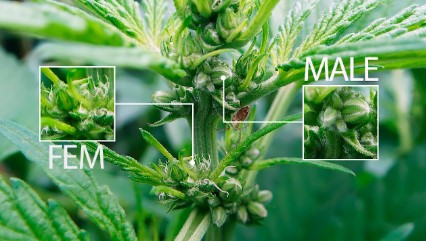
This guide covers the scientific principles and practical techniques used to identify cannabis plant sex, including anatomical, hormonal, genetic, and molecular differences, as well as cultivation implications.
Cannabis Plant Sex Biology
Dioecious Nature
Cannabis sativa L. is generally dioecious, though monoecious variants exist. Dioecy in cannabis involves sexual differentiation based on chromosomal inheritance—typically XX for females and XY for males, much like human sex chromosomes. This difference initiates divergent gene expression pathways and developmental outcomes.
Genetic Basis of Sex
The sex of a cannabis plant is genetically determined at seed. Several sex-linked markers have been identified, and sex-determining regions have been mapped on the Y chromosome. Recent studies suggest a complex interaction between autosomal genes, hormones, and environmental factors also modulate sexual expression. For example:
- Y-linked genes (such as MADC2) initiate male floral organ development.
- Epigenetic factors can influence the expression of these genes, resulting in sex reversal in some cases (e.g., stress-induced hermaphroditism).
Morphological Identification
Pre-flowering Indicators
Sexual identification is possible before flowering, often referred to as the “pre-flower” stage, typically between week 3 and 6 of vegetative growth, depending on the genotype and growing conditions.
Location of Pre-flowers
Pre-flowers develop at the nodes (the junctions where branches meet the main stem). Using a magnifying glass or microscope can aid in early detection.
Male Pre-flower Characteristics
- Shape: Small, oval or tear-drop shaped.
- Color: Generally green.
- Growth Pattern: Solitary and upright, often with no pistils.
- Structure: Eventually develops into pollen sacs that look like mini bananas or balls hanging on short stalks (pedicels).
- Onset: Males often mature 7–10 days earlier than females.
Female Pre-flower Characteristics
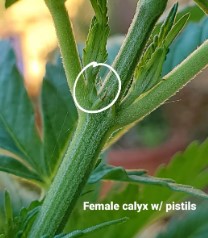
- Shape: Pear-shaped calyx.
- Color: Light green to pale.
- Defining Feature: Two white pistils (hairs) protruding from the calyx.
- Growth Pattern: Tend to cluster more tightly and remain close to the stem.
Floral Anatomy and Development
Male Flower Structure
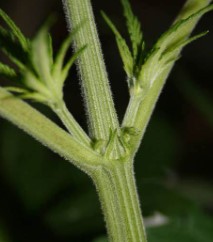
- Staminate Flowers: Composed of five petals and five stamens.
- Anthers: Contain pollen grains.
- No Pistils: Absence of stigma and style.
Once pollen sacs mature, they burst open to release pollen, which can fertilize female plants from several kilometers away in outdoor grows.
Female Flower Structure
- Pistillate Flowers: Lack stamens, contain ovary, style, and stigma.
- Calyx: Encloses the ovary and supports pistils.
- Trichomes: Dense glandular trichomes produce cannabinoids.
- Resinous: Female flowers (especially unfertilized ones, or “sinsemilla”) are highly resinous and rich in THC and CBD.
Hermaphrodite Traits
Hermaphroditism is the presence of both male and female organs on the same plant. There are two types:
- True Hermaphrodites: Develop both organs from the same node.
- Mixed-Sex Plants: Male and female parts develop on different branches.
Common triggers:
- Light leaks during the dark cycle.
- Stress (heat, drought, overpruning).
- Genetics.
Molecular and Biochemical Markers
DNA-Based Sex Testing
Genetic testing offers the most reliable and early method of identifying plant sex—even before the appearance of pre-flowers. PCR-based assays targeting Y-chromosome markers such as:
- MADC2: Male-associated DNA sequence on the Y chromosome.
- SCAR119 and SCAR332: Sequence characterized amplified regions used for early diagnostics.
These tests are now commercially available and popular in professional cultivation settings.
Hormonal Differences
Plant hormones (phytohormones) regulate sexual development:
- Gibberellins (GA): Promote male characteristics. Applying GA to female plants can induce male flowers.
- Ethylene: Favors female flower development. Inhibition via silver thiosulfate (STS) or colloidal silver can produce male flowers on females (used for feminized seed production).
- Auxins and Cytokinins: Modulate overall plant growth, may indirectly affect sex expression.
Conclusion
Identifying the sex of cannabis plants is both an art and a science. While traditional morphological techniques are still widely used and effective during the vegetative and early flowering stages, modern tools such as DNA sex testing, hormone treatments, and environmental controls are revolutionizing how cultivators manage plant sex.
Understanding the genetic, hormonal, and environmental factors influencing sex expression in cannabis is crucial for achieving optimal yields, especially in the production of high-THC or high-CBD cultivars. As research continues, the integration of molecular biology, precision agriculture, and genetic engineering will further enhance our ability to manipulate and understand cannabis sex expression.
Whether you are a home grower or a commercial breeder, mastering the ability to tell male from female plants is foundational to your success.
