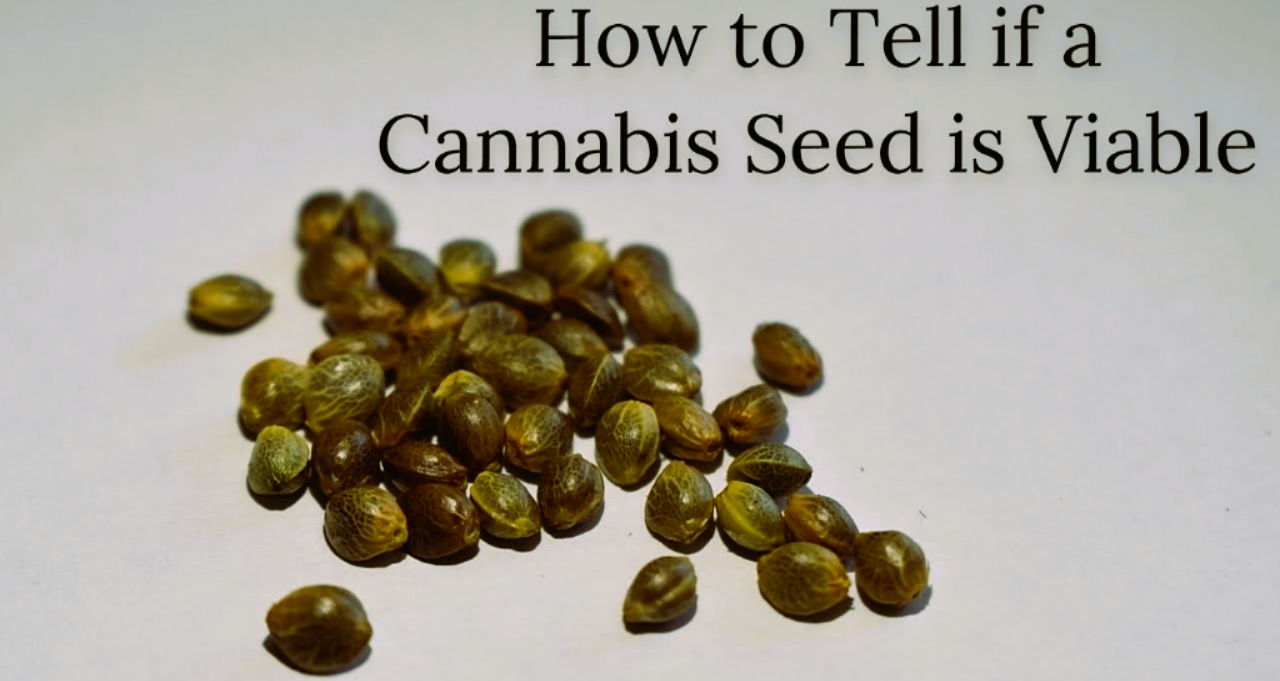
How to Tell if a Cannabis Seed is Viable: A Comprehensive Guide for Medical Cannabis Cultivation
Introduction
The cultivation of medical cannabis requires a careful and systematic approach to ensure optimal growth, potency, and efficacy of the final product. Choosing viable seeds is one of the most important aspects in this procedure since the health and productivity of the plants are directly impacted by the quality of the seeds. Understanding how to determine seed viability is essential for growers focused on medical cannabis, where consistency and quality are paramount. This guide delves into the various methods for assessing seed viability, providing a detailed overview that will help cultivators make informed decisions in their medical cannabis operations.
Understanding Cannabis Seed Viability
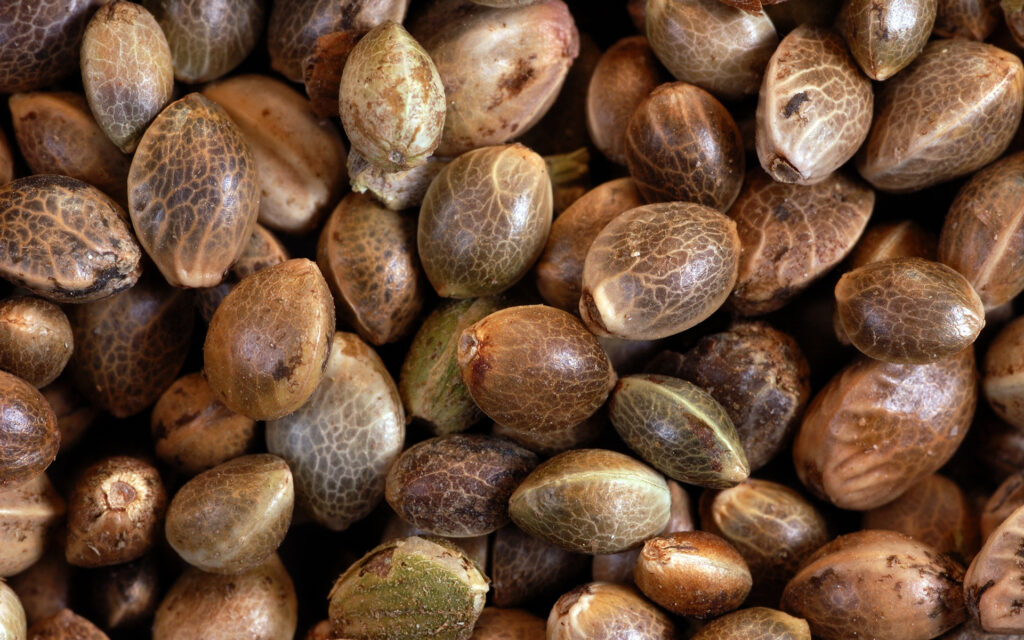
The ability of a seed to sprout and grow into a healthy plant is known as seed viability. For medical cannabis, ensuring that seeds are viable is crucial, as it influences the effectiveness of the cannabis produced. Viable seeds possess the necessary genetic information and energy reserves to sprout and grow under appropriate conditions.
Factors Influencing Seed Viability
Several factors contribute to the viability of cannabis seeds:
- Genetics: The genetic makeup of a seed determines its potential for growth, cannabinoid content, and resistance to diseases. The ability of a seed to sprout and grow into a healthy plant is known as seed viability.
- Age: Over time, seeds lose their viability. When seeds are stored for an extended period of time, they may have lost some of their quality and are less likely to germinate successfully than fresh seeds.
- Storage Conditions: Proper storage is critical to maintaining seed viability. Seeds should be stored in a cool, dry, and dark environment to prevent moisture, heat, and light from damaging them.
- Seed Maturity: Fully mature seeds are more likely to be viable than immature seeds. Mature seeds have a hardened outer shell and are often darker in color, indicating that they have fully developed and are ready for germination.
Visual Inspection of Cannabis Seeds
One of the simplest methods to assess seed viability is through visual inspection. While this method does not guarantee 100% accuracy, it can provide valuable clues about the potential viability of seeds.
Color and Appearance
- Dark Brown to Black: Viable seeds are typically dark brown, gray, or black, with a smooth, glossy surface. The darker color indicates maturity and a higher likelihood of germination.
- Light or Green: Seeds that are light green, white, or pale brown are often immature and less likely to germinate. These seeds have not fully developed and may lack the necessary nutrients and energy reserves.
Size and Shape
- Plump and Rounded: Healthy, viable seeds are generally plump and rounded, indicating that they contain the necessary nutrients for germination.
- Shriveled or Misshapen: Seeds that appear shriveled, misshapen, or irregular in size may be non-viable. These seeds often lack the internal resources needed to sprout successfully.
Surface Texture
- Smooth and Firm: The outer shell of a viable seed is smooth and firm to the touch. A hard shell indicates that the seed has fully matured and is protected from environmental factors.
- Cracked or Brittle: Seeds with cracks, chips, or a brittle surface are likely to be non-viable. Damage to the outer shell can expose the seed’s interior to moisture and pathogens, reducing its chances of germination.
The Float Test: A Quick Viability Check
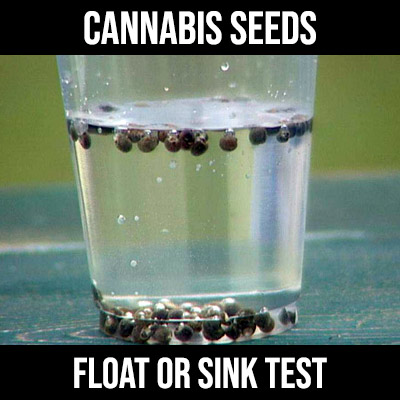
The float test is a quick and easy method to assess the viability of cannabis seeds. This test involves placing the seeds in water and observing whether they sink or float.
How to Perform the Float Test
- Preparation: Fill a glass or container with room-temperature water. Make sure there are no impurities in the water.
- Add the Seeds: Gently place the seeds into the water.
- Observation: Let the seeds sit in the water for 1-2 hours. During this time, observe whether the seeds sink or float.
- Interpretation:
- Sinking Seeds: Seeds that sink to the bottom of the container are likely viable. Sinking indicates that the seed is dense and contains the necessary internal resources for germination.
- Floating Seeds: Seeds that float on the surface may be non-viable. Floating suggests that the seed is hollow or lacks sufficient nutrients, reducing its chances of successful germination.
Limitations of the Float Test
While the float test is a useful preliminary assessment, it is not foolproof. Owing to air pockets or other reasons, some seeds that are viable may float while non-viable seeds may sink. To guarantee accuracy, it is therefore advised to combine this test with other techniques.
Germination Testing: The Ultimate Viability Confirmation
Germination testing is the most reliable method for determining seed viability. This process involves attempting to germinate a sample of seeds under controlled conditions to observe their ability to sprout.
How to Perform a Germination Test
- Preparation:
- Gather a sample of seeds for testing.
- Prepare a germination medium, such as damp paper towels, cotton pads, or seed-starting soil.
- Label the seeds if testing multiple batches.
- Placement:
- Place the seeds on the damp medium, ensuring they are spaced apart to prevent mold and allow for easy observation.
- Cover the seeds with another layer of the damp medium, or place them in a germination tray or container with a lid to maintain humidity.
- Environmental Control:
- Maintain a warm, dark environment with temperatures between 70-85°F (21-29°C).
- Keep the germination medium moist but not waterlogged.
- Observation:
- Every day, look for indications of germination in the seeds, such the growth of a taproot.
- Document the number of seeds that successfully germinate over a specified period (usually 5-10 days).
- Interpretation:
- High Germination Rate: If the majority of seeds germinate, the batch is considered viable and suitable for planting.
- Low Germination Rate: If few seeds germinate, the batch may be non-viable or of low quality, indicating the need for a different seed source.
Importance of Germination Testing for Medical Cannabis
In medical cannabis cultivation, consistency is crucial. Germination testing ensures that only viable seeds are planted, leading to uniform growth, predictable cannabinoid profiles, and consistent medical efficacy. This reliability is essential for patients relying on cannabis for therapeutic purposes, where even minor variations in plant quality can impact treatment outcomes.
Seed Storage and Preservation for Maintaining Viability
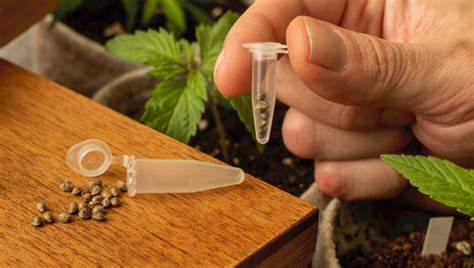
Proper storage is vital for preserving seed viability over time. Medical cannabis growers often need to store seeds for future use, and maintaining their viability during storage is critical.
Ideal Storage Conditions
- Temperature: Seeds should be stored in a cool environment, ideally between 40-50°F (4-10°C). Lower temperatures slow the metabolic processes within the seed, extending its viability.
- Humidity: Seeds should be kept in a low-humidity environment, with relative humidity levels around 20-30%. Increased humidity can make seeds absorb moisture, which can result in mildew, mold, and decreased viability.
- Light: Seeds should be stored in a dark place, as light exposure can trigger premature germination or degrade the seed’s internal structure.
- Containers: Airtight containers, such as vacuum-sealed bags or glass jars with desiccants, are ideal for seed storage. The seeds are kept viable by these containers, which keep air and moisture out.
Long-Term Storage Techniques
For long-term storage, additional techniques can be employed:
- Refrigeration: Storing seeds in a refrigerator can extend their viability for several years. However, it is essential to ensure that the seeds are placed in a sealed container to prevent moisture from condensing on them.
- Freezing: Freezing seeds is an option for very long-term storage, potentially preserving seeds for decades. Before freezing, seeds must be thoroughly dried to prevent ice crystal formation, which can damage the seed’s structure.
- Desiccants: Using desiccants, such as silica gel packets, within storage containers helps maintain low humidity levels and prevents moisture from compromising seed viability.
The Role of Seed Viability in Medical Cannabis Cultivation
Viable seeds are the foundation of successful medical cannabis cultivation. They ensure that plants grow strong, produce consistent yields, and exhibit the desired cannabinoid profiles essential for medical use.
Consistency in Cannabinoid Profiles
Medical cannabis patients require consistent cannabinoid profiles to achieve the desired therapeutic effects. Variability in plant genetics or seed quality can lead to fluctuations in cannabinoid content, potentially affecting treatment efficacy. By ensuring seed viability, growers can produce plants with uniform cannabinoid profiles, providing reliable and predictable medicinal benefits.
Impact on Yield and Potency
Viable seeds are more likely to produce robust plants with high yields and potent flowers. In medical cannabis cultivation, maximizing yield and potency is critical to meeting patient needs and ensuring the economic viability of the operation. Non-viable seeds can lead to poor plant growth, reduced yields, and lower cannabinoid concentrations, compromising the quality of the final product.
Disease Resistance and Plant Health
Healthy, viable seeds are more likely to produce plants that are resistant to diseases, pests, and environmental stresses. This resilience is particularly important in medical cannabis cultivation, where the use of chemical pesticides and fungicides must be minimized to avoid compromising the purity of the medicine. Plants grown from viable seeds are better equipped to thrive in organic or minimally treated environments, ensuring that the final product is safe for medical use.
Advanced Techniques for Assessing Seed Viability
In addition to traditional methods, advanced techniques can provide more precise assessments of seed viability. These methods are particularly useful for large-scale medical cannabis operations where accuracy and consistency are paramount.
X-Ray Analysis
X-ray analysis is a non-destructive method used to examine the internal structure of seeds. By passing X-rays through the seeds, growers can visualize the seed’s internal components, including the embryo, endosperm, and seed coat.
- Healthy Structure: Seeds with a well-developed embryo and intact endosperm are likely to be viable.
- Damaged Structure: Seeds with visible internal damage, such as a broken embryo or degraded endosperm, are less likely to germinate.
Tetrazolium Testing
Tetrazolium testing is a biochemical method used to assess seed viability by measuring cellular respiration. In this test, seeds are soaked in a tetrazolium solution, which stains living tissues red.
- Red Staining: Seeds that stain red have active, living tissues and are considered viable.
- No Staining: Seeds that do not stain or only partially stain are likely non-viable.
This method provides a rapid and accurate assessment of seed viability, making it useful for quality control in medical cannabis production.
Genetic Testing
Genetic testing involves analyzing the DNA of seeds to determine their genetic makeup and potential for viability. This method can identify desirable traits, such as disease resistance or specific cannabinoid profiles, before the seeds are even planted.
- Marker-Assisted Selection: By using genetic markers, breeders can select seeds with specific traits that are advantageous for medical cannabis cultivation.
- Genetic Purity: Genetic testing ensures that seeds are true to their strain and free from unwanted genetic mutations or cross-contamination.
Restrictions on Growing and Using Cannabis in the Medical Field and Its Medications as a Last Resort
The use of cannabis in the medical field has grown significantly over the past few decades, driven by increasing recognition of its potential therapeutic benefits. Cannabis is still classified as a restricted substance in many places despite its medical uses, and using it is subject to stringent laws. This covers limitations on medical marijuana cultivation, circumstances in which medical marijuana can be used as a last resort, and THC level monitoring in cannabis-based prescription drugs to avoid unintended psychotropic effects in patients.
Legal and Regulatory Framework
Growing Cannabis for Medical Purposes
The cultivation of cannabis for medical use is tightly regulated in most countries and regions. Depending on the jurisdiction, these laws may differ, but generally speaking they impose the following major limitations:
- Licensing Requirements:
- Only individuals or organizations with specific licenses can legally grow cannabis for medical purposes.
- Licenses are typically issued by government health authorities or drug enforcement agencies and require adherence to stringent guidelines related to security, quality control, and record-keeping.
- Licensed growers must often demonstrate their ability to produce cannabis that meets medical-grade standards, including purity, potency, and consistency.
- Controlled Environments:
- Medical cannabis must be grown in controlled environments to ensure product quality and safety.
- This includes indoor cultivation facilities with regulated lighting, temperature, humidity, and ventilation systems.
- The use of pesticides and fertilizers is strictly controlled, and organic growing methods are often preferred to minimize the risk of contaminants.
- Seed and Strain Selection:
- Only specific strains of cannabis that have been approved for medical use can be cultivated.
- These strains are typically selected for their cannabinoid profiles, which are suited to treating particular medical conditions.
- The use of genetically modified seeds may be restricted or prohibited in some jurisdictions.
- Tracking and Traceability:
- Medical cannabis cultivation must include robust tracking and traceability systems.
- From seed to sale, every stage of the plant’s life cycle must be documented, including planting, growing, harvesting, processing, and distribution.
- These records are subject to inspection by regulatory authorities to ensure compliance with legal requirements.
- Quantity Limits:
- There are often strict limits on the amount of cannabis that can be grown for medical purposes.
- These limits are intended to prevent diversion into the recreational market and to ensure that production aligns with patient demand.
- Exceeding these limits can result in penalties, including the revocation of licenses and criminal prosecution.
Restrictions on Cannabis Use in the Medical Field as a Last Resort
The use of cannabis as a last-resort treatment is subject to additional restrictions, reflecting concerns about its safety, efficacy, and potential for abuse.
- Clinical Justification:
- Cannabis can only be prescribed as a last-resort treatment when conventional therapies have failed or are not suitable.
- Physicians must provide a detailed clinical justification, documenting why other treatments are inadequate and how cannabis is expected to benefit the patient.
- This documentation is often required to obtain approval from regulatory bodies or insurance providers.
- Patient Eligibility:
- Not all patients are eligible for cannabis-based treatments, even as a last resort.
- Eligibility criteria typically include the diagnosis of specific conditions, such as chronic pain, epilepsy, multiple sclerosis, or chemotherapy-induced nausea.
- Patients with a history of substance abuse or psychiatric conditions may be excluded due to the potential risks associated with cannabis use.
- Informed Consent:
- Patients must provide informed consent before starting cannabis-based treatment.
- This involves a thorough discussion of the potential risks, benefits, and alternatives, as well as the legal implications of using cannabis.
- Patients could occasionally be asked to sign a release recognizing that the course of treatment is experimental.
- Monitoring and Reporting:
- The use of cannabis as a last-resort treatment requires ongoing monitoring and reporting to assess its effectiveness and any adverse effects.
- Physicians must regularly evaluate the patient’s response to treatment and adjust the dosage or discontinue use if necessary.
- Adverse effects must be reported to regulatory authorities, contributing to the broader understanding of cannabis’s safety profile in medical settings.
- Regulatory Oversight:
- Cannabis use as a last resort is frequently closely regulated by the government.
- In some jurisdictions, physicians must seek approval from a medical review board or obtain special permits before prescribing cannabis.
- Regular audits and inspections may be conducted to ensure compliance with legal and ethical standards.
Monitoring THC Levels in Cannabis-Based Medications
One of the primary concerns with using cannabis in the medical field is the psychoactive effects of THC (tetrahydrocannabinol), the compound responsible for the “high” associated with cannabis use. For many medical patients, particularly those who are vulnerable or have no prior experience with cannabis, avoiding psychoactive effects is crucial. As a result, monitoring and controlling THC levels in cannabis-based medications is an essential aspect of medical cannabis regulation.
THC Concentration Limits
- Standardized Dosages:
- Medical cannabis products are often formulated with standardized dosages of THC to ensure consistent therapeutic effects and minimize the risk of psychoactivity.
- These products include oils, capsules, tinctures, and other preparations where THC content is precisely measured and labeled.
- Low-THC, High-CBD Products:
- In many cases, low-THC, high-CBD (cannabidiol) products are preferred for medical use, especially for conditions like epilepsy, anxiety, and inflammation.
- Because CBD is non-psychoactive and can mitigate some of THC’s psychotropic effects, medical patients can feel safer using these medications.
- Maximum THC Limits:
- Some jurisdictions impose maximum THC concentration limits on medical cannabis products.
- These limits are designed to prevent excessive psychoactivity while still allowing for therapeutic benefits.
- Products that exceed these limits may be classified as recreational rather than medical, with different legal restrictions.
Monitoring and Testing Protocols
- Laboratory Testing:
- Medical cannabis products must undergo rigorous laboratory testing to ensure that THC levels are within the specified limits.
- Testing is conducted at multiple stages, including post-harvest, during processing, and before final packaging.
- To precisely assess cannabis amounts, accredited laboratories employ cutting-edge analytical methods including high-performance liquid chromatography (HPLC).
- Batch Consistency:
- Consistency between batches is critical in medical cannabis production.
- Manufacturers must demonstrate that each batch of a product has the same THC content, reducing variability in patient dosing.
- Inconsistent batches can lead to unpredictable effects, undermining the reliability of cannabis as a medicine.
- Labeling Requirements:
- Medical cannabis products must be labeled with precise information about their THC and CBD content.
- Labels typically include the exact milligram amount of THC per dose or per unit, as well as any relevant warnings about potential psychoactive effects.
- Mislabeling or inaccurate labeling can result in legal penalties and loss of consumer trust.
Patient Monitoring and Dosing Adjustments
- Initial Dosing:
- Physicians typically start patients on the lowest effective dose of THC to minimize the risk of psychoactive effects.
- The initial dose is often titrated based on the patient’s response, with careful monitoring to assess tolerance and efficacy.
- Regular Assessments:
- Patients using cannabis-based medications must undergo regular assessments to monitor THC’s impact on their condition and overall well-being.
- These assessments may include physical exams, mental health evaluations, and laboratory tests to detect any adverse effects.
- Tapering and Discontinuation:
- If psychoactive effects become problematic or if the patient no longer benefits from THC, the physician may taper the dosage or discontinue the medication.
- Tapering must be done gradually to avoid withdrawal symptoms and to allow the patient to adjust to the absence of THC.
- Education and Counseling:
- Patients must be educated about the potential psychoactive effects of THC and how to manage them if they occur.
- Counseling on the safe use of cannabis-based medications, including the importance of adherence to prescribed dosages, is essential.
Ethical Considerations and Future Directions
Balancing Therapeutic Benefits with Psychoactive Risks
The use of cannabis in the medical field presents unique ethical challenges. On one hand, cannabis offers significant therapeutic potential for conditions that are resistant to conventional treatments. On the other hand, the psychoactive effects of THC raise concerns about patient safety, particularly in vulnerable populations.
- Informed Decision-Making:
- Patients must be fully informed about the benefits and risks of cannabis-based treatments, including the possibility of psychoactive effects.
- For cannabis to be used safely and effectively, patients and healthcare professionals must collaborate on decision-making.
- Vulnerable Populations:
- Prescription cannabis should be administered with extra caution to vulnerable groups, including the elderly, kids, and people with mental health issues.
- In these cases, the potential benefits of cannabis must be carefully weighed against the risks, and alternative treatments should be considered whenever possible.
- Research and Development:
- Ongoing research into the medical uses of cannabis is essential to improving our understanding of its risks and benefits.
- Future developments may include the creation of cannabis-based medications with tailored cannabinoid profiles that maximize therapeutic effects while minimizing psychoactivity.
Regulatory Evolution
The legal structures that control cannabis use must change along with our knowledge of the drug’s potential medical applications. This includes:
- Updating Guidelines:
- Regulatory bodies may need to update guidelines to reflect new research findings and technological advancements in cannabis cultivation and processing.
- This includes revising THC concentration limits, expanding patient eligibility criteria, and refining testing protocols.
- Global Harmonization:
- There is a growing need for international harmonization of cannabis regulations to facilitate cross-border research, product development, and patient access.
- Global standards for THC monitoring, product labeling, and patient safety can help ensure that medical cannabis is used consistently and effectively worldwide.
Conclusion
Determining the viability of cannabis seeds is a critical step in medical cannabis cultivation. Viable seeds are essential for producing consistent, high-quality plants that meet the therapeutic needs of patients. By utilizing a combination of traditional methods, such as visual inspection, the float test, and germination testing, along with advanced techniques like X-ray analysis, tetrazolium testing, and genetic testing, growers can ensure that they select the best seeds for their operations.
In medical cannabis cultivation, where consistency, potency, and safety are paramount, the importance of starting with viable seeds cannot be overstated. By following the guidelines outlined in this comprehensive guide, cultivators can optimize their seed selection process, leading to successful harvests and the production of effective, reliable medicine for patients.
Appendix: Key Terms and Concepts
- Cannabinoid Profile: The unique combination of cannabinoids, such as THC, CBD, and others, present in a cannabis plant.
- Embryo: The young, developing plant within a seed, which will sprout during germination.
- Endosperm: The nutrient-rich tissue within a seed that provides energy for the developing embryo.
- Genetic Marker: A specific DNA sequence used to identify particular genetic traits in a plant.
- Tetrazolium Solution: A chemical used in viability testing to stain living tissues in seeds.
By understanding and applying these concepts, medical cannabis growers can ensure that their operations are based on a solid foundation of viable seeds, leading to the production of high-quality, effective medicine for those who need it most.
