Table of Contents
How to Store Cannabis Seeds for Maximum Viability
Proper storage of cannabis seeds is crucial for preserving their genetic potential and ensuring successful germination, whether for short-term cultivation or long-term preservation. Cannabis seeds, though resilient, are still biologically active and vulnerable to environmental degradation. To maintain their viability for years sometimes even decades specific conditions must be maintained to prevent them from losing vigor, becoming nonviable, or developing mold or pests.
1. Understanding Cannabis Seed Viability
Viability refers to a seed’s ability to germinate and grow into a healthy plant. Several factors impact viability over time:
- Moisture: High humidity can cause mold or premature germination.
- Temperature: Heat accelerates degradation; cold slows metabolism.
- Light: Exposure to light can trigger germination processes.
- Oxygen: While needed in minimal amounts, high oxygen levels promote oxidation and aging.
- Handling: Physical damage or contamination can destroy viability.
The goal of seed storage is to create an environment that suppresses metabolic activity and microbial growth while minimizing degradation of the seed’s embryo and stored nutrients.
2. Key Environmental Factors in Seed Storage
A. Temperature
Cool temperatures are critical for long-term seed preservation. The ideal temperature range for cannabis seeds is:
- Short-term (up to 6 months): 5°C to 15°C (41°F to 59°F)
- Long-term (6 months to 5+ years): 0°C to 5°C (32°F to 41°F)
Refrigerators provide an ideal environment for long-term storage. Deep freezers can be used, but freezing must be done correctly (more on that below). Avoid temperature fluctuations, which can cause condensation or stress responses in seeds.
B. Humidity
Seeds are hygroscopic they absorb and release moisture with their environment. High humidity leads to mold, while too little can cause desiccation damage. The optimal relative humidity (RH) for cannabis seed storage is:
- 5% to 9% RH
This equates to a seed moisture content of around 6% to 8%. Desiccant packets (silica gel, rice, or activated charcoal) can help maintain this RH inside storage containers.
C. Light Exposure
Light triggers hormonal changes in seeds and initiates the germination process. To avoid this, seeds should be stored in:
- Opaque containers
- Dark environments (e.g., dark drawers, light-proof boxes)
Even brief exposure to light during regular checks should be minimized.
D. Air and Oxygen
Oxygen exposure leads to oxidation of the seed’s lipids and enzymes. While total vacuum sealing is not necessary, reducing oxygen content inside the storage container helps preserve seed integrity. Techniques include:
- Using vacuum sealers or oxygen-absorbing packets
- Storing seeds in airtight containers (Mason jars, Mylar bags, vacuum pouches)
3. Choosing Containers for Storage
The right container helps regulate environmental conditions and protect seeds from contamination. Common options include:

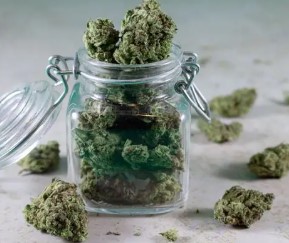
- Glass jars (e.g., Mason jars): Excellent barrier against moisture and air; best when paired with desiccants and oxygen absorbers.
- Vacuum-sealed plastic pouches: Ideal for long-term storage; compact and effective at removing oxygen.
- Mylar bags: Light-proof, durable, and moisture-resistant.
- Film canisters or medicine bottles: Acceptable for short-term use when kept in a cool, dark place.
Always label containers with strain name, harvest date, and number of seeds to prevent future confusion.
4. Using Desiccants and Oxygen Absorbers
Desiccants help maintain low humidity. Ideal options include:
- Silica gel packets: Regenerate by heating to 120°C (250°F) for a few hours.
- Dry rice or powdered milk: Natural alternatives, though less effective and more prone to contamination.
- Activated charcoal: Helps absorb both moisture and odors.
For oxygen control:
- Oxygen-absorbing packets: Often used in food packaging; safe and effective for seed storage.
- Vacuum sealing: Reduces available oxygen and prevents oxidation.
Place these packets inside the container alongside the seeds. Make sure desiccants and oxygen absorbers don’t come into direct contact with the seeds wrap them in mesh or place them in a separate compartment within the container.
5. Refrigerator vs. Freezer Storage
Refrigeration (Preferred for Most Growers)
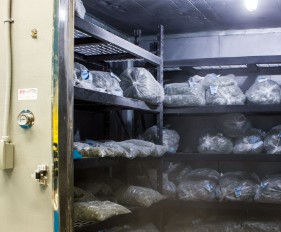
- Ideal for maintaining 4°C to 8°C (39°F to 46°F)
- Easily accessible and safe for frequent access
- Less risk of seed damage due to improper freezing
Caution: Keep seeds away from fruits and vegetables, which emit ethylene gas a hormone that can damage seeds.
Freezing (Advanced, Long-Term Preservation)
Seeds can be frozen to preserve them for 5–10+ years, but only if:
- Seeds are fully dried (moisture content below 8%)
- They’re sealed in vacuum pouches or airtight containers
- Thawing is done slowly at room temperature in a dry environment
Freezer storage requires precision: improper freezing/thawing can cause cellular damage due to ice crystallization.
6. Avoiding Common Mistakes
- Frequent opening: Every time you open the container, you introduce humidity and temperature fluctuations. Divide seeds into smaller batches if you expect to use them over time.
- Inconsistent drying: Seeds stored before drying can mold. Let seeds dry naturally for 2–4 weeks in a cool, dry place before storage.
- Storing in plastic bags: These are porous and can allow moisture and oxygen exchange unless they’re vacuum-sealed.
- No labeling: Label every storage batch with the strain name, source, and storage date.
7. Monitoring Seed Health Over Time
Even in optimal storage conditions, periodic checks are useful:
- Inspect for mold: White fuzz or discoloration indicates contamination.
- Smell test: A musty or sour odor can be a sign of fungal growth.
- Test germination: Every year or two, germinate a few seeds to assess viability.
If you find significant viability loss, consider refreshing the seed stock through regeneration (growing and breeding the preserved seeds).
8. Seed Bank-Level Preservation
Professional seed banks apply advanced techniques:

- Cryopreservation: Storing seeds at ultra-low temperatures (-150°C or below), often in liquid nitrogen. This halts all metabolic activity.
- Hermetic sealing: Seeds are stored in sealed glass ampules under inert gases like nitrogen or argon.
- Genetic documentation: Seed banks track each seed lot’s genetic fingerprint, generation number, and lineage.
For home growers, replicating these methods is impractical, but borrowing from their principles (cool, dry, dark, stable storage) greatly improves seed lifespan.
9. Estimated Seed Viability by Storage Condition
| Storage Condition | Expected Viability Duration |
|---|---|
| Room temperature, exposed to air | 6–12 months |
| Airtight, cool, dark storage | 2–5 years |
| Refrigerator with desiccant | 5–10 years |
| Freezer, vacuum-sealed, well-dried | 10+ years |
Note: Genetics and initial seed quality also play a role in longevity.
Conclusion
Storing cannabis seeds properly is a small effort with huge rewards. By controlling temperature, humidity, light, and oxygen levels, you can ensure that your seeds remain viable and genetically stable for years. Whether you’re preserving rare genetics, building a long-term seed library, or simply preparing for future cultivation, mastering seed storage techniques will help protect your investment and preserve cannabis diversity for generations to come.
