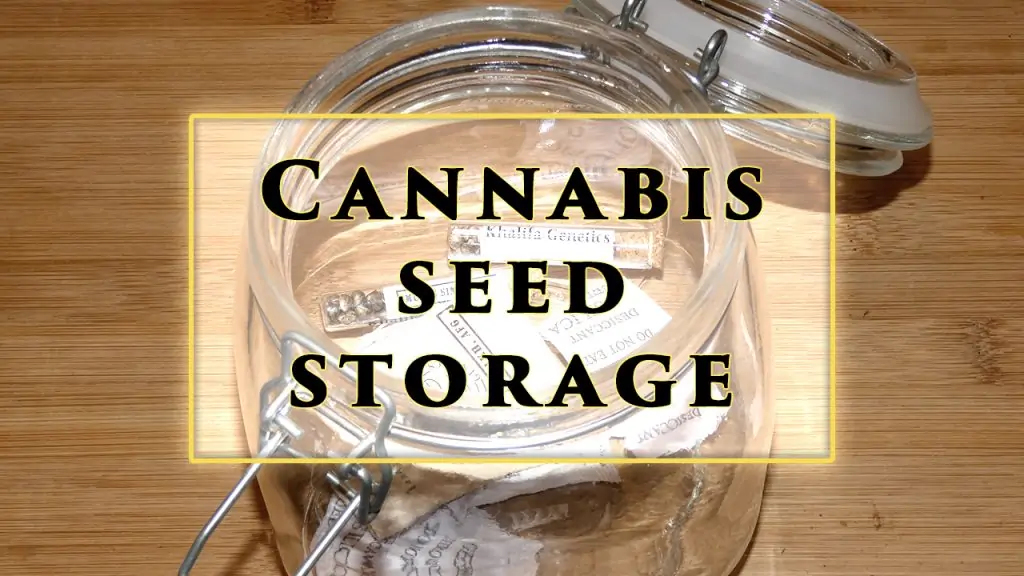
Storing cannabis seeds properly is essential for preserving their viability and ensuring successful germination in the future. Here are some general factors:
1. Selecting Quality Seeds
- Start with High-Quality Seeds: Ensure that the seeds you are storing are from a reputable source and are healthy, mature, and viable.
2. Preparation for Storage
- Drying Seeds: Before storage, make sure the seeds are completely dry. Moisture can shorten the seeds’ life and encourage the growth of mold.
- Cleaning: Remove any plant debris or dust from the seeds.
3. Choosing the Right Containers
- Airtight Containers: Use airtight containers to prevent moisture from getting in. Vacuum-sealed bags or mason jars with airtight lids are ideal.
- Desiccants: Add silica gel packs or other desiccants to the container to absorb any residual moisture.
4. Optimal Storage Conditions
- Temperature: Store seeds in a cool environment. The ideal temperature is around 4-8°C (39-46°F). A refrigerator can work well for this purpose.
- Humidity: Keep humidity levels low, ideally around 5-9%. High humidity can cause seeds to germinate or mold.
- Light: Store seeds in a dark place. Light can degrade the seeds over time, so opaque containers or dark storage areas are best.
5. Long-Term Storage Tips
- Freezing Seeds: For very long-term storage, freezing seeds is an option. However, this method requires careful preparation. Ensure seeds are completely dry before freezing to prevent ice crystal formation, which can damage the seeds.
- Labeling: Label your containers with the strain name and date of storage. This helps in tracking the age of the seeds and ensures you use the oldest ones first.
6. Monitoring and Maintenance
- Regular Checks: Periodically check your seeds for any signs of mold, moisture, or damage. Ensure the storage conditions remain consistent.
- Avoid Frequent Opening: Minimize the number of times you open the storage container to maintain stable conditions.
7. Reviving Stored Seeds
- Gradual Warming: If you’ve frozen your seeds, let them gradually reach room temperature before attempting to germinate them to avoid thermal shock.
- Pre-Germination Treatment: Soaking seeds in water or using a seed germination solution can help revive older seeds.
Additional Tips
- Backup Storage: Consider splitting your seed stock into multiple containers to prevent total loss in case one container fails.
- Emergency Desiccant: In the absence of silica gel, you can use uncooked rice as a desiccant, although it’s less effective.
By following these steps, you can maximize the longevity and viability of your cannabis seeds, ensuring they remain viable for future cultivation projects.
Selecting quality cannabis seeds for long-term storage is crucial to ensure they remain viable and can successfully germinate when needed. Here’s a detailed guide on how to select the best seeds for long-term storage:
1. Source and Purchase
- Reputable Suppliers: Purchase seeds from reputable seed banks or breeders known for their high-quality genetics. Research reviews and feedback from other growers.
- Freshness: Ensure the seeds are fresh. Seeds that have been harvested recently (within the last year) are more likely to remain viable for long-term storage.
2. Visual Inspection
- Color and Appearance: Healthy cannabis seeds are typically dark brown or gray with a mottled pattern. They should have a glossy, waxy coating.
- Size and Shape: Seeds should be relatively uniform in size and shape. Larger seeds are often more viable than smaller ones.
- Texture: Seeds should be hard and smooth. Avoid seeds that are cracked, deformed, or feel soft when gently squeezed.
3. Physical Tests
- Float Test: Place the seeds in a glass of water. Viable seeds usually sink to the bottom within a few hours. Remove any seeds that float, as they are less likely to be viable.
- Squeeze Test: Gently squeeze the seed between your thumb and forefinger. A healthy seed will resist pressure and remain intact, while a weak seed may crack or crumble.
4. Genetic Quality
- Strain Information: Select seeds from strains known for their resilience and stability. Look for strains that are well-documented and have a history of producing strong, healthy plants.
- Hybrid Vigor: Seeds from hybrid strains often show hybrid vigor, which means they may be more robust and have better growth characteristics than inbred strains.
5. Maturity and Harvesting
- Mature Seeds: Ensure the seeds are fully mature at the time of harvest. Immature seeds (often green or light-colored) are less likely to germinate and remain viable.
- Proper Harvesting: Seeds should be harvested from healthy, well-grown plants that were allowed to fully mature. Avoid seeds from plants that were stressed or diseased.
6. Environmental Conditions
- Grown in Ideal Conditions: Seeds from plants grown in optimal conditions (adequate light, proper nutrients, and controlled environment) are more likely to be of high quality.
- Pest and Disease-Free: Ensure the parent plants were free from pests and diseases, as this can affect seed quality.
7. Genetic Diversity
- Variety: Consider storing a variety of seeds from different strains. This not only ensures genetic diversity but also provides options for different growing conditions and preferences in the future.
8. Documentation
- Labeling: Ensure seeds are properly labeled with strain name, date of harvest, and any other relevant information. This helps in tracking the age and origin of the seeds.
- Certificates of Authenticity: If available, obtain certificates of authenticity or other documentation from the supplier that verifies the genetic lineage and quality of the seeds.
Additional Considerations
- Seed Bank Recommendations: Follow any specific recommendations provided by the seed bank regarding the handling and storage of their seeds.
- Legal Compliance: Ensure that purchasing, possessing, and storing cannabis seeds is legal in your jurisdiction.
By carefully selecting high-quality seeds and considering these factors, you can significantly increase the likelihood of successful long-term storage and future germination.
Preparing cannabis seeds for long-term storage involves several crucial steps to ensure they remain viable and healthy. Here’s a detailed guide on how to prepare cannabis seeds for long-term storage:
1. Drying Seeds
- Importance of Drying: Ensuring seeds are completely dry is essential to prevent mold and mildew, which can destroy seeds during storage.
- Air Drying: Spread the seeds out on a clean, dry surface in a well-ventilated area. For at least a week, let them air dry, turning them from time to time to make sure they dry evenly.
- Humidity Levels: Aim for a relative humidity level of around 20-30% during the drying process.
2. Cleaning Seeds
- Remove Debris: Carefully remove any plant debris, dust, or contaminants from the seeds. Use a fine brush or cloth to gently clean the seeds if necessary.
- Avoid Moisture: Ensure no moisture is introduced during the cleaning process.
3. Inspecting Seeds
- Visual Inspection: Check for any signs of damage, discoloration, or deformities. Only store seeds that appear healthy and intact.
- Physical Testing: Conduct the float and squeeze tests to ensure seed viability.
4. Choosing the Right Containers
- Airtight Containers: Use containers that can be sealed airtight, such as mason jars, vacuum-sealed bags, or specialized seed storage containers.
- Opaque or Dark Containers: Use opaque containers or dark-colored jars to protect seeds from light exposure.
- Size Consideration: Choose a container size that matches the volume of seeds to minimize the amount of air inside.
5. Using Desiccants
- Silica Gel Packs: Place silica gel packs or other desiccants in the container with the seeds to absorb any residual moisture. This helps maintain a low humidity environment.
- DIY Desiccant: In the absence of silica gel, you can use uncooked rice or dry powdered milk as a desiccant, although these are less effective.
6. Labeling and Documentation
- Labeling: Clearly label each container with important information such as strain name, date of harvest, and any other relevant details.
- Record Keeping: Maintain a log or spreadsheet with detailed information about the seeds, including their source, genetics, and storage conditions.
By following these detailed steps for preparation, you can significantly increase the chances of your cannabis seeds remaining viable for long-term storage. Proper preparation ensures that your seeds will be ready for successful germination when needed.
To ensure cannabis seeds remain viable and capable of successful germination, it is crucial to store them under optimal conditions. Here’s a detailed guide on the best storage conditions for long-term preservation of cannabis seeds:
1. Temperature
- Cool Environment: Store seeds in a consistently cool environment. The optimal temperature range is between 4-8°C (39-46°F). The best appliance for this is a refrigerator.
- Avoid Freezing: While freezing can be an option for very long-term storage, it requires careful preparation to avoid damaging the seeds. Only consider freezing if you are experienced and understand the risks involved.
- Stable Temperatures: Avoid frequent temperature fluctuations, which can damage the seeds. Ensure the storage environment maintains a stable temperature.
2. Humidity
- Low Humidity: Keep humidity levels low to prevent mold growth and premature germination. The ideal relative humidity for storing seeds is between 5-9%.
- Desiccants: Use desiccants such as silica gel packs in your storage containers to absorb any residual moisture and maintain low humidity levels.
3. Light Exposure
- Dark Storage: Store seeds in a dark place. Light exposure can degrade the seeds over time, reducing their viability. Use opaque containers or store containers in a dark area to protect seeds from light.
In addition to the primary considerations for storing cannabis seeds, there are several additional long-term storage tips that can further enhance the longevity and viability of your seeds:
1. Backup Storage
- Multiple Containers: Divide your seed stock into multiple containers. This way, if one container fails (e.g., due to moisture intrusion or temperature fluctuations), you won’t lose all your seeds.
- Separate Locations: Store some of the containers in different locations to mitigate the risk of total loss due to unforeseen circumstances like appliance failure or environmental factors.
2. Vacuum Sealing
- Enhanced Airtightness: Using a vacuum sealer can provide an extra level of airtightness compared to standard containers. Vacuum-sealed bags are ideal for long-term storage since they reduce the presence of air and moisture.
3. Consistent Monitoring
- Regular Checks: Schedule periodic inspections of your stored seeds. Check for signs of moisture, mold, or any physical damage. Ensure the storage conditions (temperature, humidity, and light exposure) remain optimal.
- Desiccant Replacement: Replace desiccants like silica gel packs if they show signs of saturation or have been in use for an extended period.
4. Gradual Acclimatization
- Before Use: Before opening the container to use the seeds that have been stored, let them gradually come to room temperature. This helps prevent thermal shock and condensation, which can damage the seeds.
- Stepwise Warming: For seeds stored in a freezer, move them to a refrigerator for a day before bringing them to room temperature to ensure a gradual transition.
5. Isolation from Strong Smells
- Odor Contamination: Store seeds away from strong-smelling substances. Cannabis seeds can absorb odors from their environment, which might affect their quality.
6. Avoid Frequent Access
- Minimize Disturbance: Limit the number of times you open the storage containers. Each time the container is opened, it can introduce moisture and disrupt the stable conditions inside.
- Plan Ahead: When accessing seeds, plan to retrieve what you need for immediate use or near-future use to minimize container openings.
7. Using Proper Tools
- Handling Tools: Use clean tweezers or gloves when handling seeds to prevent contamination and physical damage.
- Sterile Environment: Ensure the environment where you handle and transfer seeds is clean and free from potential contaminants.
8. Document Storage Conditions
- Detailed Records: Keep a detailed log of the storage conditions, including temperature and humidity levels, as well as any changes made during storage. This can help identify any issues if seed viability decreases.
9. Consideration for Seed Viability
- Viability Testing: If you are storing seeds for an extended period, consider periodically testing a small sample for viability to ensure the overall health of your seed stock.
- Germination Rates: Keep track of germination rates from each batch of stored seeds to assess if storage conditions are maintaining seed viability effectively.
10. Avoid Chemical Exposure
- No Chemicals: Store seeds away from chemicals or substances that might off-gas and potentially harm the seeds.
By incorporating these additional long-term storage tips, you can further safeguard your cannabis seeds, ensuring they remain viable and healthy for future use.
Conclusion
In conclusion, properly storing cannabis seeds for long-term use requires careful attention to detail and adherence to optimal conditions. Here’s a recap of the key points to ensure the viability and health of your seeds:
- Selecting Quality Seeds: Choose seeds from reputable sources, ensure they are mature, healthy, and free from defects.
- Preparation for Storage:
- Dry seeds thoroughly.
- Clean seeds to remove any debris.
- Use desiccants like silica gel packs to maintain low humidity.
- Optimal Storage Conditions:
- Store seeds in a cool environment (4-8°C or 39-46°F).
- Maintain low humidity (5-9%).
- Protect seeds from light exposure by using opaque containers or dark storage areas.
- Use airtight containers such as mason jars, vacuum-sealed bags, or high-quality plastic containers.
- Handling and Maintenance:
- Handle seeds minimally and always with clean hands or gloves.
- Avoid temperature fluctuations and condensation.
- Label containers with strain name, date of harvest, and other relevant details.
- Periodically check seeds and storage conditions to ensure no signs of moisture, mold, or damage.
- Additional Long-Term Storage Tips:
- Consider backup storage by dividing seeds into multiple containers stored in different locations.
- Use vacuum sealing for enhanced airtightness.
- Gradually acclimate seeds to room temperature before use.
- Keep seeds away from strong odors and chemicals.
- Minimize container openings to maintain stable conditions.
- Document storage conditions and periodically test for viability.
By following these guidelines, you can significantly increase the longevity and viability of your cannabis seeds, ensuring they remain ready for successful germination when needed. Proper storage is essential for preserving the genetic integrity and potential of your cannabis seeds for future cultivation projects.
