How to Select the Right Medical Cannabis Strain for Different Climates
Introduction
Choosing the right cannabis strain is crucial to successful cultivation, particularly when it comes to medical use. Each strain has specific requirements for optimal growth, and these requirements can vary significantly depending on the climate. Medical cannabis, as distinct from recreational strains, is often bred to offer specific therapeutic benefits such as pain relief, anxiety reduction, and anti-inflammatory properties, which makes choosing the appropriate strain even more important for patients and growers alike. This guide will delve into the considerations that growers need to make when selecting a medical cannabis strain for different climate conditions, including temperate, tropical, arid, and continental climates, and it will provide strain recommendations for each.
Key Factors in Climate-Based Strain Selection
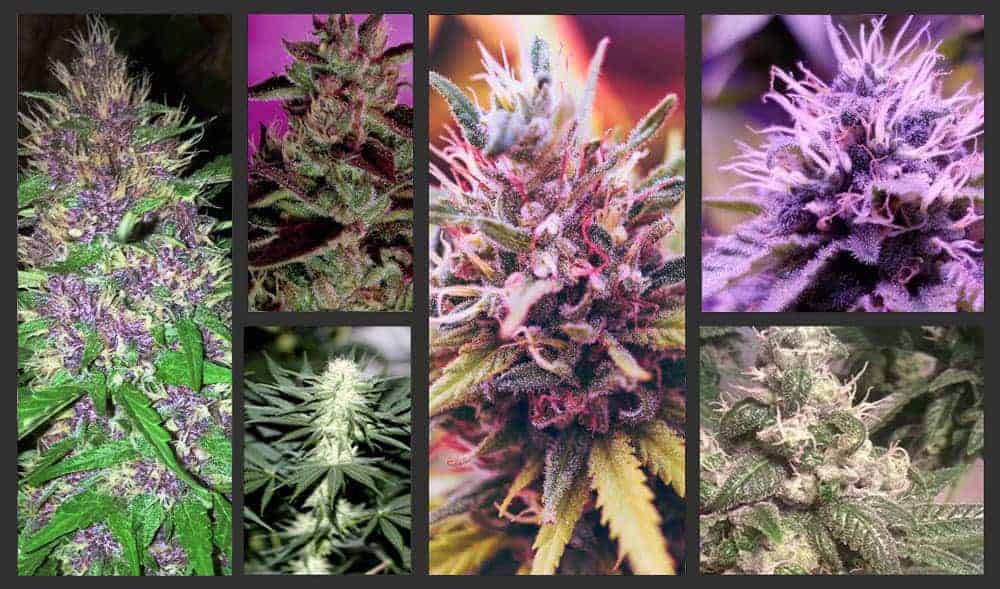
Before diving into specific climate regions and strains, it is important to understand the key factors that play a role in selecting a strain suited to a particular environment:
- Temperature Tolerance: Some strains are bred to withstand high temperatures, while others thrive in cooler conditions. Understanding the temperature range of your region will help in choosing the right strain.
- Humidity Resistance: High humidity can increase the risk of mold and mildew, which is particularly detrimental to medical cannabis plants. Conversely, low humidity can lead to dried-out plants. Strains that are resistant to mold or can thrive in dry conditions will be necessary depending on the climate.
- Day Length (Photoperiod Sensitivity): In some climates, the length of daylight changes significantly over the seasons, affecting the growth cycle of photoperiod-sensitive strains. Autoflowering strains, which are less reliant on day length, are often a better choice in such areas.
- Rainfall: Some regions experience heavy rains, which can cause waterlogging and root rot. Others are prone to droughts. Drought-resistant strains or those that tolerate heavy rainfall are ideal depending on the region.
- Wind Exposure: Some climates are naturally windy, which can damage fragile plants. Hardy strains that can withstand wind exposure are necessary in these areas.
Now, let’s explore the specific climate regions and the strains that are best suited for each.
1. Temperate Climates
Temperate climates are characterized by moderate temperatures, with distinct seasonal changes and a relatively even distribution of rainfall throughout the year. This includes regions such as parts of the United States, Western Europe, and Southern Canada. The growing season in temperate climates is typically between spring and early fall, with cooler winters.
Key Climate Considerations:
- Average Temperature: 10°C to 20°C (50°F to 68°F)
- Moderate Humidity: Not too dry, but not overly humid
- Rainfall: Even distribution throughout the year
Best Strain Characteristics for Temperate Climates:
- Strains that can handle fluctuating temperatures between warm summers and cool autumns
- Medium-to-high resistance to mold and mildew, especially during wetter seasons
- Photoperiod strains thrive here due to the distinct seasonal changes in daylight
Recommended Strains:
- Northern Lights: A classic indica-dominant strain, Northern Lights is highly resistant to mold and thrives in temperate climates. Its medical benefits include pain relief and reducing insomnia, making it ideal for medical use.
- Jack Herer: This sativa-dominant hybrid performs well in temperate climates, particularly because of its mold resistance. Its energizing effects make it an ideal treatment for depression and weariness.
- Blue Dream: This balanced hybrid is versatile and can adapt well to temperate climates. Known for its ability to relieve chronic pain, anxiety, and nausea, Blue Dream is a popular choice among medical patients.
- Pineapple Express: With a relatively short flowering time and good resistance to cooler fall temperatures, Pineapple Express is suitable for temperate climates. It provides relief from chronic stress and mild pain.
2. Tropical Climates
Tropical climates are hot and humid, with temperatures that rarely drop below 18°C (64°F) and frequent heavy rainfall. These regions, which include Southeast Asia, Central America, and parts of Africa, offer year-round growing opportunities, but the high humidity poses challenges for cannabis cultivation.
Key Climate Considerations:
- High Temperatures: Typically 20°C to 30°C (68°F to 86°F)
- High Humidity: Often above 70%
- Frequent Rainfall: Rainy seasons with the potential for mold and mildew issues
Best Strain Characteristics for Tropical Climates:
- Strains with high mold and mildew resistance
- Sativa-dominant strains, which are naturally more resistant to humidity
- Autoflowering strains can be advantageous, as they are less dependent on light cycles and can handle fluctuating daylight in tropical regions
Recommended Strains:
- Durban Poison: This pure sativa thrives in warm, tropical climates. Its natural mold resistance makes it an excellent choice for humid conditions, and its energetic, uplifting effects are ideal for patients with depression and fatigue.
- Amnesia Haze: Known for its high resistance to mold and pests, Amnesia Haze is a sativa-dominant strain that flourishes in tropical regions. It is used medically to treat stress, anxiety, and migraines.
- Acapulco Gold: A strain with roots in the tropical climate of Mexico, Acapulco Gold thrives in warm, humid conditions. It is highly resistant to mold and offers significant medical benefits, including pain relief and treatment for fatigue.
- Super Silver Haze: This strain is mold-resistant and performs well in high-humidity environments. It’s frequently used to treat anxiety, stress, and chronic pain, making it suitable for medical use in tropical climates.
3. Arid and Semi-Arid Climates
Arid and semi-arid climates, such as those found in parts of the Middle East, Northern Africa, and Southwestern United States, are characterized by hot days, cool nights, and low humidity. These regions experience minimal rainfall, which can be challenging for water-dependent cannabis strains.
Key Climate Considerations:
- High Temperatures: Often exceeding 30°C (86°F) during the day, but cooler at night
- Low Humidity: Usually below 30%
- Limited Rainfall: Requires careful irrigation management
Best Strain Characteristics for Arid Climates:
- Drought-resistant strains that can withstand high temperatures and low humidity
- Indica-dominant strains are typically hardier and better suited for dry conditions
- Autoflowering varieties that require less water and have shorter life cycles
Recommended Strains:
- Afghan Kush: Originating from the arid mountains of Afghanistan, this indica strain is highly drought-tolerant and thrives in dry, hot conditions. Its medical benefits include pain relief, appetite stimulation, and insomnia treatment.
- Gorilla Glue #4: A hybrid strain known for its resilience in arid conditions, Gorilla Glue #4 has high resistance to drought. It is used medically to relieve chronic pain and reduce stress and anxiety.
- Critical Mass: This strain can withstand high temperatures and requires minimal watering, making it suitable for arid climates. Medically, it is effective in treating chronic pain and inflammation.
- White Widow: While White Widow can handle both dry and wet conditions, it performs well in arid regions due to its adaptability. It provides significant relief from chronic pain and muscle spasms, making it ideal for medical use.
4. Continental Climates
Continental climates are found in areas such as Central Europe, Eastern United States, and parts of Canada. These locations have hot summers and chilly winters, and the temperature range is more dramatic than in temperate climes. Growing seasons in these regions are shorter, typically from late spring to early fall, which makes choosing a strain that can complete its life cycle within the growing window critical.
Key Climate Considerations:
- Wide Temperature Range: Hot summers (25°C to 30°C) and cold winters (-15°C to 5°C)
- Moderate Rainfall: Can be unpredictable, requiring careful monitoring of water levels
- Short Growing Season: Often less than six months
Best Strain Characteristics for Continental Climates:
- Fast-flowering strains that can complete their life cycle before the first frost
- Strains that can handle cooler temperatures, particularly at night
- Autoflowering varieties that thrive despite shorter daylight hours
Recommended Strains:
- Early Skunk: A fast-flowering indica-dominant strain, Early Skunk is ideal for short growing seasons and cooler climates. It offers potent relief from chronic pain and stress.
- Sour Diesel: Sour Diesel thrives in the hot summers of continental climates and has the resilience to handle cooler nights. Its medical benefits include treating depression, anxiety, and chronic pain.
- Cheese: Cheese, with its quick flowering cycle and fungal tolerance, is an ideal choice for places with shorter growing seasons. Medically, it is used to manage pain, insomnia, and appetite loss.
- OG Kush: Known for its versatility, OG Kush can withstand both hot summers and cooler autumns. It is frequently used for its medical properties, including alleviating pain, anxiety, and insomnia.
5. Mediterranean Climates
Mediterranean climates, such as those in California, Southern Europe, and parts of Australia, are known for mild, wet winters and hot, dry summers. These regions offer long growing seasons, with ideal conditions for a variety of cannabis strains.
Key Climate Considerations:
- Warm Temperatures: 15°C to 30°C (59°F to 86°F)
- Dry Summers: Requires irrigation during the dry months
- Wet Winters: Risk of mold during the cooler, wetter seasons
Best Strain Characteristics for Mediterranean Climates:
- Strains that can thrive in warm, dry conditions
- Mold-resistant strains to handle the wetter winters
- Long-flowering varieties are well-suited due to the extended growing season
Recommended Strains:
- Girl Scout Cookies: This strain thrives in Mediterranean climates due to its mold resistance and ability to handle warm temperatures. Medically, it’s used to treat chronic pain, nausea, and loss of appetite.
- Granddaddy Purple: Known for its resistance to high heat and drought, Granddaddy Purple is an indica-dominant strain that flourishes in Mediterranean conditions. It’s used medically to treat pain, insomnia, and stress.
- Super Lemon Haze: This sativa-dominant strain is highly resistant to mold and can thrive in warm, dry environments. It’s commonly used for anxiety relief, stress reduction, and fatigue.
- Maui Wowie: Originally bred in tropical climates, Maui Wowie has adapted well to Mediterranean conditions. Its medical applications include managing chronic pain, anxiety, and depression.
Restrictions on Growing and Using Cannabis in the Medical Field as a Last Resort
Cannabis’ medical use has grown dramatically in recent years as a result of its potential therapeutic benefits for a wide range of illnesses, including chronic pain, epilepsy, and multiple sclerosis. However, despite its growing acceptance, restrictions still exist regarding its cultivation, use, and regulation, particularly when it is considered a last resort for patients. Moreover, monitoring THC levels in medical cannabis products is crucial to prevent psychoactive effects that could negatively impact patients, particularly those who are vulnerable or sensitive to the psychoactive component of cannabis.
This article explores the key restrictions on growing and using cannabis for medical purposes, with a focus on its status as a last-resort treatment option and the importance of regulating THC content in medical cannabis products.
1. Legal and Regulatory Frameworks for Medical Cannabis Use
The legal status of medical cannabis differs greatly between countries and regions. While some nations have fully legalized its use for medicinal purposes, others maintain strict regulations, only allowing it under specific circumstances, such as when conventional treatments have failed. In these cases, medical cannabis is typically considered a “last resort” treatment option, meaning that patients must have exhausted other treatment options before being eligible to use cannabis.
In countries where medical cannabis is legalized, strict guidelines govern its cultivation, prescription, and use. For example:
- Licensing and Permits: Cultivation of medical cannabis often requires a government-issued license or permit. Licensed growers must adhere to strict regulations related to growing methods, product testing, and safety measures to ensure that the cannabis is of medical-grade quality.
- Prescription Guidelines: Medical cannabis is only prescribed by a licensed healthcare professional, and often only after conventional treatments have been attempted without success. Doctors must follow established protocols to ensure that cannabis is only prescribed when deemed necessary and appropriate for a patient’s specific medical condition.
- Tracking and Documentation: In many jurisdictions, medical cannabis use is closely monitored, with patients required to be registered in a state or national database. This mechanism helps to avoid abuse and assures that cannabis is used only for medical purposes.
2. Using Cannabis as a Last Resort in Medical Treatment
Cannabis is frequently categorized as a last-resort treatment option, meaning that it is only recommended when other standard treatments have proven ineffective. This approach ensures that cannabis is used cautiously and appropriately within the medical field. Several factors play a role in determining when cannabis is deemed a suitable option:
- Conventional Treatment Failures: Patients must often demonstrate that they have tried and failed conventional therapies before being considered for medical cannabis treatment. This ensures that cannabis is not used as a first-line treatment but as a supplementary or alternative therapy in cases where standard medications or therapies have not provided relief.
- Medical Conditions: The conditions for which medical cannabis is approved vary from country to country. In most cases, it is permitted for use in treating chronic and severe conditions such as epilepsy, multiple sclerosis, cancer-related pain, and HIV/AIDS-related wasting syndrome, where other treatments have failed.
- Healthcare Oversight: Medical professionals are required to closely monitor patients using cannabis as a last resort. This includes regular follow-up appointments to assess the effectiveness of the treatment and to ensure that the patient is not experiencing any adverse effects, particularly psychoactive effects from THC.
3. Monitoring THC Levels in Medical Cannabis to Prevent Psychoactive Effects
One of the most critical aspects of medical cannabis use is monitoring the levels of tetrahydrocannabinol (THC), the primary psychoactive compound in cannabis. For many medical patients, particularly those with conditions such as anxiety, PTSD, or neurological disorders, high levels of THC can exacerbate symptoms or cause unwanted side effects like anxiety, dizziness, or cognitive impairment.
- Regulating THC in Medications: In many countries, medical cannabis products are subject to strict testing to ensure that THC levels are within a safe and therapeutic range. For example, some medical cannabis products are required to have low THC concentrations, particularly for patients who do not require its psychoactive effects, such as those using cannabis primarily for pain relief or inflammation.
- CBD-Dominant Strains: In cases where psychoactive effects are undesirable, CBD-dominant strains are often preferred. These strains have high levels of cannabidiol (CBD), a non-psychoactive compound that offers many therapeutic benefits without the “high” associated with THC. CBD-dominant strains are particularly useful for pediatric patients, elderly patients, and those with mental health concerns, as they minimize the risk of psychoactive side effects.
- Patient Sensitivity to THC: Some patients are more sensitive to THC than others, and medical professionals must consider this when prescribing cannabis. In these cases, regular monitoring of THC levels in the patient’s medication is essential to ensure that they are receiving the therapeutic benefits of cannabis without experiencing unwanted psychoactive effects.
4. Restrictions on Home Cultivation
In jurisdictions where medical cannabis is legal, growing cannabis at home for medical purposes is often restricted. Patients may be required to obtain cannabis from licensed dispensaries or pharmacies rather than growing their own. This helps ensure that the cannabis is of medical-grade quality and that its THC levels are consistent and regulated. In some cases, limited home cultivation may be allowed for patients who meet specific criteria, such as those who live far from licensed dispensaries or are unable to afford dispensary prices. However, even in these cases, patients are often restricted in the number of plants they can grow, and they must adhere to strict guidelines regarding security and cultivation methods.
Conclusion
Selecting the right medical cannabis strain is a critical factor in ensuring successful cultivation and therapeutic outcomes, particularly when growing in diverse climates. Strain selection must consider factors such as temperature tolerance, humidity resistance, and photoperiod sensitivity to ensure optimal growth. For medical purposes, the right strain can offer significant relief from conditions like chronic pain, anxiety, and epilepsy, while minimizing unwanted side effects.
However, cultivation and usage of medical cannabis are subject to stringent regulations, particularly as cannabis is considered a last resort medicine. Legal frameworks often require cannabis to be prescribed only after conventional treatments have failed, and cultivation is limited to licensed growers. These measures ensure that medical cannabis is used appropriately and that its quality meets strict medical standards.
Moreover, monitoring THC levels in medical cannabis products is essential to prevent psychoactive effects, especially for patients who may be sensitive to THC or require non-psychoactive treatment. This often leads to the use of CBD-dominant strains, which offer therapeutic benefits without the risks associated with high-THC products. Restrictions on home cultivation and the need for precise control over cannabinoid content are in place to protect patient safety and ensure consistent, effective treatment.
In summary, the combination of careful strain selection, adherence to legal restrictions, and proper THC monitoring allows medical cannabis to be a safe and effective option for patients, ensuring that its use remains therapeutic and focused on health outcomes.
