Table of Contents
How to Roll a Blunt
Introduction to Blunt Rolling
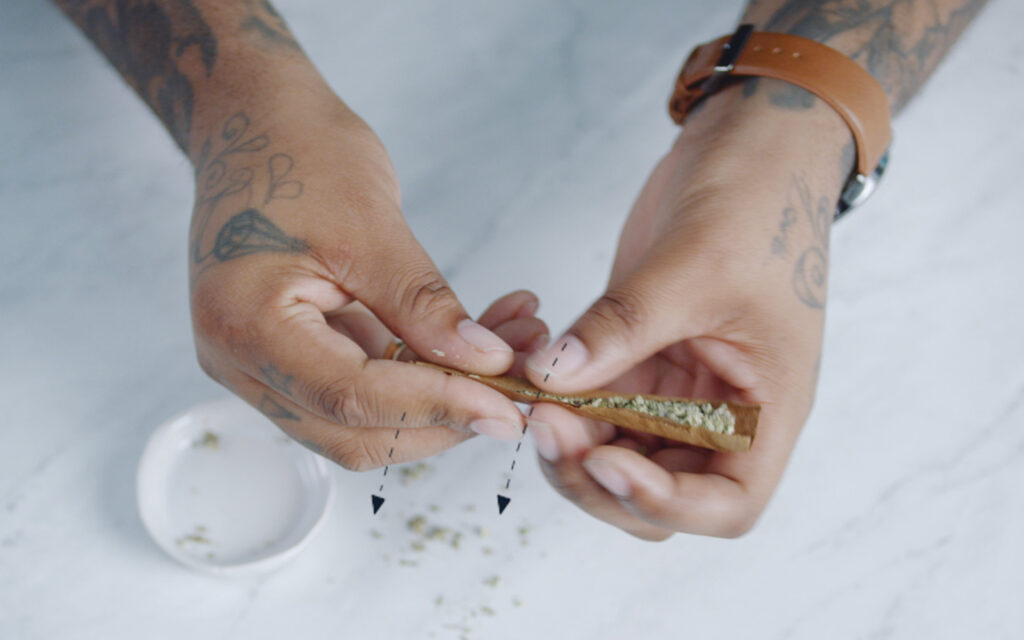
The art of rolling a blunt involves a nuanced set of skills that transcends mere recreation, embedding itself deeply within certain cultural practices and social rituals. This introductory discourse seeks to explore the foundational aspects of blunt rolling, highlighting the materials, techniques, and cultural significance associated with this venerable practice.
A blunt is distinct from other forms of smoking implements due to its composition primarily involving tobacco leaf wrappers, which are typically derived from cigars or specifically manufactured for this purpose. The robust and flavorful tobacco leaf encases a filling of finely ground cannabis, offering a unique combination of tastes and a prolonged burning time compared to other smoking methods.
Selection of Materials: The first step in the process of rolling a blunt involves the selection of quality cannabis, which should be fresh, adequately cured, and of a strain that meets the user’s preferences in terms of flavor and potency. Equally important is the choice of the tobacco leaf wrapper. Traditionally, enthusiasts would procure a cigar, carefully unroll it, and replace the tobacco with cannabis. However, the market now offers pre-cut, tobacco-based wrappers specifically designed for blunt rolling, which are more convenient and consistent in quality.
Preparation of Cannabis: Prior to rolling, the cannabis must be properly prepared by grinding it to a fine, even consistency. This not only facilitates a smoother rolling experience but also ensures an even burn throughout the smoking session. Over-grinding should be avoided as it can result in a powdery texture that may compromise the structural integrity of the blunt.
Rolling Technique: The technique of rolling a blunt is paramount and requires both patience and practice. After evenly spreading the ground cannabis along the tobacco leaf wrapper, the roller must carefully tuck and roll the wrapper around the cannabis. This is done by using thumbs and index fingers to gently fold the wrapper around the cannabis, ensuring that it is tight enough to hold the contents securely while allowing sufficient airflow for smoking.
Sealing the Blunt: Once rolled, the edge of the tobacco leaf wrapper is often licked to provide moisture that helps in sealing the blunt. The adhesive properties of the moistened tobacco leaf will help in securing the blunt, ensuring it does not unravel during use. The finished blunt is then typically dried slightly to help the seal set and to ensure a steady burn.
In conclusion, rolling a blunt is a skill that combines botanical expertise with the practical artistry of rolling. It serves not only the purpose of consumption but also acts as a social bond among participants, often accompanying group discussions and communal gatherings. As with any practice involving cannabis, it is crucial to remain cognizant of the legalities and health implications associated with its use. This introduction aims to equip the novice with the basic knowledge required to explore this engaging craft responsibly.
Essential Materials Needed for Rolling a Blunt
The art of crafting a blunt requires specific materials that contribute significantly to the quality and enjoyment of the final product. This guide outlines the crucial components necessary for rolling a blunt, equipping enthusiasts with the knowledge to perform this task with skill and elegance.
I. Tobacco Leaf Wrapper
Key Material: The tobacco leaf wrapper is central to the identity of a blunt, providing a distinct, robust flavor and slow burn. Originally sourced from hollowed-out cigars, today there are also pre-cut, cigar-style wrappers available on the market, designed specifically for blunt rolling. These wrappers come in various flavors and sizes to suit personal preferences.
II. Cannabis
Selecting Quality Cannabis: The type of cannabis used is vital, influencing the blunt’s potency and flavor. It is important to use fresh, well-cured cannabis that is ground to a consistency that supports easy rolling without becoming too powdery. The selected strain should match the intended effects, whether it be relaxation, euphoria, or creativity.
III. Grinder
Optimal Consistency Achieved: A grinder is essential for converting cannabis buds into a fine, even grind, ensuring the blunt burns uniformly and the rolling process is seamless. It is advisable to use durable metal grinders equipped with sharp teeth, as they are effective in achieving a uniform grind.
IV. Rolling Tray
Maintaining an Organized Workspace: A rolling tray serves as a clean, designated area for assembling a blunt. It helps organize the ground cannabis and the wrapper, preventing spills and conserving valuable cannabis.
V. Tools for Packing and Sealing
Precision Tools: Tools such as a poker are used to distribute and pack the cannabis evenly within the wrapper, promoting an even burn. A lighter may also be needed to carefully dry and seal the tobacco leaf by running a flame along the blunt’s length.
VI. Moisture Source
Effective Sealing: Moisture is crucial for sealing the blunt once it is rolled. Typically, the edge of the wrapper is moistened with saliva. For hygienic purposes, a small, water-dampened sponge can also be effectively used to moisten the wrapper.
Conclusion
Rolling a blunt is both a skillful practice and a cultural tradition. Having the right materials not only improves the quality of the blunt but also enhances the overall rolling experience. With the correct tools and materials at their disposal, individuals can perfect the craft of blunt rolling, making the practice both enjoyable and rewarding.
Preparation of Ingredients
Ingredient preparation is a critical step in the culinary process, greatly influencing a dish’s flavor, texture, and overall success. This guide offers a thorough review of the methods and considerations essential for preparing ingredients, ensuring that each contributes positively to the culinary outcome.
I. Selection of Ingredients
Quality and Freshness: Choosing high-quality, fresh ingredients is essential. Fresh vegetables, meats, and spices are more likely to produce richer flavors and better textures. Seasonal ingredients are particularly advantageous, offering peak flavors and nutritional benefits.
II. Washing and Cleaning
Hygiene and Safety: It is imperative to thoroughly wash all ingredients, especially fruits, vegetables, and proteins, to remove contaminants like dirt, bacteria, and pesticide residues. Extra care is needed for items consumed raw or with minimal processing.
III. Cutting and Chopping
Technique and Uniformity: Effective cutting techniques are crucial as they influence cooking times and dish presentation. Ensuring uniformity in the size of the chopped ingredients promotes even cooking and consistent textures. Always use sharp, suitable knives for different types of ingredients.
IV. Measuring and Weighing
Accuracy in Proportions: Precise measurement of ingredients is vital, particularly in baking, where exact ratios are crucial for chemical reactions. Employing standard measuring cups and digital scales can aid in achieving precise proportions.
V. Marinating and Seasoning
Enhancing Flavors: Marinating ingredients in a mix of spices and liquids helps enhance flavors and tenderize. Properly timing the addition of herbs and spices is crucial, as some flavors develop better during cooking, while others are optimal when added just before serving.
VI. Pre-cooking
Techniques for Texture: Pre-cooking methods like blanching or par-boiling can reduce cooking times and help achieve the desired textures, especially for vegetables and certain meats.
VII. Storage and Handling
Maintaining Quality: Proper storage and handling of ingredients are critical to avoid spoilage and preserve flavor integrity. This includes knowing the best temperatures and conditions for storing various types of ingredients before and after preparation.
Conclusion
The meticulous preparation of ingredients is as important as the cooking itself. By adhering to these guidelines, chefs and home cooks can ensure that each ingredient is handled thoughtfully and contributes effectively to the final dish. This disciplined approach not only improves the quality of the meals prepared but also enhances the overall culinary experience.
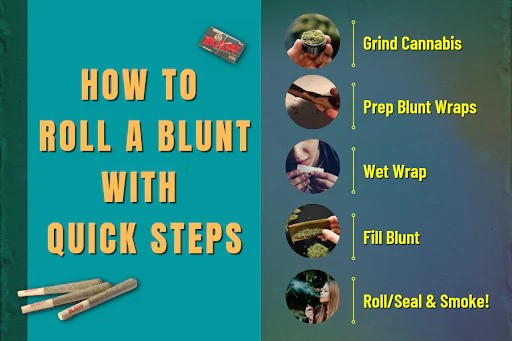
Step-by-Step Guide to Rolling a Blunt
Blunt rolling is a refined skill that melds the traditional use of tobacco with the enjoyment of cannabis. This guide offers a precise, step-by-step methodology for perfecting this craft, aimed at delivering a precise and pleasurable final product. Each step has been methodically detailed to simplify the learning process for both beginners and seasoned rollers.
I. Gather Your Materials
Essential Supplies: Prior to starting, make sure you have the necessary materials: cannabis, a cigar or cigarillo, a grinder, a small knife or blade, and a lighter. A rolling tray is optional but recommended to keep your space tidy.
II. Prepare the Cannabis
Grinding: Grind your cannabis into small, uniform pieces using a grinder. This consistency is crucial for ensuring an even burn. Avoid grinding too finely as it might restrict airflow through the blunt.
III. Prepare the Wrapper
Splitting the Cigar: Carefully split the cigar lengthwise with a small knife or razor blade, starting from the butt end and working towards the tip. Handle the wrapper delicately to prevent any tears.
Empty the Tobacco: Remove the tobacco from inside the split cigar, scraping it out gently. You may either dispose of this tobacco or keep it for future use, based on your preference.
IV. Moisten the Wrapper
Adding Moisture: Lightly dampen the tobacco wrapper using saliva or a moist sponge to enhance its flexibility and ease of handling, thereby minimizing the risk of tearing.
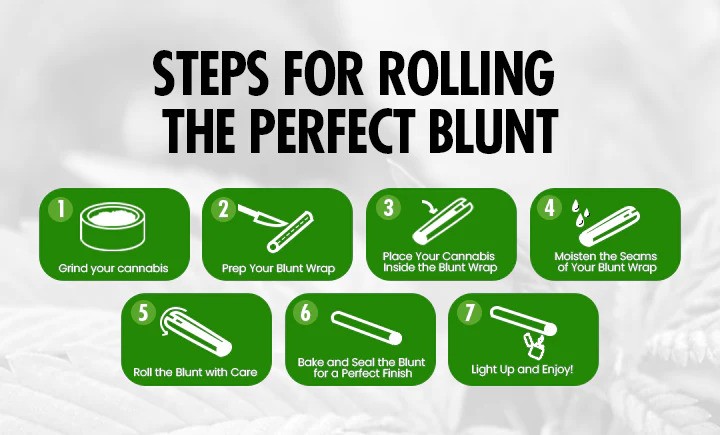
V. Fill the Wrapper
Adding Cannabis: Distribute the ground cannabis uniformly across the center of the wrapper, from one end to the other. Ensure there is adequate space at both ends to prevent spillage and properly seal the blunt.
VI. Roll the Blunt
Tuck and Roll: Begin at the bottom end of the wrapper, tucking the edge over the cannabis and rolling upwards. Keep the cannabis tightly packed as you roll, applying consistent pressure to avoid unevenness.
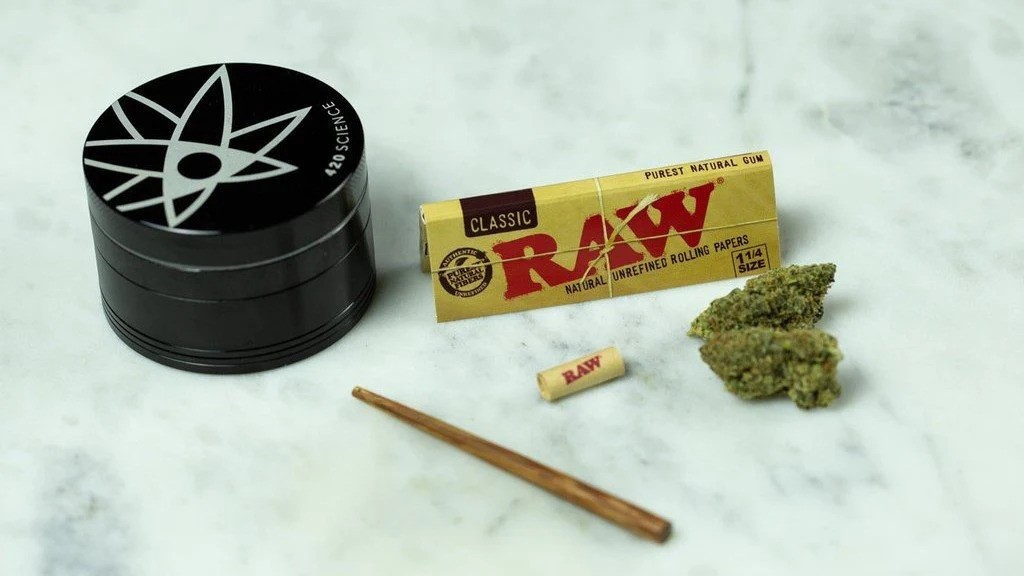
VII. Seal the Blunt
Sealing: After rolling, moisten the exposed edge of the wrapper and gently press to seal it completely. Use a lighter to carefully run a flame along the seam, which helps to dry and secure the tobacco leaf.
VIII. Dry and Finish
Final Touches: Let the blunt dry slightly before lighting to ensure a stable burn and optimal smoking experience. You might want to twist the tip to keep the contents secure and trim any excess wrapper at the mouthpiece for a cleaner draw.
IX. Enjoy Responsibly
Responsible Use: Be aware of and comply with local cannabis laws. Smoke responsibly to ensure your actions do not disturb others or breach legal restrictions.
Conclusion
Rolling a blunt is a rewarding activity that improves with practice and patience. By adhering to these steps, individuals can refine their rolling technique and enjoy the distinctive experience provided by a well-prepared blunt. Whether enjoyed alone or in a social setting, blunt rolling is a gratifying ritual for enthusiasts.
Sealing and Curing the Blunt
The last stages in crafting a blunt, specifically sealing and curing, are crucial for producing a final product that not only delivers on flavor and draw but also maintains the structural integrity over time. These procedures necessitate meticulous attention to detail and a thorough understanding of the factors that optimize the smoking experience. This guide outlines effective methods for sealing and curing a blunt.
I. Sealing the Blunt
Achieving a Tight Seal: After rolling the blunt, it is critical to ensure a secure seal along the edge of the tobacco leaf wrapper. This is usually accomplished by lightly moistening the edge with saliva or a dampened brush, taking care not to saturate the leaf, which could weaken it. Carefully press down and smooth the moistened edge across the blunt’s body to eliminate any gaps or loose spots.
Application of Heat: Following the seal, apply a gentle heat source, like a lighter, along the blunt’s seam. This step dries the moisture involved in the sealing process, securing the leaf in place and enhancing the roll’s durability. Move the flame steadily along the seam, avoiding prolonged exposure in any one area to prevent burning the wrapper.
II. Curing the Blunt
Initial Drying Phase: After sealing, allow the blunt to rest during a brief drying phase. This time lets the moisture from the sealing evaporate, solidifying the structure. Store the blunt in a cool, dry place away from direct sunlight and humidity, which could potentially deform the wrap or cause uneven burning.
Curing for Flavor Enhancement: While not always required, some enthusiasts choose to cure their blunts for several hours to overnight to boost the flavor profile of both the cannabis and tobacco wrapper. This controlled process should enhance the blend of flavors, providing a richer smoking experience. Ensure the curing environment is stable to avoid the degradation of crucial cannabinoids and terpenes.
III. Testing and Adjustments
Quality Checks: Before smoking, conduct several quality checks on the blunt. Ensure it is uniformly packed by rolling it gently between your fingers; the texture should be consistent without any dense spots or loose areas. Also, inspect for any cracks or possible air leaks that could impair the draw and burn.
Making Necessary Adjustments: If problems are found during the checks, make the necessary adjustments. This may involve repacking the blunt slightly or reapplying heat to the seal. Confirming the blunt’s condition before use will greatly improve the smoking experience.
Conclusion
The processes of sealing and curing are integral to the blunt-rolling journey. These steps not only safeguard the blunt’s structure but also enhance its taste and overall smoking quality. By meticulously following these techniques, one can ensure each blunt is a testament to the precision and care invested in its creation, leading to a rewarding and enjoyable experience.
Advanced Blunt Rolling Techniques
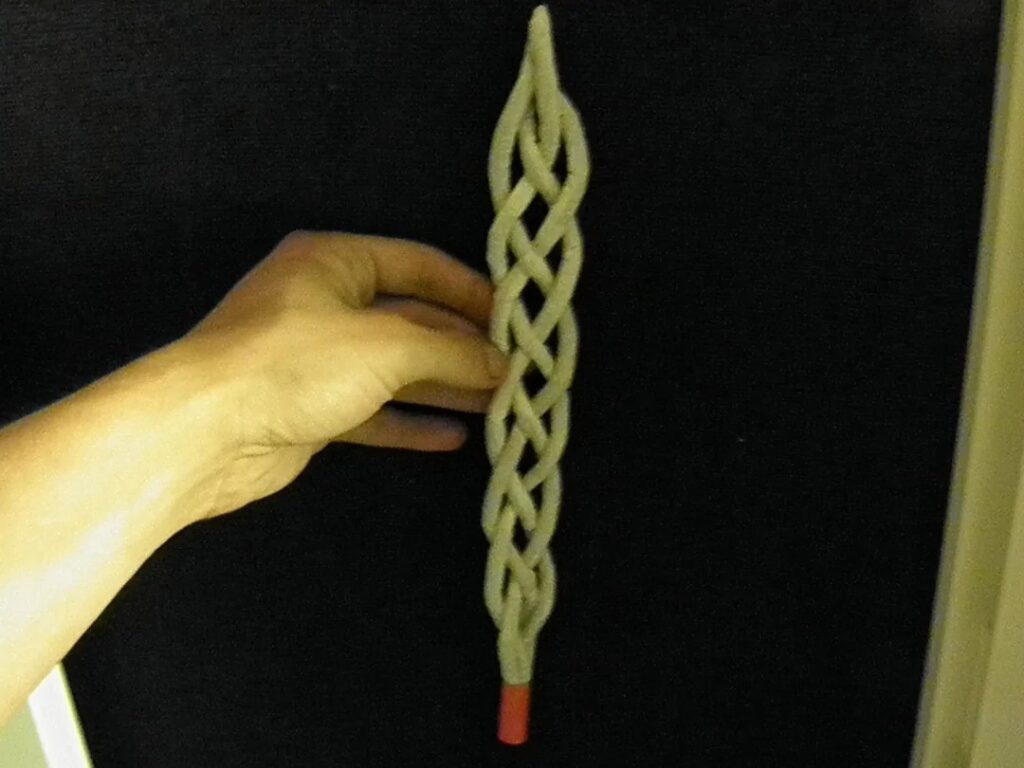
The art of rolling a blunt is more than a utilitarian task; it represents a deep blend of tradition and craftsmanship. As rollers perfect their foundational skills, they often explore more complex techniques that enhance both the visual appeal and functionality of their blunts. This guide explores sophisticated blunt rolling techniques, enabling seasoned enthusiasts to advance their craft and derive greater pleasure and complexity from their creations.
I. The Art of Double Wrapping
Enhanced Durability and Burn Rate: Double wrapping involves using two layers of tobacco leaf wrappers to increase the blunt’s durability and promote a slower, more even burn. Start by rolling the blunt with one wrapper, then carefully encase it in a second layer. This not only strengthens the blunt but also intensifies the flavor, making for a richer smoking experience.
II. Incorporating Multiple Strains
Flavor Layering and Potency: For those seeking a complex taste and varied effects, mixing multiple cannabis strains in one blunt can be highly rewarding. Strategically layer different strains within the blunt to create a vibrant flavor profile and complex psychoactive impacts. Arranging sativa at one end and indica at the other, or interspersing hybrids, allows customization of the smoking experience to fit personal preferences.
III. The Tulip Blunt
Ornate Design for Special Occasions: Combining the methods of rolling a standard blunt with a tulip joint results in the ornate tulip blunt. This design forms a large bulb at one end of the blunt, secured with flexible paper to ensure consistent burning. The tulip blunt is often featured at social gatherings as an elegant centerpiece.
IV. The Braided Blunt
Complex Weaving for an Enhanced Experience: This advanced technique involves rolling three thin blunts and carefully braiding them together. The braided blunt not only presents a visually stunning appearance but also benefits from increased structural integrity and cooler smoke due to enhanced airflow. Mastering this method requires precision and patience, resulting in a highly personalized and distinctive blunt.
V. Using Exotic Wrappers
Exploring Diverse Flavors and Experiences: Some rollers experiment with non-traditional wrappers such as rose petals, banana leaves, or corn husks. These alternatives offer unique flavors and varied burn rates, allowing for further personalization of the smoking experience. They are particularly appealing to those seeking unique experiences or wishing to steer clear of traditional tobacco products.
Conclusion
Advanced blunt rolling techniques push the boundaries of creativity and skill, enhancing the overall enjoyment of smoking. Whether the goal is to achieve aesthetic beauty, a palette of flavors, or a consistently burning blunt, these advanced methods provide a canvas for expression and innovation. Perfecting these techniques not only brings personal satisfaction but also elevates the communal smoking experience, making each session uniquely memorable and enjoyable.
Troubleshooting Common Rolling Problems
The process of rolling, whether for cigars, cigarettes, or blunts, presents a set of challenges that can affect the overall quality and satisfaction derived from the final product. This guide offers targeted solutions to help identify and rectify the frequent difficulties encountered during the rolling process, ensuring smooth and consistent results.
I. Uneven Rolling
Problem Identification: A frequent issue in rolling is achieving an even tightness throughout the roll, often resulting in one side being tighter than the other, which leads to inconsistent burning.
Solution: Begin by distributing the filling material evenly on a rolling tray. It is essential to apply consistent pressure along the roll’s length to ensure uniform density.
II. Wrapping Issues
Problem Identification: Common complications during the wrapping phase include tearing of the paper or wrapper and challenges in securing a proper seal.
Solution: Handle the wrapper with care and ensure it is sufficiently moistened, if necessary, to increase its flexibility. For issues related to sealing, check that the adhesive edge of the wrapper is neither too wet nor too dry and press down firmly to establish a secure seal.
III. Excessive Tightness or Looseness
Problem Identification: Rolls that are too tight may restrict airflow, making them difficult to draw from, whereas too loose rolls can lead to uneven burning and potential fallout of material.
Solution: Practice is key to finding the right balance. Roll the material snugly but not so tightly that it hampers airflow. If the roll is too loose, redistribute the material more evenly and roll again with a slight increase in pressure.
IV. Material Consistency
Problem Identification: A grind that is too inconsistent can lead to hot spots, uneven burning, and difficulties in rolling smoothly.
Solution: Use a grinder to achieve a more uniform consistency of the material. Avoid over-grinding, which can turn the material into a fine powder and obstruct proper airflow.
V. Poor Burn Quality
Problem Identification: A roll that burns too quickly, unevenly, or extinguishes often may be due to improper rolling technique or material preparation.
Solution: Ensure that the material is not excessively dry, as this can cause rapid burning. If the material is too moist, allow it to dry out a bit before rolling. Also, make sure the material is compacted evenly and remove any large stems or pieces that could lead to uneven burning.
Conclusion
Effectively addressing common rolling problems is crucial for achieving a pleasurable smoking experience. By systematically managing issues related to uneven rolling, wrapping, tightness, material consistency, and burn quality, rollers can improve both the process and the enjoyment of their creations. These troubleshooting measures not only enhance the quality of the rolls but also contribute to refining the skills of the roller, fostering a more enjoyable and skilled practice.
Safety and Legal Considerations
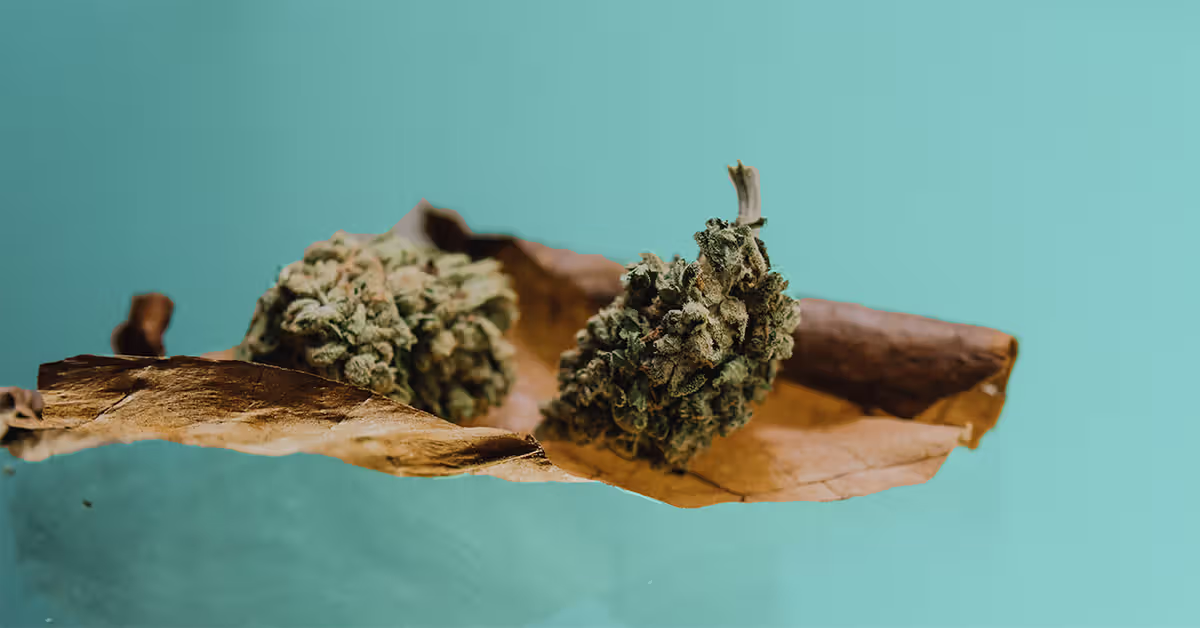
In activities involving substances such as tobacco and cannabis, adhering to safety and legal standards is crucial for ensuring individual well-being and compliance with regulations. This document outlines essential safety and legal considerations that individuals and organizations must observe to mitigate risks and uphold societal norms.
I. Understanding Legal Restrictions
Compliance with Laws: Grasping the scope of local, state, and federal laws that regulate the use, possession, production, and distribution of substances like tobacco and cannabis is crucial. These regulations differ widely among various jurisdictions, and failure to comply can result in harsh penalties, such as fines and imprisonment.
Age Restrictions: Strict enforcement of age restrictions is essential for the legal and ethical sale and use of substances like tobacco and cannabis. Compliance with these regulations prevents underage individuals from accessing substances that could be harmful to them.
II. Ensuring Safety in Usage
Proper Handling and Usage: Adhering to safe handling and usage protocols is essential to prevent accidents and health issues. This includes proper storage, correct use of accessories, and following guidelines to mitigate risks such as fire hazards and respiratory problems.
Educational Initiatives: Implementing education programs about the safe and responsible use of substances can significantly reduce health risks and enhance public safety. These programs should include information on the effects of substances on health, safe usage practices, and the risks associated with impaired driving.
III. Promoting Health and Prevention
Health Advisories: Health advisories play a crucial role in alerting the public to the risks associated with substance use. Regular updates, informed by the latest medical research, are vital for helping individuals make informed choices and reducing health incidents.
Access to Support Services: Providing access to counseling and addiction support services is imperative for individuals struggling with substance dependence or those looking to quit. These services are key in supporting recovery and effective management of addiction issues.
IV. Ethical Marketing Practices
Responsible Advertising: Marketing and advertising of these substances should be conducted ethically, avoiding targeting vulnerable demographics such as young people or those prone to addiction. Adherence to established advertising standards and codes of practice is essential for maintaining public trust and legal compliance.
Transparency in Labeling: Ensuring that products are accurately labeled with health warnings and content details is critical for consumer protection. Clear labeling enables consumers to make well-informed choices regarding their purchases.
Conclusion Maintaining rigorous safety and legal standards is fundamental in managing activities involving controlled substances. By implementing the recommended safety protocols and legal guidelines, individuals and organizations not only protect themselves legally but also contribute to creating a safer, better-informed community. This commitment to safety and legal adherence promotes a responsible culture and improves the well-being of all stakeholders involved.
Conclusion
In summary, the art of rolling a blunt is a detailed process that requires skill, precision, and a thorough understanding of the materials and techniques used. This guide has aimed to provide a complete overview of the essential steps needed to master this craft, from the initial preparation of materials to the advanced techniques that enhance the rolling experience.
The choice and preparation of cannabis form the cornerstone of crafting an excellent blunt. It is critical to grind the cannabis finely and distribute it evenly to ensure the blunt burns uniformly. The type of wrapper also plays a crucial role, significantly affecting the flavor and burn rate of the blunt. The actual process of rolling demands both dexterity and patience. For beginners, mastering the technique to tuck and seal the wrapper may be challenging, but with continued practice, these skills become more natural and fluid. Ensuring the blunt is properly sealed is vital, as it prevents air leaks and ensures a smoother smoking experience.
Employing advanced rolling techniques, such as the Dutch Crown or the Cross Joint, enriches the rolling experience. While these methods are not essential for enjoyment, they deepen one’s appreciation for the craft and produce visually striking results that can be shared and enjoyed in social settings.
Additionally, it is crucial to always consider the safety and legal implications when rolling and consuming blunts. Adhering to local laws and understanding the effects of cannabis are fundamental for responsible usage. Mastering the art of rolling a blunt involves engaging in a long-standing tradition that combines botanical expertise with artistic expression. Whether for personal pleasure or social enjoyment, the skills developed through diligent practice of these techniques significantly enhance the overall experience.
