
How to Protect Soil Health During Off-Seasons for Medical Cannabis Cultivation: A Detailed Guide
The cultivation of medical cannabis has seen a surge in interest due to its potential to treat various medical conditions, including chronic pain, epilepsy, anxiety, and more. As with any agricultural endeavor, maintaining soil health is one of the most crucial aspects of ensuring a successful, sustainable, and efficient production cycle. For medical cannabis, specifically, soil health is even more critical because it directly impacts the plant’s cannabinoid content, which in turn affects its medical efficacy.
Off-seasons, when the cannabis plants are not actively growing, are critical times for soil management. Proper practices during this period can ensure the soil remains healthy, fertile, and capable of supporting future crops. The following is an in-depth guide on how to protect and improve soil health during off-seasons for medical cannabis cultivation, focusing exclusively on soil management without delving into consumption methods or recreational use.
Importance of Soil Health in Medical Cannabis Cultivation
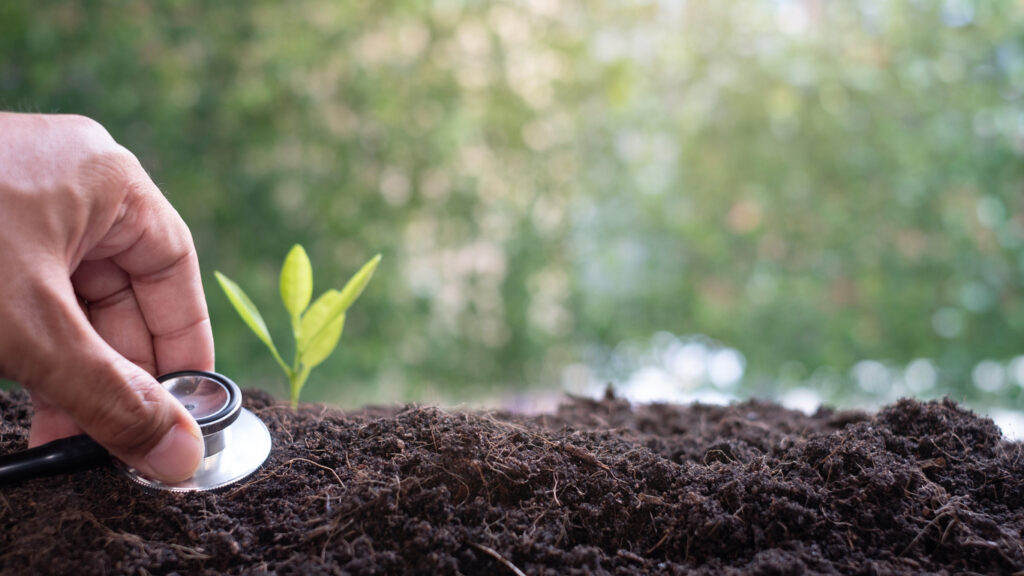
Healthy soil is the foundation of all successful farming, but it is especially crucial in medical cannabis cultivation for several reasons:
- Nutrient Availability: Soil health directly affects the availability of nutrients to the cannabis plants, which in turn influences the plant’s growth, yield, and cannabinoid profile.
- Pest and Disease Resistance: Healthy soils with a rich microbial community can help plants resist diseases and pests, reducing the need for chemical inputs that could compromise the medical quality of the cannabis.
- Water Retention and Drainage: Proper soil structure helps retain water efficiently while allowing for adequate drainage, preventing root rot and other water-related issues that can negatively impact plant health and cannabinoid content.
- Sustainability: Healthy soils reduce the need for synthetic fertilizers and pesticides, which not only cuts down on production costs but also helps in producing a cleaner, safer product for medical use.
Maintaining this health during the off-season is vital for ensuring that the soil remains capable of supporting future crops, and that the medical cannabis produced is of the highest quality.
Off-Season Soil Protection Techniques for Medical Cannabis
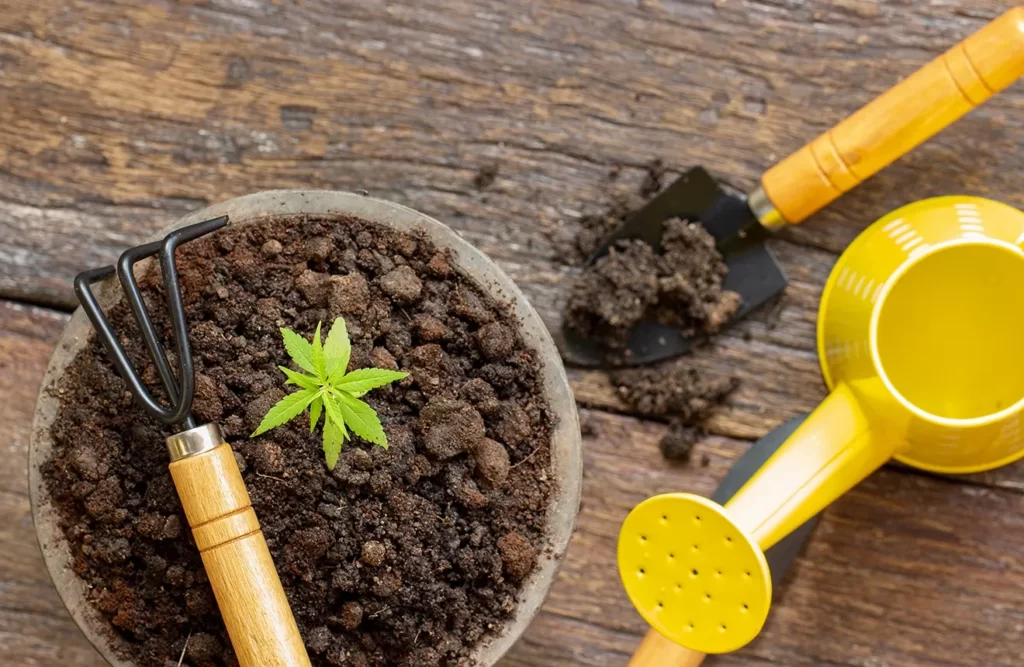
- Cover CropsCover crops are an essential tool for maintaining and improving soil health during the off-season. These are plants grown to cover the soil rather than for harvest. Cover crops play multiple roles in soil protection and enhancement:
- Erosion Control: Cover crops protect the soil from wind and water erosion, especially in areas with sloped terrain.
- Nutrient Cycling: Certain cover crops, like legumes, can fix nitrogen from the atmosphere and incorporate it into the soil, enriching its fertility.
- Organic Matter Contribution: As cover crops grow and then decompose, they add organic matter to the soil, which improves soil structure, water retention, and microbial activity.
- Weed Suppression: A dense cover crop can suppress the growth of weeds, which would otherwise compete with cannabis plants for nutrients and water in the following season.
- Legumes (e.g., clover, vetch): Nitrogen-fixing plants that enhance soil fertility.
- Grasses (e.g., rye, barley): These crops provide excellent soil cover, suppress weeds, and contribute to organic matter.
- Brassicas (e.g., mustard, radish): These can help break up compacted soils with their deep taproots and are good for pest management.
- Soil Testing and AmendmentsDuring the off-season, it is critical to conduct soil tests to understand the soil’s nutrient profile and pH levels. Cannabis plants have specific nutrient requirements, and imbalances can lead to deficiencies or toxicities that affect the medicinal quality of the plant. Soil tests can inform whether amendments are necessary.Key Elements to Test For:
- Nitrogen (N): Essential for vegetative growth.
- Phosphorus (P): Vital for root development and flowering.
- Potassium (K): Helps with overall plant health and cannabinoid production.
- Micronutrients (e.g., Calcium, Magnesium, Sulfur, Zinc, Iron): These play crucial roles in plant health and secondary metabolite production, including cannabinoids.
- pH Levels: Cannabis thrives in a slightly acidic soil, with a pH between 6.0 and 7.0. Amendments like lime (to raise pH) or sulfur (to lower pH) can be added based on soil test results.
- Compost: Adding well-decomposed organic matter during the off-season boosts microbial activity, improves soil structure, and provides a slow-release source of nutrients.
- Rock Phosphate: Provides a long-term source of phosphorus.
- Kelp Meal: Contains potassium and micronutrients essential for cannabis plants.
- Biochar: A stable form of carbon that can be added to improve soil structure, water retention, and microbial activity.
- MulchingMulching is another effective way to protect soil health during the off-season. Mulch is a layer of organic or inorganic material spread over the soil surface. Organic mulches like straw, wood chips, or compost are ideal for medical cannabis cultivation as they break down over time, adding nutrients to the soil.Benefits of Mulching:
- Prevents Erosion: Mulch acts as a barrier between the soil and the elements, reducing the risk of soil erosion caused by wind and rain.
- Moisture Retention: Mulch helps retain soil moisture, reducing the need for irrigation during the off-season.
- Weed Suppression: A thick layer of mulch can prevent weeds from taking root, reducing competition for nutrients in the next growing season.
- Soil Temperature Regulation: Mulch helps keep soil temperatures stable, protecting the microbial life in the soil during extreme temperature fluctuations.
- Compost ApplicationCompost is an invaluable tool for improving soil health during the off-season. Rich in organic matter, compost provides essential nutrients to the soil and fosters a healthy microbial community, which is critical for breaking down organic material and making nutrients available to plants.How to Apply Compost:
- Apply a 2-3 inch layer of compost over the soil surface after the harvest.
- If cover crops are not used, till the compost into the top 6-8 inches of soil.
- If cover crops are planted, compost can be applied alongside them or incorporated into the soil in the spring before planting the next cannabis crop.
- Nutrient Enrichment: Compost adds essential nutrients like nitrogen, phosphorus, and potassium to the soil in a slow-release form.
- Soil Structure Improvement: Compost improves soil structure, making it more friable and better at retaining moisture.
- Microbial Activity Boost: Healthy soil depends on a thriving microbial community, and compost provides the necessary organic material to sustain beneficial microorganisms.
- Tillage and No-Till PracticesTillage is a common farming practice, but excessive or inappropriate tilling can degrade soil health by disrupting the soil structure and microbial ecosystems. Off-season is a great time to assess the tilling practices used in medical cannabis cultivation and consider a shift toward low-till or no-till practices.No-Till Benefits:
- Soil Structure Preservation: No-till farming helps maintain soil structure, which is critical for proper root development and nutrient uptake.
- Water Retention: No-till soils have better water retention, which can be particularly beneficial during dry periods.
- Microbial Health: No-till farming promotes a healthy microbial ecosystem, which is essential for breaking down organic matter and cycling nutrients.
- Beneficial Microorganisms and Mycorrhizal FungiBeneficial microorganisms, such as bacteria and fungi, play a crucial role in maintaining soil health. Mycorrhizal fungi, in particular, form symbiotic relationships with plant roots, helping plants absorb nutrients more efficiently. During the off-season, promoting these microorganisms can help maintain soil health and prepare it for the next cannabis crop.How to Promote Beneficial Microorganisms:
- Inoculation: Use commercial inoculants that contain beneficial bacteria and fungi, such as mycorrhizal fungi, during the off-season.
- Compost Teas: Brew compost teas, which are rich in beneficial microorganisms, and apply them to the soil to boost microbial activity.
- Avoid Chemical Inputs: Reduce or eliminate the use of synthetic fertilizers and pesticides, which can harm beneficial microorganisms.
- Water ManagementEven during the off-season, proper water management is essential for protecting soil health. If the soil is left too dry, it can become compacted and lose its structure. Conversely, overly saturated soil can lead to waterlogging and nutrient leaching.Off-Season Water Management Tips:
- Irrigation Reduction: Reduce irrigation during the off-season but ensure the soil stays moist enough to support microbial life.
- Cover Crops: As mentioned earlier, cover crops help manage water by improving soil structure and preventing water runoff.
- Drainage Improvement: Assess drainage patterns and, if necessary, improve them to prevent waterlogging during rainy seasons.
- Crop Rotation and Soil RestCrop rotation is the practice of growing different types of crops in succession on the same land to maintain soil fertility and reduce the risk of pests and diseases. While cannabis may be the primary crop, rotating it with other crops during the off-season can be beneficial for soil health.Benefits of Crop Rotation:
- Nutrient Balancing: Different crops have different nutrient requirements, and rotating crops helps prevent nutrient depletion in the soil.
- Pest and Disease Reduction: Crop rotation disrupts the life cycles of pests and diseases that may target cannabis.
- Soil Rest: In some cases, it may be beneficial to allow the soil to rest during the off-season, with no crops planted at all. This can give the soil time to recover from intensive farming practices.
- Preventing Soil ContaminationFor medical cannabis cultivation, soil contamination is a critical concern, as contaminants can be taken up by the plants and affect the medicinal quality of the final product. During the off-season, take steps to prevent soil contamination from external sources.Prevention Tips:
- Avoid Chemical Runoff: Ensure that no chemical runoff from neighboring fields enters the cannabis cultivation site. This may require buffer zones or the construction of berms or swales to divert water.
- Test for Heavy Metals: Conduct soil tests for heavy metals such as lead, arsenic, and cadmium, as these can be taken up by cannabis plants and compromise the safety of the medical product.
- Use Organic Inputs: Only use organic soil amendments and fertilizers that are free from contaminants.
- Biodiversity and Habitat PreservationMaintaining biodiversity in and around the cannabis cultivation site can have positive effects on soil health. Encourage natural ecosystems by planting native species around the growing area and creating habitats for beneficial insects and wildlife.Benefits of Biodiversity:
- Pest Control: Biodiversity helps control pest populations by encouraging natural predators.
- Soil Fertility: A diverse ecosystem supports a wide range of microorganisms and insects that contribute to soil fertility.
Restrictions on Growing and Using Cannabis in the Medical Field Only: A Focus on Last Resort Treatment and THC Monitoring
The use of cannabis in the medical field has garnered significant attention due to its potential to treat various conditions, including chronic pain, epilepsy, multiple sclerosis, and anxiety. However, medical cannabis use is highly regulated, and there are strict restrictions to ensure it is used safely and only when necessary. These restrictions are designed to minimize potential harm, ensure the efficacy of treatment, and prevent the psychoactive effects of cannabis, particularly those linked to its tetrahydrocannabinol (THC) content.
Cannabis as a Last Resort in Medical Treatment
One of the most important restrictions in medical cannabis use is that it should be prescribed as a last resort. This principle stems from the need to exhaust conventional treatment methods before resorting to cannabis-based medications, which are often considered due to their complex legal status and variable clinical efficacy.
For medical cannabis to be prescribed:
- All other treatment options must be tried and shown to be ineffective or cause intolerable side effects.
- A licensed physician must determine that cannabis offers potential therapeutic benefits for the patient that outweigh the risks of psychoactive effects.
- Comprehensive medical evaluation must be conducted to ensure that cannabis is suitable for the patient’s condition.
This precautionary approach aims to ensure that cannabis is only used when absolutely necessary and when there is significant evidence supporting its use for a particular medical condition.
Monitoring THC Levels to Prevent Psychoactive Effects
The psychoactive compound in cannabis, THC, is responsible for the “high” that is commonly associated with its recreational use. In the medical field, it is crucial to regulate and monitor THC levels in cannabis-derived medications to prevent unintended psychoactive effects, particularly in vulnerable patients. The primary goals of THC monitoring in medical cannabis are to:
- Minimize psychoactivity: Medical cannabis products often have low THC concentrations to ensure patients do not experience altered mental states. Instead, they are designed to deliver therapeutic effects without the high.
- Ensure consistent dosage: Monitoring THC levels helps standardize medical cannabis products, ensuring patients receive consistent, controlled doses to manage their conditions effectively.
- Promote the use of CBD: The non-psychoactive ingredient in cannabis, cannabidiol (CBD), is frequently utilized in higher quantities for its anxiolytic, anti-inflammatory, and anticonvulsant effects. This helps mitigate any psychoactive effects from THC.
Regulations and Quality Control in Medical Cannabis Production
Governments and medical regulatory bodies impose strict guidelines on the cultivation, processing, and distribution of medical cannabis. Some of the common restrictions include:
- Cultivation licenses: Only licensed growers are allowed to cultivate cannabis for medical purposes. These facilities are subject to inspections to ensure they meet quality and safety standards.
- Product testing: Medical cannabis products must be rigorously tested for THC and CBD levels, pesticides, heavy metals, and other contaminants.
- Prescription requirements: Medical cannabis can only be dispensed by certified pharmacies and must be prescribed by a licensed medical practitioner.
Conclusion
The cultivation and use of cannabis in the medical field is a highly regulated process aimed at ensuring patient safety, therapeutic efficacy, and the responsible handling of a powerful medicinal plant. Medical cannabis is restricted to use only when conventional treatments have been exhausted and deemed ineffective, making it a last resort option for treating certain chronic conditions such as epilepsy, pain, and multiple sclerosis. This conservative approach ensures that cannabis is not over-prescribed and is only used when there is clear evidence of its potential benefits outweighing the risks.
Maintaining soil health during off-seasons is crucial for sustainable medical cannabis cultivation. Techniques such as using cover crops, applying compost, promoting beneficial microorganisms, and monitoring water management protect the soil’s integrity, ensuring nutrient-rich, fertile soil for future crops. These practices not only improve plant growth but also contribute to a cleaner and more effective end product for medical use.
A critical aspect of medical cannabis cultivation and use is the monitoring of THC levels. THC, the psychoactive component of cannabis, is strictly regulated in medical products to prevent psychoactive effects in patients. By ensuring low THC concentrations and promoting the use of cannabidiol (CBD), which offers therapeutic benefits without altering mental states, medical cannabis can provide effective treatment while maintaining patient safety. Rigorous quality control measures—including cultivation licenses, product testing, and prescription regulations—are in place to ensure consistent, safe, and high-quality cannabis-derived medications.
Altogether, these restrictions and practices ensure that medical cannabis is grown sustainably, used responsibly, and administered in a controlled environment, protecting both patients and the medical integrity of cannabis as a therapeutic tool.
