How to Properly Store Cannabis Seeds
Proper storage of cannabis seeds is essential to ensure their viability and longevity. Since cannabis seeds are living things, they need certain circumstances in order to continue having the ability to germinate. This guide will cover every aspect of storing cannabis seeds, from understanding their nature to the best practices for storage.
Understanding Cannabis Seeds
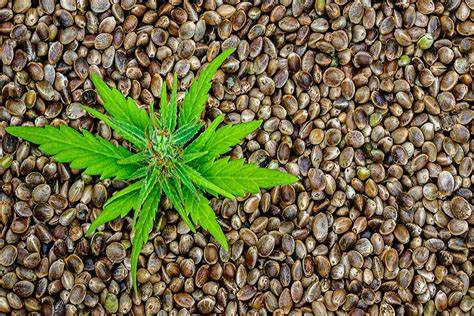
Cannabis seeds are the starting point for cultivating the cannabis plant, and understanding their biology, structure, and requirements is crucial for successful growth and storage. In this section, we will delve into the anatomy of cannabis seeds, their life cycle, and the factors influencing their viability.
Anatomy of Cannabis Seeds
Cannabis seeds are small, hard-shelled seeds that contain all the genetic information necessary to produce a new cannabis plant. They have a distinct structure, comprising several key components:
- Seed Coat (Testa):
- The seed’s outermost layer of protection is called the seed coat. It shields the inner parts from physical damage, pests, and environmental stress. The seed coat is typically brown or gray, with a smooth or slightly mottled surface.
- Embryo:
- The embryo is the living part of the seed that will develop into the new plant. It consists of:
- Radicle: The embryonic root, which will be the first part to emerge during germination.
- Hypocotyl: The stem-like part that connects the radicle to the cotyledons.
- Cotyledons: The seed leaves that provide the initial nutrients to the seedling. Cannabis seeds usually have two cotyledons.
- The embryo is the living part of the seed that will develop into the new plant. It consists of:
- Endosperm:
- The tissue surrounding the embryo that is rich in nutrients is called the endosperm. It provides the essential nutrients required for the embryo’s growth during the early stages of germination.
Life Cycle of Cannabis Seeds
Understanding the life cycle of cannabis seeds helps in optimizing storage and germination conditions. The stages of the life cycle are as follows:
- Dormancy:
- Cannabis seeds are dormant when they are and can be viable for a long time if preserved properly. As a kind of survival, dormancy enables seeds to endure adverse environments until they are ready to germinate.
- Germination:
- The process through which a seed wakes up from dormancy and begins to grow is called germination. It involves several steps:
- Imbibition: Water is absorbed by the seed, which makes it swell and soften.
- Radicle Emergence: The radicle breaks through the seed coat and grows downward to form the root system.
- Hypocotyl Elongation: The hypocotyl elongates, pushing the cotyledons upward.
- Cotyledon Expansion: The cotyledons unfold and begin photosynthesis, providing energy for further growth.
- The process through which a seed wakes up from dormancy and begins to grow is called germination. It involves several steps:
- Seedling Stage:
- The seedling stage begins once the cotyledons are fully expanded and the plant starts developing true leaves. Establishing a robust root system and leaves requires this stage.
- Vegetative Stage:
- During the vegetative stage, the plant focuses on developing strong roots, stems, and leaves. Adequate light, nutrients, and water are essential for robust growth.
- Flowering Stage:
- The flowering stage is triggered by changes in the light cycle. Female plants produce flowers, which, if pollinated, will develop seeds. If not pollinated, they produce resinous buds rich in cannabinoids.
- Seed Maturation:
- In pollinated plants, seeds will develop within the flowers. As the seeds mature, they undergo several changes, including hardening of the seed coat and accumulation of nutrients.
Factors Affecting Seed Viability
The viability of cannabis seeds is influenced by various environmental and handling factors. Ensuring optimal conditions for storage and minimizing adverse influences are crucial for maintaining the seeds’ ability to germinate and grow into healthy plants. Here, we will explore the primary factors that affect seed viability in detail.
Temperature
Temperature is a critical factor in maintaining seed viability. Temperatures too high or too low may harm the seeds.
- High Temperatures:
- Elevated temperatures can accelerate metabolic processes within the seed, leading to faster degradation of stored nutrients and enzymes.
- Prolonged exposure to heat can damage the seed coat and the embryo inside, reducing germination rates.
- Ideally, cannabis seeds should be stored in a cool environment, preferably between 4°C (39°F) and 8°C (46°F).
- Low Temperatures:
- Extremely low temperatures, especially those below freezing, can cause the moisture within seeds to form ice crystals, which can damage cell structures.
- Seeds stored at freezing temperatures require special handling to prevent damage during the freezing and thawing process.
- For long-term storage, seeds can be frozen, but they should be properly dried and vacuum-sealed to prevent ice formation.
Humidity
Humidity levels play a significant role in seed storage. The right balance is essential to prevent both desiccation and mold growth.
- High Humidity:
- Excessive moisture can lead to mold and fungal growth, which can quickly destroy seeds.
- High humidity can also cause seeds to absorb water and begin the germination process prematurely, which is undesirable during storage.
- Seeds should be stored with a relative humidity level around 20-30%.
- Low Humidity:
- While low humidity is generally beneficial, overly dry conditions can desiccate seeds, leading to the loss of essential moisture required for germination.
- Using desiccants such as silica gel can help maintain a stable, low-humidity environment within the storage container.
Light Exposure
Light exposure can degrade seed quality and reduce viability over time.
- Direct Light:
- Exposure to direct light, especially UV rays, can damage the genetic material within seeds, leading to lower germination rates and weaker plants.
- Light can also increase the temperature within the storage environment, exacerbating other storage issues.
- Dark Storage:
- Storing seeds in a dark environment is essential to prevent light-induced damage.
- Opaque containers or dark storage locations can help protect seeds from light exposure.
Oxygen
Oxygen exposure can lead to the oxidation of seeds, reducing their viability.
- Oxidation:
- Oxygen can react with the lipids and other organic compounds within seeds, leading to their degradation.
- Oxidation can decrease the seeds’ ability to germinate and produce healthy plants.
- Controlled Atmosphere:
- Storing seeds in an airtight container can limit oxygen exposure.
- Vacuum-sealing seeds or using inert gas flushing (e.g., nitrogen) can further protect seeds from oxidation.
Physical Damage
Physical damage to seeds can occur during handling, transportation, or storage, affecting their ability to germinate.
- Handling:
- Rough handling can crack or crush the seed coat, making seeds more vulnerable to environmental stress and reducing their viability.
- Using tools like tweezers and handling seeds gently can minimize physical damage.
- Storage Containers:
- Choosing appropriate storage containers that protect seeds from physical impacts is crucial.
- Rigid, airtight containers can provide the necessary protection.
Ideal Storage Conditions for Cannabis Seeds
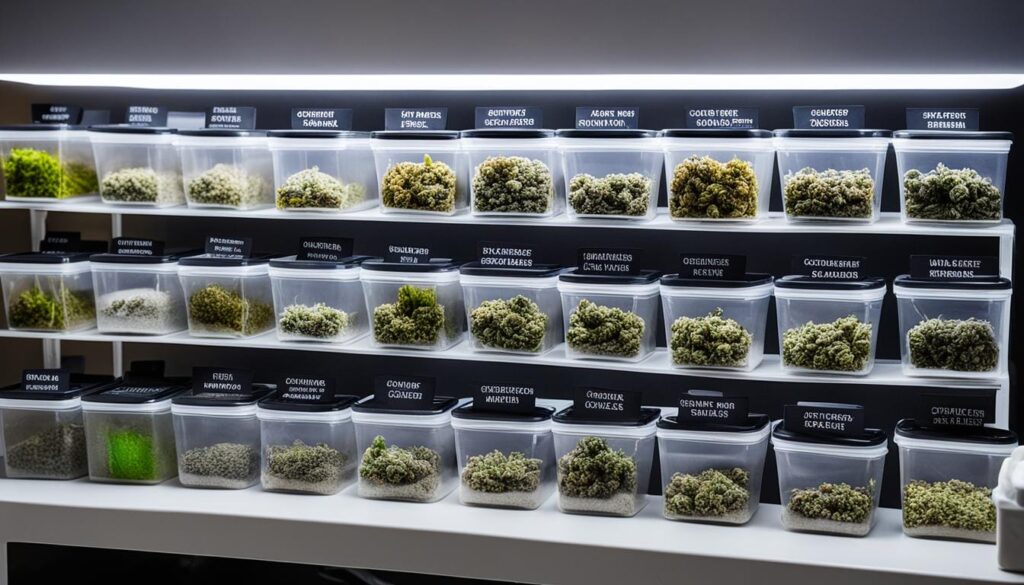
Ensuring that cannabis seeds remain viable over extended periods requires meticulous attention to storage conditions. Proper storage can significantly extend the life of seeds and maintain their ability to germinate and grow into healthy plants. This section outlines the ideal conditions for storing cannabis seeds and provides detailed guidance on maintaining these conditions.
Temperature
Temperature is a critical factor in maintaining seed viability. Cannabis seeds are best stored in a cool, stable environment. Here are the key considerations for temperature control:
- Cool Temperatures:
- The optimal temperature range for storing cannabis seeds is between 4°C (39°F) and 8°C (46°F). This range helps to slow down metabolic processes within the seeds, reducing the risk of degradation.
- Storing seeds in a refrigerator is an effective way to maintain this temperature range. However, it is essential to avoid frequent temperature fluctuations, which can occur if the refrigerator door is opened often.
- Avoid Freezing:
- For long-term storage, freezing is a possibility, but it needs to be handled carefully. Seeds must be thoroughly dried and vacuum-sealed to prevent ice crystal formation, which can damage the seeds.
- If freezing, maintain a consistent temperature around -20°C (-4°F) and avoid repeated freezing and thawing cycles.
Humidity
Humidity levels are crucial for preventing mold growth and maintaining seed moisture content. Here’s how to manage humidity effectively:
- Low Humidity:
- The relative humidity for storing cannabis seeds should be kept around 20-30%. Low humidity levels prevent mold and fungal growth, which can destroy seeds.
- Using desiccants like silica gel packs or dry rice inside the storage container can help absorb excess moisture and maintain the desired humidity level.
- Airtight Containers:
- Store seeds in airtight containers to control the internal humidity. Vacuum-sealed bags, mason jars with airtight lids, or specialized seed storage containers are ideal choices.
- Regularly check and replace desiccants to ensure continued moisture control.
Light
Light exposure can degrade seed quality and trigger premature germination. Here’s how to manage light exposure:
- Dark Environment:
- Store seeds in a completely dark environment to prevent light-induced damage. Exposure to light, particularly UV rays, can degrade the genetic material within the seeds.
- Use opaque containers or store containers in a dark, enclosed space like a cupboard or a basement.
- Light-Proof Containers:
- If using transparent containers, wrap them in opaque material or store them inside a dark box to block any light exposure.
Oxygen
Limiting oxygen exposure helps prevent oxidation, which can reduce seed viability. Here’s how to manage oxygen levels:
- Airtight Sealing:
- Use vacuum-sealed bags or containers to minimize oxygen exposure. Vacuum sealing removes most of the air, creating a low-oxygen environment that preserves seed quality.
- For added protection, consider flushing containers with an inert gas like nitrogen before sealing. This displaces oxygen and further reduces the risk of oxidation.
Physical Protection
Protecting seeds from physical damage during storage is essential for maintaining their viability. Here’s how to ensure physical protection:
- Durable Containers:
- Store seeds in rigid, durable containers that protect them from crushing or impact damage. Mason jars, metal tins, and sturdy plastic containers are suitable options.
- Ensure containers have tight-fitting lids to prevent accidental opening and contamination.
- Gentle Handling:
- Handle seeds with care to avoid cracking or damaging the seed coat. Use tools like tweezers when handling seeds, and avoid dropping or shaking containers.
Detailed Storage Methods for Cannabis Seeds
Proper storage methods are essential to maintain the viability and quality of cannabis seeds over time. This section provides a detailed guide on various storage methods, including refrigeration, freezing, cool dark storage, and using seed banks or specialized storage facilities. Each method has its specific procedures and considerations to ensure the seeds remain viable.
1. Refrigeration
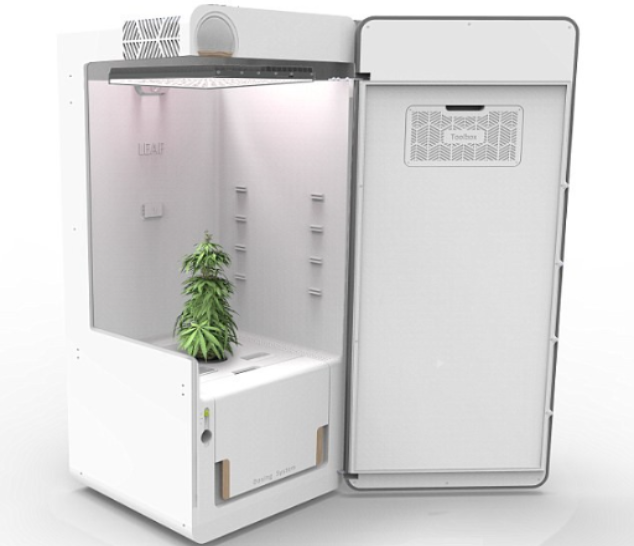
Refrigeration is a popular method for medium to long-term storage of cannabis seeds. It provides a stable, cool environment that slows down metabolic processes and preserves seed viability.
Preparation:
- Airtight Containers: Use airtight containers to prevent moisture and air from affecting the seeds. Mason jars with tight-fitting lids, vacuum-sealed bags, or plastic containers are ideal.
- Desiccants: Include silica gel packs or dry rice to absorb any excess moisture within the container.
- Labeling: Clearly label the container with the strain name and storage date for easy identification.
Storage:
- Temperature: Set the refrigerator to a stable temperature between 4°C (39°F) and 8°C (46°F).
- Location: Store the container in the crisper drawer or a stable part of the refrigerator to avoid temperature fluctuations caused by frequently opening the door.
Considerations:
- Minimize Opening: Avoid opening the container frequently to prevent temperature and humidity changes.
- Regular Checks: Periodically check the desiccants and replace them if they become saturated with moisture.
2. Freezing
Freezing is suitable for long-term storage (5-10 years) and requires careful handling to prevent damage to the seeds.
Preparation:
- Drying: Ensure seeds are thoroughly dried before freezing to prevent ice crystal formation.
- Vacuum Sealing: Use a vacuum sealer to remove air from the storage container, creating a low-oxygen environment.
- Desiccants: Add silica gel packs or other desiccants to control moisture.
- Labeling: Label the container with strain name, storage date, and any other relevant information.
Storage:
- Temperature: Set the freezer to a consistent temperature, ideally around -20°C (-4°F).
- Placement: Place the container in the freezer, avoiding areas with temperature fluctuations, such as near the door.
Considerations:
- Single Freezing: Only freeze seeds once, as repeated freezing and thawing can damage them.
- Thawing Process: When ready to use, allow the seeds to thaw gradually at room temperature to avoid thermal shock.
3. Cool, Dark, Dry Storage (e.g., Basement or Cellar)
Storing seeds in a cool, dark, and dry environment is effective for short to medium-term storage (up to 2 years).
Preparation:
- Airtight Containers: Use airtight, opaque containers to protect from light and moisture.
- Desiccants: Include silica gel packs or dry rice to control humidity.
- Labeling: Label the container with strain name and storage date.
Storage:
- Temperature: Find a location with stable temperatures around 15°C (59°F) and low humidity.
- Darkness: Ensure the storage area is dark, such as a basement or cellar, to prevent light exposure.
Considerations:
- Regular Checks: Regularly check the seeds for signs of mold or degradation.
- Moisture Control: Replace desiccants as needed to maintain a dry environment.
4. Using Seed Banks and Specialized Storage Facilities
Seed banks and specialized storage facilities offer professional storage solutions for preserving cannabis seeds.
Preparation:
- Research: Choose a reputable seed bank or storage facility with proven experience in preserving cannabis seeds.
- Documentation: Ensure they provide detailed information on their storage methods and conditions.
- Packaging: Follow any specific packaging requirements provided by the seed bank.
Storage:
- Professional Conditions: Seed banks use specialized equipment to maintain optimal storage conditions, including temperature, humidity, and light control.
- Long-Term Preservation: Seeds are typically stored in vacuum-sealed containers or special vials designed for long-term preservation.
Considerations:
- Cost: The costs can vary, but the investment is worthwhile for valuable or rare strains.
- Security: Ensure the seed bank has proper security measures to protect your seeds.
Monitoring and Maintenance
Regardless of the storage method, regular monitoring and maintenance are essential to ensure the seeds remain viable:
- Regular Inspections:
- Periodically check the seeds for signs of mold, discoloration, or physical damage.
- Ensure the storage environment remains within the optimal temperature and humidity range.
- Rotating Stock:
- Use older seeds first to ensure that none go to waste.
- Maintain a log to track storage dates and germination rates.
- Desiccant Replacement:
- Replace silica gel packs or other desiccants periodically to maintain moisture control.
- Check for color changes in silica gel packs, which indicate moisture absorption.
Common Mistakes to Avoid
- Improper Temperature Control:
- Avoid storing seeds in places with fluctuating temperatures, such as attics or garages.
- Do not use regular household freezers without proper preparation.
- High Humidity:
- Do not store seeds in plastic bags or containers without desiccants.
- Avoid storing seeds in humid environments like kitchens or bathrooms.
- Light Exposure:
- Do not store seeds in transparent containers exposed to light.
- Ensure the storage area is completely dark.
- Frequent Handling:
- Minimize handling to avoid physical damage and temperature changes.
- Use tools like tweezers to handle seeds when necessary.
Germination Testing
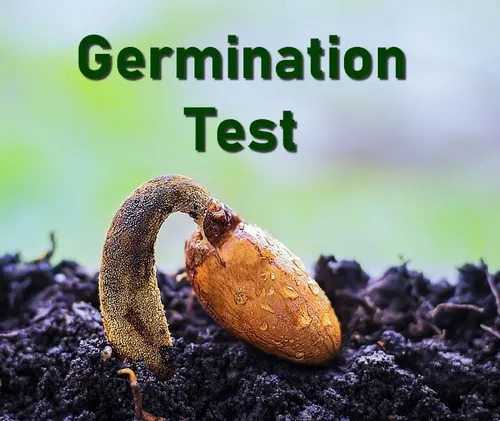
To ensure stored seeds remain viable, periodic germination testing can be beneficial:
- Sample Testing:
- Select a few seeds from the stored batch.
- Germinate them using a standard method, such as the paper towel method.
- Assessing Viability:
- Monitor the germination rate and health of the seedlings.
- If the germination rate drops significantly, consider adjusting storage conditions or using the seeds sooner.
Emergency Measures
If you suspect that your seeds have been exposed to unfavorable conditions:
- Assess the Damage:
- Check for visible signs of mold, discoloration, or damage.
- Test the seeds’ viability through germination testing.
- Adjust Storage Conditions:
- Immediately transfer seeds to an optimal storage environment.
- Replace desiccants and ensure the container is airtight.
- Use Promptly:
- If the seeds show signs of degradation but are still viable, consider using them sooner rather than continuing long-term storage.
Conclusion
Proper storage of cannabis seeds is essential for maintaining their viability and ensuring successful germination when needed. Cannabis seeds, though naturally resilient, require specific conditions to remain healthy and ready for cultivation. By understanding the anatomy and life cycle of cannabis seeds, and recognizing the factors that affect their viability, growers can create optimal storage environments.
The ideal conditions for storing cannabis seeds involve maintaining a cool, stable temperature, controlling humidity levels, minimizing light exposure, reducing oxygen levels, and protecting seeds from physical damage. Whether using refrigeration, freezing, cool dark storage, or professional seed banks, each method has specific steps and considerations to ensure seeds remain viable over time.
Key factors such as temperature, humidity, light exposure, and oxygen must be carefully managed. Regular monitoring, using desiccants, and handling seeds gently further enhance their longevity. Additionally, understanding the importance of genetic quality, seed age, moisture content, and pest control plays a crucial role in preserving seed viability.
By adhering to these detailed storage methods and best practices, growers can significantly extend the life of their cannabis seeds, ensuring a continuous supply of high-quality seeds for future cultivation. Regular inspections, germination testing, and emergency measures are essential for maintaining seed health. Proper storage not only safeguards your investment but also preserves the genetic diversity of your cannabis strains, contributing to the sustainability and evolution of cannabis cultivation.
In summary, effective cannabis seed storage requires a combination of careful preparation, optimal environmental conditions, and ongoing maintenance. By implementing these strategies, growers can ensure their seeds remain healthy, viable, and ready to produce robust, high-quality cannabis plants for years to come.
