
How to Prevent and Treat Soil-Borne Diseases in Medical Cannabis Cultivation
Introduction
Medical cannabis cultivation is a highly specialized process that requires precise environmental conditions, nutrient management, and pest control to ensure healthy plant growth. One critical area of concern in cannabis cultivation is the prevention and treatment of soil-borne diseases. These diseases can devastate crops, causing significant losses in yield and compromising the quality of the plant, which is essential for producing therapeutic cannabinoids. Soil-borne diseases affect the roots of the cannabis plant, leading to symptoms such as wilting, stunted growth, yellowing leaves, and, in severe cases, plant death.
For medical cannabis growers, preventing and treating soil-borne diseases is paramount to ensure that patients receive safe, high-quality, and effective medicine. The purpose of this guide is to delve into the nature of these diseases, identify common pathogens that affect medical cannabis, explore prevention strategies, and outline treatment options. This guide emphasizes the unique aspects of medical cannabis cultivation and the importance of maintaining a pathogen-free environment to protect patients’ health.
Common Soil-Borne Diseases in Medical Cannabis
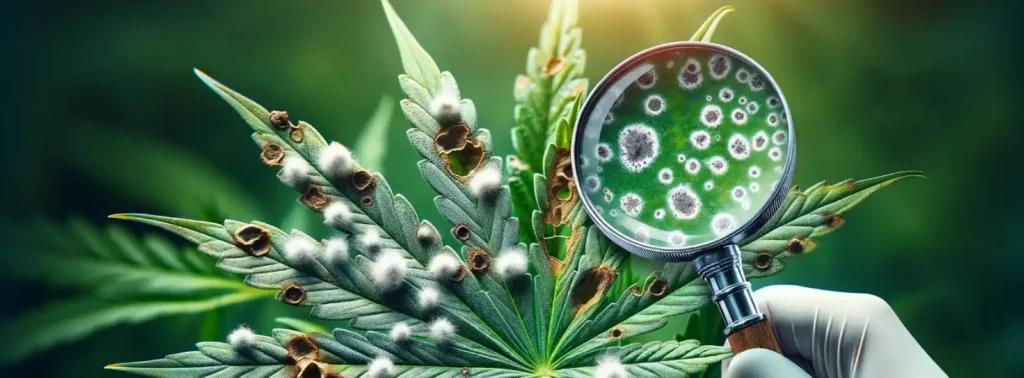
Pathogens that reside in or on the soil, including bacteria, viruses, nematodes, and fungi, are the cause of soil-borne illnesses. These pathogens typically infect the roots and lower stem of the cannabis plant, leading to reduced nutrient and water uptake. The following are some of the most common soil-borne diseases that affect medical cannabis plants:
- Fusarium Wilt (Fusarium oxysporum)
- Symptoms: Yellowing of the lower leaves, wilting, stunted growth, and brown discoloration of the vascular tissue in the stem.
- Pathogen Type: Fungus
- Impact on Cannabis: Fusarium wilt is a destructive disease that can lead to the rapid death of young plants. It thrives in warm, moist environments and can survive in the soil for long periods.
- Transmission: The fungus enters the plant through the roots and spreads via the vascular system. Tools, water, or infected soil can all spread it.
- Pythium Root Rot (Pythium spp.)
- Symptoms: Root discoloration, mushy or rotting roots, stunted growth, and yellowing of the leaves.
- Pathogen Type: Oomycete (water mold)
- Impact on Cannabis: Pythium species are among the most common causes of damping-off in seedlings and root rot in mature plants. It thrives in waterlogged soils with poor drainage and low oxygen levels.
- Transmission: The pathogen is often spread through contaminated water, soil, and growing media. Pythium can also be introduced through poor sanitation practices.
- Rhizoctonia Root Rot (Rhizoctonia solani)
- Symptoms: Dark, sunken lesions on the stems, wilting, yellowing, and root decay.
- Pathogen Type: Fungus
- Impact on Cannabis: Rhizoctonia primarily attacks the roots and stems of young cannabis plants, causing damping-off and poor root development. It favors warm, wet conditions and can persist in the soil for extended periods.
- Transmission: Rhizoctonia is transmitted through soil, contaminated plant material, and equipment. It spreads quickly in damp conditions.
- Verticillium Wilt (Verticillium dahliae and V. albo-atrum)
- Symptoms: Wilting, yellowing of the leaves, and brown streaks in the stem’s vascular tissue.
- Pathogen Type: Fungus
- Impact on Cannabis: Verticillium wilt affects the vascular system of the plant, restricting water and nutrient flow. In extreme situations, it may kill plants. The fungus spreads through the roots and can live for years in the soil.
- Transmission: This pathogen spreads through contaminated soil, plant debris, and equipment.
- Root-Knot Nematodes (Meloidogyne spp.)
- Symptoms: Galls or knots on the roots, stunted growth, wilting, and nutrient deficiencies.
- Pathogen Type: Nematode (microscopic roundworm)
- Impact on Cannabis: Root-knot nematodes feed on the plant’s roots, causing physical damage and inhibiting the plant’s ability to absorb water and nutrients. Infested plants are often weak and prone to secondary infections.
- Transmission: Nematodes are primarily spread through contaminated soil and plant material.
Prevention Strategies for Soil-Borne Diseases
The best way to manage soil-borne diseases in medical cannabis cultivation is through prevention. By implementing strict cultural practices, sanitation protocols, and environmental management techniques, growers can significantly reduce the risk of pathogen introduction and spread. Below are key prevention strategies tailored to medical cannabis cultivation:
- Soil Health and Structure
- Importance of Well-Draining Soil: Most soil-borne pathogens thrive in waterlogged, poorly draining soils. To prevent root diseases, it is crucial to use well-aerated, loamy soil with good drainage. Growers can enhance soil structure by incorporating organic matter such as compost, perlite, or coco coir.
- Soil pH: Maintaining an optimal soil pH (around 6.0 to 7.0 for cannabis) can suppress certain soil-borne pathogens. Regularly testing and adjusting the soil pH helps prevent the development of conditions that favor pathogenic fungi and bacteria.
- Soil Solarization: Soil solarization is a method that involves covering the soil with clear plastic during hot weather to trap heat and sterilize the upper soil layers. This process kills many soil-borne pathogens, nematodes, and weed seeds. It is particularly effective for outdoor cannabis cultivation before planting.
- Sanitation and Cleanliness
- Sterile Growing Media: For indoor cultivation or container growing, using sterile soil or soilless media such as coco coir, rock wool, or perlite can help minimize the risk of soil-borne diseases. Avoid reusing old soil unless it has been sterilized.
- Sanitizing Tools and Equipment: Pathogens can easily spread through contaminated tools, pots, and growing surfaces. Regularly disinfecting all equipment with a solution of hydrogen peroxide or bleach reduces the risk of disease transmission.
- Clean Water Sources: Water can be a vector for spreading soil-borne diseases, especially in hydroponic systems. It is essential to use clean, filtered water and regularly test water quality to ensure it is free of pathogens.
- Environmental Control
- Temperature and Humidity Management: Many soil-borne pathogens thrive in warm, moist conditions. Controlling temperature and humidity levels in indoor grow environments helps prevent disease outbreaks. Ideal temperatures for cannabis are between 68°F and 77°F, with humidity levels between 40% and 60%.
- Adequate Air Circulation: Ensuring proper ventilation and air circulation in the grow space helps prevent the build-up of excess moisture, which can create favorable conditions for fungal pathogens.
- Rotation and Diversification
- Crop Rotation: For outdoor medical cannabis cultivation, rotating cannabis with non-host crops can help break the disease cycle and reduce pathogen buildup in the soil. Crops such as legumes, grains, or other non-susceptible plants can be used in rotation to promote soil health.
- Companion Planting: Certain plants, such as marigolds or mustard, have been shown to suppress nematode populations and improve soil health when used as companion plants or cover crops in cannabis cultivation.
- Resistant Strains
- Using Disease-Resistant Cannabis Strains: Some cannabis strains may show greater resistance to specific soil-borne pathogens. Choosing resistant varieties can reduce the likelihood of disease outbreaks, especially in areas with a history of soil-borne issues.
- Biological Control Agents
- Beneficial Microbes: Introducing beneficial microbes such as mycorrhizae, Trichoderma species, or Bacillus subtilis can help protect cannabis roots from pathogenic fungi and bacteria. These microbes compete with harmful pathogens and can enhance the plant’s immune response.
- Nematode-Resistant Plants: Some plants, like marigolds, can suppress nematode populations when grown alongside or before cannabis. These plants release chemicals that inhibit nematode reproduction, thereby reducing soil-borne nematode populations.
Treatment Strategies for Soil-Borne Diseases
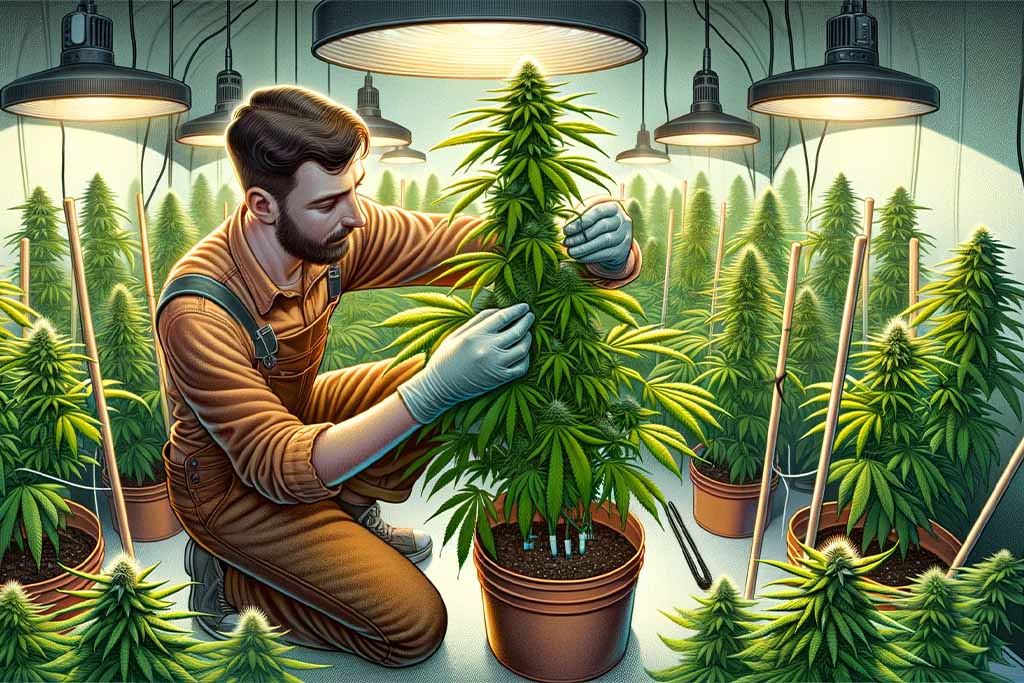
If prevention measures fail and soil-borne diseases appear in a cannabis crop, early detection and treatment are critical. While prevention is preferable, there are several treatment strategies that medical cannabis growers can use to combat soil-borne pathogens:
- Fungicidal and Bactericidal Treatments
- Chemical Fungicides: Fungicides such as copper-based products, phosphorous acid, or systemic fungicides like thiophanate-methyl can be used to treat soil-borne fungal diseases like Fusarium, Pythium, and Rhizoctonia. However, care must be taken to follow label instructions and avoid excessive chemical use, especially in medical cannabis cultivation where residue on the final product could be harmful to patients.
- Biological Fungicides: Biological control products, such as those containing Trichoderma or Bacillus subtilis, can be effective against a range of fungal pathogens. These biocontrol agents colonize the root zone, outcompete harmful pathogens, and enhance plant defense mechanisms.
- Soil Drenching
- Drenching with Organic Solutions: Soil drenches using organic solutions like compost tea, neem oil, or hydrogen peroxide can help reduce pathogen levels in the root zone. These treatments are particularly effective against early-stage infections and can be used as part of an integrated pest management (IPM) program.
- Beneficial Nematodes: To combat root-knot nematodes, applying beneficial nematodes (such as Steinernema or Heterorhabditis species) can help control pest populations. These nematodes parasitize the harmful nematodes, reducing their numbers and preventing damage to cannabis roots.
- Soil Sterilization
- Heat Sterilization: For small-scale growers, heat sterilization can be an effective way to treat contaminated soil. Soil can be sterilized by heating it to a temperature of 180°F for at least 30 minutes, which kills most soil-borne pathogens, nematodes, and weed seeds.
- Chemical Soil Fumigation: In extreme cases, soil fumigation with chemicals like methyl bromide or metam sodium may be used to eradicate soil-borne pathogens. However, this method is typically reserved for large-scale agricultural settings and is not commonly used in medical cannabis cultivation due to concerns about chemical residues and patient safety.
- Pruning and Removal of Infected Plants
- Removing Diseased Plants: If soil-borne diseases are detected, it is crucial to remove and properly dispose of infected plants to prevent the spread of pathogens to healthy plants. Diseased plants should be bagged and discarded rather than composted, as composting can allow pathogens to survive and reinfect future crops.
- Pruning Affected Areas: For diseases that affect the lower stems and leaves, such as Fusarium or Rhizoctonia, pruning away infected tissues may slow the spread of the disease. To prevent the infection from spreading to other plants, make sure pruning instruments are cleaned in between cuts.
- Hydrogen Peroxide Treatment
- Using Hydrogen Peroxide as a Root Drench: A 3% hydrogen peroxide solution can be used as a soil drench to treat root rot and fungal diseases. Hydrogen peroxide oxygenates the root zone, helping to kill harmful pathogens while promoting root health. However, repeated use should be done cautiously, as excessive applications can harm beneficial soil microbes.
- Improving Soil Drainage
- Fixing Waterlogged Conditions: Since many soil-borne pathogens thrive in overly wet soil, improving soil drainage can be an effective treatment for diseases like Pythium and Phytophthora. Raised beds, proper irrigation scheduling, and the use of well-draining soil mixes can all help mitigate disease pressure.
- Nutrient Management
- Balanced Nutrient Supply: Ensuring a balanced nutrient supply can help improve plant health and resistance to soil-borne diseases. Over-fertilization, particularly with nitrogen, can exacerbate diseases like Fusarium and Rhizoctonia. On the other hand, deficiencies in nutrients such as potassium and phosphorus can weaken the plant’s defense mechanisms, making it more susceptible to infection.
Monitoring and Early Detection
Early detection is key to managing soil-borne diseases in medical cannabis. Growers should regularly inspect plants for signs of disease, including yellowing, wilting, or stunted growth, particularly in the lower leaves and root zone. Root systems should be checked during transplanting or if plants show signs of distress.
Tools for Monitoring:
- Soil Moisture Meters: Help ensure proper soil drainage and avoid overwatering.
- pH and EC Meters: Keep track of soil conditions that may promote disease development.
- Soil Testing Kits: Regular soil testing for pathogens like nematodes or fungi can help detect problems before they spread.
Integrated Pest Management (IPM) Approach
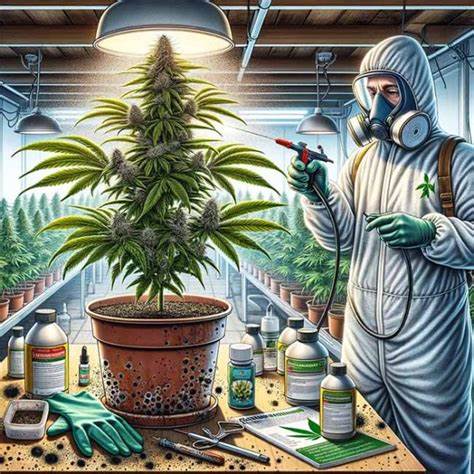
The most effective strategy for preventing and treating soil-borne diseases in medical cannabis cultivation is an integrated pest management (IPM) approach. IPM manages pests and illnesses in a sustainable and eco-friendly way by combining chemical, biological, and cultural controls.
- Cultural Controls: These include soil health management, proper sanitation, and environmental controls to prevent disease outbreaks.
- Biological Controls: The use of beneficial organisms, such as mycorrhizae, Trichoderma, and nematode predators, helps maintain a healthy soil ecosystem and suppress pathogens.
- Chemical Controls: When necessary, the use of targeted fungicides, bactericides, and nematicides can be employed, but these should be used sparingly to avoid harmful residues on medical cannabis.
Restrictions on Growing and Using Cannabis in the Medical Field (Only as a Last Resort)
In the medical field, cannabis use is subject to strict regulations to ensure its safety, efficacy, and responsible application. Here are key restrictions and guidelines:
- Limited Use for Medical Purposes: Cannabis can only be cultivated, processed, and used for therapeutic purposes in medical treatments. Its recreational use is strictly prohibited. It is often considered a treatment option only when other therapies have failed, making it a last-resort medication.
- Prescription Requirements: Medical cannabis can only be prescribed by licensed healthcare professionals, and it is typically restricted to patients with specific, approved medical conditions such as chronic pain, epilepsy, or multiple sclerosis.
- THC Level Monitoring: THC (tetrahydrocannabinol) is the psychoactive component in cannabis. To avoid the psychoactive effects on patients, THC levels in medical cannabis must be carefully monitored and regulated. Products intended for medical use often have low THC content or include higher levels of CBD (cannabidiol), which mitigates psychoactive effects.
- Dosage Control: Medical cannabis is provided in precise dosages, with formulations designed to minimize side effects while maximizing therapeutic benefits. Dosage is closely monitored by healthcare professionals.
- Strict Cultivation Regulations: The cultivation of medical cannabis is subject to rigorous oversight, including adherence to guidelines on soil quality, pesticide use, and pathogen control, ensuring that the product is safe for consumption by patients.
Conclusion
The cultivation and use of medical cannabis present both opportunities and challenges in the field of medicine. As a therapeutic option, cannabis has shown promise in treating a variety of medical conditions, including chronic pain, epilepsy, and multiple sclerosis. However, it is subject to strict regulations and must be approached with caution, especially when used as a last resort for patients who have not responded to other forms of treatment.
Preventing and treating soil-borne diseases is a critical concern in medical cannabis cultivation. Soil-borne pathogens such as Fusarium, Pythium, and Rhizoctonia can devastate cannabis crops, affecting both yield and quality. For medical cannabis, maintaining plant health is particularly important as it directly impacts the safety and efficacy of the medicine produced. Preventative strategies such as maintaining soil health, proper sanitation, environmental control, and the use of resistant strains are vital in ensuring disease-free crops. In cases where pathogens are present, treatment strategies like biological controls, fungicides, and soil sterilization must be employed promptly to protect plant health.
The regulatory framework surrounding medical cannabis is stringent, reflecting its use only in specific medical contexts. Medical cannabis is typically prescribed when all other treatment options have failed, making it a last-resort option for many patients. This is to ensure that cannabis is used responsibly and that its therapeutic properties are fully explored without unnecessary risks. Licensed professionals are required to prescribe cannabis, and its cultivation and distribution are tightly controlled to maintain safety and quality.
A critical aspect of medical cannabis regulation is the monitoring of THC levels. Since THC is the psychoactive compound in cannabis, ensuring that medical cannabis contains low or balanced levels of THC is essential to prevent unwanted psychoactive effects. This is particularly important in the medical field, where the primary focus is on therapeutic outcomes without compromising patient mental clarity or safety. Products with higher CBD content are preferred for many medical applications to balance or counteract the psychoactive potential of THC.
In conclusion, medical cannabis holds significant potential as a therapeutic agent, but its cultivation, prescription, and use are bound by rigorous standards. From ensuring disease-free plants through effective soil management to monitoring cannabinoid levels to prevent psychoactive effects, each aspect of medical cannabis must be managed with care to ensure it remains a safe and effective treatment option. By following these regulations and best practices, medical cannabis can continue to provide relief for patients while minimizing risks.
