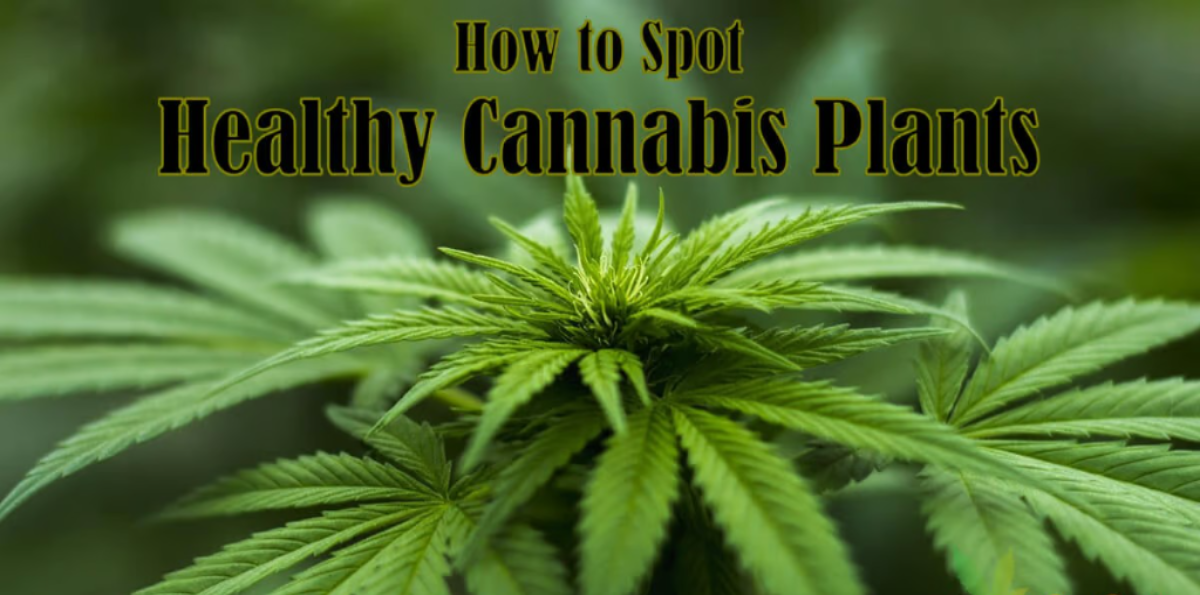
Preventing diseases in cannabis plants involves a combination of proactive measures and attentive care. Here are some tips to help keep your cannabis plants healthy:
- Start with Healthy Plants: Begin with disease-free clones or seeds from a reputable source.
- Cleanliness: Maintain a clean growing environment. Regularly sanitize your growing area, tools, and equipment to minimize the risk of pathogens spreading.
- Proper Air Circulation: Ensure good air circulation in your grow space to prevent the buildup of humidity, which can lead to mold and mildew.
- Optimal Growing Conditions: Provide the appropriate temperature, humidity, and light levels for your cannabis plants. Avoid extremes that can stress the plants and make them more susceptible to diseases.
- Watering Practices: Water your plants properly, allowing the soil to dry out between waterings to prevent root rot. Overwatering can create conditions favorable for fungal growth.
- Soil Health: Use high-quality soil or growing medium and avoid over-fertilization, which can lead to nutrient imbalances and weaken the plants’ immune system.
- Integrated Pest Management (IPM): Implement IPM tactics to manage pests and decrease disease transmission. This could include using helpful insects, organic insecticides, and physical barriers.
- Regular Inspection: Regularly check your plants for symptoms of disease or pest infestations. Early detection enables quick intervention and containment.
- Quarantine New Plants: If introducing new plants to your grow area, quarantine them for a period to ensure they’re not carrying any diseases or pests that could spread to your other plants.
- Genetic Resistance: Consider choosing cannabis strains known for their resistance to common diseases in your region.
- Pruning and Training: Reduce the chance of mold and mildew by pruning and training your plants properly to increase air circulation and light penetration.
- Proper Nutrient Management: Ensure your plants receive the right balance of nutrients to support their growth and immune function. Avoid nutrient deficiencies or excesses, which can weaken the plants.
By following these guidelines and staying vigilant, you can minimize the risk of diseases affecting your cannabis plants and maximize your harvest yield and quality.
Starting with healthy plants is crucial for disease prevention in cannabis cultivation for several reasons:
- Disease Resistance: Healthy plants are better equipped to resist diseases. They have robust immune systems and are less vulnerable to diseases like fungi, bacteria, and viruses.
- Pathogen-Free: Obtaining plants from a reputable source reduces the risk of introducing diseases into your grow space. Reputable growers and seed banks take measures to ensure their plants are free from common diseases.
- Vigor and Strength: Healthy plants are more vigorous and robust, making them better able to withstand environmental stressors and pest attacks. They can recover more quickly from damage and are less likely to succumb to diseases.
- Optimal Growth: Healthy plants grow more vigorously and produce higher yields. They are better able to take up nutrients and water, leading to stronger root systems and overall plant health.
- Early Detection: When starting with healthy plants, any signs of disease are more likely to be due to environmental factors or improper care, making it easier to diagnose and address issues promptly.
- Preventing Spread: Introducing diseased plants into your grow space can lead to the spread of pathogens to other plants, creating a domino effect of disease. Starting with healthy plants helps prevent this scenario.
Maintaining cleanliness in your cannabis cultivation environment is essential for disease prevention in several ways:
- Reducing Pathogen Spread: Pathogens, including fungi, bacteria, and viruses, can thrive in dirty environments. Regularly cleaning your grow space, tools, and equipment helps eliminate potential sources of contamination and reduces the risk of pathogens spreading to your plants.
- Preventing Mold and Mildew: Mold and mildew thrive in humid and dirty environments. By keeping your grow space clean, you reduce the likelihood of mold and mildew growth, which can severely damage or even kill cannabis plants.
- Minimizing Pest Infestations: Pests are attracted to dirty and cluttered environments where they can find shelter and food sources. By maintaining cleanliness, you make your grow space less hospitable to pests, reducing the risk of infestations that can damage your cannabis plants and transmit diseases.
- Improving Air Circulation: A clean grow space allows for better air circulation, which is essential for preventing the buildup of humidity and stagnant air pockets. Good air circulation helps reduce the risk of mold, mildew, and other fungal diseases that thrive in stagnant conditions.
- Preventing Cross-Contamination: Dirty tools and equipment can act as vectors for spreading diseases from one plant to another. Cleaning and sanitizing your instruments on a regular basis reduces the danger of cross-contamination and helps to minimize disease transmission among your cannabis plants.
- Enhancing Plant Health: Cleanliness promotes overall plant health by creating an environment free of stressors and potential disease vectors. Healthy plants are better able to resist diseases and are more likely to thrive throughout their growth cycle.
Proper air circulation is vital for preventing diseases in cannabis plants for several reasons:
- Reduced Humidity: Good air circulation helps to disperse surplus moisture, lowering humidity levels in the grow room. High humidity can promote fungal infections like powdery mildew and bud rot. Maintaining good air circulation reduces the chance of these diseases taking hold.
- Prevention of Stagnant Air: Stagnant air pockets can develop in poorly ventilated grow spaces. These areas become breeding grounds for pests and pathogens. Proper air circulation ensures that air is constantly moving, preventing the formation of stagnant pockets and reducing the risk of disease transmission.
- Even Distribution of CO2: Adequate air circulation ensures that carbon dioxide (CO2) is evenly distributed around the plants. CO2 is essential for photosynthesis, the process by which plants produce energy. By ensuring proper CO2 levels, you promote healthy growth and vigor in cannabis plants, making them more resilient to diseases.
- Temperature Regulation: Proper air circulation helps regulate temperature levels in the grow space. Extreme temperatures can stress plants and weaken their immune systems, making them more susceptible to diseases. Good airflow helps maintain optimal temperature conditions, promoting overall plant health.
- Removal of Stale Air and Odors: Efficient air circulation helps to remove stale air and odors from the grow space. Stale air can contain pathogens and other contaminants that pose a risk to plant health. By continuously exchanging air, you create a fresher and cleaner environment for your cannabis plants, reducing the likelihood of diseases.
- Prevention of Mold and Mildew: Mold and mildew thrive in environments with poor air circulation and high humidity levels. Proper airflow helps to prevent the buildup of moisture on plant surfaces, reducing the risk of mold and mildew growth. This is particularly important during the flowering stage when dense buds are more susceptible to fungal attacks.
Optimal growing conditions play a crucial role in preventing diseases in cannabis plants by promoting overall plant health and resilience. Here’s how:
- Stress Reduction: Providing optimal growing conditions such as appropriate temperature, humidity, and light levels minimizes stress on cannabis plants. Stressed plants are more susceptible to diseases as their immune systems weaken. By creating a stable and favorable environment, you help plants maintain robust health and better resist pathogens.
- Strong Immune Response: Cannabis plants grown in optimal conditions are better equipped to mount a strong defense against diseases. They can produce more phytochemicals, such as terpenes and cannabinoids, that have antimicrobial properties and help fend off pathogens. Additionally, plants grown under optimal conditions can activate their innate immune responses more effectively.
- Healthy Root Zone: Maintaining proper soil moisture, aeration, and nutrient levels in the root zone is essential for preventing root diseases such as root rot and damping-off. Optimal growing conditions promote healthy root development and function, reducing the risk of root-related issues that can compromise plant health.
- Balanced Nutrition: Providing the right balance of nutrients, including macronutrients (nitrogen, phosphorus, potassium) and micronutrients (iron, magnesium, calcium, etc.), ensures that cannabis plants have all the essential elements they need for healthy growth. Nutrient deficiencies or imbalances weaken plants and make them more susceptible to diseases.
- Air Circulation: Optimal growing conditions include adequate air circulation, which helps prevent the buildup of humidity and stagnant air pockets. Good airflow reduces the risk of mold, mildew, and other fungal diseases that thrive in humid environments.
- Pest Prevention: Healthy, vigorously growing plants are less attractive to pests and are better able to withstand pest attacks. Optimal growing conditions promote plant vigor, making them less susceptible to pest infestations that can transmit diseases.
- Early Detection and Management: Growing plants under optimal conditions allows for better visibility and early detection of any signs of disease or stress. With proper monitoring, you can identify and address issues promptly before they escalate and spread throughout the crop.
Watering practices are critical for preventing diseases in cannabis plants. Here’s how proper watering techniques can help:
- Preventing Root Rot: Overwatering is one of the leading causes of root rot in cannabis plants. When soil is consistently waterlogged, it deprives the roots of oxygen, leading to root suffocation and the proliferation of root pathogens. Proper watering practices involve allowing the soil to dry out slightly between waterings, preventing waterlogged conditions and reducing the risk of root rot.
- Minimizing Fungal Diseases: Fungal diseases such as damping-off and powdery mildew thrive in moist environments. Overwatering creates excess moisture, providing an ideal habitat for fungal pathogens to proliferate. By watering cannabis plants appropriately and avoiding excessive moisture, you can reduce the risk of fungal diseases taking hold.
- Preventing Nutrient Imbalances: Overwatering can leach essential nutrients from the soil or cause nutrient imbalances, leading to nutrient deficiencies or toxicities in cannabis plants. Proper watering practices help maintain optimal nutrient levels in the root zone, supporting healthy growth and reducing the risk of nutrient-related diseases.
- Promoting Stronger Roots: Proper watering encourages cannabis plants to develop robust root systems capable of efficiently taking up water and nutrients from the soil. Stronger roots enhance the plant’s resilience to stressors and diseases, as they can better withstand environmental fluctuations and nutrient fluctuations.
- Reducing Stress: Inconsistent watering practices, such as alternating between overwatering and underwatering, can stress cannabis plants and weaken their immune systems, making them more susceptible to diseases. Consistently providing the right amount of water at the appropriate intervals helps minimize stress and promote plant health.
- Preventing Mold and Mildew: Overwatered plants are more prone to mold and mildew infestations, especially in high humidity environments. Proper watering practices, combined with good air circulation, help prevent the buildup of excess moisture on plant surfaces, reducing the risk of mold and mildew growth.
- Early Detection of Diseases: Monitoring plants during watering sessions provides an opportunity to inspect them for any signs of diseases or stress. By regularly checking plants while watering, you can identify issues early and take corrective measures to prevent the spread of diseases.
Soil health is crucial for preventing diseases in cannabis plants for several reasons:
- Balanced Nutrient Levels: Healthy soil contains a balanced array of nutrients necessary for plant growth. When cannabis plants receive the appropriate nutrients, they are better equipped to defend against diseases. Nutrient deficiencies or imbalances can weaken plants, making them more susceptible to pathogens.
- Beneficial Microorganisms: Healthy soil is teeming with beneficial microorganisms, such as bacteria, fungi, and protozoa, that form symbiotic relationships with plants. These microorganisms help protect plants from pathogens by outcompeting them for resources, producing antibiotics, and stimulating the plant’s immune system.
- Root Development: Healthy soil provides an optimal environment for root development, allowing cannabis plants to establish strong and vigorous root systems. Strong roots enhance the plant’s ability to absorb water and nutrients, making them more resilient to stressors and diseases.
- Improved Water Retention and Drainage: Well-structured soil with good water retention and drainage properties ensures that cannabis plants receive adequate moisture without becoming waterlogged. Proper soil moisture levels are essential for preventing root rot and other water-related diseases.
- pH Balance: Soil pH influences nutrient availability and microbial activity in the soil. Cannabis plants prefer slightly acidic to neutral soil conditions (pH 6.0-7.0). Maintaining the appropriate pH level in the soil promotes healthy plant growth and reduces the risk of nutrient deficiencies or toxicities that can make plants more susceptible to diseases.
- Suppressive Soils: Some soils exhibit natural suppressive properties against certain diseases. These suppressive soils contain beneficial microorganisms or compounds that inhibit the growth of pathogens. Maintaining soil health and biodiversity can enhance its suppressive capabilities, reducing the risk of diseases in cannabis plants.
- Organic Matter Content: Soil rich in organic matter provides essential nutrients and promotes beneficial microbial activity. Organic matter improves soil structure, water retention, and nutrient cycling, creating an environment conducive to healthy plant growth and disease resistance.
- Crop Rotation and Soil Sterilization: Practicing crop rotation and sterilizing soil between plantings can help prevent the buildup of soil-borne pathogens that can infect cannabis plants. Rotating crops breaks the disease cycle, while soil sterilization eliminates pathogens and pests.
Integrated Pest Management (IPM) is a holistic approach to pest control that emphasizes prevention, monitoring, and intervention strategies to manage pests while minimizing risks to human health and the environment. While IPM primarily targets pests, its principles can indirectly help prevent diseases in cannabis plants. Here’s how:
- Early Detection and Monitoring: IPM involves regular monitoring of pest populations and plant health. By closely monitoring cannabis plants, growers can detect signs of pest infestations or diseases early, allowing for prompt intervention before they become severe.
- Cultural Practices: IPM emphasizes cultural practices that promote plant health and resilience, such as proper watering, fertilization, and pruning. Healthy plants are better able to withstand pest attacks and diseases, reducing the need for chemical interventions.
- Biological Control: IPM utilizes natural predators, parasites, and pathogens to control pest populations. Some beneficial organisms used in biological control, such as predatory mites and parasitic wasps, may also prey on pests that transmit diseases to cannabis plants.
- Chemical Control: While chemical pesticides are used judiciously in IPM, their selective application targets specific pests while minimizing harm to beneficial organisms and non-target species. Reduced pesticide use helps maintain a balanced ecosystem and prevents disruptions to beneficial microbial communities in the soil, which can indirectly affect plant health and disease resistance.
- Physical Barriers and Exclusion: IPM advocates for the use of physical barriers, such as screens or row covers, to prevent pests from accessing cannabis plants. These barriers can also help reduce the spread of diseases carried by pests, such as viruses transmitted by insects.
- Resistant Cultivars: IPM strategies may include selecting cannabis cultivars that exhibit resistance or tolerance to common pests and diseases. Resistant cultivars can reduce the need for chemical interventions and minimize the risk of pest-related diseases.
- Sanitation: IPM encourages practices that minimize pest and disease pressure, such as removing plant debris, weeds, and other potential harborage sites. Sanitation helps eliminate hiding places for pests and reduces the risk of disease transmission
Regular inspection is crucial for preventing diseases in cannabis plants because it allows growers to detect early signs of problems and take corrective measures before they escalate. Here’s how regular inspection can help prevent diseases:
- Early Detection: Regular inspections enable growers to identify symptoms of diseases, such as discoloration, lesions, wilting, or unusual growth patterns, at their earliest stages. Early detection increases the chances of successfully treating or managing the disease before it spreads and causes significant damage to the plants.
- Prompt Intervention: Upon detecting signs of disease during inspections, growers can take immediate action to address the issue. This may involve removing and isolating affected plants, adjusting environmental conditions, implementing cultural practices, or applying appropriate treatments, such as biological controls or organic fungicides.
- Preventing Spread: Timely identification and treatment of diseased plants help prevent the spread of pathogens to neighboring plants. By quickly isolating and addressing affected plants, growers can contain the disease and minimize its impact on the entire crop.
- Monitoring Environmental Conditions: Regular inspections allow growers to monitor environmental conditions, such as temperature, humidity, and airflow, which can influence the development and spread of diseases. By maintaining optimal growing conditions, growers can create an environment less conducive to disease development.
- Assessing Pest Pressure: In addition to diseases, regular inspections also help growers monitor pest populations and identify pest infestations early. Pests can vector diseases or directly damage plants, making early detection crucial for effective pest management and disease prevention.
- Tracking Plant Health: Through regular inspections, growers can track the overall health and vigor of cannabis plants over time. Any changes in plant health or growth patterns can indicate underlying issues that may lead to disease development. By addressing these issues promptly, growers can proactively prevent diseases from occurring.
- Improving Cultivation Practices: Regular inspections provide valuable feedback on cultivation practices and their impact on plant health. By identifying areas for improvement, growers can refine their techniques, optimize growing conditions, and implement preventative measures to minimize the risk of diseases in future crops.
Quarantining new plants is an important practice for preventing the introduction and spread of diseases in cannabis cultivation. Here’s how quarantining new plants can help:
- Isolation of Potential Pathogens: Quarantining new plants involves keeping them separate from established crops for a period of time, typically several weeks to a month. During this quarantine period, any potential pathogens or pests present on the new plants can be identified and treated without risking the spread of diseases to existing plants.
- Early Detection of Diseases and Pests: By isolating new plants, growers can closely monitor them for signs of diseases, pests, or other issues. Any symptoms that develop during the quarantine period can be promptly addressed without affecting the health of established crops.
- Preventing Introduction of Unknown Pathogens: New plants brought into a cultivation facility may carry pathogens or pests that are not present in the existing crop. Quarantining allows growers to assess the health of new plants and determine if they pose a risk of introducing unknown pathogens or pests into the growing environment.
- Protecting Established Crops: Quarantining new plants helps protect established crops from potential disease outbreaks. By preventing the spread of diseases from new plants to existing crops, growers can maintain the health and productivity of their entire operation.
- Implementing Treatment Protocols: If diseases or pests are detected during the quarantine period, growers can implement treatment protocols to address the issues before introducing the new plants into the main cultivation area. This may involve applying pesticides, fungicides, or other control measures to eliminate pathogens or pests.
- Minimizing Economic Losses: Disease outbreaks can have significant economic consequences for cannabis growers, including reduced yields, lower quality products, and increased production costs. Quarantining new plants helps minimize the risk of disease outbreaks and associated economic losses by preventing the introduction of pathogens into the cultivation facility.
- Maintaining Regulatory Compliance: Quarantining new plants may be required by regulatory agencies or industry standards to prevent the spread of diseases and pests. By following quarantine protocols, growers can ensure compliance with regulations and demonstrate their commitment to responsible cultivation practices.
Genetic resistance refers to the natural ability of certain cannabis cultivars (strains) to resist or tolerate specific diseases. Here’s how genetic resistance can help prevent diseases in cannabis plants:
- Natural Defense Mechanisms: Some cannabis cultivars have inherent genetic traits that make them less susceptible to certain diseases. These traits may include the production of secondary metabolites with antimicrobial properties, enhanced cell wall strength, or the ability to recognize and mount a defense response against pathogens.
- Reduced Disease Incidence: Cultivating cannabis cultivars with genetic resistance to specific diseases can significantly reduce the incidence and severity of outbreaks. Resistant plants are less likely to become infected even when exposed to pathogens, minimizing the risk of disease spread within the crop.
- Decreased Chemical Inputs: Genetic resistance can reduce the reliance on chemical pesticides and fungicides for disease control. By selecting resistant cultivars, growers can reduce the need for chemical interventions, lowering production costs and minimizing environmental impacts associated with pesticide use.
- Sustainable Cultivation Practices: Cultivating disease-resistant cannabis cultivars aligns with principles of sustainable agriculture by promoting natural disease control mechanisms and reducing the use of synthetic inputs. Sustainable cultivation practices contribute to long-term soil health, biodiversity, and ecosystem resilience.
- Improved Crop Health and Yield Stability: Disease-resistant cultivars tend to maintain better overall plant health and vigor, leading to more consistent yields and crop quality. By minimizing the impact of diseases on plant growth and development, genetic resistance helps ensure a more reliable and stable harvest.
- Adaptation to Local Conditions: Some cannabis cultivars have been bred or selected for resistance to diseases prevalent in specific regions or climates. By choosing cultivars adapted to local environmental conditions and disease pressures, growers can optimize crop performance and minimize the risk of disease outbreaks.
- Long-Term Disease Management: Incorporating genetic resistance into breeding programs and cultivar selection processes can contribute to long-term disease management strategies. Breeding for resistance traits can help develop new cultivars with enhanced disease resistance, providing growers with additional options for disease control.
Pruning and training techniques can help prevent diseases in cannabis plants by improving air circulation, reducing humidity, and promoting overall plant health. Here’s how:
- Improved Air Circulation: Pruning removes excess foliage and branches, opening up the canopy and allowing for better airflow within the plant canopy. Improved air circulation reduces the likelihood of stagnant air pockets where humidity can build up, minimizing the risk of fungal diseases such as powdery mildew and botrytis.
- Reduced Humidity: Dense foliage and overcrowded plant canopies trap moisture, creating a humid microclimate that fosters the growth of fungal pathogens. Pruning and training techniques, such as defoliation and thinning, help reduce humidity levels by allowing air to circulate more freely around the plants, mitigating the risk of disease development.
- Prevention of Mold and Mildew: Pruning removes lower branches and foliage that are more susceptible to moisture buildup and shading. By reducing the density of the canopy and promoting airflow, pruning helps prevent the conditions conducive to mold and mildew growth, minimizing the risk of these fungal diseases.
- Enhanced Light Penetration: Pruning and training techniques, such as topping, LST (low-stress training), and SCROG (screen of green), optimize light penetration and distribution throughout the canopy. Improved light exposure promotes photosynthesis and overall plant health, making plants more resilient to diseases and stressors.
- Early Disease Detection: Pruning allows growers to inspect plants more easily and thoroughly, facilitating the early detection of diseases or pest infestations. By regularly pruning and monitoring plants, growers can identify and address issues promptly before they escalate and spread throughout the crop.
- Optimized Plant Structure: Proper pruning and training promote an open and balanced plant structure, with evenly spaced branches and nodes. This structural optimization allows for more efficient nutrient uptake, reduces competition among plant parts, and minimizes stress on individual branches, all of which contribute to overall plant health and disease resistance.
- Reduction of Disease Reservoirs: Pruning removes diseased or damaged plant parts, reducing the potential for pathogens to overwinter and persist in the canopy. Removing diseased tissue helps prevent the spread of diseases to healthy plant tissue and neighboring plants, minimizing the risk of disease outbreaks.
Proper nutrient management is essential for preventing diseases in cannabis plants by promoting overall plant health, resilience, and immune function. Here’s how it helps:
- Optimal Growth and Development: Providing cannabis plants with the right balance of essential nutrients, including nitrogen, phosphorus, potassium, calcium, magnesium, and micronutrients, supports their growth and development. Healthy, vigorously growing plants are better able to resist diseases and recover from stressors.
- Stronger Immune Response: Proper nutrient management ensures that cannabis plants have access to the nutrients needed to support their immune system function. Nutrient deficiencies or imbalances can weaken the plant’s immune response, making them more susceptible to diseases. By maintaining optimal nutrient levels, growers can enhance the plant’s ability to defend against pathogens.
- Reduced Stress: Nutrient deficiencies or excesses can stress cannabis plants, making them more vulnerable to diseases. Proper nutrient management helps prevent nutrient-related stress by ensuring that plants receive the nutrients they need in the right amounts and ratios. Minimizing stressors promotes overall plant health and resilience to diseases.
- Balanced Nutrient Uptake: Proper nutrient management promotes balanced nutrient uptake and distribution throughout the plant. When all essential nutrients are available in adequate quantities, plants can perform essential physiological processes, such as photosynthesis, respiration, and cell division, more efficiently. Balanced nutrient uptake supports healthy growth and reduces the risk of diseases.
- Enhanced Root Health: Nutrients play a crucial role in root development and function. Proper nutrient management promotes healthy root growth, ensuring that plants have strong and vigorous root systems capable of absorbing water and nutrients from the soil. Healthy roots support overall plant health and resilience to diseases.
- Prevention of Nutrient-Related Diseases: Nutrient deficiencies or imbalances can predispose cannabis plants to nutrient-related diseases, such as tip burn, chlorosis, or necrosis. Proper nutrient management helps prevent these diseases by ensuring that plants receive all essential nutrients in the right proportions.
- Monitoring and Adjustment: Proper nutrient management involves regular monitoring of nutrient levels in the soil or growing medium and adjusting nutrient inputs as needed. By closely monitoring nutrient levels and plant responses, growers can identify and correct nutrient deficiencies or imbalances before they lead to diseases or other issues.
Conclusion
In conclusion, preventing diseases in cannabis plants requires a multifaceted approach that encompasses various strategies and practices. From the selection of disease-resistant cultivars to the implementation of proper cultivation techniques, growers can proactively manage disease risks and promote plant health.
Starting with healthy plants from reputable sources, maintaining cleanliness, optimizing growing conditions, and implementing integrated pest management strategies are fundamental steps in disease prevention. Regular inspection, quarantine of new plants, genetic resistance, pruning and training, proper nutrient management, and vigilant monitoring all contribute to a comprehensive disease prevention plan.
By adopting these practices and staying informed about potential threats, growers can minimize the risk of diseases affecting their cannabis crops, leading to healthier plants, higher yields, and more successful harvests. Disease prevention is a proactive investment in the long-term health and sustainability of cannabis cultivation operations.
