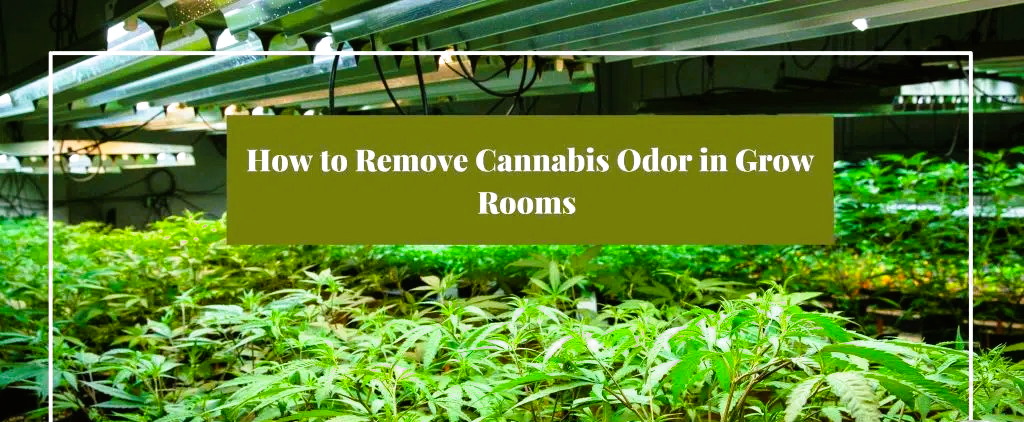
How to Prevent Medical Cannabis Odor from Escaping Your Grow Room
Introduction
Growing medical cannabis indoors provides numerous benefits, including controlled environmental conditions, improved plant health, and enhanced security. However, one significant challenge that indoor growers face is managing the distinct odor that cannabis plants emit. This smell, while often pleasant to enthusiasts, can be intrusive and may attract unwanted attention or complaints from neighbors. Preventing the escape of cannabis odor from your grow room is crucial for maintaining privacy and ensuring compliance with local regulations. This comprehensive guide will explore various strategies to contain and neutralize cannabis odors, helping you achieve a discreet and efficient growing operation.
Understanding Cannabis Odor
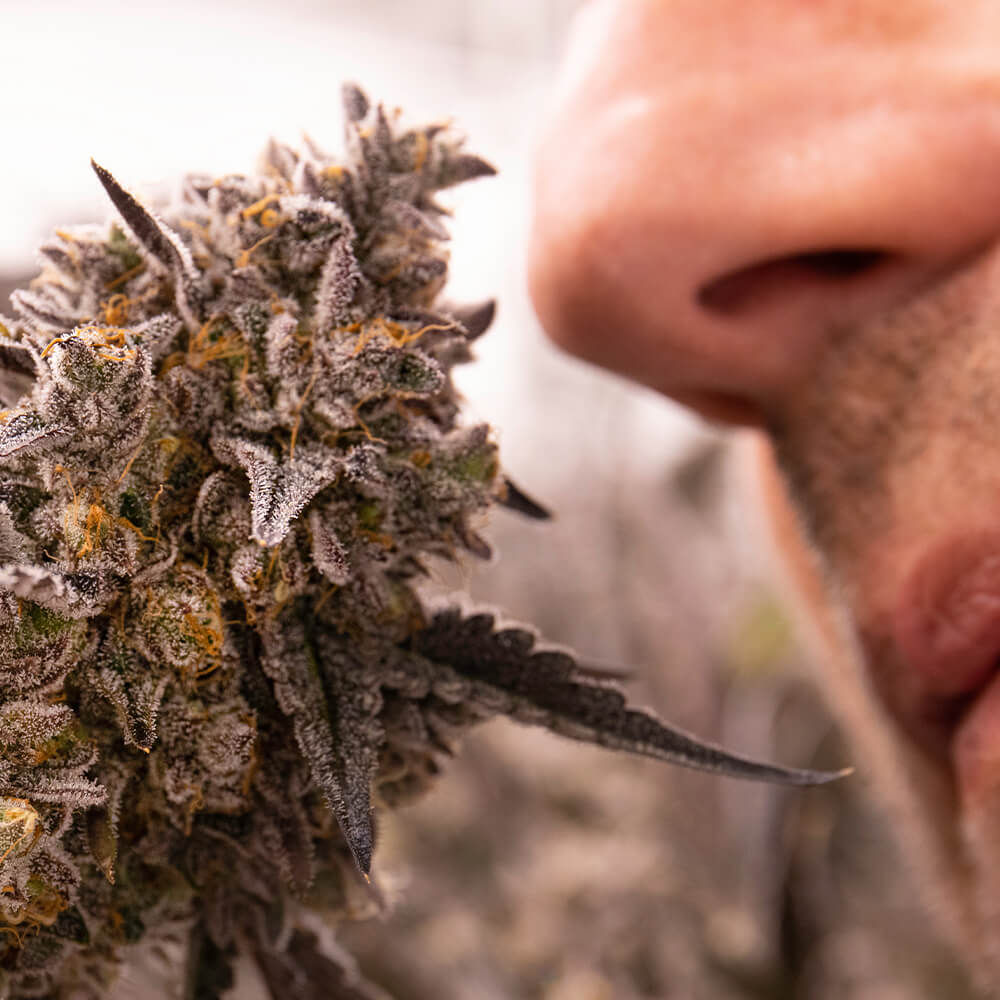
Cannabis plants produce a strong, distinctive smell due to the presence of terpenes, which are aromatic compounds found in many plants. Terpenes are responsible for the unique scents of different cannabis strains and play a role in the plant’s therapeutic effects. The strain, growing stage, and environmental factors can all affect the odor’s strength and character. Identifying these elements is the first step toward creating a strategy for effective odor management.
Key Strategies for Odor Control
- Grow Room Design and Sealing
- Ventilation and Air Filtration
- Carbon Filters
- Ozone Generators
- Odor Neutralizers and Absorbers
- Environmental Controls
- Routine Maintenance and Cleanliness
1. Grow Room Design and Sealing
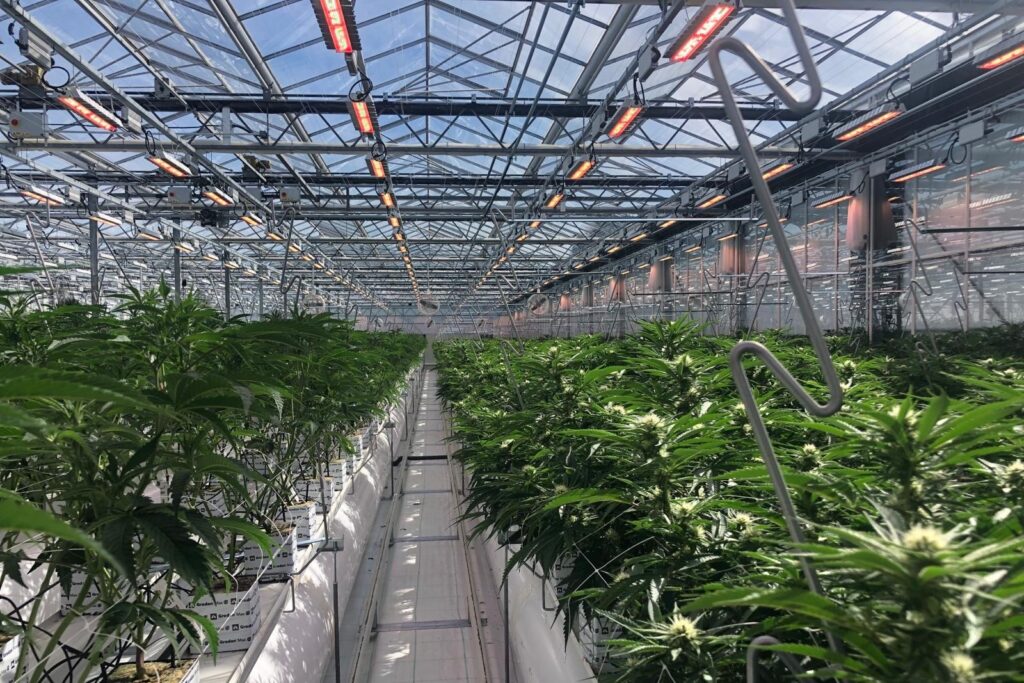
The design and construction of your grow room play a pivotal role in preventing odor escape. Here are essential considerations:
- Location: Choose a location that is as isolated as possible from living spaces and external areas. Basements or specially constructed outbuildings are ideal.
- Sealing: Ensure the grow room is airtight to prevent odors from escaping. Use weather stripping around doors and windows, caulk any gaps or cracks, and install a vapor barrier if necessary.
- Insulation: In addition to assisting with temperature regulation, proper insulation also helps to contain odors. To prevent the leaking of odors, insulate the walls, ceiling, and flooring.
2. Ventilation and Air Filtration
Effective ventilation is crucial for maintaining a healthy grow environment and controlling odors. Implement the following measures:
- Exhaust Fans: Install high-quality exhaust fans to remove stale air from the grow room. Position them to create a negative pressure environment, ensuring that air flows from the grow room to the outside through a controlled path.
- Intake Filters: Use intake filters to clean incoming air, preventing pests and contaminants from entering the grow room. HEPA filters are highly effective for this purpose.
- Ducting: Use insulated and light-proof ducting to minimize noise and prevent light leaks, which can also help contain odors.
3. Carbon Filters
Carbon filters are the gold standard for odor control in grow rooms. Activated carbon is used by these filters to capture and inactivate smell molecules. Here’s how to make good use of them:
- Sizing: Choose a carbon filter that matches the size of your grow room and the capacity of your exhaust fan. A properly sized filter ensures efficient odor removal.
- Placement: Install the carbon filter in your exhaust system, preferably inside the grow room. This setup allows the filter to capture odors before they leave the room.
- Maintenance: Regularly check and replace the activated carbon in your filter. The carbon eventually gets saturated and becomes less useful.
4. Ozone Generators
Ozone generators can be highly effective in neutralizing cannabis odors. However, because ozone exposure may pose health hazards, they must be handled with caution. Follow these guidelines:
- Usage: Place ozone generators in the exhaust ducting system, where the ozone can neutralize odors before the air is expelled outside. Avoid using them directly in the grow room, as high ozone levels can harm plants and humans.
- Control: Use a timer or ozone controller to regulate the amount of ozone produced. Overuse can lead to respiratory issues and other health concerns.
- Safety: Ensure proper ventilation in the area where the ozone generator operates, and avoid prolonged exposure to ozone.
5. Odor Neutralizers and Absorbers
In addition to carbon filters and ozone generators, various odor neutralizers and absorbers can help manage cannabis odors:
- Gel-Based Neutralizers: Products like Ona Gel release odor-neutralizing compounds into the air. Place them near ventilation outlets or in the grow room to supplement other odor control methods.
- Absorbing Materials: Use activated charcoal or zeolite-based products to absorb and neutralize odors. These materials can be placed in trays or hung in the grow room.
6. Environmental Controls
Maintaining optimal environmental conditions can help minimize odor production:
- Temperature: Keep the grow room temperature within the recommended range for your cannabis strain. High temperatures can intensify odors.
- Humidity: Maintain appropriate humidity levels. Excess humidity can enhance odor diffusion and promote mold growth.
- Air Circulation: Ensure good air circulation within the grow room to prevent hotspots and distribute odors evenly, making them easier to control.
7. Routine Maintenance and Cleanliness
Regular maintenance and cleanliness are vital for effective odor control:
- Cleaning: Regularly clean the grow room, including floors, walls, and equipment. Remove dead leaves and plant debris promptly to prevent odor buildup.
- Filter Replacement: Check and replace air filters, carbon filters, and intake filters as needed. Clogged or saturated filters lose their effectiveness.
- Equipment Inspection: Periodically inspect ventilation and odor control equipment to ensure they are functioning correctly.
Detailed Steps for Implementing Odor Control
Implementing effective odor control in your grow room involves a series of detailed steps, from initial setup to ongoing maintenance. Here is an in-depth guide on how to ensure that cannabis odors are contained and neutralized effectively.
Initial Setup
- Location Selection
- Isolated Location: Choose a location for your grow room that is isolated from living spaces and external areas. Ideal choices include basements or specially constructed outbuildings.
- Access Control: Ensure that the grow room has restricted access to minimize the risk of odor leakage when doors are opened.
- Sealing and Insulation
- Weather Stripping: Apply weather stripping around all doors and windows to prevent air (and odors) from escaping through these openings.
- Caulking: To fill in any holes or fractures in the walls, ceiling, or floor, use caulk. Observe closely the points where various materials converge.
- Vapor Barrier: Install a vapor barrier on the walls and ceiling to create an additional layer of protection against odor escape.
- Insulation: Insulate the floor, ceiling, and walls appropriately. Insulation serves as a barrier against smells in addition to aiding in temperature control.
Ventilation System
- Exhaust Fans and Negative Pressure
- Designing the System: Plan your ventilation system to create negative pressure inside the grow room. This means that the air pressure inside the room is lower than outside, causing air to flow into the room rather than out.
- Selecting Exhaust Fans: Choose high-quality exhaust fans with sufficient capacity to replace the air in the grow room multiple times per hour. Position these fans strategically to maximize air exchange.
- Installation: Install the exhaust fans at the highest point of the grow room where hot air and odors accumulate. Ensure that the exhaust ducting leads to a discreet location outside.
- Intake Filters and Ducting
- HEPA Intake Filters: Install HEPA filters on all intake vents to clean the incoming air and prevent pests, mold, and other contaminants from entering the grow room.
- Insulated Ducting: Use insulated and light-proof ducting to minimize noise, prevent light leaks, and maintain a sealed environment. Proper ducting helps ensure that odors are directed through the filtration system and not into unintended areas.
Carbon Filters
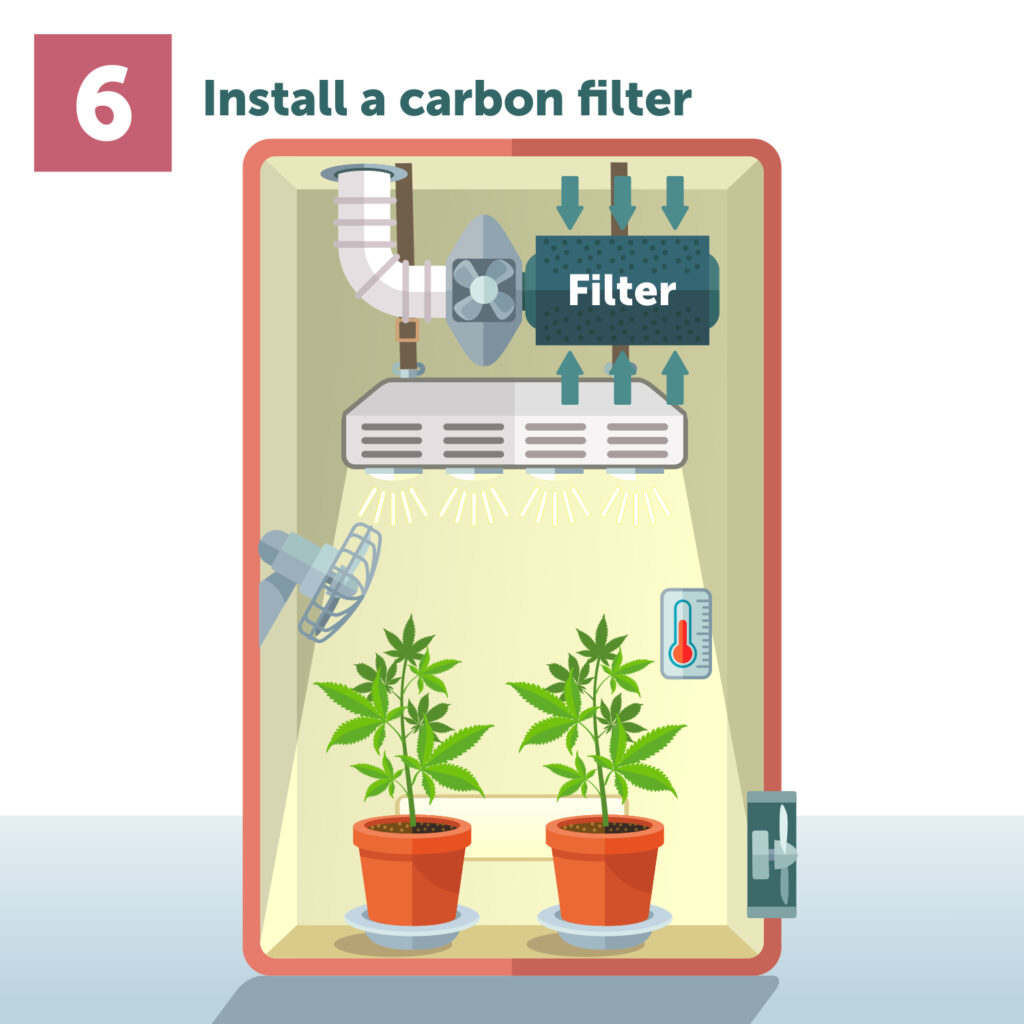
- Selection and Installation
- Choosing the Right Filter: Select a carbon filter that matches the size of your grow room and the capacity of your exhaust fan. Check manufacturer guidelines for compatibility.
- Proper Placement: Install the carbon filter inside the grow room, connecting it directly to the exhaust fan. This ensures that all exhausted air passes through the filter before being vented outside.
- Maintenance
- Regular Inspection: Regularly inspect the carbon filter for signs of saturation. A saturated filter will no longer effectively neutralize odors.
- Replacement Schedule: Replace the activated carbon according to the manufacturer’s recommendations or when you notice a decrease in odor control effectiveness.
Ozone Generators
- Placement and Regulation
- Strategic Placement: Place ozone generators in the exhaust ducting system, where the ozone can neutralize odors before the air is expelled outside. Avoid placing them directly in the grow room.
- Ozone Controllers: Use timers or ozone controllers to regulate the amount of ozone produced. Too much ozone can be harmful to plants and humans, so careful control is essential.
- Safety Measures
- Ventilation: Ensure proper ventilation in areas where ozone generators are used to disperse any residual ozone safely.
- Monitoring: Regularly monitor ozone levels to avoid overexposure, which can lead to respiratory issues and other health concerns.
Odor Neutralizers and Absorbers
- Gel-Based Neutralizers
- Using Ona Gel: Place Ona Gel or similar odor-neutralizing gels near ventilation outlets or within the grow room. These gels release compounds that neutralize odors rather than mask them.
- Placement Tips: Position gels near intake and exhaust points for maximum effectiveness.
- Absorbing Materials
- Activated Charcoal: Use activated charcoal in trays or hanging pouches within the grow room to absorb and neutralize odors.
- Zeolite-Based Products: Zeolite-based odor absorbers can be similarly placed to trap odor molecules.
Environmental Controls
- Temperature Control
- Optimal Range: Maintain the grow room temperature within the optimal range for your specific cannabis strain. High temperatures can intensify odors.
- Cooling Systems: Use air conditioners, fans, or other cooling systems to prevent temperature spikes that can increase odor production.
- Humidity Control
- Ideal Humidity Levels: Keep humidity levels within the recommended range to prevent mold growth and reduce odor diffusion.
- Dehumidifiers and Humidifiers: Use dehumidifiers or humidifiers as needed to maintain stable humidity levels.
- Air Circulation
- Fans and Air Movers: Use oscillating fans or other air movers to ensure good air circulation within the grow room. This helps distribute odors evenly and makes them easier to control.
- Placement: Position fans to create a consistent airflow pattern that covers the entire grow area.
Routine Maintenance and Cleanliness
- Regular Cleaning
- Scheduled Cleaning: Establish a regular cleaning schedule for the grow room. Clean floors, walls, and equipment to prevent odor buildup.
- Debris Removal: Promptly remove dead leaves, plant debris, and other organic matter that can contribute to odors.
- Filter and Equipment Checks
- Inspection Routine: Regularly inspect all air filters, carbon filters, and intake filters for signs of wear or clogging. To keep them effective, replace them as necessary.
- Equipment Maintenance: Periodically inspect ventilation and odor control equipment to ensure they are functioning correctly. Address any issues promptly to prevent odor problems.
Advanced Odor Control Techniques
For growers seeking to enhance their odor control measures beyond the basic strategies, several advanced techniques can provide additional layers of protection against cannabis odors. These methods can be particularly useful for larger grow operations or for those with stringent odor control requirements.
1. Negative Ion Generators
Negative ion generators can help reduce airborne odors by releasing ions that attach to odor molecules, causing them to fall to the ground.
- How They Work: Negative ions bond with positively charged particles (such as dust, pollen, and odor molecules) in the air, causing them to become heavy and fall out of the air circulation.
- Placement: Position negative ion generators within the grow room, but away from direct contact with plants. They can be mounted on walls or placed on shelves to cover the entire room effectively.
- Benefits: Besides reducing odors, negative ion generators can also help improve air quality by reducing airborne particulates.
2. UV-C Light Systems
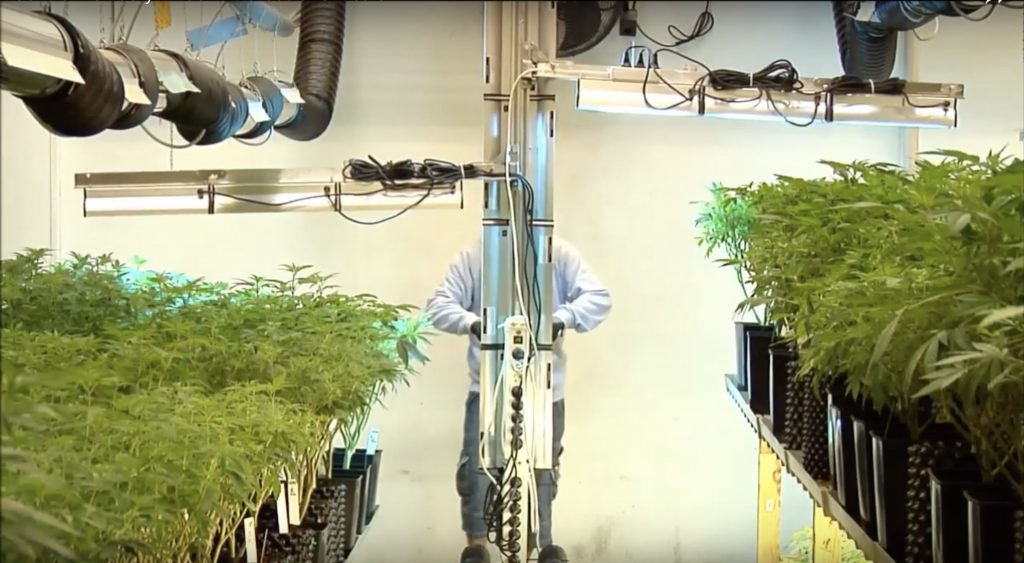
UV-C light systems can effectively neutralize odors by breaking down odor-causing molecules.
- How They Work: UV-C light has germicidal properties and can break down organic molecules, including those responsible for odors.
- Installation: Install UV-C light systems within the ventilation ducts, ensuring they are positioned to treat the air before it exits the grow room. This placement prevents the UV-C light from directly affecting the plants or growers.
- Safety: Follow manufacturer guidelines for installation and operation. UV-C light can be harmful to both plants and humans if not used correctly. Ensure the system is properly enclosed and shielded.
3. Air Scrubbers
Air scrubbers use a combination of filters and UV-C light to clean and deodorize the air.
- How They Work: Air scrubbers typically combine HEPA filtration with UV-C light and activated carbon filters to remove particulates and neutralize odors.
- Usage: Place air scrubbers within the grow room or integrate them into the ventilation system. They are particularly effective in larger grow operations where additional air cleaning is necessary.
- Maintenance: Regularly replace filters and UV-C bulbs as per the manufacturer’s recommendations to maintain their effectiveness.
4. Photocatalytic Oxidation (PCO) Units
PCO units use ultraviolet light and a catalyst to produce hydroxyl radicals that neutralize odors and contaminants.
- How They Work: PCO units use UV light to activate a catalyst, usually titanium dioxide, which then reacts with water and oxygen in the air to produce hydroxyl radicals. These radicals break down odor molecules and other pollutants.
- Installation: Install PCO units within the ventilation system to treat the air before it is expelled outside. Ensure the units are placed where they can effectively cover the air volume passing through the system.
- Benefits: PCO units are highly effective at reducing a wide range of odors and pollutants, making them suitable for grow rooms with significant odor challenges.
5. Biofilters
Biofilters use natural processes to filter and neutralize odors.
- How They Work: Biofilters use a bed of organic material, such as compost or wood chips, through which air is passed. Microorganisms within the organic material break down odor-causing compounds.
- Installation: Biofilters can be integrated into the exhaust system of the grow room. The air is forced through the biofilter before being released outside.
- Maintenance: Regularly maintain and replace the organic material in the biofilter to ensure it remains effective. The microorganisms need a healthy environment to thrive and continue breaking down odors.
6. High-Efficiency Particulate Air (HEPA) Filters
HEPA filters can capture fine particulates, including those that carry odors.
- How They Work: HEPA filters are capable of trapping particles as small as 0.3 microns with high efficiency. While they primarily capture dust, pollen, and mold, they can also help reduce odors by trapping odor-carrying particulates.
- Usage: Integrate HEPA filters into the ventilation system or use standalone HEPA air purifiers within the grow room. Ensure that the air volume and flow rate are compatible with the HEPA filter specifications.
- Maintenance: To keep HEPA filters as effective as possible, replace them on a regular basis as advised by the manufacturer.
7. Advanced Carbon Scrubbing Systems
Advanced carbon scrubbing systems go beyond basic carbon filters, providing enhanced odor control.
- How They Work: These systems use large volumes of activated carbon and sophisticated air handling systems to ensure maximum contact time between the air and the carbon, enhancing odor removal.
- Installation: Integrate advanced carbon scrubbing systems into the main exhaust system. These systems are ideal for large-scale grow operations with high odor levels.
- Maintenance: Regularly monitor and replace the activated carbon as it becomes saturated to ensure continuous odor control.
8. Integrated Odor Control Systems
Integrated systems combine multiple odor control technologies into a single, cohesive system.
- Components: These systems may include a combination of carbon filters, ozone generators, UV-C light, HEPA filters, and other technologies.
- Customization: Integrated systems can be customized to the specific needs of the grow room, providing a tailored approach to odor control.
- Benefits: By combining multiple technologies, integrated systems can address a wider range of odor issues and provide redundancy, ensuring that if one component fails, others can compensate.
Implementation Tips
- Assess Your Needs: Evaluate the size of your grow operation, the intensity of the odor, and local regulations to determine the best combination of advanced odor control techniques.
- Plan for Redundancy: Use multiple odor control methods to create a layered approach, ensuring that if one method is less effective, others will still provide odor control.
- Regular Maintenance: Advanced odor control systems require regular maintenance to function effectively. Follow manufacturer guidelines for replacing filters, bulbs, and other components.
- Monitor Effectiveness: Continuously monitor the effectiveness of your odor control systems. Use sensors and feedback from neighbors or local authorities to gauge performance and make adjustments as needed.
Conclusion
Managing and controlling the odor from a medical cannabis grow room is essential for maintaining privacy, ensuring compliance with local regulations, and fostering good relationships with neighbors. While the task may seem daunting, implementing a comprehensive odor control strategy can effectively contain and neutralize the distinctive smell of cannabis plants.
Key Strategies
- Grow Room Design and Sealing: Properly designing and sealing your grow room forms the foundation of effective odor control. Ensuring the room is airtight, well-insulated, and strategically located can significantly reduce the risk of odors escaping.
- Ventilation and Air Filtration: A well-planned ventilation system is crucial. Utilizing exhaust fans to create negative pressure, incorporating HEPA intake filters, and using insulated ducting all contribute to controlling odor dispersion.
- Carbon Filters: Activated carbon filters remain the gold standard for neutralizing odors. Correctly sizing and regularly maintaining these filters ensure that the odor is captured before the air exits the grow room.
- Ozone Generators: When used cautiously, ozone generators can effectively neutralize odors. Placing them in the exhaust system and regulating ozone production minimizes the risk of health hazards.
- Odor Neutralizers and Absorbers: Gel-based neutralizers and absorbing materials like activated charcoal and zeolite provide supplementary odor control, helping to reduce the presence of lingering smells.
- Environmental Controls: Maintaining optimal temperature and humidity levels, coupled with good air circulation, helps minimize odor production and diffusion.
- Routine Maintenance and Cleanliness: Regular cleaning, filter replacement, and equipment inspection are vital to sustaining effective odor control. A clean grow room not only promotes plant health but also helps in managing odors.
Advanced Techniques
For those seeking enhanced odor control, advanced techniques such as negative ion generators, UV-C light systems, air scrubbers, photocatalytic oxidation units, biofilters, HEPA filters, advanced carbon scrubbing systems, and integrated odor control systems offer additional layers of protection. These methods can be tailored to the specific needs of larger or more complex grow operations.
Implementation and Continuous Improvement
Implementing these strategies requires careful planning, regular maintenance, and ongoing monitoring to ensure effectiveness. Assessing your specific needs, planning for redundancy, and staying proactive with maintenance will help you create a robust odor control system.
By following the detailed steps and incorporating advanced techniques where necessary, you can effectively manage and neutralize the odors from your medical cannabis grow room. This comprehensive approach not only maintains discretion and compliance but also fosters a healthier growing environment for your plants. Ultimately, successful odor control allows you to focus on producing high-quality medical cannabis without the worry of unwanted odors escaping.
