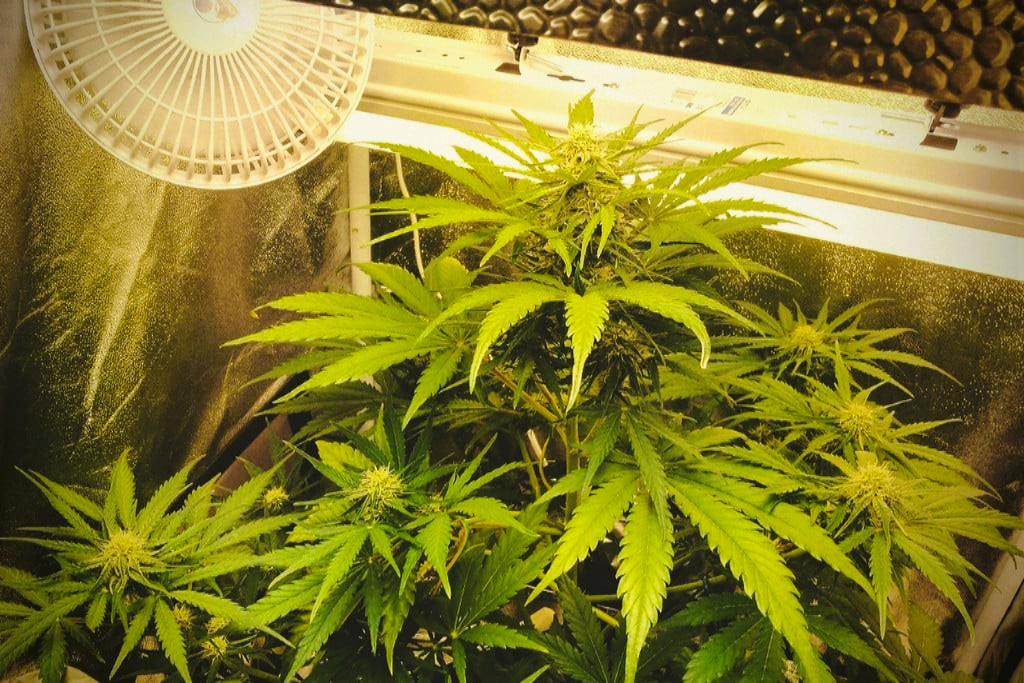
To avoid stressing your cannabis plants and ensure they grow healthy and productive, follow these guidelines:
Proper Watering
Proper watering is crucial to avoid stressing your cannabis plants. Here are some detailed tips to ensure you water your plants correctly:
1. Understand Water Needs
- Stage of Growth: Water requirements vary depending on the plant’s growth stage. Seedlings need less water compared to vegetative and flowering plants.
- Plant Size: Larger plants with more extensive root systems will require more water.
2. Check Soil Moisture
- Finger Test: Insert your finger about an inch into the soil. If it feels dry, it’s time to water. If it’s still moist, wait a bit longer.
- Moisture Meter: Use a moisture meter for a more accurate reading of soil moisture levels.
3. Watering Frequency
- Avoid Overwatering: Let the soil dry out between waterings to prevent root rot and other issues. Overwatered plants often exhibit yellowing leaves and slow growth.
- Avoid Underwatering: Consistent underwatering can lead to drooping, wilting, and nutrient deficiencies. Keep a regular watering schedule based on your plant’s needs.
4. Watering Technique
- Water Evenly: Ensure the entire root zone is watered evenly. Pour water slowly to allow it to penetrate the soil deeply.
- Avoid Splashing: Try not to splash water on the leaves, especially during the light hours, to prevent mold and mildew.
5. Drainage
- Good Drainage: Use pots with drainage holes to prevent water from pooling at the bottom. Excess water should drain out freely.
- Soil Composition: Use a well-aerated soil mix with components like perlite or vermiculite to improve drainage and oxygenation.
6. Water Quality
- pH Levels: Ensure the water pH is within the optimal range (6.0-7.0 for soil, 5.5-6.5 for hydroponics). Use a pH meter to check and adjust the pH if necessary.
- Avoid Contaminants: Use clean, chlorine-free water. If using tap water, let it sit out for 24 hours to evaporate chlorine or use a water filter.
7. Water Temperature
- Avoid Extremes: Use water that is at room temperature. Extremely hot or cold water can shock the plant roots.
8. Special Techniques
- Bottom Watering: For young seedlings or sensitive plants, consider bottom watering to encourage root growth and prevent overwatering.
- Mulching: Use mulch to retain soil moisture and reduce the frequency of watering.
9. Observation and Adjustment
- Monitor Plants: Regularly observe your plants for signs of overwatering (yellow leaves, drooping) or underwatering (wilting, dry soil).
- Adjust Accordingly: Adjust your watering schedule based on the plant’s responses and environmental conditions such as temperature and humidity.
Optimal Lighting
Ensuring optimal lighting for your cannabis plants is crucial to avoid stress and promote healthy growth. Here’s how to manage lighting effectively:
1. Choose the Right Light Type
- LED Lights: Energy-efficient and generate less heat, making them suitable for all growth stages.
- HID Lights (HPS and MH): High-intensity discharge lights are powerful but generate more heat and require proper ventilation.
- Fluorescent Lights (CFL and T5): Suitable for seedlings and clones, but not powerful enough for full-grown plants.
2. Proper Light Intensity
- Seedlings: Require lower light intensity. Keep lights 24-30 inches away from the plants.
- Vegetative Stage: Increase light intensity. Keep lights 18-24 inches away.
- Flowering Stage: Highest light intensity. Keep lights 12-18 inches away.
- Avoid Light Burn: If the leaves start to curl up or show yellow/brown spots, the light might be too close.
3. Light Schedule
- Seedlings and Clones: Use an 18/6 light schedule (18 hours of light, 6 hours of darkness).
- Vegetative Stage: Continue with the 18/6 schedule.
- Flowering Stage: Switch to a 12/12 light schedule (12 hours of light, 12 hours of darkness) to trigger flowering.
4. Consistent Light Cycle
- Timers: Use timers to maintain a consistent light schedule. Irregular light cycles can stress the plants and affect growth.
- Avoid Light Leaks: During the dark period, ensure complete darkness. Even small light leaks can disrupt the flowering cycle.
5. Light Spectrum
- Vegetative Stage: Use lights with more blue spectrum (4000K-6500K) to promote leafy growth.
- Flowering Stage: Use lights with more red spectrum (2700K-3000K) to promote bud development.
6. Heat Management
- Proper Ventilation: Ensure good airflow to dissipate heat. Use fans and ventilation systems.
- Monitor Temperature: Keep the grow room temperature between 70-85°F (20-30°C) during the light period and slightly cooler at night.
7. Reflective Surfaces
- Reflective Walls: Use mylar or white paint on grow room walls to reflect light evenly and maximize light exposure to all parts of the plant.
- Avoid Hot Spots: Ensure light is distributed evenly to prevent hot spots that can burn the plants.
8. Adjust Lighting as Plants Grow
- Raise Lights: As plants grow taller, raise the lights to maintain the optimal distance and prevent light burn.
- Lower Lights: For young plants or seedlings, lower the lights to ensure they get enough intensity without being too intense.
9. Supplemental Lighting
- Side Lighting: For dense canopies, consider adding supplemental side lighting to ensure lower leaves receive adequate light.
- Boosting Yield: Supplemental lighting can be used to boost yield, especially in larger grow operations.
10. Monitor Plant Response
- Signs of Light Stress: Look for symptoms like leaves curling upwards, bleaching, or burnt tips. Adjust light distance and intensity accordingly.
- Healthy Growth: Healthy plants will have vibrant green leaves and steady growth. Monitor and adjust lighting based on plant feedback.
Temperature and Humidity Control
Controlling temperature and humidity is essential to prevent stress in cannabis plants. Here are some detailed guidelines to help you maintain optimal conditions:
1. Ideal Temperature Ranges
- Seedlings: Keep the temperature between 70-75°F (21-24°C).
- Vegetative Stage: Maintain temperatures between 70-85°F (21-29°C) during the day and 65-75°F (18-24°C) at night.
- Flowering Stage: Keep temperatures between 65-80°F (18-26°C) during the day and slightly cooler at night.
2. Temperature Management
- Heating: Use heaters to maintain the minimum temperature, especially during colder months or nighttime.
- Cooling: Use air conditioners, fans, and ventilation systems to prevent overheating, particularly under intense grow lights.
- Thermometers: Place thermometers at plant canopy level to accurately monitor the temperature where it matters most.
3. Ideal Humidity Levels
- Seedlings: Maintain high humidity levels between 65-70%.
- Vegetative Stage: Reduce humidity to 40-70%.
- Flowering Stage: Lower humidity to 40-50% to prevent mold and mildew on buds.
- Late Flowering: Further reduce humidity to 30-40% to enhance resin production and prevent bud rot.
4. Humidity Management
- Humidifiers: Use humidifiers to increase humidity during dry conditions or when using heaters.
- Dehumidifiers: Use dehumidifiers to lower humidity, especially during the flowering stage to prevent mold.
- Hygrometers: Place hygrometers in the grow area to monitor humidity levels accurately.
5. Ventilation and Airflow
- Air Circulation: Use oscillating fans to maintain consistent air movement around the plants. This helps regulate temperature and humidity.
- Exhaust Fans: Install exhaust fans to remove hot, humid air and bring in fresh, cooler air.
- Intake Fans: Use intake fans to ensure a steady supply of fresh air, rich in CO2, for healthy plant growth.
6. Heat Stress Prevention
- Monitor Lights: Ensure grow lights are not too close to the canopy, as they can cause heat stress.
- Reflective Materials: Use reflective materials to evenly distribute light and prevent hot spots.
- Cooling Solutions: Consider using water-cooled lights or air-cooled reflectors to reduce heat from grow lights.
7. Cold Stress Prevention
- Insulation: Insulate the grow room to maintain stable temperatures during cold weather.
- Heating Mats: Use heating mats under pots to keep root zones warm, especially in cooler environments.
8. Nighttime Temperature Control
- Avoid Temperature Swings: Prevent drastic temperature drops at night by using heaters or adjusting ventilation settings.
- Gradual Changes: Implement gradual changes in temperature to mimic natural conditions and avoid stressing the plants.
9. Environmental Monitoring
- Data Loggers: Use data loggers to continuously monitor and record temperature and humidity levels.
- Automation: Consider automated climate control systems that adjust temperature and humidity based on real-time readings.
10. Signs of Temperature and Humidity Stress
- High Temperature: Look for signs like wilting, leaf curling, and burnt leaf edges.
- Low Temperature: Watch for slow growth, purple stems, and drooping leaves.
- High Humidity: Be alert for mold, mildew, and overly lush foliage.
- Low Humidity: Check for brittle, dry leaves and slow growth.
Nutrient Management
Proper nutrient management is essential to avoid stressing your cannabis plants and ensuring they grow healthy and productive. Here are detailed guidelines for effective nutrient management:
1. Understand Nutrient Needs
- Macronutrients: Cannabis plants primarily need nitrogen (N), phosphorus (P), and potassium (K).
- Vegetative Stage: Higher nitrogen levels.
- Flowering Stage: Higher phosphorus and potassium levels.
- Micronutrients: Include calcium, magnesium, sulfur, iron, manganese, boron, molybdenum, zinc, and copper in smaller amounts.
2. Choose the Right Nutrients
- Organic Nutrients: Made from natural sources and often easier on the plant. Examples include compost, worm castings, and bat guano.
- Synthetic Nutrients: Chemically formulated for precise nutrient delivery. Examples include commercial nutrient solutions like General Hydroponics or Advanced Nutrients.
3. Follow Feeding Schedules
- Read Labels: Follow the manufacturer’s recommended feeding schedule for nutrient solutions.
- Start Low: Begin with a lower concentration than recommended, then gradually increase as needed.
4. Monitor pH Levels
- Optimal pH Range: Keep the pH between 6.0-7.0 for soil and 5.5-6.5 for hydroponics to ensure nutrient uptake.
- pH Meters and Test Kits: Regularly check and adjust the pH of your water and nutrient solution.
5. Avoid Overfeeding
- Nutrient Burn: Signs include yellow or brown leaf tips and edges, and curling leaves. Reduce nutrient concentration if these symptoms appear.
- Flush Periodically: Flush the growing medium with plain water every few weeks to prevent nutrient buildup.
6. Avoid Underfeeding
- Nutrient Deficiencies: Symptoms include yellowing leaves (nitrogen deficiency), purple stems (phosphorus deficiency), and leaf edges turning brown (potassium deficiency). Adjust nutrient levels accordingly.
7. Water Quality
- Clean Water: Use filtered or dechlorinated water. Let tap water sit out for 24 hours to allow chlorine to evaporate.
- Check EC (Electrical Conductivity): Measure the EC of your nutrient solution to ensure proper concentration. Aim for 1.2-2.0 EC for most stages.
8. Tailor Nutrients to Growth Stages
- Seedlings: Use a mild nutrient solution with low nitrogen, phosphorus, and potassium.
- Vegetative Stage: Increase nitrogen for leafy growth. Use a balanced N-P-K ratio like 3-1-2.
- Flowering Stage: Increase phosphorus and potassium to support bud development. Use a ratio like 1-3-2.
9. Watch for Signs of Stress
- Visual Inspection: Regularly check your plants for signs of nutrient stress, such as discolored or misshapen leaves.
- Soil Testing: Test the soil periodically for nutrient content and adjust your feeding regimen based on the results.
10. Consider Soil Amendments
- Compost and Manure: Enrich the soil with organic matter.
- Lime: Use lime to adjust soil pH if it’s too acidic.
- Epsom Salt: Add Epsom salt to provide magnesium and sulfur if needed.
11. Hydroponic Specific Tips
- Regular Monitoring: Continuously monitor pH and nutrient levels in the reservoir.
- Change Nutrient Solution: Replace the nutrient solution every 1-2 weeks to prevent imbalances and nutrient lockout.
12. Flush Before Harvest
- Final Flush: Flush your plants with plain water for the last 1-2 weeks before harvest to remove any excess nutrients and improve flavor.
13. Keep Records
- Grow Journal: Maintain a detailed grow journal noting feeding schedules, nutrient concentrations, pH levels, and plant responses.
Proper Air Circulation
Proper air circulation is crucial for maintaining healthy cannabis plants and preventing stress. Here are some detailed guidelines to ensure optimal air circulation in your grow space:
1. Ensure Adequate Ventilation
- Exhaust Fans: Install exhaust fans to remove hot, stale air from the grow room and bring in fresh, CO2-rich air. Position the exhaust fan near the top of the grow space where hot air accumulates.
- Intake Fans: Use intake fans to draw fresh air into the grow space. Position these fans near the bottom of the room to bring in cooler air.
2. Use Oscillating Fans
- Air Movement: Place oscillating fans at different levels to ensure consistent air movement around the plants. This helps strengthen stems and prevents mold and pests.
- Avoid Direct Wind: Position fans to create a gentle breeze, not a strong wind directly on the plants, to avoid windburn.
3. Maintain Air Exchange
- Regular Air Exchange: Ensure that the entire volume of air in the grow space is exchanged every 1-3 minutes. This helps maintain optimal temperature, humidity, and CO2 levels.
- Sealed Rooms: If growing in a sealed room, use CO2 supplementation to maintain adequate levels for photosynthesis.
4. Control Temperature and Humidity
- Temperature: Proper air circulation helps maintain stable temperatures, preventing heat stress. Use fans and ventilation to keep temperatures within the ideal range (70-85°F or 21-29°C).
- Humidity: Good air circulation helps control humidity levels, preventing issues like mold and mildew. Maintain humidity at 40-70% during the vegetative stage and 40-50% during flowering.
5. Ensure Even Light Distribution
- Prevent Hot Spots: Proper air circulation helps distribute heat from grow lights evenly, preventing hot spots that can burn the plants.
- Light Penetration: Improved airflow can also enhance light penetration to the lower parts of the plant, promoting even growth.
6. Monitor Air Quality
- CO2 Levels: Ensure adequate CO2 levels for photosynthesis. In enclosed spaces, consider using CO2 generators or tanks to supplement CO2.
- Air Purifiers: Use air purifiers or filters to remove dust, pollen, and other contaminants that can stress plants.
7. Prevent Pest and Disease
- Reduce Pests: Good air circulation makes it harder for pests like spider mites and aphids to settle on plants.
- Prevent Mold and Mildew: Proper airflow reduces moisture buildup on leaves and buds, preventing mold and mildew.
8. Design an Efficient Grow Space
- Plant Spacing: Avoid overcrowding plants. Ensure adequate spacing to allow air to circulate freely around each plant.
- Pruning: Regularly prune lower leaves and branches to improve airflow under the canopy and reduce the risk of mold.
9. Use Environmental Controllers
- Automated Systems: Consider using environmental controllers to automate fans, ventilation, and CO2 systems. These controllers can maintain optimal conditions without constant manual adjustment.
- Monitoring: Continuously monitor temperature, humidity, and CO2 levels with sensors and adjust as needed.
10. Inspect Regularly
- Check for Issues: Regularly inspect your grow space for areas with poor airflow, stagnant air, or excess humidity.
- Adjust Fans: Adjust the position and speed of fans based on plant growth and environmental changes.
Stress Training Techniques
Stress training techniques, when done correctly, can enhance the growth and yield of your cannabis plants without causing undue stress. Here are detailed guidelines for employing both low-stress and high-stress training methods to avoid stressing your plants:
1. Low-Stress Training (LST)
Low-Stress Training involves gently bending and tying down plant branches to create a more even canopy and improve light penetration.
Steps for LST:
- Early Start: Begin LST during the vegetative stage when the plants are still young and flexible.
- Tie Down Branches: Use soft plant ties, twist ties, or garden wire to gently bend and secure branches to the sides of the pot or growing medium.
- Gradual Process: Bend branches gradually over a few days to avoid breaking them.
- Even Canopy: Aim to create an even canopy where all branches receive equal light exposure.
- Regular Adjustment: Adjust the ties as the plant grows to maintain an even canopy and prevent branches from growing vertically.
2. High-Stress Training (HST)
High-Stress Training techniques involve physically altering the plant to encourage more vigorous growth and higher yields. These methods should be used cautiously to avoid causing excessive stress.
Topping:
- Timing: Perform topping during the early vegetative stage when the plant has developed 4-6 nodes.
- Cut Above Node: Use sterilized scissors or a razor blade to cut the main stem just above a node, removing the top growth tip.
- Recovery Time: Allow the plant time to recover and produce two new main colas from the cut site.
FIMing (Fk, I Missed):
- Partial Cut: Similar to topping but involves cutting about 75% of the new growth tip instead of completely removing it.
- Multiple Colas: This technique results in multiple new growth tips from the cut site, leading to bushier plants.
Super Cropping:
- Timing: Perform super cropping during the vegetative stage when the plant is robust and healthy.
- Pinching Stems: Pinch and gently bend the stem between your fingers until you feel the inner fibers give way, making the stem pliable without breaking it.
- Supporting Branches: Support the bent branches with ties or soft supports if needed to prevent them from snapping.
3. Screen of Green (ScrOG)
ScrOG involves using a screen or net to train plants to grow horizontally, maximizing light exposure and yield.
Steps for ScrOG:
- Set Up Screen: Install a screen or net about 12-18 inches above the plant containers.
- Weave Branches: As the plants grow, weave the branches through the screen to spread them out horizontally.
- Even Canopy: Aim for an even canopy where all bud sites receive equal light.
4. Sea of Green (SOG)
SOG involves growing many small plants close together and encouraging them to flower early for a quicker harvest.
Steps for SOG:
- Clones or Seeds: Use clones or seeds of the same strain to ensure uniform growth.
- Early Flowering: Induce flowering early, typically when the plants are 6-12 inches tall.
- Dense Canopy: Create a dense canopy of many small plants, each with a single main cola.
5. Defoliation
Defoliation involves removing some leaves to improve light penetration and airflow.
Steps for Defoliation:
- Timing: Perform defoliation during the vegetative stage and early flowering stage.
- Selective Removal: Remove large fan leaves that block light to lower bud sites.
- Avoid Over-Defoliation: Do not remove too many leaves at once to avoid shocking the plant.
General Tips for Stress Training:
- Healthy Plants: Ensure your plants are healthy and vigorous before applying any stress training techniques.
- Sterilized Tools: Always use sterilized tools to prevent infections and diseases.
- Gradual Approach: Introduce training techniques gradually to allow plants to adjust and recover.
- Monitor Plant Response: Regularly monitor your plants for signs of stress such as wilting, discoloration, or stunted growth. Adjust training methods accordingly.
- Environmental Control: Maintain optimal temperature, humidity, and air circulation to support the plants during and after training.
Pest and Disease Control
Effective pest and disease control is essential to avoid stressing your cannabis plants and ensure healthy growth. Here are some detailed guidelines to prevent and manage pests and diseases without stressing your plants:
1. Preventive Measures
- Clean Growing Environment: Keep your grow space clean and free from debris. Regularly disinfect tools, pots, and surfaces.
- Healthy Soil: Use high-quality, sterile soil to prevent soil-borne diseases and pests. Avoid reusing old soil without proper treatment.
- Proper Air Circulation: Ensure good airflow to reduce humidity and prevent mold and mildew. Use fans and ventilation systems.
- Plant Spacing: Avoid overcrowding plants to ensure good air circulation and reduce the risk of disease spread.
2. Regular Inspections
- Frequent Monitoring: Inspect your plants regularly for signs of pests or diseases. Look under leaves, around the stem base, and in the soil.
- Early Detection: Catching problems early allows for more effective and less stressful treatment.
3. Natural Predators and Beneficial Insects
- Beneficial Insects: Introduce beneficial insects like ladybugs, predatory mites, and lacewings that prey on common cannabis pests.
- Companion Planting: Plant companion plants like marigolds, basil, and garlic that repel pests.
4. Organic Pesticides and Fungicides
- Neem Oil: Use neem oil as a natural pesticide and fungicide. Apply as a foliar spray to prevent and treat pests and mildew.
- Insecticidal Soap: Use insecticidal soap to control soft-bodied insects like aphids and spider mites. Apply directly to affected areas.
- Diatomaceous Earth: Sprinkle diatomaceous earth around the base of plants to deter crawling insects.
5. Biological Control
- Bacillus Thuringiensis (Bt): Use Bt, a natural bacteria, to control caterpillars and other larval pests. Apply as a foliar spray.
- Beauveria Bassiana: This fungus can be used to control various insects by spraying it onto plants.
6. Environmental Controls
- Humidity Control: Maintain optimal humidity levels to prevent mold and mildew. Use dehumidifiers if necessary, especially during the flowering stage.
- Temperature Control: Keep temperatures within the ideal range (70-85°F or 21-29°C) to avoid stressing plants and encouraging pest infestations.
7. Quarantine New Plants
- Isolate New Plants: Before introducing new plants to your grow space, quarantine them for a few weeks to ensure they are pest and disease-free.
8. Proper Watering Practices
- Avoid Overwatering: Overwatering can lead to root rot and create a humid environment conducive to pests and diseases.
- Watering Schedule: Maintain a consistent watering schedule and ensure good drainage.
9. Remove Affected Areas
- Prune Infected Parts: If you spot disease or pest infestation, promptly remove and safely dispose of affected leaves or branches to prevent spread.
- Sanitize Tools: Always sterilize your pruning tools before and after use to prevent the spread of pathogens.
10. Homemade Remedies
- Garlic Spray: Make a natural insect repellent by mixing crushed garlic with water and a small amount of soap. Spray on plants to deter pests.
- Baking Soda Spray: Create a fungicide by mixing baking soda with water and a small amount of soap. Spray to control powdery mildew.
11. Regular Feeding and Plant Health
- Balanced Nutrition: Provide a balanced nutrient regimen to keep plants healthy and more resistant to pests and diseases.
- Healthy Soil Microbiome: Use compost teas and beneficial microbes to support soil health and plant immunity.
12. Monitor and Adjust
- Continuous Monitoring: Regularly check your plants’ health and environmental conditions. Adjust pest and disease control measures as needed based on plant responses.
- Record Keeping: Maintain a grow journal to track any pest or disease issues, treatments applied, and plant responses.
Proper Pruning and Trimming
Proper pruning and trimming are essential practices in cannabis cultivation to promote healthy growth and maximize yields. However, these activities can stress the plants if not done correctly. Here are detailed guidelines to help you prune and trim your cannabis plants without causing undue stress:
1. Understand the Purpose
- Pruning: Involves selectively removing parts of the plant to improve airflow, light penetration, and redirect energy to more productive areas.
- Trimming: Involves cutting away excess leaves and branches, typically during the flowering stage, to enhance bud development and harvest quality.
2. Timing is Crucial
- Vegetative Stage: Perform major pruning during the vegetative stage when the plant is actively growing and can recover quickly.
- Early Flowering Stage: Light pruning can be done during the early flowering stage to remove unwanted growth, but avoid heavy pruning to reduce stress.
- Avoid Late Flowering: Avoid pruning during the late flowering stage as it can stress the plant and affect bud development.
3. Use Proper Tools
- Sterilized Tools: Always use sharp, sterilized scissors or pruning shears to prevent the spread of disease and reduce plant stress.
- Clean Cuts: Make clean cuts at a 45-degree angle to promote faster healing and prevent infections.
4. Pruning Techniques
- Top the Plant: Topping involves cutting the main stem above a node to encourage the growth of multiple colas. This should be done during the vegetative stage.
- Remove Lower Branches: Prune lower branches and leaves that receive little light and contribute minimally to overall growth. This improves airflow and reduces the risk of mold.
- Selective Defoliation: Remove large fan leaves that block light to lower bud sites. This can be done sparingly throughout the vegetative and early flowering stages.
- Lollipop Technique: Remove the lower third of the plant’s growth to focus energy on the upper, more productive branches.
5. Trimming Techniques
- Trim During Flowering: Light trimming during the flowering stage can help improve light penetration and airflow. Focus on removing small, non-productive leaves.
- Harvest Trimming: When harvesting, trim away large fan leaves and smaller sugar leaves surrounding the buds to improve the appearance and quality of the final product.
6. Avoid Over-Pruning
- Moderation: Prune only what is necessary. Over-pruning can shock the plant, slowing growth and reducing yields.
- Observe Plant Response: Monitor how your plant responds to pruning and adjust your approach accordingly. Signs of over-pruning include slowed growth, wilting, and leaf discoloration.
7. Allow Recovery Time
- Gradual Approach: Spread out pruning sessions over several days or weeks to give the plant time to recover.
- Post-Pruning Care: After pruning, provide optimal conditions (proper watering, nutrients, and light) to support the plant’s recovery.
8. Maintain Optimal Conditions
- Temperature and Humidity: Maintain ideal temperature and humidity levels to help plants recover from pruning stress.
- Air Circulation: Ensure good airflow to reduce the risk of mold and mildew, especially after pruning.
9. Monitor and Adjust
- Regular Inspections: Check plants regularly for signs of stress or disease. Adjust pruning and trimming practices based on plant health and growth patterns.
- Record Keeping: Keep a journal of your pruning and trimming activities, noting the techniques used and plant responses to fine-tune your approach.
10. Training in Conjunction with Pruning
- Low-Stress Training (LST): Combine LST with pruning to shape the plant and maximize light exposure without causing excessive stress.
- High-Stress Training (HST): Use HST methods like topping and super cropping cautiously, ensuring plants are healthy and strong enough to recover.
Transplanting Care
Transplanting cannabis plants is a delicate process that can cause stress if not done correctly. Here are detailed steps to minimize stress and ensure a smooth transition for your plants:
1. Choose the Right Time
- Seedlings: Transplant when seedlings have developed 3-4 sets of true leaves and the roots have filled the starter container.
- Vegetative Stage: Transplant early in the vegetative stage when the plant is growing vigorously and can recover quickly.
- Avoid Flowering Stage: Avoid transplanting during the flowering stage as it can cause significant stress and affect bud development.
2. Prepare the New Container
- Size Up Gradually: Move plants to a container that is 2-4 times larger than the current one. Avoid excessively large jumps in container size.
- Proper Drainage: Ensure the new container has adequate drainage holes to prevent waterlogging and root rot.
- Soil Preparation: Use high-quality, well-aerated soil or growing medium. Moisten the soil slightly before transplanting.
3. Handle Plants Gently
- Minimize Root Disturbance: Handle the root ball gently to avoid damaging the roots. Avoid shaking off too much soil from the roots.
- Support the Plant: Hold the plant by the base of the stem to avoid damaging the main stem and branches.
4. Transplanting Steps
- Watering Before Transplanting: Water the plant a few hours before transplanting. This helps the soil hold together and reduces root disturbance.
- Prepare the Hole: Make a hole in the new container’s soil that is large enough to accommodate the root ball.
- Remove the Plant: Carefully turn the current container upside down, supporting the plant with one hand. Tap the bottom of the container to loosen the root ball and gently slide the plant out.
- Place in New Container: Place the root ball in the prepared hole. Ensure the plant is at the same soil level as it was in the previous container.
- Backfill with Soil: Fill in around the root ball with soil, pressing gently to eliminate air pockets. Avoid compacting the soil too much.
5. Post-Transplant Care
- Watering: Water the plant immediately after transplanting to help settle the soil and provide moisture to the roots. Avoid overwatering; the soil should be moist but not waterlogged.
- Light Exposure: Gradually reintroduce the plant to intense light. Initially, place the plant under lower light conditions or provide partial shade to help it recover.
- Humidity: Increase humidity slightly to reduce transpiration and help the plant adjust. Use a humidity dome or a humidifier if necessary.
- Support: Use stakes or ties to support taller plants if they appear droopy after transplanting.
6. Monitor and Adjust
- Check for Stress Signs: Monitor the plant for signs of stress such as wilting, yellowing leaves, or slow growth. These symptoms may indicate transplant shock.
- Adjust Care: If the plant shows signs of stress, adjust environmental conditions, and provide extra care until it recovers.
7. Maintain Optimal Conditions
- Temperature: Keep the grow room temperature within the ideal range (70-85°F or 21-29°C) to promote recovery.
- Air Circulation: Ensure good air circulation to prevent mold and mildew. Avoid strong direct airflow on newly transplanted plants.
- Nutrients: Avoid fertilizing immediately after transplanting. Wait a week or so until the plant shows signs of new growth before resuming normal feeding.
8. Preventive Measures
- Healthy Roots: Ensure the roots are healthy and white before transplanting. Avoid transplanting if roots are brown or rotting.
- Sterilized Tools: Use sterilized tools and containers to prevent the introduction of pathogens.
9. Gradual Acclimation
- Hardening Off: If transplanting outdoors, harden off the plants by gradually exposing them to outdoor conditions over a week. Start with a few hours of sunlight per day, gradually increasing the exposure.
10. Record Keeping
- Grow Journal: Maintain a grow journal to track transplanting dates, techniques used, and plant responses. This helps improve future transplanting practices.
Monitor and Adjust
Monitoring and adjusting your cannabis plants’ environment and care practices are crucial to minimize stress and promote healthy growth. Here’s how to do it effectively:
1. Regular Monitoring
- Daily Checks: Inspect your plants daily to catch any early signs of stress or issues. Look for changes in color, leaf shape, and overall vigor.
- Environment Monitoring: Use reliable tools to monitor temperature, humidity, and CO2 levels consistently.
2. Use Proper Tools
- Thermometers and Hygrometers: Place these at canopy level to get accurate readings of the conditions your plants are experiencing.
- pH and EC Meters: Regularly check the pH and electrical conductivity (EC) of your water and nutrient solution to ensure they are within the optimal range.
- Soil Moisture Meters: Use these to avoid over or underwatering.
3. Track Plant Growth and Health
- Growth Rate: Measure and record plant height and leaf size regularly to track growth rates.
- Leaf Color and Texture: Monitor for discoloration, spots, curling, or other signs of nutrient deficiencies or pest problems.
- Flower Development: During the flowering stage, monitor bud formation and density.
4. Adjust Environmental Conditions
- Temperature Control: Maintain temperatures within the optimal range (70-85°F or 21-29°C during the day, slightly cooler at night). Use heaters, air conditioners, or fans as needed.
- Humidity Control: Adjust humidity levels based on plant stage. Use humidifiers or dehumidifiers to maintain optimal humidity.
- Light Adjustments: Adjust the height and intensity of grow lights based on plant growth stages and response. Ensure even light distribution to prevent hot spots and light burn.
5. Nutrient Management
- Adjust Feeding: Modify nutrient concentrations based on plant needs. Increase nutrients during vigorous growth and reduce if signs of nutrient burn appear.
- Flush if Necessary: Periodically flush the growing medium with plain water to prevent nutrient buildup and toxicity.
- Monitor Runoff: Check the pH and EC of the runoff water to ensure your plants are absorbing nutrients correctly.
6. Watering Practices
- Consistent Schedule: Water your plants consistently and adjust based on the plant’s stage and environmental conditions.
- Avoid Overwatering: Ensure the soil dries out between waterings to prevent root rot. Use containers with good drainage.
- Check Soil Moisture: Use a soil moisture meter or the finger test (insert your finger into the soil up to the first knuckle) to check for proper moisture levels.
7. Pest and Disease Control
- Regular Inspections: Check for pests and diseases regularly. Look under leaves, around stems, and at the soil surface.
- Preventive Measures: Use natural repellents, beneficial insects, and maintain a clean grow area to prevent infestations.
- Immediate Action: If pests or diseases are detected, take immediate action with appropriate treatments to minimize plant stress.
8. Record Keeping
- Grow Journal: Maintain a detailed grow journal noting environmental conditions, watering, feeding schedules, plant observations, and any issues encountered.
- Track Changes: Document any adjustments made and their effects on plant health to learn and refine your cultivation practices.
9. Responsive Adjustments
- Be Observant: Pay close attention to plant responses after any changes in environment, feeding, or care routines.
- Gradual Changes: Make adjustments gradually to allow plants to adapt without shock. Sudden changes can stress plants and hinder recovery.
- Flexibility: Be prepared to adjust your strategies based on plant needs and responses. Each plant may respond differently to the same conditions.
10. Use Technology
- Smart Controllers: Use automated systems to maintain consistent environmental conditions. Smart controllers can adjust lighting, temperature, and humidity based on real-time data.
- Remote Monitoring: Use remote sensors and apps to monitor your grow environment when you’re not physically present.
Conclusion
Effectively managing the growth of cannabis plants requires careful attention to various factors to avoid stress and promote healthy development. Here’s a summary of the key practices to minimize stress:
- Proper Watering: Ensure a balanced watering schedule, avoiding over- and underwatering, and using appropriate water quality and pH levels.
- Optimal Lighting: Use the right type, intensity, and schedule for grow lights, and maintain consistent light cycles without sudden changes.
- Temperature and Humidity Control: Maintain ideal temperature and humidity levels for different growth stages, using appropriate tools and techniques for regulation.
- Nutrient Management: Provide balanced nutrients, monitor pH levels, avoid overfeeding, and flush periodically to prevent nutrient buildup.
- Air Circulation: Ensure proper air circulation with fans and ventilation systems to maintain optimal temperature and humidity and prevent mold and pests.
- Stress Training Techniques: Use low-stress (LST) and high-stress training (HST) techniques appropriately, allowing time for recovery and observing plant responses.
- Pest and Disease Control: Implement preventive measures, conduct regular inspections, and use organic or biological controls to manage pests and diseases.
- Pruning and Trimming: Prune and trim plants carefully, focusing on timing, technique, and gradual changes to avoid shock.
- Transplanting Care: Handle plants gently during transplanting, prepare the new container properly, and provide optimal post-transplant care.
- Monitor and Adjust: Regularly monitor environmental conditions, plant health, and growth, making gradual adjustments based on observations and plant responses.
By integrating these practices into your cannabis cultivation routine, you can minimize stress on your plants, ensuring they grow vigorously and yield high-quality produce. Consistent monitoring, careful adjustments, and responsive care are crucial to maintaining a healthy growing environment for your cannabis plants.
