Table of Contents
How to Maximize Yields With Feminized Seeds
Maximizing yields with feminized cannabis seeds involves a combination of proper strain selection, environmental optimization, nutrient management, and advanced cultivation techniques. The reason for this is that seeds that have been feminized are bred to exclusively generate female plants for flowering and producing the cannabinoid-rich buds sought after in both medical and recreational contexts. By eliminating male plants, growers can focus entirely on increasing the productivity and quality of their crops.
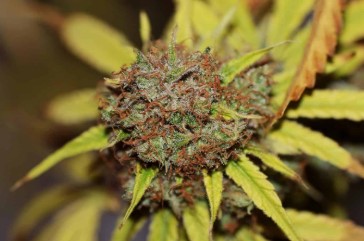
Understanding Feminized Seeds
Feminized seeds are genetically modified or stress-induced to produce only female plants. Regular cannabis seeds typically produce 50% male and 50% female offspring. Since male plants do not produce flowers and can pollinate females (leading to seeded, lower-quality buds), feminized seeds eliminate this risk, allowing all resources to go into bud production.
Key Benefits of Feminized Seeds
- No Male Plants: Reduces labor and waste, maximizing space and input efficiency.
- Consistency: Greater genetic uniformity leads to uniform flowering times and structures.
- Ideal for SCROG/SOG Methods: Uniform canopy development improves light distribution.
Pre-Grow Planning
1. Strain Selection
Choose strains known for high yields. Some top-yielding feminized strains include:
- Big Bud: Known for massive flower production.
- Critical Mass: Quick flowering and high output.
- Super Silver Haze: A sativa-dominant strain that thrives with training.
Consider climate compatibility, growth difficulty, and cannabinoid/terpene profiles. Look for strains bred specifically for large yields and environmental resilience.
2. Germination and Seedling Stage
Start strong by:
- Using a humidity dome or paper towel method.
- Keeping temperatures around 70–75°F (21–24°C).
- Using a root stimulant like seaweed extract or mycorrhizal fungi.
Healthy early growth establishes a robust root system, critical for later yield potential.
Vegetative Stage Optimization
3. Light Management
- Indoor: Use high-output LED or MH lights, with 18–24 hours of light per day.
- Outdoor: Ensure at least 6–8 hours of direct sunlight.
Increase the intensity and spectrum as plants mature, ensuring uniform light distribution.
4. Training Techniques
Plant training dramatically boosts yield potential with feminized seeds:
a. Topping and FIMing
- Encourages lateral growth.
- Creates multiple main colas.
- Best done once the plant has 4–6 nodes.
b. Low-Stress Training (LST)
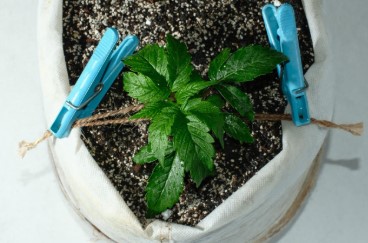
- Bends branches to promote even light exposure.
- Increases bud site production without causing plant shock.
c. Screen of Green (SCROG)
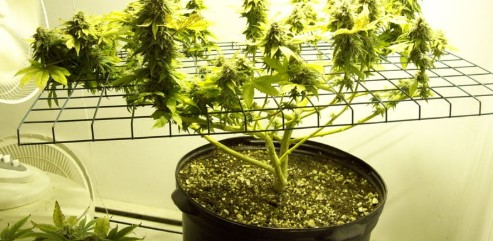
- Ideal for feminized seeds due to uniform growth.
- A horizontal screen trains branches to grow outward instead of upward.
- Maximizes light coverage and airflow.
Environmental Controls
5. Temperature and Humidity
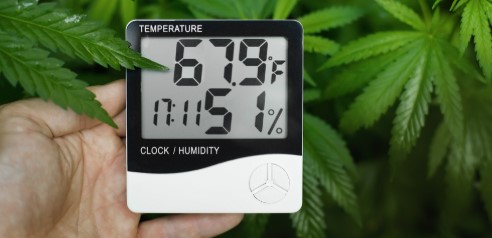
- Veg Phase: 70–85°F (21–29°C), 50–70% RH
- Flowering Phase: 65–80°F (18–26°C), 40–50% RH
Stability is key. Use hygrometers and thermostats to maintain ideal conditions.
6. Ventilation
- Use inline fans and carbon filters.
- Oscillating fans prevent mold and encourage stronger stems.
- Good airflow supports CO₂ distribution, enhancing photosynthesis.
Nutrient Strategy
7. Tailored Nutrient Feeding
Feminized plants benefit from precise feeding schedules:
- Veg Stage: High nitrogen, moderate phosphorus and potassium.
- Flowering Stage: Lower nitrogen, increased phosphorus and potassium.
Consider using organic nutrients or high-quality synthetic lines with chelated micronutrients for efficient uptake.
Tip: Use a TDS (Total Dissolved Solids) meter to monitor feeding strength and avoid nutrient burn.
8. Soil and Medium Selection
- Soil: Choose light, well-aerated mixes with perlite and organic compost.
- Coco Coir: Provides fast growth and excellent oxygenation but requires precise feeding.
- Hydroponics: Maximum control and growth speed but with higher technical requirements.
Always ensure pH balance:
- Soil: 6.0–7.0
- Hydro/Coco: 5.5–6.5
Flowering Stage Techniques
9. Light Cycle Control
- Change the light cycle to 12/12 to start flowering.
- Keep lights consistent to prevent hermaphroditism.
- Use blackout methods outdoors if controlling flowering manually.
10. Support and Defoliation
- Use trellis nets or stakes to support heavy buds.
- Remove lower leaves and small branches (lollipopping) to focus energy on top colas.
- Perform light defoliation in weeks 2 and 4 of flowering to enhance light penetration and airflow.
Advanced Yield-Boosting Methods
11. CO₂ Supplementation
Adding CO₂ during flowering (especially weeks 3–6) can increase yields by up to 30% under high light conditions. Ideal concentration is 1000–1500 ppm, but only beneficial if other growth conditions are optimal.
12. Use of Bloom Enhancers
Products like:
- PK boosters (high in phosphorus and potassium)
- Carbohydrate additives (e.g., molasses)
- Silica supplements for stronger stems
These boost resin production, bud density, and overall yield.
13. Flush Strategically
Flushing removes excess nutrients to enhance flavor and smoothness. Begin flush:
- 1–2 weeks before harvest in soil.
- 5–7 days before in hydro or coco systems.
Use clean, pH-balanced water.
Harvesting and Post-Harvest Practices
14. Harvest Timing
Use a loupe to examine trichomes:
- Milky white: Peak THC content.
- Amber: More sedative, higher CBN.
Harvesting at the right time ensures maximum cannabinoid content and weight.
15. Drying and Curing
- Dry: Hang buds in a dark, cool room (60–70°F, 50–60% RH) for 7–10 days.
- Cure: Place dried buds in airtight jars and burp daily for 2–4 weeks.
Proper curing enhances flavor, potency, and bud structure, maximizing final market value.
Common Mistakes to Avoid
- Overfeeding: Causes nutrient lockout and leaf burn.
- Poor Training: Skipping training techniques limits potential bud sites.
- Overwatering: Drowns roots and encourages pathogens.
- Neglecting pH: Leads to nutrient deficiencies despite proper feeding.
- Light Leaks During Flowering: Can trigger hermaphroditism, reducing yield quality.
Conclusion
Maximizing yields with feminized cannabis seeds requires a strategic approach to cultivation from seed to harvest. These seeds offer a tremendous advantage by eliminating male plants and ensuring that every square inch of your grow space is contributing to flower production. By selecting high-yielding strains, using training techniques, maintaining an optimal environment, feeding appropriately, and harvesting at the right time, you can substantially increase both the quantity and quality of your cannabis yield.
Whether you’re growing for commercial sale or personal use, these best practices help you get the most out of your feminized genetics turning potential into performance.
