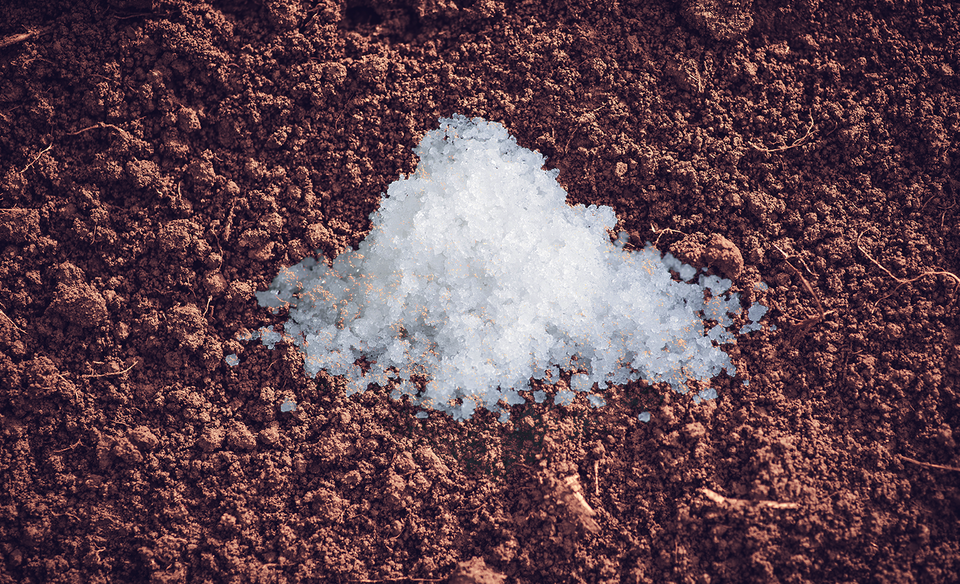
How to Manage Salt Buildup in Soil for Medical Cannabis Cultivation
Medical cannabis cultivation demands precise environmental control, where soil quality is a critical component. For growers seeking to produce high-quality medical-grade cannabis, ensuring that the soil remains healthy and balanced is key to achieving optimal plant growth and consistent medicinal properties. One of the most common issues that arise in soil-based cannabis cultivation is salt buildup. If not properly managed, salt accumulation in the soil can significantly impair plant health, leading to reduced yields, nutrient imbalances, and, ultimately, lower-quality cannabis. This detailed guide outlines how to manage salt buildup in soil for medical cannabis cultivation, ensuring that plants thrive and consistently meet medicinal standards.
Understanding Salt Buildup in Soil
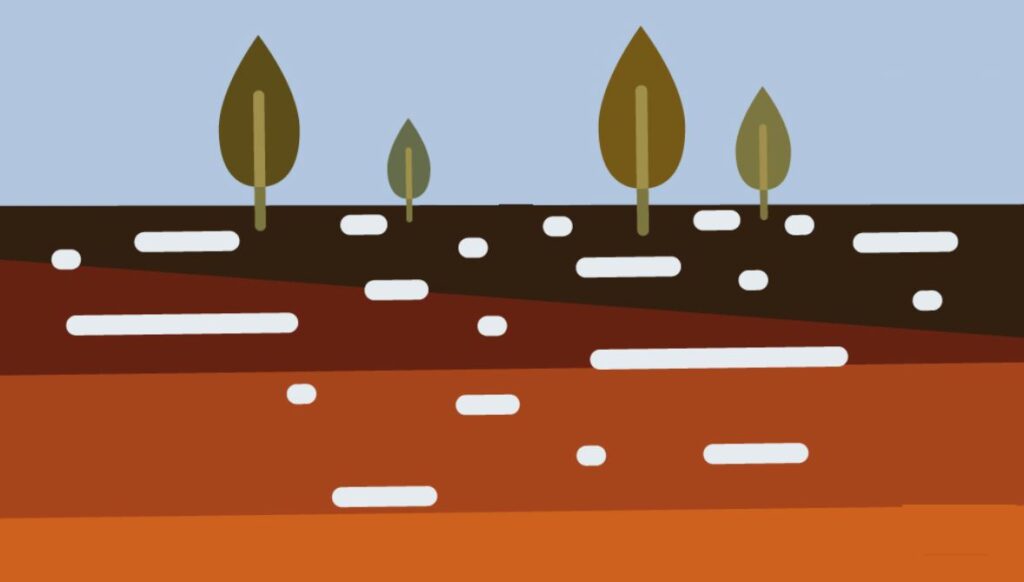
Salt buildup refers to the accumulation of soluble salts in the soil, which can come from various sources, including fertilizers, irrigation water, and natural soil composition. These salts consist of ions such as sodium (Na⁺), calcium (Ca²⁺), magnesium (Mg²⁺), chloride (Cl⁻), and sulfate (SO₄²⁻). In small amounts, these ions are essential for plant nutrition; however, when they accumulate in excessive quantities, they disrupt the soil structure and impede the plant’s ability to absorb water and nutrients, leading to stunted growth and various plant health problems.
Medical cannabis plants are particularly sensitive to the ionic imbalance caused by excessive salt levels, especially when high-quality, consistent cannabinoid profiles are the goal. Salts can hinder the absorption of essential nutrients like nitrogen (N), phosphorus (P), and potassium (K), which are vital for healthy plant development, bud production, and the biosynthesis of cannabinoids and terpenes—the compounds responsible for the medicinal effects of cannabis.
Sources of Salt Buildup in Cannabis Cultivation
- Fertilizers: Many commercial fertilizers contain salts, especially synthetic or chemical fertilizers. Frequent application or over-application can lead to an accumulation of unused salts in the soil.
- Irrigation Water: In areas where irrigation water contains high levels of dissolved salts, the consistent application of water without proper management can result in saline conditions in the root zone.
- Natural Soil Composition: Some soils naturally contain higher levels of salts, especially in arid and semi-arid regions where mineral salts accumulate due to low rainfall.
Effects of Salt Buildup on Medical Cannabis
Salt accumulation in soil can have several detrimental effects on medical cannabis plants, including:
- Nutrient Imbalance: High salt concentrations in the soil can interfere with the plant’s ability to absorb essential nutrients. Even when the soil contains nutrients, cannabis plants may exhibit symptoms of nutrient shortages.
- Osmotic Stress: Excessive salts increase the soil’s osmotic potential, making it difficult for plant roots to take up water. This leads to symptoms of water stress, such as wilting, yellowing, and slowed growth.
- Root Damage: Prolonged exposure to high salt levels can damage root tissues, making it harder for the plant to absorb water and nutrients efficiently.
- Reduced Yield and Potency: Cannabis plants affected by salt stress often exhibit reduced flower production and lower cannabinoid and terpene concentrations, which directly affects the medicinal quality of the crop.
Signs of Salt Buildup in Medical Cannabis Plants
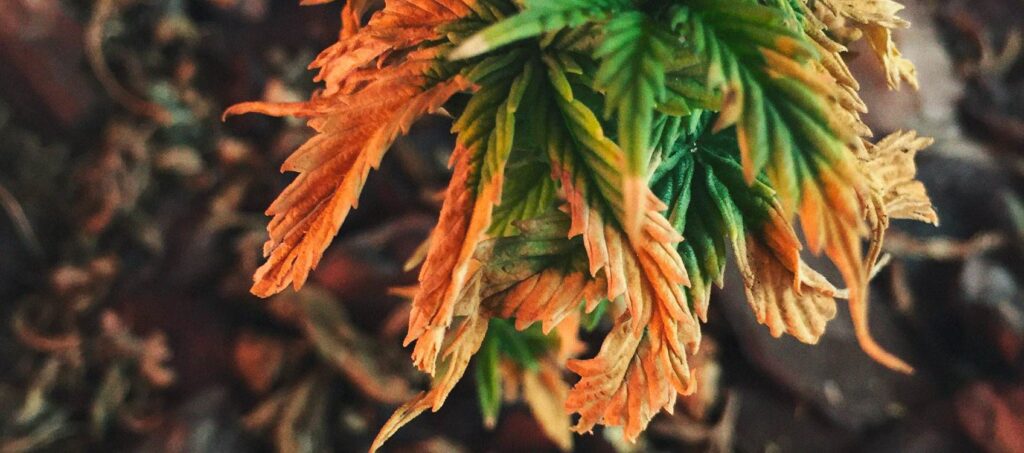
It is essential for medical cannabis growers to monitor their plants and soil conditions regularly to detect early signs of salt buildup. Early detection allows for timely intervention and correction before significant damage occurs. Common signs of salt buildup include:
- Leaf Burn: This is one of the most visible symptoms of salt toxicity in cannabis plants. Leaf burn usually begins at the tips and edges of leaves, where salt concentrations are the highest. The affected areas may appear brown or yellow, and in severe cases, the leaves may dry out and fall off.
- Nutrient Deficiencies: Even if you’re feeding your plants with a balanced nutrient mix, salt buildup can lock out certain nutrients, leading to deficiencies. Look for signs such as yellowing leaves (nitrogen deficiency), purple stems (phosphorus deficiency), or interveinal chlorosis (magnesium or iron deficiency).
- Stunted Growth: When salts accumulate in the root zone, they can inhibit water uptake, causing plants to grow slowly and appear weak.
- Poor Root Health: Salt buildup can lead to poor root development or even root rot, particularly if salt concentrations cause the soil to retain excessive moisture.
Strategies for Managing Salt Buildup in Soil
Managing salt buildup in soil requires a combination of preventive measures and corrective actions. In order to promote the best possible plant growth and cannabinoid synthesis, the root zone’s salt and nutritional balance must be maintained.
1. Flush the Soil Regularly
Flushing the soil is one of the most effective ways to remove excess salts from the root zone. Flushing involves using large amounts of water to leach soluble salts out of the soil and away from the root system. The water carries the salts downward through the soil, where they eventually drain away.
- How to Flush the Soil: To flush your soil, apply water at two to three times the volume of the soil. For example, if your plant is in a 10-gallon pot, you should use 20 to 30 gallons of water for flushing. Use clean, low-salt water for the flush, such as filtered water or rainwater. To prevent waterlogging the roots, make sure the water can exit the container or growing space easily.
- Frequency of Flushing: For medical cannabis, it is recommended to flush the soil every four to six weeks or whenever you notice the early signs of salt buildup. However, over-flushing can lead to nutrient leaching, so it’s essential to follow up with a balanced nutrient feeding after each flush.
2. Use Low-Salt Fertilizers
To minimize the risk of salt buildup, choose fertilizers specifically formulated for cannabis or those labeled as low-salt or salt-free. Compared to synthetic fertilizers, organic fertilizers have a tendency to release nutrients more slowly and are less prone to cause salt accumulation.
- Organic vs. Synthetic Fertilizers: Organic fertilizers, such as compost, worm castings, and fish emulsion, provide nutrients in forms that are more easily absorbed by plants and are less likely to lead to salt buildup. Synthetic fertilizers, on the other hand, contain salts that dissolve quickly and can accumulate in the soil if not managed carefully. When using synthetic fertilizers, consider alternating with organic feeding to reduce salt buildup.
- Controlled-Release Fertilizers: These fertilizers release nutrients slowly over time, reducing the risk of nutrient overload and salt buildup. Controlled-release fertilizers can be beneficial for medical cannabis plants, as they ensure a steady supply of nutrients while minimizing the chance of salt accumulation.
3. Monitor Soil Electrical Conductivity (EC)
An indicator of the amount of salt present in the soil is its electrical conductivity (EC). Monitoring the EC of your soil regularly can help you detect salt buildup early and take corrective action before it becomes a serious problem.
- How to Measure EC: You can measure soil EC using a digital EC meter. Take a sample of the soil from the root zone and mix it with distilled water in a 1:2 ratio (1 part soil to 2 parts water). Stir the mixture and allow it to settle for 15-20 minutes before taking the EC reading. A high EC reading indicates a high concentration of salts.
- Ideal EC Levels for Medical Cannabis: Medical cannabis plants typically thrive in soil with an EC range of 1.2 to 2.0 dS/m (decisiemens per meter). If your EC levels are consistently above this range, it may indicate salt buildup, and you should flush the soil or adjust your nutrient regimen.
4. Improve Soil Drainage
Good soil drainage is crucial for preventing salt buildup. Poorly draining soil tends to retain salts, as water does not move freely through the root zone. Improving soil drainage can help excess salts leach away naturally during watering.
- Soil Amendments for Improved Drainage: Add organic matter, such as compost, perlite, or coco coir, to your soil mix to improve its structure and drainage capacity. These materials help create air pockets in the soil, allowing water to move more freely and preventing the buildup of salts in the root zone.
- Raised Beds and Containers: Growing medical cannabis in raised beds or containers with proper drainage holes can also prevent salt buildup. Ensure that the containers or beds allow excess water to drain away easily, preventing waterlogging and salt retention.
5. Use High-Quality Water for Irrigation
The quality of irrigation water is essential for controlling soil salt accumulation. The buildup of salts in the root zone may be facilitated by water that contains high concentrations of dissolved salts, such as sodium or chloride.
- Test Your Water: Regularly test the electrical conductivity (EC) or total dissolved solids (TDS) of your irrigation water. Water with an EC above 0.8 dS/m or a TDS level above 500 ppm (parts per million) may contribute to salt buildup.
- Use Reverse Osmosis (RO) Water: If your water source has high levels of dissolved salts, consider using a reverse osmosis (RO) system to filter out excess salts and other contaminants. RO water has very low salt content and can help reduce the risk of salt buildup in the soil.
- Rainwater Collection: Rainwater is naturally low in dissolved salts and can be an excellent option for irrigation. Set up a rainwater collection system to provide your cannabis plants with clean, low-salt water, especially during periods of high salt buildup.
6. Mulching and Cover Crops
Mulching and planting cover crops can help reduce the evaporation of water from the soil surface, which, in turn, reduces the concentration of salts near the root zone. Evaporation can cause salts to rise to the surface of the soil, where they become more concentrated and can harm the roots.
- Organic Mulch: Around the base of your cannabis plants, spread an organic mulch layer made of straw, grass clippings, or shredded leaves. Mulch helps regulate soil moisture, reduce evaporation, and prevent salt concentration at the soil surface.
- Cover Crops: Another way to stop salt buildup is to plant cover crops like alfalfa or clover. Cover crops improve soil structure, increase organic matter, and reduce water evaporation, all of which contribute to better salt management.
7. Soil Amendments to Manage Salt Buildup
Certain soil amendments can help reduce salt buildup by improving soil structure, promoting microbial activity, and neutralizing excess salts.
- Gypsum (Calcium Sulfate): Gypsum is a common amendment used to displace sodium ions from the soil, allowing them to be leached away more easily. It also improves soil structure by creating larger soil particles, which enhances drainage and reduces salt retention.
- Humic Acids and Fulvic Acids: These organic compounds can improve nutrient uptake and reduce the negative effects of salt stress. Humic and fulvic acids bind to salts in the soil, making them less harmful to plant roots and improving overall soil health.
- Compost and Organic Matter: Regularly adding compost or other organic matter to your soil can help improve its structure and reduce salt buildup. Organic matter increases the soil’s water-holding capacity, promotes healthy microbial activity, and helps neutralize excess salts.
Preventing Salt Buildup in the Future
It’s critical to take action to stop salt buildup in your soil from happening again after you’ve successfully reduced it. Here are some best practices to prevent salt buildup in the future:
- Balanced Nutrient Regimen: Avoid over-fertilizing your cannabis plants. Use a balanced nutrient regimen that provides only what your plants need and avoid the temptation to overfeed in hopes of boosting growth. Over-fertilization is one of the most common causes of salt buildup in medical cannabis cultivation.
- Regular Soil Testing: To keep an eye on salt concentrations, pH, and nutrient levels, test the soil frequently. This will let you to maintain the ideal soil conditions for cannabis development by modifying your irrigation and fertilizer schedule as necessary.
- Watering Practices: Water your plants deeply and infrequently, rather than shallowly and frequently. Deep watering encourages root growth and helps flush salts from the root zone. Avoid letting the soil dry out completely, as this can cause salts to concentrate near the roots.
Restrictions on Growing and Using Cannabis in the Medical Field (as a Last Resort)
In the medical field, cannabis use is highly regulated to ensure safety and proper therapeutic applications. Below is a summary of key restrictions and guidelines when using cannabis as a last-resort treatment option:
- Strict Licensing for Cultivation:
- Only licensed growers can cultivate cannabis for medical purposes.
- Cultivation facilities must adhere to stringent government regulations, including security measures, quality control, and oversight to ensure the production of safe, contaminant-free cannabis.
- Medical Use as a Last Resort:
- Cannabis is generally prescribed when conventional treatments have failed.
- Physicians must document that other medical options have been exhausted before recommending cannabis, positioning it as a “last resort” treatment for conditions such as chronic pain, epilepsy, and chemotherapy-induced nausea.
- THC Monitoring to Prevent Psychoactive Effects:
- Medical cannabis products must be carefully formulated to control THC (tetrahydrocannabinol) levels.
- The psychoactive substance that causes the “high” is THC. To minimize psychoactive effects, cannabis used in medical treatment often has low THC levels, typically below 1-2%, while maintaining higher levels of CBD (cannabidiol), which provides therapeutic benefits without causing a high.
- Regular monitoring of THC levels is critical, especially for vulnerable patients, to prevent cognitive impairment or psychoactive side effects.
- Dosage Regulation:
- Strict dosage limits are set for medical cannabis prescriptions, and doctors monitor patients’ progress carefully.
- THC content in medications is standardized to ensure patients do not experience unwanted psychoactive effects while still receiving the therapeutic benefits.
- Continual Monitoring and Evaluation:
- Patients using cannabis for medical purposes are often subject to regular follow-ups with healthcare providers to assess effectiveness, monitor for side effects, and adjust dosages as necessary.
- This ensures that cannabis is only used as long as it remains the most viable option for the patient’s condition.
Conclusion
In the medical cannabis field, managing salt buildup in soil, adhering to strict regulatory frameworks for cultivation and use, and ensuring controlled administration are all vital to producing high-quality, safe cannabis for therapeutic purposes. Medical cannabis growers must monitor and manage salt accumulation in soil to maintain optimal plant health, ensuring the production of cannabis with consistent cannabinoid profiles essential for medicinal treatments. Techniques such as regular soil flushing, using low-salt fertilizers, improving soil drainage, and monitoring soil electrical conductivity (EC) are critical steps in mitigating salt buildup, which can negatively impact plant growth and medicinal quality.
In terms of regulation, medical cannabis cultivation and usage are subject to stringent oversight. Cultivation requires licensed operations, where growers must follow strict standards to ensure product quality and patient safety. Cannabis is only prescribed as a last resort when conventional treatments have been exhausted. Medical professionals must carefully control THC levels in medical cannabis products to minimize psychoactive effects while maximizing therapeutic benefits, especially for vulnerable patients. Close monitoring of dosage, formulation, and patient response is essential to ensure that cannabis use remains safe and effective.
By implementing careful soil management practices, adhering to regulatory guidelines, and ensuring controlled THC levels, medical cannabis can be a safe, effective treatment option, providing therapeutic benefits to patients who have no other viable alternatives. This responsible approach maximizes the medicinal potential of cannabis while minimizing risks, making it a critical tool in the medical field when all other treatments have failed.
