Table of Contents
How to make weed butter
What is Weed Butter and Why Use It?
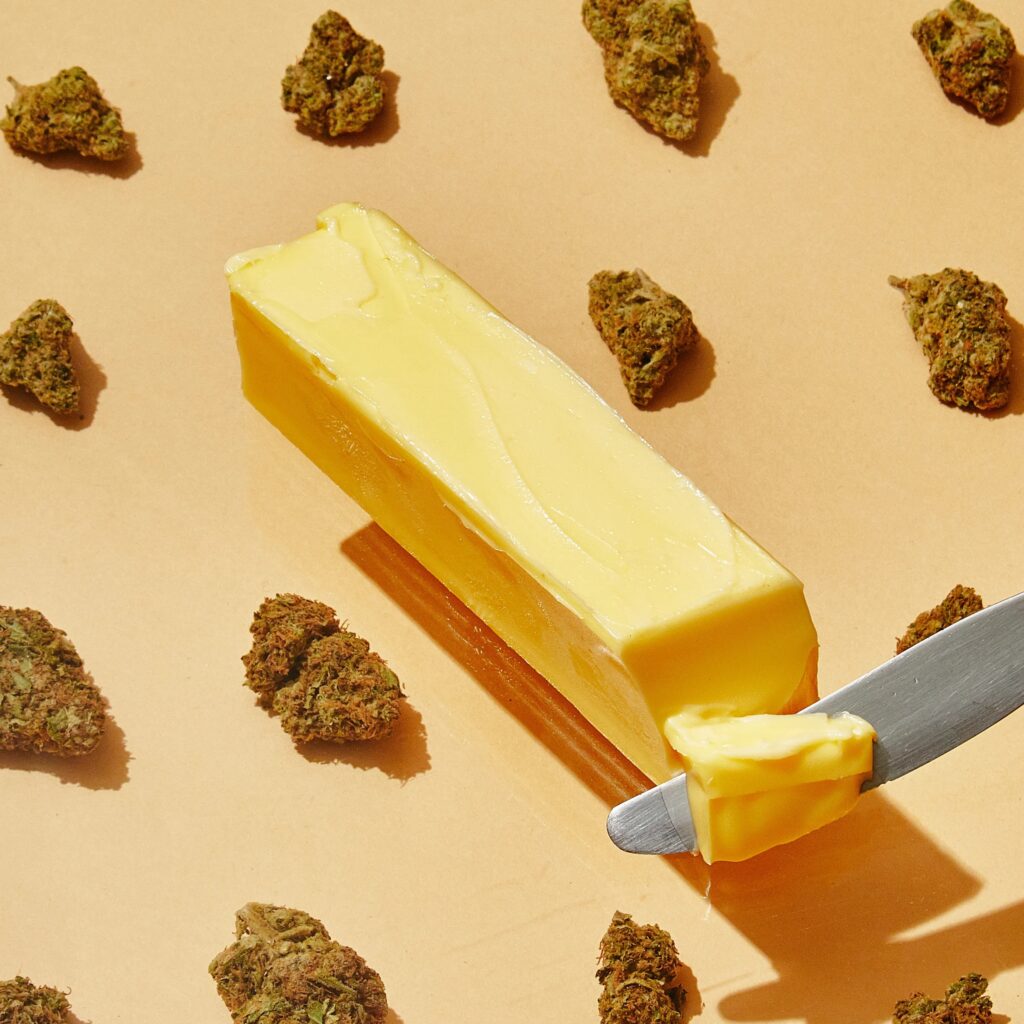
Weed butter, also known as cannabis-infused butter, is a culinary ingredient crafted by infusing butter with cannabinoids, the active chemical compounds found in cannabis plants. This document delves into the nature of weed butter, outlining how it is made and why it is increasingly used in both culinary and therapeutic settings.
1. What is Weed Butter?
Weed butter is created by blending butter with active cannabinoids, such as tetrahydrocannabinol (THC) and cannabidiol (CBD), which are extracted from cannabis. The process typically involves:
- Decarboxylation: This initial step heats the cannabis to activate THC and other cannabinoids, making them effective when ingested.
- Infusion: Following decarboxylation, the activated cannabis is simmered with butter to allow the cannabinoids to infuse into the butterfat. The mixture is then strained to eliminate plant residues, producing a potent cannabinoid-infused butter.
2. Culinary and Therapeutic Uses
Weed butter is utilized in various culinary applications, appreciated by both amateurs and professional chefs for its ability to introduce the unique effects of cannabis into edible products. It can be utilized for baking, cooking, or as a spread.
3. Medicinal Advantages
Apart from its culinary applications, weed butter is prized for its medical benefits. It offers a discreet, controllable method for administering consistent doses of cannabinoids for therapeutic uses, including pain management, anxiety relief, and appetite stimulation. Cannabis edibles made with weed butter tend to have a more prolonged effect compared to other methods of consumption, offering extended relief for those with persistent ailments.
4. Reasons for Using Weed Butter
Choosing weed butter offers several benefits:
- Versatility: It can be seamlessly integrated into numerous dishes, offering a variety of ways to consume cannabis based on personal preferences.
- Discretion: As an edible form of cannabis, it provides a smoke-free alternative, which is particularly advantageous for medical users who require discretion.
- Controlled Dosing: With precise preparation, weed butter enables accurate measurement of cannabinoid dosage, essential for users who rely on specific therapeutic effects.
5. Conclusion
Weed butter represents a significant convergence of culinary innovation and cannabinoid therapy, offering a versatile and efficient method for consuming cannabis. Understanding its preparation and usage is essential for achieving both enjoyable and effective results. As societal acceptance of cannabis expands, so too does the inventive utilization of its derivatives, such as weed butter, across various domains.
Essential Ingredients: What You’ll Need to Make Weed Butter
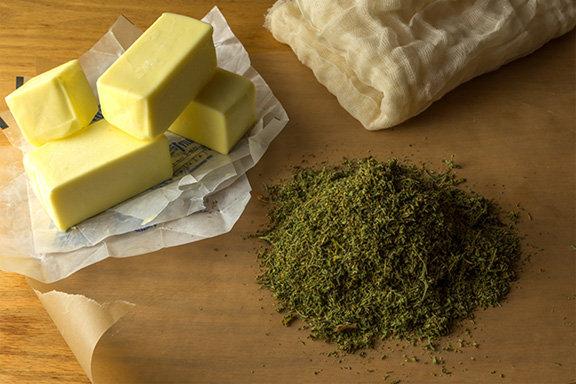
Producing high-quality weed butter, a foundational element for many cannabis-infused culinary delights, requires careful selection of specific ingredients to ensure effectiveness and flavor. This document outlines the crucial ingredients needed to create high-quality weed butter, serving as a comprehensive guide for culinary enthusiasts interested in integrating cannabis into their cooking.
1. Cannabis
The cornerstone ingredient in weed butter is cannabis, with the selection of type and strain critically affecting the final product’s potency and flavor:
- Quality: Opt for organically grown, high-quality cannabis to avoid contaminants such as pesticides that could degrade the safety and taste of your weed butter.
- Strain: Choose between Indica, Sativa, or hybrid strains depending on the desired effect, whether it’s relaxing or stimulating.
Consider the THC and CBD concentrations in the strain to align with the desired potency and therapeutic impact.
2. Butter
Butter acts as the fatty base that absorbs the cannabinoids:
- Unsalted Butter: High-quality unsalted butter is recommended to manage the sodium content and maintain the natural flavors of the cannabis.
- Clarified Butter or Ghee: These are preferred by some for their higher fat content, which can more effectively capture the cannabinoids and terpenes from the cannabis.
3. Water
Water is frequently added during the infusion process to help control the temperature and prevent the butter from burning. It also aids in cleansing the plant matter, which can enhance the purity and taste of the butter.
4. Decarboxylation Equipment
Activating the THC and CBD through decarboxylation is essential before infusing the cannabis into butter:
- Oven: Necessary for evenly heating the cannabis at a controlled temperature.
- Baking Sheet and Parchment Paper: Useful for evenly spreading the cannabis and preventing it from sticking during decarboxylation.
5. Infusion Tools
Post-decarboxylation, the activated cannabis is infused into the butter:
- Saucepan or Slow Cooker: Ideal for combining butter, water, and cannabis and maintaining a controlled, slow heat necessary for effective infusion.
- Cheesecloth or Fine Mesh Strainer: Essential for filtering out the solid plant material from the butter mixture, ensuring a smooth consistency in the final product.
6. Storage Solutions
Proper storage is crucial once the weed butter is prepared:
- Airtight Containers: Use glass or sturdy plastic containers with secure lids to store the weed butter, minimizing air exposure to preserve freshness and extend shelf life.
Conclusion
Preparing weed butter involves a meticulous selection of ingredients and the use of appropriate equipment to yield a potent and enjoyable enhancement to various dishes. By choosing the correct cannabis strain, quality butter, and the necessary tools, individuals can successfully create and savor the unique culinary experiences that cannabis-infused butter offers. Precision in following recipes and careful handling are essential to obtaining optimal results in cannabis cuisine.
Decarboxylation: Preparing Cannabis for Infusion
Decarboxylation is an essential preparatory step in the process of cannabis infusion, required to activate the psychoactive and therapeutic properties of cannabinoids like tetrahydrocannabinol (THC) and cannabidiol (CBD). This document delves into the decarboxylation process, detailing its chemical underpinnings, required conditions, and practical implementation to ensure successful cannabis infusion.
1. Chemical Fundamentals of Decarboxylation
Decarboxylation involves the chemical reaction that removes a carboxyl group from cannabinoids, releasing carbon dioxide (CO2). Naturally occurring in cannabis as tetrahydrocannabinolic acid (THCA) and cannabidiolic acid (CBDA), these precursors are non-psychoactive. Their transformation into psychoactive THC and therapeutic CBD through decarboxylation is essential for effective interaction with the human endocannabinoid system.
2. The Necessity of Decarboxylation
Consuming raw cannabis does not typically produce the expected psychoactive or medicinal effects because THCA and CBDA are not readily converted into THC and CBD by the body. Decarboxylation converts these acids into their active states, enhancing the potency and effectiveness of cannabinoids in edibles, tinctures, and other infused products.
3. Optimal Decarboxylation Conditions
Achieving successful decarboxylation requires precise control over temperature and duration:
- Temperature: Optimal temperatures for decarboxylation lie between 220°F and 245°F (104°C to 118°C). Going beyond this temperature range can result in a reduction of potency and flavor, as it leads to the breakdown of cannabinoids and terpenes.
- Time: Typically, cannabis is decarboxylated by heating in an oven for 30 to 45 minutes, though times may vary depending on the specific cannabinoids targeted.
- Equipment: Utilizing an oven is common for its ability to maintain consistent temperatures. Containing cannabis aroma and preserving terpenes during decarboxylation can be managed with oven bags or covered baking dishes.
4. Decarboxylation Techniques
There are several methods available for effective decarboxylation:
- Oven Decarboxylation: The most common method involves uniformly spreading cannabis on a baking sheet and heating it in an oven at the specified temperatures.
- Water Bath Decarboxylation: This method involves sealing cannabis in a waterproof bag and immersing it in hot water to maintain a stable temperature throughout the process.
- Specialized Decarboxylation Devices: These are commercially available appliances that offer precise temperature control for decarboxylation, ideal for consistent preparation of cannabis-infused products.
5. Conclusion
Understanding and correctly implementing decarboxylation is fundamental to preparing cannabis for infusion. It ensures the activation of THC and CBD, maximizing the therapeutic and psychoactive potentials of these cannabinoids. Proper decarboxylation guarantees that both recreational users and medical patients derive the full benefits from cannabis-infused products, optimizing their efficacy and user experience.
Step-by-Step Guide: How to Make Weed Butter
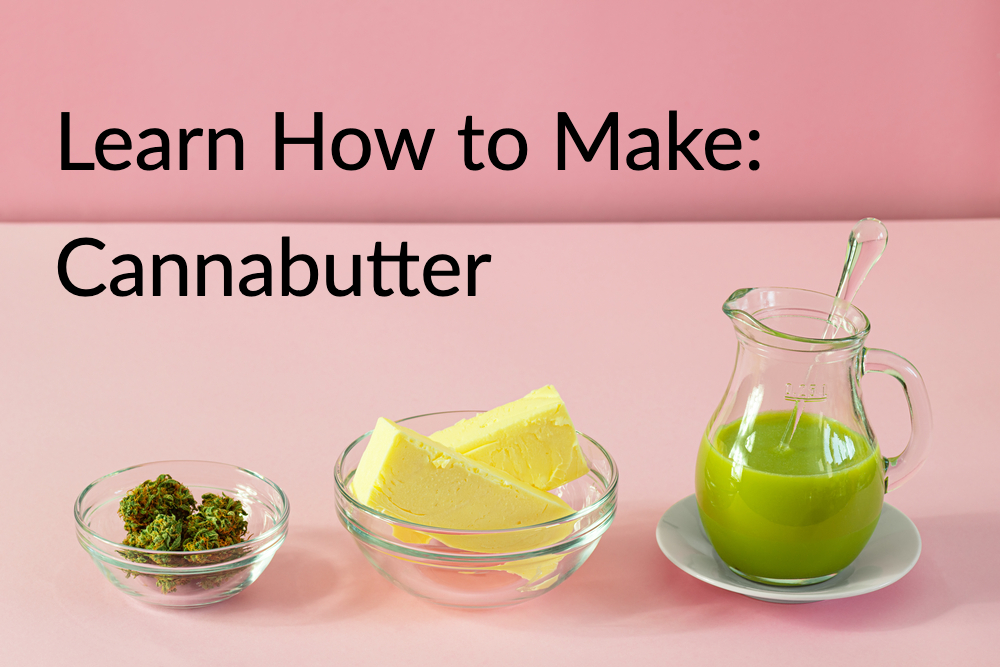
Cannabis-infused butter, often known as weed butter, is a crucial component for creating various cannabis-edible products. This guide outlines a clear, step-by-step process to make weed butter, enabling beginners to successfully produce a potent and useful ingredient.
1. Preparation of Ingredients and Tools
Before beginning, make sure you have all the required items:
- Cannabis: Choose the quantity based on the desired strength of the butter.
- Butter: Use one pound of unsalted butter to avoid altering the taste with additional salt.
- Water: A small amount is needed to help control the temperature and prevent the butter from scorching.
- Equipment: Gather a grinder for the cannabis, a saucepan or slow cooker, cheesecloth or a fine mesh strainer, and airtight containers for storing the butter.
2. Decarboxylating the Cannabis
Activating THC and CBD is essential through decarboxylation:
- Heat your oven to 245°F (118°C).
- Coarsely grind the cannabis and spread it evenly on a parchment-lined baking tray.
- Bake for 30 to 40 minutes, stirring every 10 minutes to ensure uniform decarboxylation.
3. Infusing the Butter
With decarboxylation complete, you can combine the cannabis with butter:
- Melt butter in a saucepan or slow cooker and mix in an equal part of water.
- Stir in the decarboxylated cannabis.
- Keep the mixture on a low heat (160ºF to 180ºF; do not exceed 200°F) for 2 to 3 hours, stirring occasionally to avoid boiling.
4. Straining the Butter
To separate the butter from the plant material:
- Set a cheesecloth in a strainer over a bowl.
- Pour the hot butter mixture through the cheesecloth to filter out the solid plant material.
- Press the solids in the cheesecloth to extract as much butter as possible, taking care due to the heat.
5. Cooling and Storage
Proper cooling and storage are crucial:
- Let the cannabis butter cool to room temperature.
- The butter will separate and solidify at the top of the water mixture.
- Store the solid butter in an airtight container in the refrigerator or freezer based on your usage timeline.
6. Conclusion
Producing cannabis-infused butter involves meticulous attention to temperature control during decarboxylation and infusion, effective straining to ensure a clean product, and appropriate storage to preserve effectiveness. Mastering this process allows you to create a versatile base for numerous cannabis-infused dishes, offering both recreational and medicinal benefits from cannabis.
Tips for Perfect Weed Butter Dosage and Strain Considerations
Crafting cannabis-infused butter, known as weed butter, involves careful attention to the dosage and choice of cannabis strain to ensure the desired effects and culinary quality. This document provides essential guidance on how to master the preparation of weed butter by focusing on precise dosage measurements and strategic strain selection.
1. Dosage Precision
The effectiveness and safety of weed butter are heavily influenced by the THC and CBD levels in the chosen cannabis strain and the quantity utilized in the butter recipe. Accurate dosing is crucial to avoid undesirable effects and to tailor the butter to specific needs.
- Determining Cannabinoid Levels: Start by identifying the THC and/or CBD concentration in the cannabis strain. This information may be available from the supplier or can be verified through laboratory testing.
- Dosage Calculation: Employ a dosage calculator or a basic formula to estimate the amount of THC or CBD per serving. For instance, using one gram of cannabis with a 10% THC concentration to make a cup of butter results in about 100 milligrams of THC, assuming complete extraction efficiency.
- Adapt for Intended Use: Adjust the potency based on the intended use of the weed butter. Higher concentrations might be suitable for medicinal purposes, while recreational use, especially among beginners, might require lower dosages.
2. Choosing the Appropriate Cannabis Strain
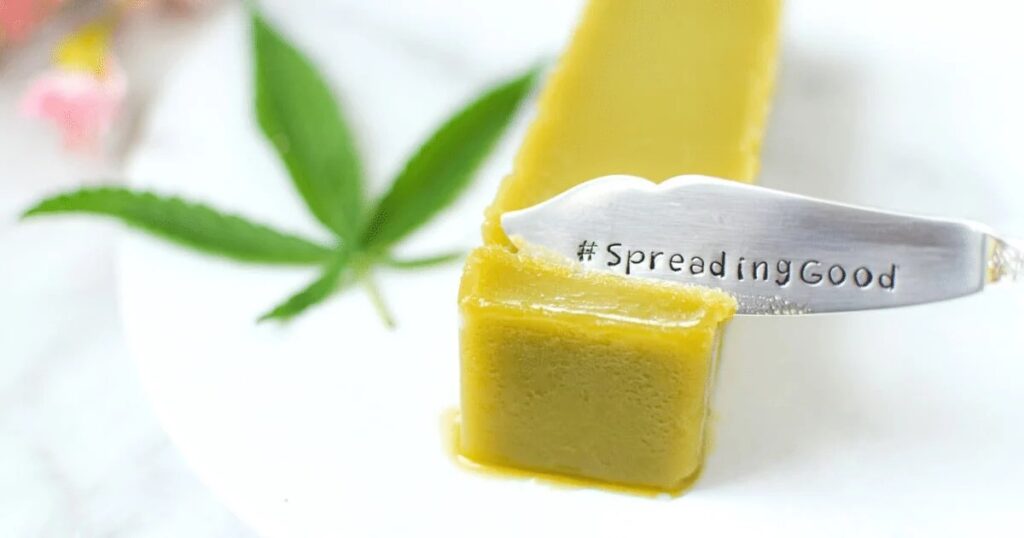
The selection of the cannabis strain is critical as it affects the butter’s potency, therapeutic benefits, and flavor.
- Indica vs. Sativa: Choose Indica strains for their relaxing benefits, suitable for products aimed at promoting sleep or alleviating anxiety. Opt for Sativa strains for their uplifting effects, ideal for enhancing social interactions or creative projects.
- CBD-Dominant Strains: Opt for CBD-rich strains if the goal is to harness the medicinal benefits of cannabis without significant psychoactive effects. These strains are effective in treating ailments like pain and anxiety while maintaining clarity.
- Consider Terpenes: The strain’s terpene profile, which influences flavor and aroma, should complement the intended culinary uses. For example, a terpene like limonene would be ideal for citrus-flavored recipes, enhancing both taste and scent.
3. Conclusion
Achieving the perfect weed butter requires meticulous dosage control and thoughtful strain selection. By carefully calculating cannabinoid content and choosing the right strain, both newcomers and seasoned enthusiasts can create weed butter that meets their exact requirements, whether for health-related uses or culinary enjoyment. Proper dosing and strain choice are key to producing consistent, effective, and enjoyable cannabis-infused products.
Troubleshooting Common Issues in Weed Butter Preparation
Preparing cannabis-infused butter, or weed butter, demands precise techniques to ensure the final product’s quality and consistency. However, common challenges can arise that may affect the potency, flavor, and overall quality of the butter. This document offers comprehensive solutions for addressing these frequent issues encountered during the preparation of weed butter.
1. Variability in Potency
Achieving consistent potency is essential for effective dosing, particularly for medicinal use.
- Solution: Use precise measurements and ensure even mixing. Accurately weigh the cannabis with a digital scale and grind it consistently. Stir the mixture frequently during infusion to evenly distribute the cannabinoids throughout the butter.
2. Burnt Cannabis
Overheating during decarboxylation or infusion can lead to a burnt taste and reduced cannabinoid effectiveness.
- Solution: Keep a close eye on temperature. Maintain the decarboxylation process within the recommended range of 220°F to 245°F. During infusion, keep the heat low and avoid letting the butter boil to protect the cannabinoids and flavor profiles.
3. Strong Cannabis Flavor
For recipes requiring a more subtle cannabis flavor, the strong taste of the herb can be overpowering.
- Solution: Select strains with milder flavors or those with specific cannabinoid profiles suited to your needs. Employ multiple layers of cheesecloth or a fine mesh strainer to thoroughly filter out plant debris, minimizing the herbal taste.
4. Water Contamination
Water can separate and remain in the butter, which may not be desirable.
- Solution: After cooling the butter to the point where it starts to solidify but is not completely hard, carefully remove the butter layer from the water. This may involve either lifting off the solid butter or draining the water if the butter is firm enough.
5. Straining Challenges
Properly removing plant material is essential but can sometimes be cumbersome and messy.
- Solution: Opt for high-quality cheesecloth or a fine mesh strainer for effective filtration. If the mixture is too dense, gently warm it to decrease its thickness, facilitating easier straining.
6. Limited Shelf Life
Improper storage can lead to weed butter spoiling or losing potency faster than expected.
- Solution: Keep the weed butter in an airtight container and store it in the refrigerator for use within a few weeks, or freeze it for extended storage. Avoid exposure to light and heat to maintain its potency and freshness.
Conclusion
Mastering the preparation of weed butter involves more than following a recipe it requires attentiveness to specific challenges and applying effective solutions. By tackling these common issues head-on, one can significantly improve the potency, taste, and longevity of cannabis-infused butter, ensuring a high-quality product for both recreational and medicinal purposes.
Creative Uses: Incorporating Weed Butter into Recipes
Cannabis-infused butter, or weed butter, serves as an adaptable and effective ingredient for culinary enthusiasts seeking to incorporate the benefits of cannabis into their cooking. This document delves into the various innovative methods for integrating weed butter into a range of recipes, thereby enhancing both the gastronomic appeal and the therapeutic benefits of dishes.
1. Introduction to Culinary Uses of Weed Butter
Weed butter is a practical means to blend the therapeutic and psychoactive properties of cannabis into edible forms. By replacing traditional butter with cannabis-infused butter, any recipe that requires butter can be transformed into a powerful, enjoyable edible.
2. Breakfast Recipes
Incorporating weed butter into morning meals can enrich both their nutritional and pleasure aspects:
- Cannabis-Infused Pancakes: Enhance pancake batter with weed butter for a relaxing start to the day, garnished with fresh fruits and syrup.
- Scrambled Eggs: Use weed butter to cook scrambled eggs, infusing them with a unique, subtle flavor and calming effects.
3. Main Dishes
Weed butter can transform standard meals into exceptional culinary experiences:
- Pasta with Cannabis-Infused Alfredo Sauce: Utilize weed butter as the foundation for Alfredo sauce, adding a new dimension to this classic pasta dish.
- Baked Cannabis Macaroni and Cheese: Integrate weed butter into the roux for a comforting dish that marries the creaminess of cheese with the soothing properties of cannabis.
4. Desserts and Baked Goods
Weed butter is particularly effective in desserts and baked goods:
- Weed Butter Cookies: Replace regular butter with cannabis-infused butter in cookie recipes for a delightful snack.
- Brownies and Bars: A staple in the realm of cannabis edibles, brownies provide a decadent way to enjoy cannabis through rich, chocolatey treats.
5. Condiments and Spreads
Weed butter can also enhance everyday condiments:
- Cannabis Garlic Bread: Spread weed butter mixed with garlic over baguettes for a flavorful side dish.
- Infused Honey Butter: Combine weed butter with honey to create a sweet condiment ideal for biscuits or toast.
6. Sauces and Dressings
Elevate salads and main dishes with cannabis-infused sauces:
- Cannabis Bechamel Sauce: Craft a smooth bechamel sauce using weed butter, perfect for casseroles or as a creamy vegetable topping.
- Salad Dressing: Create a vinaigrette with weed butter to drizzle over fresh salads.
7. Conclusion
Using weed butter in cooking allows chefs to explore novel culinary territories while harnessing the advantages of cannabis. From enhancing breakfast options to enriching desserts and condiments, weed butter offers a straightforward approach to integrating cannabis into everyday meals. By experimenting with diverse recipes, chefs can tailor both the flavor profiles and the desired effects of cannabis, ensuring a pleasurable and beneficial dining experience.
Health Considerations: What to Know Before Consuming
The use of cannabis-infused products, such as edibles containing weed butter, requires careful consideration and awareness of the associated health implications. This document outlines essential health-related guidelines to assist potential consumers in making informed choices about cannabis consumption, ensuring they are aware of the potential risks, benefits, and best practices.
1. Dosage and Potency Awareness
Understanding and managing the dosage of cannabis-infused products is critical:
- Initial Dosage: For newcomers to cannabis, it is advisable to begin with a small dose and gradually adjust it based on tolerance and necessity. The effect of edibles can vary significantly based on factors such as metabolism, body weight, and personal tolerance.
- Timing of Effects: The effects of edibles take longer to manifest compared to inhaled cannabis, typically between 30 minutes to 2 hours. This delay can lead to overconsumption if not anticipated and monitored.
2. Dietary Considerations and Allergies
It is crucial to take into account any dietary restrictions or allergies prior to consuming cannabis-infused products:
- Check Ingredients: Make sure all ingredients in the product are known to avoid any allergic reactions.
- Awareness of Cross-Contamination: Understand the risk of cross-contamination if cannabis products are made in facilities that process common allergens such as nuts, gluten, or dairy.
3. Interactions with Medications
Cannabis can interact with various medications, affecting their efficacy or causing adverse effects:
- Consultation with Healthcare Providers: Individuals who are on other medications or have existing health conditions should consult healthcare professionals prior to consuming cannabis-infused products.
- Avoid Mixing Substances: Mixing cannabis with alcohol or other psychoactive substances can intensify impairment and is generally advised against.
4. Psychological Impact
The psychological effects of cannabis can vary significantly:
- Risk of Anxiety and Paranoia: High-THC products can induce anxiety or paranoia in some users.
- Consideration for Mental Health: Those with mental health issues such as depression or psychosis should use cannabis with caution, as it can sometimes worsen these conditions.
5. Legal and Safety Compliance
Compliance with local cannabis regulations is essential:
- Compliance with Local Laws: Ensure that cannabis consumption complies with all local legal guidelines, including age restrictions and possession limits.
- Safe Consumption Practices: Avoid driving or operating machinery after consuming cannabis due to its potential impairing effects.
6. Conclusion
Making informed decisions about the use of cannabis-infused products is essential for a safe and enjoyable experience. By carefully considering dosage, dietary concerns, medication interactions, psychological impacts, and legal guidelines, consumers can responsibly integrate these products into their lifestyle. Ongoing education and awareness are vital as the regulatory landscape and understanding of cannabis continue to evolve.
Legal Implications: Understanding the Regulations of Cannabis Edibles
The regulatory environment for cannabis edibles, which encompasses food products infused with cannabis extracts such as THC and CBD, is complex and continually evolving. This document provides a thorough analysis of the legal guidelines and requirements governing cannabis edibles, essential for manufacturers, distributors, and consumers to comprehend and adhere to for lawful operations.
1. Regulatory Landscape
Cannabis edibles are under stringent scrutiny by regulatory bodies to ensure public safety, prevent access by minors, and control the marketing practices surrounding these products.
2. Licensing and Production Compliance
- Manufacturing Licenses: Producers of cannabis edibles must secure appropriate manufacturing licenses, ensuring that facilities meet the health and safety standards comparable to those in the general food industry.
- Production Standards: Producers must follow specific regulations regarding sanitation, packaging, and ingredient quality to maintain safety and compliance.
3. Dosage Control and Packaging
- Dosage Restrictions: There are often strict limits on the amount of THC allowed per serving and per package to prevent overconsumption and ensure safety.
- Child-Proof Packaging: Cannabis edibles must be sold in packaging that is resistant to opening by children, lacks appeal to minors, and clearly states the amount of cannabis content.
4. Labeling Standards
- Ingredient and Allergen Disclosure: Labels on cannabis edibles must list all ingredients, specify cannabinoid content per serving, and indicate any allergens to assist consumers in making informed choices.
- Health Warnings: Labels must also include warnings about the effects of THC, such as potential impairment and the risk associated with driving or operating machinery.
5. Marketing Regulations
- Health Benefit Claims: Advertising for cannabis edibles must avoid unsubstantiated health claims and should not target minors in any way.
- Marketing Restrictions: Cannabis edibles should not be marketed in a way that could confuse them with non-cannabis food products, nor should their packaging resemble that of common food items to avoid accidental ingestion by children.
6. Sales and Distribution
- Age Verification: The sale of cannabis edibles is restricted to adults, with age limits typically mirroring those for alcohol consumption in the locality.
- Restricted Sales Channels: The distribution of cannabis edibles is generally confined to licensed dispensaries and approved retail locations to ensure controlled access and compliance with regulatory standards.
7. Conclusion
Navigating the legal landscape for cannabis edibles requires a deep understanding of local and national regulations. Stakeholders in the production, distribution, and consumption of these products must continually educate themselves about the latest legal requirements to ensure compliance. By adhering to these regulations, those involved in the cannabis edibles market contribute to responsible usage and distribution, thereby promoting public health and legal conformity.
