Table of Contents
How to make pot brownies
Introduction to Pot Brownies: A Classic Cannabis Edible
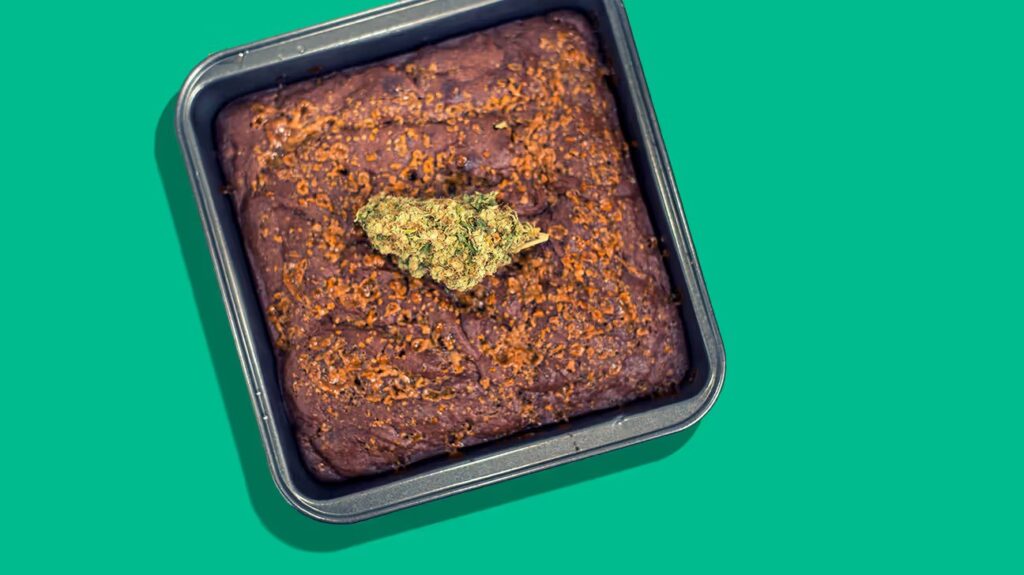
Pot brownies stand as an iconic and traditional form of cannabis edible, deeply embedded within the culinary world of cannabis consumption. This discussion provides an overview of pot brownies, examining their historical significance, culinary importance, and the specifics of their preparation and consumption.
Historical Overview
Pot brownies first gained prominence during the cultural upheavals of the 1960s in the United States, serving as a discreet and enjoyable way to consume cannabis. Made famous in part by Alice B. Toklas, who included a recipe for “hashish fudge” in her cookbook, these treats quickly became emblematic of the counter-culture movement and have since remained a staple for cannabis aficionados. Over time, pot brownies have transitioned from a cultural novelty to a mainstream edible, valued not just for their psychoactive properties but for their culinary appeal as well.
Culinary Relevance
The deep, chocolaty essence of brownies makes them particularly well-suited for infusing with cannabis, whose earthy flavors are nicely masked by the strong presence of chocolate. This makes for a more enjoyable edible experience. The adaptable nature of brownie recipes also means they can be modified to fit various dietary needs, including gluten-free, vegan, and nut-free options, thus catering to a broad audience.
Preparation and Dosage Considerations
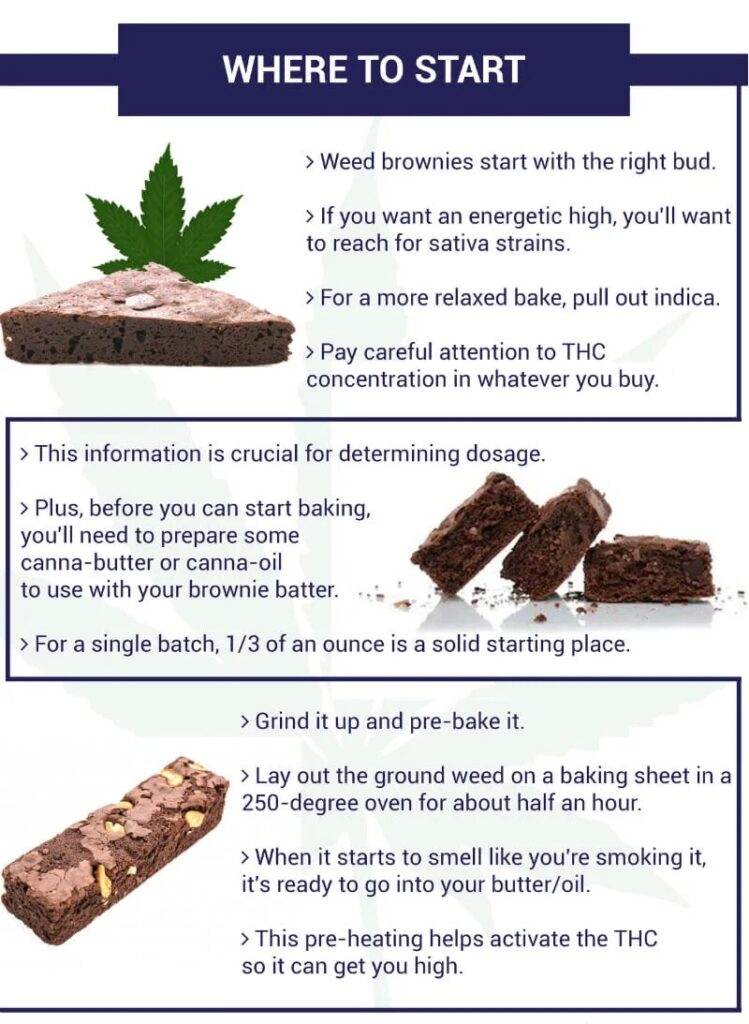
Creating pot brownies involves the crucial step of decarboxylating cannabis to activate THC, which is then infused into butter or oil. This cannabis-infused base is mixed into the brownie batter and baked, requiring careful attention to ensure the mixture is homogenous to prevent uneven THC distribution. Regarding dosage, it is essential to proceed with caution. The effects of ingested cannabis may appear within 30 minutes to 2 hours, indicating that it is wise to start with a small serving and wait to assess the effects before consuming more. Accurately measuring and calculating the THC content in the infused butter or oil is vital to maintain safety and control over the experience.
Guidelines for Responsible Use
Responsible consumption of pot brownies includes being aware of and compliant with the local cannabis regulations, which can differ significantly between regions. Users should also consider their personal tolerance and the environment in which they partake, as these can greatly affect the overall experience.
Conclusion
Pot brownies continue to be a beloved tradition within the world of cannabis edibles, offering a delicious and effective method to consume cannabis. Whether used for therapeutic reasons or for leisure, pot brownies encapsulate a rich blend of cultural history and culinary versatility, making them a perennial favorite in the diverse array of cannabis-infused products.
Essential Ingredients: What You’ll Need
In the diverse realm of culinary arts, selecting the appropriate foundational ingredients is crucial. These essential elements form the bedrock of any culinary creation, playing a pivotal role in both simple daily meals and elaborate culinary projects. This discussion outlines the key ingredients integral to the art of cooking and how they contribute to gastronomic creations.
Basic Grains and Starches
Grains and starches are central to countless cuisines globally. Staples such as rice, pasta, and potatoes not only provide essential sustenance and energy but also serve as versatile bases for a wide range of recipes, adapting to various culinary methods and preferences.
Proteins: Animal and Plant-Based Options
Proteins are vital for their nutritional value, including satiation and muscle maintenance. Choices vary from different meats like chicken, beef, and pork, to fish and seafood, each offering distinct flavors and textures. For vegetarian and vegan diets, plant-based proteins such as beans, lentils, tofu, and tempeh are indispensable, allowing for diverse meal options.
Fats and Cooking Oils
Fats and oils are fundamental for cooking, baking, flavoring, and texturing. Universally utilized fats like butter and olive oil are celebrated for their ability to enrich flavors and facilitate cooking processes such as frying and sautéing. Specialty oils like coconut, avocado, and sesame oil are essential for specific dishes and enhancing unique flavors.
Fresh Produce: Vegetables and Fruits
Vegetables and fruits are crucial for their health benefits, providing essential vitamins, minerals, and fibers. They contribute vibrant colors, varied textures, and rich flavors to dishes, versatile in applications from starters and sides to mains and desserts. Their variety encourages culinary creativity and experimentation.
Dairy Products and Alternatives
Dairy items such as milk, cheese, and yogurt are dietary staples, important for their calcium content and culinary versatility. For individuals with dietary restrictions, the importance of alternatives such as almond milk, soy milk, and coconut yogurt in modern kitchens is growing.
Herbs and Spices
Herbs and spices are vital for adding depth and dimension to dishes. They range from the fresh vibrancy of parsley to the deep richness of turmeric, offering subtle to striking enhancements that elevate the culinary experience. Their judicious use is essential in refining and accentuating the flavors of other ingredients.
Sweeteners and Seasonings
Sweeteners and flavor enhancers such as sugar, honey, and salt are essential for drawing out and balancing flavors within a dish. These ingredients adjust sweetness, mitigate bitterness, and enhance savory elements, critical in both savory cooking and dessert preparation.
Conclusion
An understanding of the essential ingredients necessary for cooking is foundational for anyone aiming to master the culinary arts. These basic components are the key building blocks of food preparation, contributing distinct flavors, textures, and nutritional values. Armed with this knowledge, both amateur cooks and seasoned chefs can create dishes that are not only enjoyable and flavorful but also nutritionally balanced.
Preparing Cannabis: Decarboxylation Basics
In the culinary cannabis domain, decarboxylation is a critical process that activates the psychoactive and therapeutic components in cannabis, notably tetrahydrocannabinol (THC). This discussion aims to demystify the key principles and methodologies of decarboxylation, equipping both enthusiasts and medicinal users with the ability to properly prepare cannabis for a variety of uses.
Explaining Decarboxylation
Decarboxylation is a chemical process that eliminates a carboxyl group from the cannabis plant, transforming tetrahydrocannabinolic acid (THCA), which is non-psychoactive, into the psychoactive compound THC. This transformation is essential, as THCA does not produce psychoactive effects in its raw form. While decarboxylation occurs naturally when cannabis is smoked or vaporized, it must be intentionally executed when preparing cannabis for edibles, tinctures, and other non-inhalable products.
The Role of Heat
Heat is crucial in the decarboxylation process. It is necessary to apply sufficient heat to initiate the conversion of THCA to THC without degrading valuable terpenes—compounds that contribute to the plant’s aroma, flavor, and therapeutic benefits.
Optimal Temperature and Duration
Experts in culinary cannabis generally agree that the right temperature and timing are vital for successful decarboxylation. Typically, cannabis should be heated in an oven at 220-245 degrees Fahrenheit (104-118 degrees Celsius) for about 30-45 minutes. This temperature range efficiently activates THC while preserving the terpenes.
Decarboxylation Steps
- Preparation: Start by grinding the cannabis buds finely to increase their surface area, which promotes more even heat exposure.
- Distribution: Spread the ground cannabis evenly across a parchment-lined baking sheet to prevent sticking and facilitate cleanup.
- Heating: Place the baking sheet in an oven preheated to the desired temperature. Heat the cannabis for the set duration, taking care to avoid burning.
- Cooling: Remove the cannabis from the oven after heating and allow it to cool at room temperature to stop further decarboxylation and preserve the active THC.
Using Decarboxylated Cannabis
Once cooled, the decarboxylated cannabis can be incorporated into various products. It can be mixed into butters or oils, which then serve as bases for a myriad of edible products, or it can be used directly in recipes as a ground herb.
Conclusion
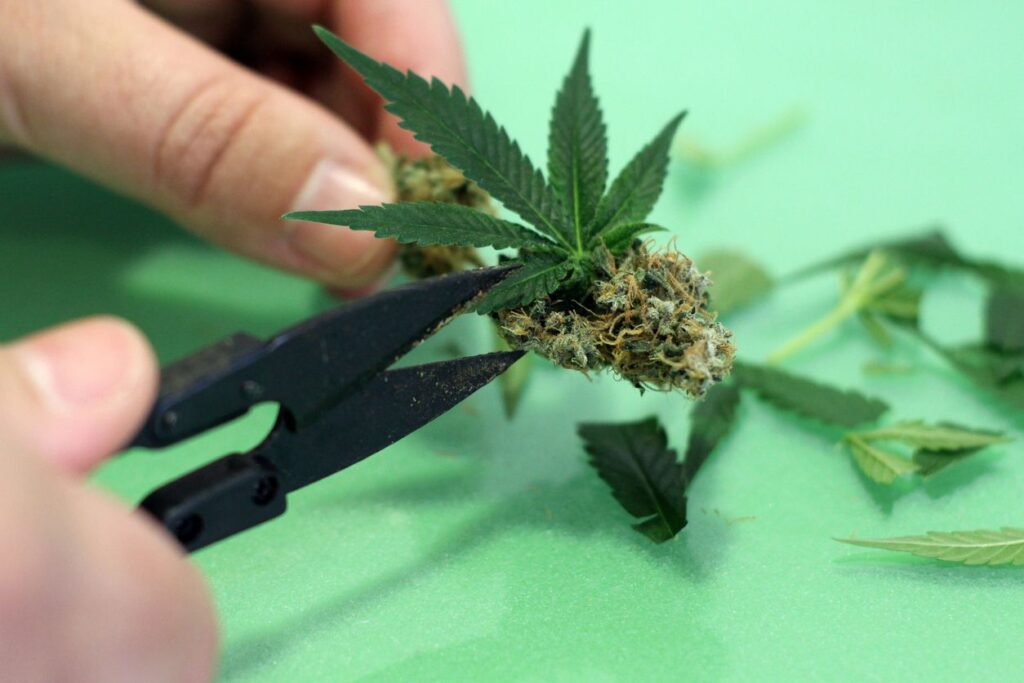
Decarboxylation is essential for anyone looking to leverage the full psychoactive and medicinal capabilities of cannabis in edibles and other ingestible formats. Proper understanding and execution of decarboxylation techniques ensure the effectiveness of cannabis-infused products, enhancing both their potency and the overall experience. Mastery of this process is invaluable for both beginners and seasoned cannabis users aiming to refine their culinary cannabis techniques.
The Recipe: Step-by-Step Guide to Making Pot Brownies
Pot brownies are a celebrated staple in the world of cannabis edibles, blending the rich flavors of chocolate with the distinct effects of THC. This guide provides a comprehensive, step-by-step approach to making pot brownies, designed to assist both beginners and seasoned bakers in creating a potent and enjoyable treat that combines the pleasures of chocolate and the benefits of cannabis.
Ingredients:
- Cannabis-infused butter (dosage dependent on preference and tolerance)
- 1 cup all-purpose flour
- 1 cup sugar
- 1/2 cup unsweetened cocoa powder
- 1/4 teaspoon salt
- 1/4 teaspoon baking powder
- 2 large eggs
- 1 teaspoon vanilla extract
- Optional: nuts, chocolate chips, or other enhancements
Equipment Needed:
- Mixing bowls
- Measuring implements
- Whisk or electric mixer
- 8×8 inch baking dish
- Parchment paper
Method:
- Decarboxylation of Cannabis: Begin with raw cannabis if necessary by finely grinding the buds and spreading them on a baking sheet. Bake in an oven preheated to 245 degrees Fahrenheit for 30-40 minutes. To infuse the butter, simmer the decarboxylated cannabis with butter and a bit of water for 2 to 3 hours, then strain and let the butter mixture cool.
- Oven Preheating and Pan Preparation: Preheat your oven to 350 degrees Fahrenheit (175 degrees Celsius). Prepare the baking pan by lining it with parchment paper and lightly greasing it.
- Dry Ingredients Mixture: Sift together flour, sugar, cocoa powder, salt, and baking powder in a medium mixing bowl to ensure uniform mixing and to prevent clumping.
- Mixing Wet Ingredients: In a different bowl, whisk the eggs and vanilla extract. Gradually blend in the cooled cannabis-infused butter to ensure it is thoroughly incorporated.
- Combining Wet and Dry Mixtures: Gradually mix the wet ingredients into the dry ingredients, stirring just enough to combine, which helps keep the brownies soft.
- Incorporating Add-Ins: If using, fold in nuts, chocolate chips, or other add-ins now to enhance the brownies’ texture and flavor.
- Baking the Brownies: Transfer the batter to the prepared baking dish, smoothing the top evenly. Bake for 20-25 minutes, or until a toothpick comes out mostly clean from the center.
- Cooling and Cutting: Let the brownies cool in the pan for at least 10 minutes before moving them to a cooling rack to cool completely. Once cool, cut the brownies into squares.
Conclusion:
Creating pot brownies involves simple baking techniques along with careful cannabis preparation to ensure the desired effects and flavor. By meticulously following this guide, you can produce delicious and effective edibles that offer a controlled and delightful experience. Consumption should always be approached with caution, respecting the potency and personal tolerance.
Dosage Tips: Determining THC Content for Safety
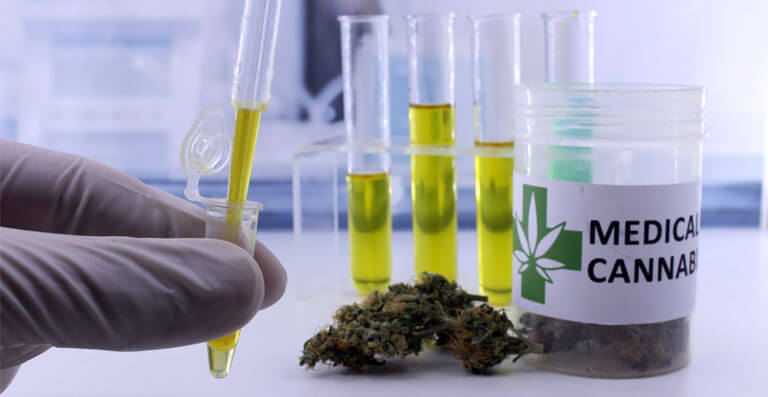
In the evolving landscape of cannabis products, accurately determining the dosage of tetrahydrocannabinol (THC), the principal psychoactive component in cannabis, is essential for ensuring both safety and desired effects. THC potency varies significantly across different strains and products, impacting the strength of psychoactive effects. This text provides structured guidance on how to measure THC content effectively to maintain safety and enhance user experience.
Understanding THC Potency
The potency of THC refers to its concentration in a cannabis product, generally indicated as a percentage or in milligrams. Recognizing the potency is vital because it influences the psychoactive impact on consumers. Products with higher THC concentrations can produce stronger effects, which may be overwhelming for beginners or those with lower tolerance.
Techniques for Determining THC Content
- Laboratory Analysis: Accurate THC measurement is best achieved through laboratory analysis. Certified labs employ methods such as High Performance Liquid Chromatography (HPLC) to accurately quantify THC levels in cannabis samples. This precision is crucial for manufacturers and is often mandated by regulatory authorities to ensure product uniformity and compliance.
- Strain-Based Estimation: For individuals who grow their own cannabis or do not have lab access, estimating THC content based on the typical potency of the strain can be a useful alternative. This approach is less precise and should account for potential variances due to environmental factors and cultivation practices.
- Decarboxylation Calculators: For those preparing cannabis-infused edibles at home, calculating the conversion of THCA (a non-psychoactive compound in raw cannabis) to THC through decarboxylation is important. Online calculators can estimate the potential THC content in edibles by considering the amount of cannabis, initial THCA levels, and decarboxylation efficiency.
Practical Tips for THC Dosage
- Adopt a Conservative Approach: The principle of starting with a low dose and increasing slowly is advisable, particularly for new users or when trying a new product. This method helps avoid the negative effects of overconsumption and allows individuals to gauge their tolerance and optimal dosage.
- Factor in Individual Differences: The effects of THC can differ based on individual attributes such as metabolism, body weight, tolerance, and even genetic factors. These factors should be considered when determining the appropriate dosage of THC.
- Tailor Dosage Over Time: As users become more experienced with cannabis, they can adjust their dosages based on personal responses, thereby improving both the safety and enjoyment of the product.
Conclusion
Correctly assessing THC dosage is crucial for the safe and responsible use of cannabis. Through laboratory testing, informed estimations, and careful consumption practices, users can manage their intake to ensure beneficial and enjoyable experiences. Following these guidelines allows for responsible usage, maximizing the therapeutic and recreational benefits of cannabis while minimizing risks.
Vegan and Gluten-Free Options: Adapting the Recipe
In the realm of modern cooking, incorporating vegan and gluten-free options is essential to accommodate diverse dietary preferences and health requirements. This document provides an in-depth exploration of how to modify conventional recipes to suit vegan and gluten-free diets, ensuring these dishes are both accessible and enjoyable for everyone involved, while maintaining flavor and texture integrity.
Understanding Special Diets
Vegan Diet: This diet excludes all animal products, including meats, dairy, eggs, and derivatives like gelatin. Modifying recipes for vegan consumption involves finding suitable plant-based replacements.
Gluten-Free Diet:
This diet excludes all grains containing gluten, which is essential for individuals with celiac disease or gluten sensitivity. Recipe modification here involves substituting gluten-containing ingredients with suitable gluten-free alternatives.
Recipe Modification: Ingredients and Substitutes
1. Replacing Dairy and Eggs
- Milk: Use alternatives such as almond, soy, oat, or coconut milk in equal quantities to cow’s milk.
- Butter: Options like coconut oil, vegan margarine, and other plant-based butters can be used as substitutes.
- Eggs: In baking, mixtures of water with flax or chia seeds serve as excellent binders. Other options include commercial egg replacers or silken tofu.
2. Utilizing Gluten-Free Flours
- Using a mix of gluten-free flours, such as rice flour, almond meal, buckwheat, or pre-mixed gluten-free all-purpose flours, generally produces the best outcomes.
- Additives like xanthan gum or guar gum might be necessary to enhance the texture and binding properties that gluten normally provides.
3. Meat Alternatives
- Plant-based meats derived from soy, pea proteins, or gluten (for those not avoiding it) can mimic the texture and protein content of meat.
- Whole foods like legumes, mushrooms, and lentils can also be used to add substance and flavor to dishes that traditionally contain meat.
Cooking Adjustments and Tips
Adjusting recipes for these diets often means more than just swapping ingredients; it may also require alterations to cooking methods:
- Moisture Levels: Plant-based ingredients might change the moisture levels in dishes. Adjustments in the amount of liquid or cooking times may be necessary.
- Flavor Adjustments: Since vegan and gluten-free substitutes can alter the flavor profile of recipes, it may be necessary to tweak spices and seasonings to replicate the original taste and richness.
Conclusion
Transforming traditional recipes to cater to vegan and gluten-free diets involves careful consideration of ingredient substitutions and culinary techniques to ensure the dish remains appealing and satisfying. By choosing the correct substitutes and making appropriate adjustments, it is possible to produce dishes that are inclusive of all dietary preferences while still upholding culinary excellence. This inclusive strategy caters to specific dietary requirements and ethical preferences while also expanding the culinary landscape by introducing a broader range of flavors and textures.
Storage Advice: Preserving Freshness and Potency
Proper storage is essential for preserving the freshness and efficacy of both perishable and non-perishable goods. Whether the focus is on food, pharmaceuticals, or chemicals, the ability to effectively store products is crucial for maintaining their quality and effectiveness over time. This guide elaborates on optimal storage practices designed to maximize freshness and potency.
Key Factors Influencing Product Integrity
Several environmental variables can impact product quality, including light, temperature, humidity, and exposure to air. Each factor can trigger chemical reactions or encourage microbial growth that may compromise the integrity of products.
- Light Exposure: Exposure to UV or intense light can break down organic compounds, affecting color, flavor, and functional qualities. Products such as oils, spices, and certain medications are particularly vulnerable.
- Temperature Fluctuations: High temperatures or variable temperatures can hasten product degradation. Keeping temperatures constant and cool is generally best for prolonging shelf life and preserving potency.
- Humidity: Moist conditions can promote mold and bacterial growth, particularly in food items. On the other hand, overly dry conditions can cause products to lose essential moisture.
- Air Exposure: Oxygen can cause oxidation reactions, leading to spoilage, rancidity, or reduced potency. Effective sealing and packaging are crucial to minimize air exposure.
Recommended Storage Practices
To address these challenges, the following storage guidelines are suggested:
- Appropriate Container Use: Select containers that effectively block light, seal out air, and are capable of withstanding specific temperature and humidity conditions. Suitable options include airtight containers, vacuum-sealed packaging, and containers made from dark glass or other opaque materials for light-sensitive items.
- Temperature Management: Keeping a stable and suitable temperature is crucial. Refrigerated or climate-controlled settings are ideal for heat-sensitive products.
- Humidity Control: Employing dehumidifiers in moist areas or humidifiers in arid environments can help maintain an optimal level of humidity, preventing product spoilage or drying.
- Systematic Organization and Rotation: Store products in an organized way that facilitates easy access and efficient rotation. Implementing a first-in, first-out approach ensures older products are utilized before they degrade.
- Routine Monitoring: Periodically inspect products for signs of spoilage, contamination, or other quality declines. Look for any changes in appearance, texture, or odor that may indicate a product is no longer viable.
Conclusion
Effective storage is vital for preserving the quality and extending the lifespan of diverse products. By understanding the environmental risks and applying strategic storage solutions, users can ensure that their products remain fresh, potent, and safe for extended use. This approach not only improves consumer satisfaction and safety but also promotes sustainability and economic efficiency by minimizing waste.
Legal Considerations: Compliance with Local Cannabis Laws
Navigating the complex regulations surrounding cannabis is critical for entities involved in its cultivation, distribution, consumption, or research. This document provides a comprehensive overview of the importance of compliance with local cannabis laws, highlighting the necessity of legal adherence to maintain operational legitimacy and minimize legal risks.
Understanding Cannabis Legislation
Cannabis laws vary extensively by region, reflecting differing cultural, societal, and political views on its use. While some areas have fully legalized cannabis for both medicinal and recreational purposes, others strictly regulate or completely prohibit its use. Cannabis regulations can involve multiple layers of governance, including federal, state, and local levels, making a thorough understanding of these laws crucial for anyone operating in this field.
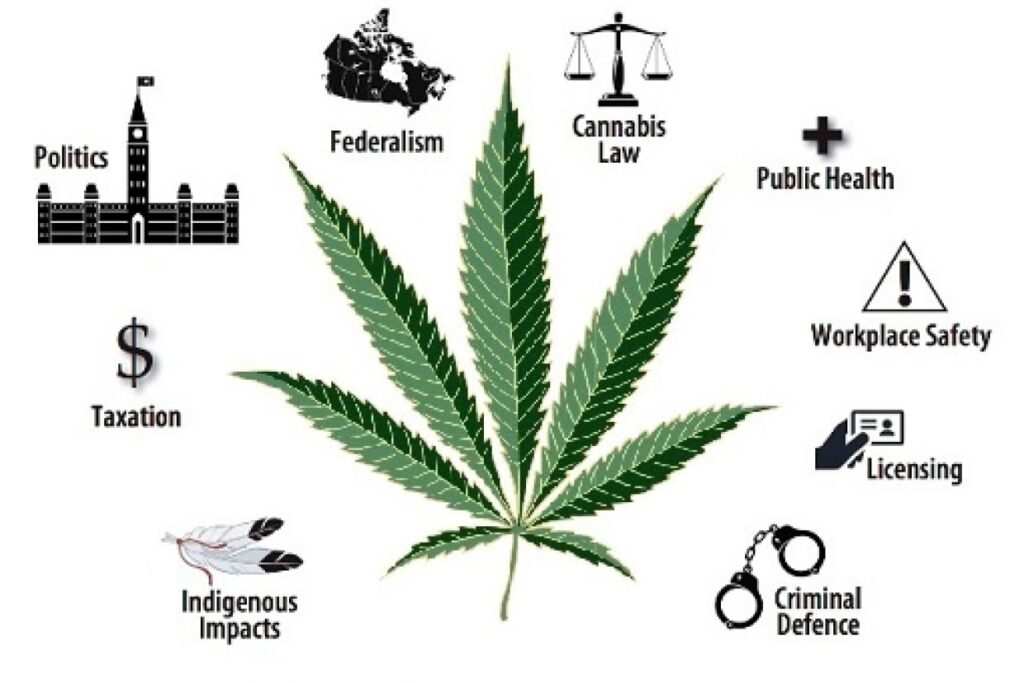
Critical Areas of Legal Compliance
- Licensing and Permitting: Obtaining the proper licenses or permits is a prerequisite in regions where cannabis is legalized. This process typically requires detailed background checks, extensive documentation, and possibly substantial fees. Maintaining up-to-date licenses is essential for legal operation and avoiding penalties.
- Standards for Product Testing and Safety: Legal frameworks often require that cannabis products undergo regular testing for both potency and contaminants to protect public health. Adhering to safety standards in cultivation, extraction, and distribution is necessary to prevent the distribution of harmful products and maintain market integrity.
- Packaging and Labeling Regulations: Laws regarding packaging and labeling are designed to ensure consumer safety and informed decisions. These regulations might dictate specific warnings, THC and CBD content disclosures, and child-resistant packaging to prevent appeal to minors and ensure transparency.
- Marketing and Advertising Limitations: Cannabis-related marketing is typically subject to stringent regulations that limit exposure to minors and prevent promotional content that could be misleading. Compliance with these marketing restrictions is crucial for legal promotion and sustaining a reputable business presence.
- Tax Obligations: Accurately reporting and remitting taxes related to cannabis sales is mandatory. Failure to comply with tax obligations can result in severe penalties and legal consequences.
Addressing Legal Challenges
Due to the continually evolving nature of cannabis laws, entities in the cannabis industry frequently face legal challenges. Staying informed about legislative updates and being prepared to adjust business practices is vital. Engaging legal professionals who specialize in cannabis regulations can provide crucial guidance and help mitigate compliance risks.
Conclusion
Complying with local cannabis regulations is essential, not just as a legal requirement but as a part of responsible business practices in the cannabis industry. By following established legal guidelines, businesses and individuals can operate within the law, ensure consumer safety, and promote responsible cannabis use. As cannabis laws continue to develop, proactive management of legal obligations and adjustments to new regulations will be key to ongoing compliance and success in the industry.
Consumption Guidelines: Enjoying Responsibly
As cannabis becomes more widely accepted and accessible for both recreational and medicinal use, it is crucial to establish guidelines for its responsible consumption. These guidelines are designed to help individuals use cannabis in a way that minimizes health risks and promotes overall well-being. This document outlines essential principles for responsible cannabis use, empowering users with the knowledge to consume responsibly.
Dosage and Potency Awareness
Understanding and managing the dosage and potency of cannabis is critical to safe consumption. THC (tetrahydrocannabinol), the main psychoactive component, varies widely in concentration across different products.
- Start Small: For newcomers to cannabis, it is advisable to start with a low dose and gradually increase it as you assess your tolerance.
- With edibles, where effects may be delayed, starting with no more than 5 milligrams of THC is advisable.
- Educate Yourself About the Product: Familiarity with the THC content and expected effects of your chosen product is crucial. Always read labels carefully and consult reliable sources to ensure you are well-informed before consumption.
Choosing the Right Environment
The environment in which cannabis is used can greatly influence the experience.
- Secure and Comfortable Settings: Use cannabis in a setting where you feel safe and comfortable, away from responsibilities that require unimpaired cognitive functions, such as driving or operating heavy machinery.
- Consider the Social Setting: Use cannabis among trusted companions and avoid consumption in unfamiliar or potentially unsafe situations.
Appropriate Timing for Use
Choosing the right time for cannabis use is important to ensure it does not interfere with daily responsibilities.
- Avoid Critical Engagements: Refrain from cannabis use when you need full mental clarity and coordination for important tasks. Ensure there is ample time to experience and recover from its effects before undertaking such activities.
Legal Adherence
Complying with local cannabis laws is essential and integral to responsible consumption.
- Stay Informed on Regulations: Make sure you are well-versed in the laws governing cannabis use in your area, including age restrictions, prohibitions on public consumption, and regulations against driving while under the influence.
Health Considerations
Understanding the health implications of cannabis use is vital for responsible consumption.
- Seek Medical Guidance: If you are using cannabis for medical reasons, do so under the supervision of a qualified health professional who can provide guidance based on your specific health needs.
- Be Attentive to Body Responses: Monitor how your body and mind react to cannabis, especially when trying new products or strains. If negative reactions occur, reconsider the dosage or the product itself.
Conclusion
Responsible cannabis use is based on careful consideration of its effects, adherence to legal standards, and attention to personal health. By adhering to these guidelines, users can ensure that their experience is enjoyable, safe, and in compliance with both personal and community standards. As the landscape around cannabis continues to evolve, commitment to responsible use will remain key to maximizing its benefits while minimizing potential risks.
