How to Interpret Cannabis Strain Descriptions
Cannabis strain descriptions can be a gateway to understanding the intricate world of cannabis cultivation and consumption. However, they can be complex and packed with jargon that may be overwhelming for beginners. This guide aims to demystify these descriptions, providing a comprehensive understanding of the terms and details commonly found in cannabis strain descriptions.
Understanding Cannabis Taxonomy
Cannabis taxonomy is the classification of the cannabis plant within the broader context of biological classification. Understanding the taxonomy of cannabis is crucial for both consumers and cultivators, as it provides a framework for identifying the different types of cannabis and their unique characteristics. This section will cover the primary species of cannabis, their distinguishing features, and their natural habitats.
Basic Taxonomy and Classification
Cannabis belongs to the family Cannabaceae, which also includes the hops plant used in brewing beer. The genus Cannabis includes three primary species:
- Cannabis sativa
- Cannabis indica
- Cannabis ruderalis
These species have distinct characteristics in terms of appearance, effects, and growth patterns.
Cannabis Sativa
- Appearance: Sativa plants are tall and lanky, often reaching heights of up to 20 feet. They have long, narrow leaves with a light green color.
- Effects: Sativa strains are known for their uplifting and energizing effects. They are often used during the day to enhance creativity, focus, and social interactions.
- Natural Habitat: Sativa plants are native to equatorial regions such as Central America, Southeast Asia, and Africa. These areas have long, warm growing seasons, which suit the growth patterns of sativa plants.
- Growth Characteristics: Sativa plants have a longer flowering period compared to indicas, typically ranging from 10 to 16 weeks. They do well in warm weather and lots of sunlight.
Cannabis Indica
- Appearance: Typically reaching heights of three to six feet, indica plants are bushier and shorter than sativa ones. Their large, dark green leaves are present.
- Effects: It is well known that indica strains have tranquil and calming properties. They are frequently used to promote sleep and reduce discomfort in the evenings and at night.
- Natural Habitat: Indica plants are native to mountainous regions such as the Hindu Kush mountains in Afghanistan, Pakistan, and India. These areas have shorter, cooler growing seasons.
- Growth Characteristics: Indica plants have a shorter flowering period, usually ranging from 7 to 10 weeks. They are well-suited to cooler climates and indoor growing environments.
Cannabis Ruderalis
- Appearance: Ruderalis plants are small and hardy, typically growing to heights of 1 to 2.5 feet. They have a more rugged appearance with fewer branches and leaves.
- Effects: Ruderalis strains are not commonly used for recreational purposes due to their low THC content. However, they are valuable in breeding programs for their autoflowering traits.
- Natural Habitat: Ruderalis plants are native to Central Asia, particularly Russia and surrounding regions. They can thrive in harsh environments with short growing seasons.
- Growth Characteristics: Ruderalis plants have a unique autoflowering trait, meaning they flower based on age rather than light cycles. This makes them suitable for regions with unpredictable light conditions.
Hybrids: Combining Traits
Many modern cannabis strains are hybrids, created by crossbreeding sativa, indica, and ruderalis plants to combine desirable traits from each species. Hybrids can be classified based on their dominance:
- Sativa-dominant hybrids: These strains lean more towards sativa in their genetic makeup and effects. They typically offer an energetic and uplifting high, suitable for daytime use.
- Indica-dominant hybrids: These strains lean more towards indica, providing relaxing and sedative effects. They are often used for evening or nighttime use.
- Balanced hybrids: These strains have a near-equal mix of sativa and indica genetics, offering a balanced combination of effects.
Hybrid strains are bred to enhance specific traits such as yield, potency, flavor, and resistance to pests and diseases. Understanding the dominance of a hybrid strain helps predict its growth characteristics and effects.
Cannabinoids and Terpenes for Medical Benefits
Cannabinoids and terpenes are the primary active compounds in cannabis that contribute to its medicinal properties. Understanding these compounds can help patients and healthcare providers choose the most effective strains for various medical conditions. This section will delve into the key cannabinoids and terpenes, their medical benefits, and how they interact with the body’s endocannabinoid system.
1. Cannabinoids: The Key Players
Chemical substances known as cannabinoids interact with the body’s endocannabinoid system (ECS), which is important for controlling a number of physiological functions including appetite, pain, mood, and immunological response. THC and CBD are the two most well-known cannabinoids, but there are a number of others with promising medical applications.
THC (Tetrahydrocannabinol)
- Properties: The main psychoactive ingredient in cannabis that gives users a “high” is THC.
- Medical Benefits:
- Pain Relief: THC is effective in reducing chronic pain, neuropathic pain, and pain associated with conditions like arthritis and multiple sclerosis.
- Appetite Stimulation: THC is helpful for those with eating issues or undergoing chemotherapy since it helps improve appetite.
- Nausea and Vomiting: THC is effective in alleviating nausea and vomiting, particularly in cancer patients undergoing chemotherapy.
- Muscle Spasms: THC helps reduce muscle spasms in conditions such as multiple sclerosis and spinal cord injuries.
- Side Effects: Potential side effects include anxiety, paranoia, dizziness, dry mouth, and impaired memory and coordination.
CBD (Cannabidiol)
- Properties: CBD is a non-psychoactive cannabinoid known for its wide range of medicinal properties.
- Medical Benefits:
- Anxiety and Depression: CBD has anxiolytic and antidepressant effects, making it useful for treating anxiety disorders, PTSD, and depression.
- Epilepsy: CBD is effective in reducing the frequency and severity of seizures in patients with epilepsy, particularly treatment-resistant forms such as Dravet syndrome and Lennox-Gastaut syndrome.
- Inflammation: CBD has anti-inflammatory properties, useful for conditions like arthritis, inflammatory bowel disease, and autoimmune diseases.
- Pain Relief: CBD can reduce chronic pain and is often used in conjunction with THC for a synergistic effect.
- Neuroprotection: CBD shows potential in protecting the brain from damage and degeneration, making it useful for conditions like Alzheimer’s disease, Parkinson’s disease, and multiple sclerosis.
- Side Effects: CBD is generally well-tolerated, but potential side effects include drowsiness, dry mouth, and interactions with other medications.
Other Cannabinoids
- CBG (Cannabigerol): Known for its potential anti-inflammatory, antibacterial, and neuroprotective properties. CBG is being studied for its effects on conditions like glaucoma, inflammatory bowel disease, and Huntington’s disease.
- CBC (Cannabichromene): Exhibits anti-inflammatory, analgesic, and anti-depressant properties. CBC is being researched for its potential in promoting brain health by encouraging neurogenesis.
- CBN (Cannabinol): Formed by the oxidation and decomposition of THC, CBN is mildly psychoactive and has sedative properties. It is being explored for its potential to aid sleep and relieve pain.
2. Terpenes: The Aromatic Compounds
Terpenes are fragrant substances present in various plants, including cannabis. They have a big impact on the medicinal properties of cannabis strains in addition to adding flavor and scent. Through the entourage effect, in which various substances interact harmoniously, terpenes can augment the effects of cannabis.
Myrcene
- Aroma: Earthy, musky, with hints of cloves and herbal notes.
- Medical Benefits:
- Sedation: Myrcene has sedative properties, making it useful for promoting relaxation and sleep.
- Pain Relief: Myrcene has analgesic properties, helping to alleviate pain.
- Anti-Inflammatory: Myrcene exhibits anti-inflammatory effects, beneficial for conditions like arthritis and inflammatory diseases.
Limonene
- Aroma: Citrusy, similar to lemons and other citrus fruits.
- Medical Benefits:
- Anxiety Relief: Limonene has anxiolytic properties, helping to reduce anxiety and stress.
- Antidepressant: Limonene can enhance mood and has potential antidepressant effects.
- Digestive Health: Limonene is known to support digestive health and alleviate gastrointestinal issues.
Pinene
- Aroma: Pine, with a fresh and woody scent.
- Medical Benefits:
- Anti-Inflammatory: Pinene has anti-inflammatory properties, useful for conditions like asthma and arthritis.
- Bronchodilator: Pinene can help open up the airways, making it beneficial for respiratory conditions.
- Memory Enhancement: Pinene is believed to aid memory and cognitive function.
Linalool
- Aroma: Floral, with a lavender-like scent.
- Medical Benefits:
- Anxiety and Stress Relief: Linalool has calming and anxiolytic properties, useful for reducing anxiety and stress.
- Pain Relief: Linalool exhibits analgesic properties, helping to alleviate pain.
- Anti-Inflammatory: Linalool has anti-inflammatory effects, beneficial for inflammatory conditions.
Caryophyllene
- Aroma: Spicy, peppery, with hints of cloves.
- Medical Benefits:
- Anti-Inflammatory: Caryophyllene has potent anti-inflammatory properties, useful for conditions like arthritis and inflammatory bowel disease.
- Pain Relief: Caryophyllene is known for its analgesic effects, helping to alleviate pain.
- Anti-Anxiety: Caryophyllene has anxiolytic properties, helping to reduce anxiety and stress.
3. The Entourage Effect
The entourage effect is the concept that cannabinoids, terpenes, and other compounds in cannabis work together synergistically to enhance the overall therapeutic effects. This means that the whole plant extract is often more effective than isolated compounds. For example:
- THC and CBD: When combined, THC and CBD can modulate each other’s effects. CBD can reduce the psychoactive effects of THC, making the combination more suitable for patients who need THC’s medicinal benefits without intense psychoactivity.
- Terpenes and Cannabinoids: Terpenes can influence how cannabinoids interact with the body. For example, myrcene can enhance the permeability of cell membranes, potentially increasing cannabinoid absorption.
Understanding the entourage effect highlights the importance of considering the full spectrum of cannabinoids and terpenes when selecting a cannabis strain for medical use. Patients should consult with healthcare providers to determine the best strains and dosages for their specific conditions.
Growing Information for Medical Use
Growing cannabis for medical use involves understanding various aspects of cultivation to ensure the highest quality and potency of the final product. This section will cover the essential information and best practices for growing medical cannabis, including selecting the right strains, understanding growth stages, managing growing conditions, and ensuring compliance with legal regulations.
1. Selecting the Right Strains
Choosing the appropriate cannabis strains for medical use is crucial for achieving the desired therapeutic effects. Consider the following factors:
Cannabinoid Profile
- THC-Dominant Strains: Ideal for conditions requiring strong pain relief, appetite stimulation, or anti-nausea effects.
- CBD-Dominant Strains: Preferred for conditions such as anxiety, inflammation, epilepsy, and for patients seeking non-psychoactive treatment options.
- Balanced THC/CBD Strains: Suitable for conditions that benefit from both cannabinoids, providing a balance of therapeutic effects with moderate psychoactivity.
Terpene Profile
- Myrcene: Sedative and analgesic, useful for pain and insomnia.
- Limonene: Uplifting and anti-anxiety, beneficial for stress and mood disorders.
- Pinene: Anti-inflammatory and bronchodilator, good for asthma and respiratory issues.
- Linalool: Calming and anti-anxiety, helpful for anxiety and depression.
- Caryophyllene: Anti-inflammatory and pain-relieving, suitable for inflammatory conditions.
2. Growing Environment
The health and potency of medicinal cannabis plants depend on the creation of the optimal growth environment. Key factors to consider include:
Lighting
- Indoor Growing: Use high-quality grow lights such as LEDs, HPS (High-Pressure Sodium), or MH (Metal Halide). LEDs are energy-efficient and provide a full spectrum of light.
- Outdoor Growing: Ensure the plants receive adequate sunlight (at least 6-8 hours per day) and are protected from extreme weather conditions.
Temperature and Humidity
- Temperature: Maintain a temperature range of 70-85°F (20-30°C) during the day and 58-70°F (14-21°C) at night.
- Humidity: Seedlings and clones require higher humidity (60-70%), while vegetative plants thrive at 40-60%, and flowering plants prefer 40-50% humidity.
Air Circulation and Ventilation
- Air Circulation: Use fans to ensure consistent air movement, which helps prevent mold and pests.
- Ventilation: Ensure proper ventilation to provide fresh air and remove excess heat and humidity.
Soil and Nutrients
- Soil: Use high-quality, well-draining soil with the right pH balance (6.0-7.0). Consider organic soil for medical cannabis to avoid chemical residues.
- Nutrients: Provide essential nutrients, including nitrogen (N), phosphorus (P), and potassium (K), along with secondary nutrients (calcium, magnesium) and micronutrients (iron, zinc).
Watering
- Water Quality: Use clean, pH-balanced water (6.0-7.0) to avoid nutrient lockout.
- Watering Schedule: Water the plants when the top inch of soil is dry. Overwatering can lead to root rot, while underwatering can stress the plants.
3. Growth Stages
Understanding the different growth stages of cannabis is vital for applying the right care and nutrients at each phase.
Germination
- Duration: 3-10 days
- Conditions: Keep seeds in a warm, moist environment until they sprout. Maintain a temperature of 70-85°F (20-30°C) and humidity of 70-90%.
Seedling Stage
- Duration: 2-3 weeks
- Conditions: Provide 18-24 hours of light per day. Maintain high humidity (60-70%) and a temperature range of 70-85°F (20-30°C).
Vegetative Stage
- Duration: 3-16 weeks (depending on the strain and desired plant size)
- Conditions: Provide 18-24 hours of light per day. Maintain humidity at 40-60% and temperature at 70-85°F (20-30°C). Feed with a high-nitrogen fertilizer.
Flowering Stage
- Duration: 6-12 weeks (depending on the strain)
- Conditions: Provide 12 hours of light and 12 hours of uninterrupted darkness each day. Reduce humidity to 40-50% and maintain temperature at 70-80°F (20-27°C). Feed with a high-phosphorus fertilizer.
Harvesting
- Timing: Harvest when the majority of trichomes (resin glands) are milky white with some turning amber, indicating peak potency.
- Process: Cut the plants and hang them upside down in a dark, well-ventilated space with a temperature of 60-70°F (15-21°C) and humidity of 45-55%.
4. Post-Harvest Processing
Proper post-harvest processing is crucial for preserving the quality and potency of medical cannabis.
Drying
- Duration: 7-14 days
- Conditions: Hang the branches upside down in a dark, well-ventilated room with a temperature of 60-70°F (15-21°C) and humidity of 45-55%.
Curing
- Duration: 2-8 weeks
- Process: Place the dried buds in airtight glass jars and store them in a cool, dark place. Open the jars daily for the first week to release moisture and prevent mold.
Storage
- Conditions: Store cured cannabis in airtight containers in a cool, dark place. Avoid exposure to light, heat, and air to preserve potency and prevent degradation.
5. Compliance with Legal Regulations
Cultivating medical cannabis requires adherence to legal regulations to ensure compliance and avoid legal issues.
Licensing and Permits
- Obtain the necessary licenses and permits required by local, state, and federal authorities for growing medical cannabis.
Security Measures
- Implement security measures such as fencing, surveillance cameras, and alarm systems to protect the cultivation site from theft and unauthorized access.
Record-Keeping
- Maintain detailed records of plant growth, nutrient use, pest control measures, and harvest yields. For quality control and regulatory compliance, this paperwork is frequently necessary.
Testing
- Ensure that the final product is tested for potency, contaminants, and purity by a certified laboratory. This step is crucial for verifying the quality and safety of medical cannabis.
6. Sustainable and Organic Practices
Adopting sustainable and organic growing practices can enhance the quality and safety of medical cannabis.
Organic Soil and Nutrients
- Use organic soil and fertilizers to avoid chemical residues that could harm patients.
Pest and Disease Management
- Implement integrated pest management (IPM) practices that use natural predators, organic pesticides, and cultural controls to manage pests and diseases.
Water Conservation
- Use efficient watering techniques such as drip irrigation to conserve water and reduce environmental impact.
Energy Efficiency
- Utilize energy-efficient lighting and climate control systems to minimize the carbon footprint of indoor cultivation.
Popular Medical Cannabis Strains and Their Descriptions
Selecting the right strain of cannabis is crucial for achieving the desired medical benefits. This section highlights some of the most popular medical cannabis strains, detailing their cannabinoid and terpene profiles, medical uses, and effects.
1. Charlotte’s Web
- Type: Sativa-dominant
- THC/CBD Content: High CBD (15-20%), very low THC (<0.3%)
- Effects: Non-psychoactive, calming, and clear-headed.
- Flavor/Aroma: Earthy, pine, citrus
- Medical Uses:
- Epilepsy: Particularly effective for reducing seizures in treatment-resistant epilepsy.
- Anxiety: Helps reduce anxiety without psychoactive effects.
- Pain: Provides pain relief without impairing cognitive function.
- Inflammation: Anti-inflammatory properties useful for conditions like arthritis.
Charlotte’s Web is renowned for its high CBD content and negligible THC levels, making it ideal for patients who need therapeutic benefits without psychoactivity.
2. Harlequin
- Type: Sativa-dominant hybrid
- THC/CBD Content: Balanced THC (4-7%) and CBD (8-16%)
- Effects: Clear-headed, alert, mildly uplifting.
- Flavor/Aroma: Earthy, sweet, floral
- Medical Uses:
- Pain: Effective for chronic pain without heavy sedation.
- Anxiety: Reduces anxiety while maintaining alertness.
- Inflammation: Helps manage inflammatory conditions.
- Muscle Spasms: Alleviates muscle spasms and tension.
-
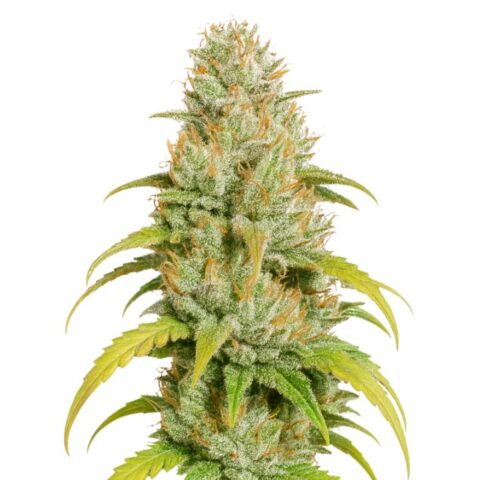 Harlequin CBD Cannabis SeedsFrom: $24.99
Harlequin’s balanced cannabinoid profile makes it versatile for a variety of medical conditions, providing relief without significant psychoactive effects.
3. ACDC
- Type: Sativa-dominant
- THC/CBD Content: Very high CBD (20%), very low THC (1-6%)
- Effects: Non-psychoactive, relaxing, and calming.
- Flavor/Aroma: Earthy, woody, sweet
- Medical Uses:
- Pain: Effective for managing chronic pain.
- Anxiety: Calms anxiety and promotes relaxation.
- Epilepsy: Reduces the frequency and severity of seizures.
- Multiple Sclerosis: Alleviates muscle spasms and other symptoms.
-
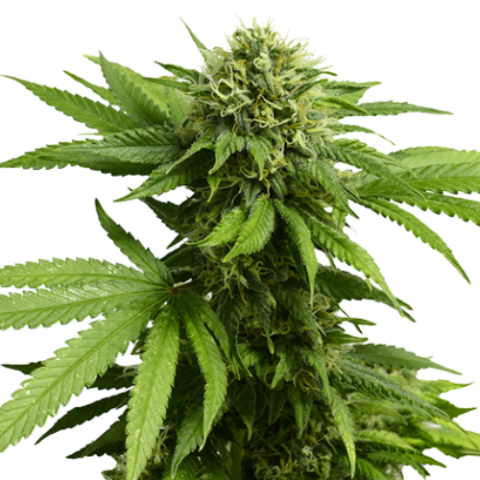 CBD ACDC Cannabis SeedsFrom: $24.99
ACDC is a favorite among medical cannabis users for its high CBD content and minimal psychoactive effects.
4. Cannatonic
- Type: Hybrid
- THC/CBD Content: Balanced THC (6-7%) and CBD (6-17%)
- Effects: Relaxing, focused, mildly uplifting.
- Flavor/Aroma: Earthy, citrus, pine
- Medical Uses:
- Pain: Effective for chronic pain and migraines.
- Anxiety: Reduces anxiety and stress.
- Inflammation: Helps manage inflammatory conditions.
- Muscle Spasms: Eases muscle spasms and tension.
-
 Cannatonic CBD Cannabis SeedsFrom: $24.99
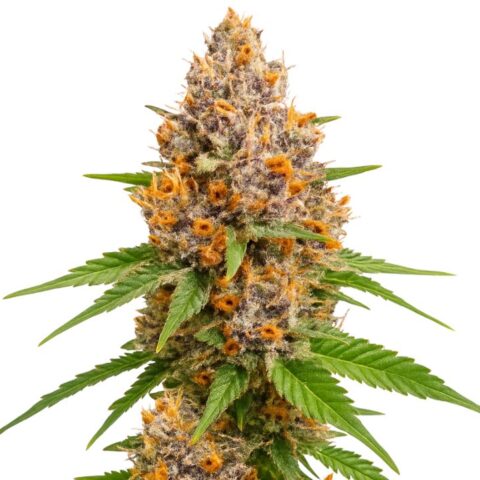
Cannatonic is known for its balanced THC and CBD levels, making it suitable for treating a variety of symptoms while providing mild psychoactive effects.
5. Ringo’s Gift
- Type: Hybrid (varies between phenotypes)
- THC/CBD Content: High CBD (up to 24%), low THC (1%)
- Effects: Non-psychoactive, relaxing, and clear-headed.
- Flavor/Aroma: Earthy, floral, pine
- Medical Uses:
- Pain: Provides significant pain relief.
- Anxiety: Calms anxiety and promotes a sense of well-being.
- Inflammation: Reduces inflammation and associated symptoms.
- Epilepsy: Effective in reducing seizures.
Named after cannabis activist Lawrence Ringo, this strain is highly regarded for its high CBD content and therapeutic benefits without psychoactive effects.
6. Sour Tsunami
- Type: Sativa-dominant hybrid
- THC/CBD Content: High CBD (10-11%), low THC (1-2%)
- Effects: Non-psychoactive, relaxing, and uplifting.
- Flavor/Aroma: Diesel, earthy, sweet
- Medical Uses:
- Pain: Effective for chronic pain management.
- Inflammation: Reduces inflammation.
- Anxiety: Helps alleviate anxiety and stress.
- Muscle Spasms: Eases muscle tension and spasms.
-
 Sour Tsunami CBD Cannabis SeedsFrom: $24.99
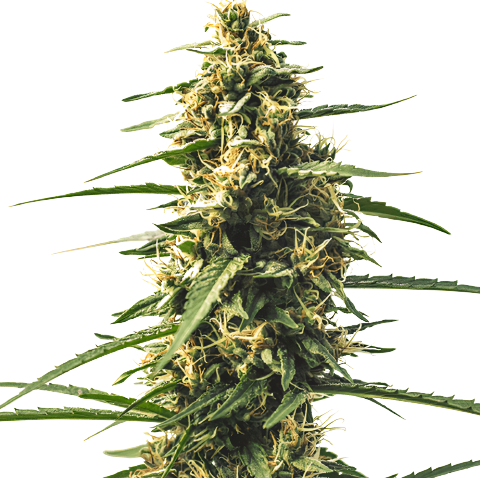
Sour Tsunami is one of the first strains bred specifically for high CBD content, making it a staple in medical cannabis therapy.
7. Pennywise
- Type: Indica-dominant hybrid
- THC/CBD Content: Balanced THC (8-15%) and CBD (8-15%)
- Effects: Relaxing, focused, and calming.
- Flavor/Aroma: Earthy, woody, citrus
- Medical Uses:
- Pain: Provides effective pain relief.
- Anxiety: Reduces anxiety and stress.
- PTSD: Helps manage symptoms of PTSD.
- Arthritis: Alleviates pain and inflammation associated with arthritis.
-
Pennywise CBD Cannabis SeedsFrom: $24.99
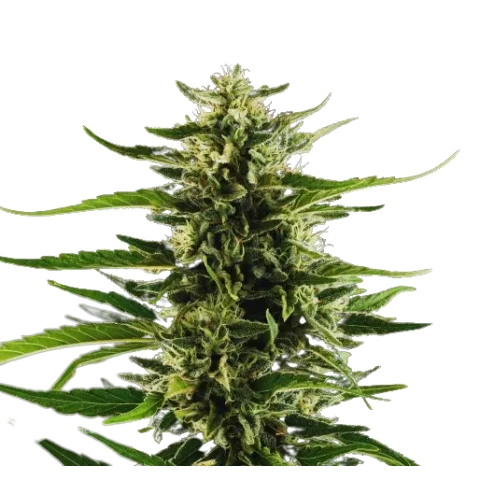
Pennywise is known for its balanced cannabinoid profile and its effectiveness in treating a variety of medical conditions, particularly anxiety and PTSD.
8. Canna-Tsu
- Type: Hybrid
- THC/CBD Content: Balanced THC (4-7%) and CBD (7-10%)
- Effects: Relaxing, clear-headed, and mildly uplifting.
- Flavor/Aroma: Citrus, earthy, sweet
- Medical Uses:
- Pain: Effective for pain relief without heavy sedation.
- Anxiety: Calms anxiety and promotes mental clarity.
- Inflammation: Reduces inflammation and associated pain.
- Muscle Spasms: Eases muscle tension and spasms.
-
Canna-Tsu Cannabis SeedsFrom: $24.99
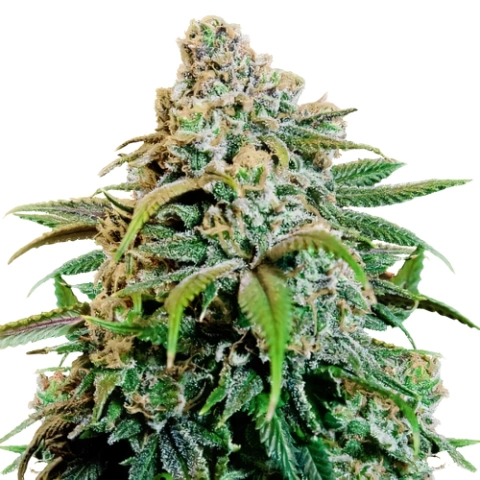
Canna-Tsu’s balanced cannabinoid content makes it suitable for patients seeking relief from various conditions without intense psychoactive effects.
9. Remedy
- Type: Indica-dominant
- THC/CBD Content: High CBD (15%), very low THC (<1%)
- Effects: Non-psychoactive, calming, and soothing.
- Flavor/Aroma: Earthy, pine, sweet
- Medical Uses:
- Pain: Provides significant pain relief.
- Anxiety: Reduces anxiety and stress.
- Inflammation: Effective in reducing inflammation.
- Seizures: Helps control seizures.
-
Remedy CBD Cannabis SeedsFrom: $24.99
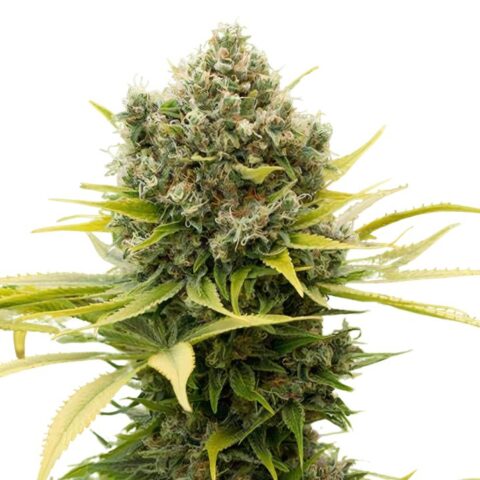
Remedy is highly valued for its high CBD content and minimal THC, offering potent therapeutic benefits without psychoactivity.
10. CBD Critical Mass
- Type: Indica-dominant
- THC/CBD Content: Balanced THC (5-10%) and CBD (5-10%)
- Effects: Relaxing, calming, mildly euphoric.
- Flavor/Aroma: Earthy, sweet, citrus
- Medical Uses:
- Pain: Provides effective pain relief.
- Anxiety: Reduces anxiety and promotes relaxation.
- Insomnia: Helps improve sleep quality.
- Inflammation: Reduces inflammation and associated pain.
-
CBD Critical Mass Cannabis SeedsFrom: $24.99
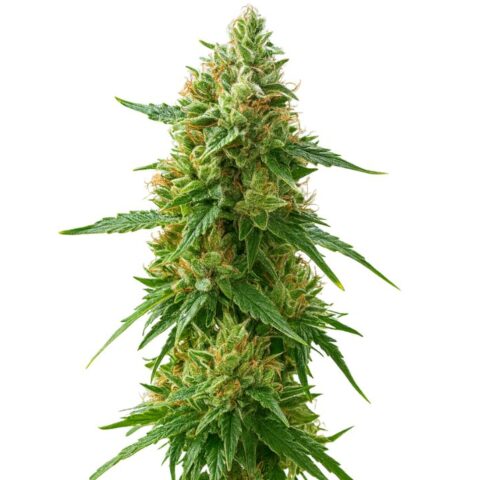
CBD Critical Mass is known for its balanced THC and CBD content, making it suitable for a wide range of medical applications.
Conclusion
Cannabis has emerged as a versatile and potent therapeutic tool for managing a wide range of medical conditions, thanks to its rich diversity of cannabinoids and terpenes. Understanding the profiles and effects of these compounds is essential for selecting the most appropriate strains for medical use, ensuring that patients receive the maximum benefit from their treatment.
Cannabinoids: The Medicinal Powerhouses
Cannabinoids such as THC, CBD, CBG, CBC, and CBN play crucial roles in the therapeutic effects of cannabis. THC is known for its powerful analgesic, anti-nausea, and appetite-stimulating properties, making it beneficial for conditions like chronic pain, chemotherapy-induced nausea, and loss of appetite. CBD stands out for its non-psychoactive nature and its effectiveness in treating anxiety, epilepsy, inflammation, and neurodegenerative diseases. Other cannabinoids like CBG and CBC offer additional anti-inflammatory, antibacterial, and neuroprotective benefits, expanding the medicinal potential of cannabis.
Terpenes: Enhancing Therapeutic Effects
Terpenes, the aromatic compounds found in cannabis, contribute significantly to its flavor, aroma, and medicinal properties. Compounds like myrcene, limonene, pinene, linalool, and caryophyllene not only provide distinctive scents and tastes but also enhance the therapeutic effects of cannabinoids through the entourage effect. For instance, myrcene’s sedative properties can enhance THC’s analgesic effects, while limonene’s uplifting effects can counteract THC-induced anxiety, creating a balanced and tailored therapeutic experience.
Popular Medical Strains: Tailoring Treatment
Popular medical strains such as Charlotte’s Web, Harlequin, ACDC, Cannatonic, Ringo’s Gift, Sour Tsunami, Pennywise, Canna-Tsu, Remedy, and CBD Critical Mass each offer unique profiles of cannabinoids and terpenes, making them suitable for specific medical conditions. High-CBD strains like Charlotte’s Web and ACDC are particularly effective for treating epilepsy, anxiety, and inflammation without causing psychoactive effects. Balanced strains like Harlequin and Cannatonic provide a mix of therapeutic benefits suitable for managing pain, anxiety, and muscle spasms. Understanding these profiles allows healthcare providers and patients to select strains that best meet their individual needs, enhancing the efficacy of cannabis as a medical treatment.
Cultivation for Medical Use: Ensuring Quality and Potency
Growing medical cannabis requires careful attention to strain selection, growing conditions, and legal compliance to ensure the highest quality and potency. Selecting the right strains based on their cannabinoid and terpene profiles is the first step in cultivating effective medical cannabis. Creating optimal growing conditions, including proper lighting, temperature, humidity, air circulation, and nutrient management, is crucial for healthy plant development. Post-harvest processing, including drying, curing, and storage, is essential for preserving the medicinal properties of cannabis.
Legal Compliance and Sustainable Practices
Adhering to legal regulations and adopting sustainable growing practices further enhances the quality and safety of medical cannabis. Obtaining the necessary licenses and permits, implementing security measures, maintaining detailed records, and ensuring product testing are all critical components of legal compliance. Sustainable practices, such as using organic soil and nutrients, efficient water conservation, and energy-efficient lighting, contribute to the environmental responsibility of cannabis cultivation.
The Future of Medical Cannabis
As research continues to uncover the complexities of cannabinoids and terpenes, the potential for cannabis as a therapeutic tool expands. New strains are being developed to target specific medical conditions more effectively, and advances in cultivation techniques are improving the quality and consistency of medical cannabis products. The integration of cannabis into mainstream medical practice offers hope for patients seeking natural and effective treatments for a wide range of ailments.
By understanding the intricate details of cannabis strains, cannabinoids, and terpenes, patients and healthcare providers can make informed decisions about using cannabis for medical purposes. This knowledge empowers them to tailor cannabis therapy to individual needs, ensuring the best possible outcomes and improving the quality of life for countless individuals. As the medical community continues to embrace and explore the potential of cannabis, it stands as a beacon of hope and healing in the realm of natural medicine.
