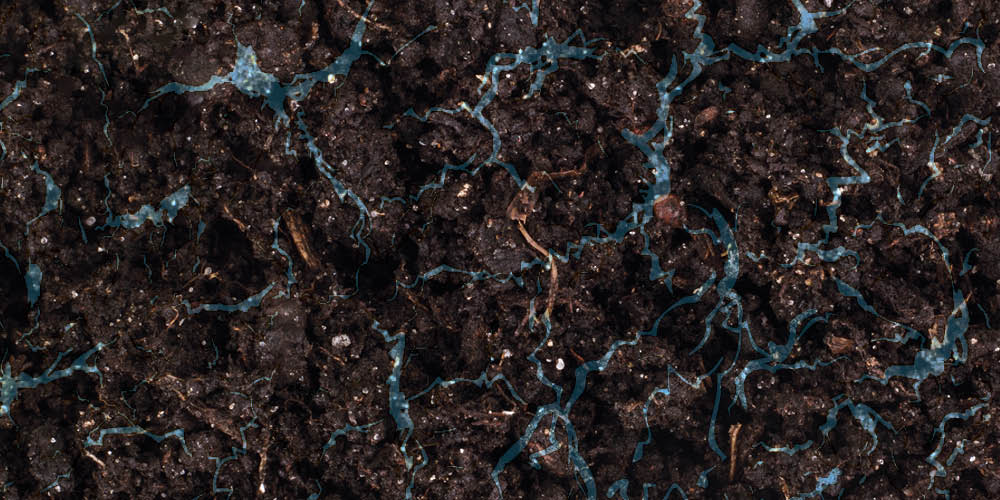
How to Improve Drainage in Soil for Medical Cannabis Cultivation: A Detailed Guide for Medical Use
The cultivation of medical cannabis is an intricate process that requires optimal growing conditions to ensure the highest quality yield of plants, which can directly impact their effectiveness in treating various medical conditions. One of the most important variables impacting plant health is soil drainage. Proper drainage is necessary to prevent root rot, ensure nutrient absorption, and promote healthy plant growth.
In this detailed guide, we will explore the various ways to improve drainage in soil specifically for medical cannabis cultivation. The focus will be exclusively on enhancing soil conditions to support the cultivation of cannabis for medical use, without reference to recreational use or methods of consumption. This article will cover:
- Understanding the importance of soil drainage in cannabis cultivation
- Factors affecting drainage in soil
- Selecting the right soil for optimal drainage
- Amendments to improve drainage
- Soil structure management techniques
- The role of container type and size
- Irrigation methods that promote drainage
- Monitoring and managing drainage over the life cycle of cannabis plants
- Common drainage-related problems and solutions in cannabis cultivation
Understanding the Importance of Soil Drainage in Cannabis Cultivation
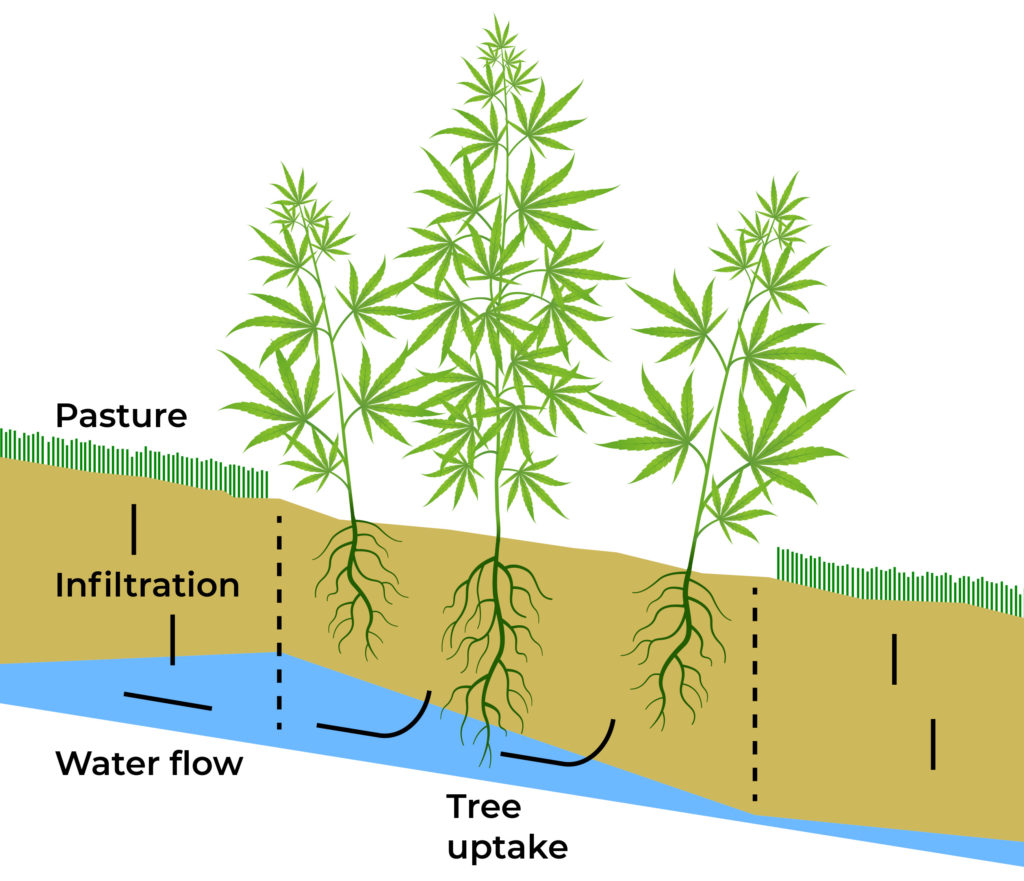
For medical cannabis to reach its full therapeutic potential, the plant must grow in an environment that allows for the proper development of its roots, stems, and leaves. Poor soil drainage can result in saturated roots, suffocating the plant and limiting its ability to absorb oxygen. This can result in stunted growth, nutrient deficiencies, and an increased risk of fungal infections like root rot. Over time, these conditions can drastically reduce the potency and yield of medical cannabis, ultimately compromising its medicinal quality.
Benefits of Good Soil Drainage
- Preventing Root Rot and Diseases: Proper drainage helps to avoid standing water, which can lead to root rot caused by pathogens such as Pythium, Phytophthora, and Rhizoctonia. These fungus flourish in wet environments and can swiftly deplete a cannabis crop.
- Facilitating Nutrient Uptake: Good drainage allows for better oxygen flow in the root zone, which is essential for nutrient uptake. Cannabis plants rely on a delicate balance of water and air in the soil to absorb nutrients like nitrogen, potassium, and phosphorus, all of which are vital for their growth and potency.
- Reducing Compaction: Compacted soil prevents roots from expanding and absorbing nutrients efficiently. Well-drained soil is less prone to compaction, allowing roots to grow deep and healthy.
- Supporting Healthy Root Systems: In well-drained soils, roots are encouraged to grow deeper and stronger, increasing the plant’s overall resilience to environmental stressors.
Factors Affecting Drainage in Soil
Several factors affect how well soil drains, and it’s essential to understand these when cultivating medical cannabis.
- Soil Texture: Soil is made up of different-sized particles, primarily sand, silt, and clay. Sand has huge particles that drain fast, but clay has very small particles that retain water longer. Loam soil, a combination of sand, silt, and clay, provides the finest drainage for cannabis plants.
- Soil Structure: Soil structure refers to how soil particles clump together. Well-aggregated soil allows for better water movement and air circulation. Poorly structured soil, on the other hand, leads to compacted layers that impede drainage.
- Organic Matter: Organic materials in the soil, such as decayed plant material, aids in the formation of air and water flow channels. Soils high in organic matter drain more efficiently while holding adequate moisture for plants to thrive.
- Soil Compaction: Compacted soil prevents water from draining properly. In compacted soils, water pools at the surface, depriving roots of oxygen and leading to poor plant health.
Selecting the Right Soil for Optimal Drainage
The foundation of any successful cannabis cultivation operation begins with selecting the right soil. For medical cannabis, the goal is to create a soil environment that balances water retention and drainage. Here are the key soil types to consider for improving drainage:
- Loam Soil: Loam is the ideal soil type for growing medical cannabis because it offers excellent drainage while retaining enough moisture to keep plants hydrated. Loam is a combination of sand, silt, and clay, typically in proportions of 40% sand, 40% silt, and 20% clay. This structure provides a good balance between drainage and water retention.
- Sandy Soil: Sandy soils have larger particles, which allow for quick drainage. However, they may drain too fast for cannabis plants, leading to dehydration. Amending sandy soil with organic matter or clay can help improve its water retention capacity without sacrificing drainage.
- Clay Soil: Clay soil retains water and drains slowly, making it a poor choice for medical cannabis cultivation unless properly amended. Adding organic matter, perlite, or other drainage-enhancing materials can improve the structure and drainage of clay soils.
- Silty Soil: Silty soils hold more water than sandy soils but can also become compacted, leading to poor drainage. Mixing silty soil with sand or other porous materials can enhance drainage.
Commercial Soil Mixes for Cannabis Cultivation
Many cannabis growers use commercial soil mixes designed specifically for cannabis cultivation. These mixes often contain perlite, vermiculite, peat moss, and other components that enhance drainage while providing necessary nutrients. When selecting a commercial mix, look for those labeled as well-draining or designed for container gardening, as these are optimized for proper water flow and root oxygenation.
Amendments to Improve Soil Drainage
Soil amendments can greatly improve the drainage capacity of your growing medium. Here are some commonly used amendments for medical cannabis cultivation:
- Perlite: Perlite is a lightweight, porous volcanic rock that improves drainage and aeration in soil. It is often mixed into potting soils to create air pockets and enhance water movement. A 10-20% perlite addition to your soil mix can significantly improve drainage.
- Vermiculite: Vermiculite is a mineral that improves water retention but can also promote aeration. While it holds water, it doesn’t retain it excessively, making it a good amendment for balancing water and air in the soil.
- Coco Coir: Coconut coir is a fibrous material from the husk of coconuts. It retains water well but also promotes good drainage and air flow. Adding coco coir to your soil mix improves water retention without leading to waterlogged conditions.
- Compost: Organic compost increases the organic matter in soil, which improves drainage while providing essential nutrients for plant growth. Compost also improves soil structure, helping to create spaces for air and water movement.
- Rice Hulls: Rice hulls are a sustainable, organic soil amendment that improves aeration and drainage. They decompose slowly and provide excellent structure to soil mixes.
- Sand: Coarse sand can be added to heavy, clay-based soils to improve drainage. It helps break up compacted soil and creates channels for water to pass through.
- Biochar: Biochar is a form of charcoal that improves soil structure, increases drainage, and retains nutrients. It also promotes microbial life, which is beneficial for overall soil health.
Soil Structure Management Techniques
In addition to choosing the right soil and amendments, it’s important to manage the soil structure to maintain good drainage. Soil structure is the grouping of soil particles into aggregates or clumps. When soil is well-structured, it allows water and air to move freely, supporting root growth and overall plant health.
Tillage and Soil Aeration
- Aeration: Aerating the soil by loosening it with a garden fork or aerator can improve drainage by creating channels for water to flow through. This is particularly important for container-grown cannabis, where soil can become compacted over time.
- No-Till Gardening: Some cannabis cultivators practice no-till gardening to maintain soil structure and avoid compaction. A no-till approach leaves the soil undisturbed, allowing beneficial bacteria and earthworms to flourish. These organisms naturally improve soil structure and promote good drainage.
Mulching
Mulching is the process of covering the soil surface with either organic or inorganic materials like as straw, wood chips, or gravel. While mulching helps retain moisture in the soil, it also prevents compaction from rain and irrigation, promoting better drainage.
The Role of Container Type and Size
If you’re growing medical cannabis in containers, the type and size of the container can have a significant impact on drainage. Containers with good drainage allow excess water to leave, avoiding saturated soil and root rot.
- Container Material: Fabric pots, also known as smart pots or air pots, are excellent choices for cannabis cultivation because they promote air pruning of roots and allow excess water to drain easily. These pots prevent the soil from becoming waterlogged and encourage healthy root growth.
- Container Size: The size of the container affects how water is retained and drained. Larger containers hold more soil and water, but if they lack adequate drainage holes, the water can pool at the bottom and cause root problems. Ensure that containers have multiple drainage holes and are slightly elevated to allow water to escape freely.
- Drainage Layer: Adding a drainage layer at the bottom of containers, such as gravel or broken pottery, can help prevent water from pooling at the base and ensure it drains out of the container effectively.
Irrigation Methods That Promote Drainage
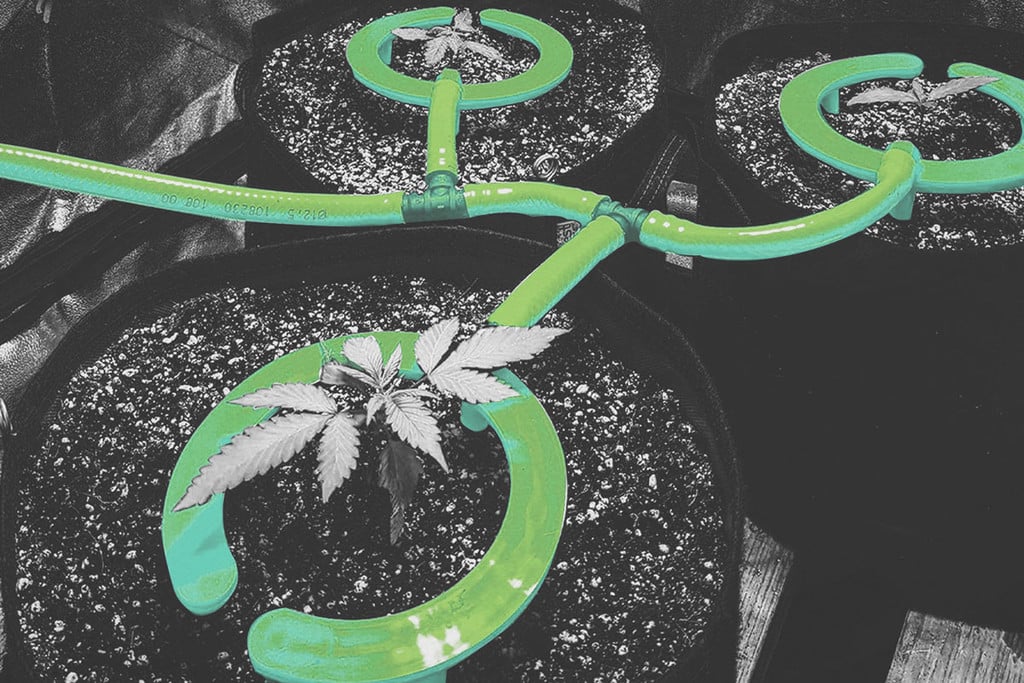
Watering cannabis plants correctly is just as important as selecting the right soil. Overwatering or poor irrigation methods can lead to waterlogged soil and reduced oxygen availability in the root zone. Here are some irrigation techniques to improve drainage:
- Drip Irrigation: Drip irrigation systems provide a slow, steady supply of water directly to the root zone, reducing the risk of overwatering and ensuring that water is evenly distributed throughout the soil. This method helps prevent water pooling on the soil surface and encourages deeper root growth.
- Watering Frequency: Overwatering is one of the most common mistakes in cannabis cultivation. Instead of watering plants on a fixed schedule, it’s better to water when the top inch or two of soil feels dry. This prevents soil from becoming waterlogged and promotes healthy drainage.
- Bottom Watering: For smaller cannabis plants grown in containers, bottom watering is a technique where water is added to a tray beneath the container. The soil then absorbs water through the drainage holes, ensuring that only the required amount of water is taken up.
- Use of Moisture Meters: A soil moisture meter can help growers determine the exact moisture content in the soil. By using a moisture meter, cultivators can avoid overwatering and ensure that plants receive only the amount of water they need.
Monitoring and Managing Drainage Over the Life Cycle of Cannabis Plants
Monitoring soil drainage throughout the cannabis growth cycle is crucial for maintaining healthy plants. As plants grow larger, their water and nutrient needs increase, which can affect soil drainage. Here are some strategies to ensure good drainage at each stage of the plant’s life cycle:
- Seedling Stage: Seedlings require less water than mature plants, so it is critical to prevent overwatering during this time. Use light, well-draining soil to ensure that excess water can escape easily. Check for proper drainage by monitoring the weight of the pots before and after watering.
- Vegetative Stage: Cannabis plants develop quickly during the vegetative period, requiring more water. Make sure the soil drains effectively to avoid soggy conditions. Consider adding additional perlite or sand to the soil if drainage becomes an issue.
- Flowering Stage: The flowering stage requires precise watering and nutrient management to produce high-quality medical cannabis. Overwatering at this stage might cause root rot and poor yields. Continue to monitor soil drainage and adjust watering frequency as needed.
- Harvest Stage: As the plant nears harvest, reduce the amount of water provided to encourage resin production. Ensure that the soil continues to drain properly to avoid any final-stage issues such as mold or mildew.
Common Drainage-Related Problems and Solutions in Cannabis Cultivation
Even with the best soil and watering practices, drainage problems can sometimes arise. Here are some common drainage-related issues and solutions for medical cannabis cultivation:
- Problem: Water Pooling at the Surface
Solution: Water pooling at the surface is often a sign of compacted soil or insufficient drainage. Aerate the soil using a fork or aerator, and consider adding more perlite, vermiculite, or sand to improve soil structure. - Problem: Root Rot
Solution: Root rot is caused by overwatering and poor drainage. If root rot occurs, immediately improve soil drainage by adding amendments like perlite and reducing watering frequency. Consider repotting the damaged plants in fresh, well-drained soil. - Problem: Nutrient Deficiencies
Solution: Poor drainage can lead to nutrient lockout, where plants are unable to absorb essential nutrients. Flush the soil with clean water to remove excess salts and nutrients, then amend the soil with organic matter to improve drainage. - Problem: Compacted Soil
Solution: Compacted soil prevents water from draining properly and restricts root growth. To solve this issue, aerate the soil regularly and avoid overwatering. Adding compost or organic waste can help to enhance soil structure and drainage.
Restrictions on Growing and Using Cannabis in the Medical Field

- Medical Use Only: Cannabis cultivation and use are restricted to medical purposes, often requiring a prescription or recommendation from a licensed healthcare provider. Recreational use remains prohibited in many jurisdictions.
- Last Resort: Cannabis is typically recommended as a last-resort treatment when conventional therapies have failed or caused adverse side effects. This ensures that patients have exhausted other options before turning to cannabis.
- THC Monitoring: To prevent psychoactive effects, medical cannabis products often have strict THC limits. The THC (tetrahydrocannabinol) content is closely monitored and controlled in medications to minimize its psychoactive impact, ensuring the focus remains on therapeutic benefits like pain relief, anti-inflammatory properties, or seizure control.
- Regulatory Compliance: Medical cannabis cultivation must follow strict regulations, including obtaining licenses, adhering to cultivation standards, and ensuring product quality and consistency. These guidelines help protect patient safety.
- Patient Monitoring: Physicians must monitor patient responses closely, adjusting dosages and formulations to avoid unwanted side effects, including psychoactivity, while ensuring effective treatment outcomes.
Conclusion: Improving Soil Drainage and Restrictions in Medical Cannabis Cultivation
Effective soil drainage is a critical factor in the successful cultivation of medical cannabis. Proper drainage ensures that plants can absorb essential nutrients, oxygen, and water in the right proportions, preventing issues such as waterlogging, root rot, and nutrient deficiencies. For medical cannabis growers, improving drainage helps ensure healthy plant growth, which in turn supports the production of high-quality cannabis with maximum therapeutic benefits.
To improve soil drainage, it’s essential to select the right soil type—ideally, a well-balanced loam mix that combines sand, silt, and clay in the right proportions. In addition, soil amendments like perlite, vermiculite, coco coir, and compost can be used to enhance drainage and aeration. These amendments create spaces for air and water movement, allowing roots to access oxygen while preventing water from accumulating. Proper irrigation techniques, such as drip irrigation and careful watering schedules, also play a crucial role in maintaining optimal drainage, preventing overwatering, and promoting healthy root development. For container-grown plants, choosing pots with sufficient drainage holes and using smart pots or fabric containers can further enhance water flow and root health.
In the context of medical cannabis, it’s not only the cultivation techniques that are tightly regulated, but also the use and application of the plant. Medical cannabis is typically prescribed as a last-resort treatment for patients who have exhausted other conventional therapies. This restriction ensures that cannabis is used responsibly, particularly given its potential psychoactive effects, which are primarily caused by THC (tetrahydrocannabinol). Monitoring and controlling THC levels in medical cannabis products is crucial to prevent the psychoactive effects that could impair patients, particularly when the goal is to provide relief from conditions like chronic pain, seizures, or inflammation.
Governments and regulatory bodies impose strict guidelines on the cultivation, processing, and distribution of medical cannabis. These include licensing requirements for growers, quality control measures to ensure consistent THC and CBD (cannabidiol) levels, and medical oversight of patient use. Healthcare providers must closely monitor patient responses to cannabis-based treatments, ensuring that the treatment is both effective and safe, with minimal psychoactive effects.
In conclusion, improving soil drainage is a vital aspect of cultivating high-quality medical cannabis, while strict regulatory measures surrounding its use ensure that it remains a safe and effective treatment option for patients. By focusing on optimal soil conditions and adhering to medical restrictions, growers can produce cannabis that meets therapeutic standards without compromising patient well-being.
