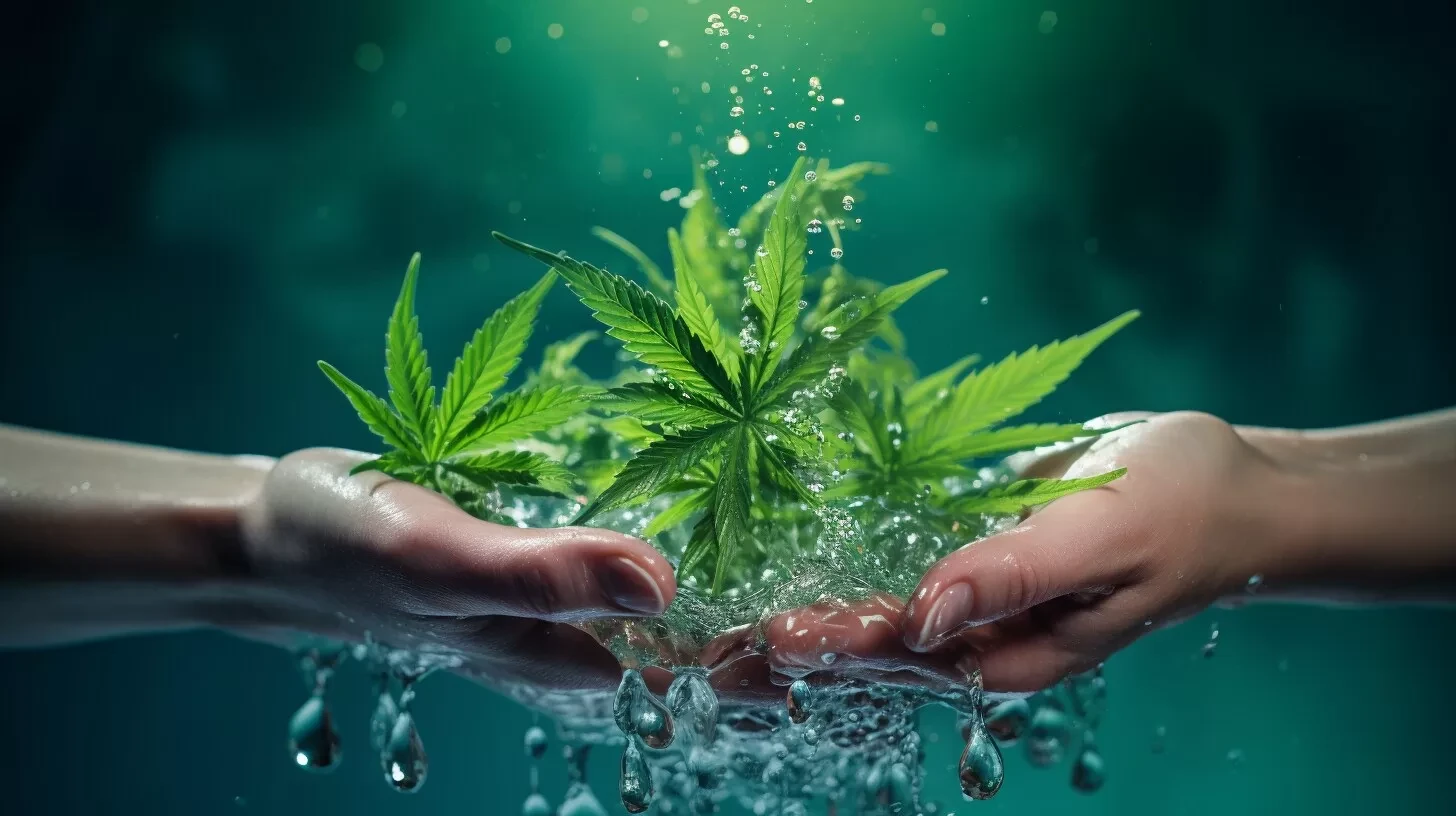
Improving cannabis bud quality involves several key factors throughout the cultivation process. Here are some essential tips to enhance the quality of your cannabis buds:
1. Genetics
- Choose High-Quality Strains: Start with reputable genetics from trusted seed banks. High-quality strains are bred for potency, flavor, and overall bud quality.
2. Growing Environment
- Light: Ensure your plants receive adequate light, whether it’s natural sunlight or artificial grow lights. Proper light spectrum and intensity are crucial for bud development.
- Temperature and Humidity: Maintain optimal temperature (70-85°F or 20-30°C during the day and slightly cooler at night) and humidity levels (40-60% during vegetative and 40-50% during flowering).
- Airflow and Ventilation: Good airflow and ventilation prevent mold and mildew while ensuring CO2 reaches the plants.
3. Nutrients and Watering
- Balanced Nutrients: Use high-quality, balanced nutrients suitable for the specific growth stage (vegetative or flowering). Avoid over-fertilization.
- pH Levels: Keep the soil or hydroponic solution pH between 6.0-7.0 for soil and 5.5-6.5 for hydroponics.
- Watering: Water your plants adequately but avoid overwatering. Proper drainage is essential.
4. Pruning and Training
- Pruning: Remove lower branches and leaves that do not receive much light. This focuses the plant’s energy on developing the main colas.
- Training Techniques: Implement techniques such as Low-Stress Training (LST), topping, and scrogging to increase light penetration and bud production.
5. Flowering Stage Care
- Defoliation: Remove some of the larger fan leaves to improve light penetration and air circulation around the buds.
- Bud Support: Use stakes, trellises, or nets to support heavy buds and prevent them from bending or breaking branches.
6. Harvesting
- Timing: Harvest at the right time, typically when trichomes are mostly milky with some amber, indicating peak potency and flavor.
- Techniques: Use sharp, clean tools to cut the buds and handle them gently to avoid damaging trichomes.
7. Drying and Curing
- Drying: Hang the buds upside down in a dark, cool, and well-ventilated area for 7-10 days until the stems snap rather than bend.
- Curing: Place dried buds in airtight jars and store them in a cool, dark place. Open the jars daily for the first week to allow moisture to escape, then less frequently over the next few weeks. Curing can last from 2 weeks to several months, improving flavor and potency.
8. Pest and Disease Management
- Prevention: Regularly inspect plants for pests and diseases. When required, apply chemical or organic treatments; however, always abide by safety precautions.
- Cleanliness: Maintain a clean grow area to minimize the risk of infestations and infections.
By following these steps, you can significantly improve the quality of your cannabis buds, resulting in a more potent, flavorful, and visually appealing product.
Genetics
The foundation of high-quality cannabis buds lies in selecting the right genetics. Here’s a detailed look at the importance of genetics and how to choose the best strains:
Importance of Genetics
- Potency: The genetic makeup of a strain determines its potential THC and CBD levels. High-quality genetics can produce more potent buds with higher cannabinoid concentrations.
- Flavor and Aroma: Terpene profiles, responsible for the plant’s aroma and flavor, are also genetically determined. Different strains offer unique sensory experiences.
- Growth Characteristics: Genetics influence plant structure, growth rate, resistance to pests and diseases, and overall hardiness.
- Yield: The potential yield of a cannabis plant is largely dictated by its genetics. Some strains are bred to produce larger, denser buds.
- Medicinal Properties: For medical cannabis users, specific strains are bred to target certain conditions, offering tailored therapeutic effects.
Choosing High-Quality Strains
- Reputable Seed Banks: Purchase seeds from trusted and reputable seed banks known for their high-quality genetics. Seek feedback and suggestions from other cultivators.
- Strain Selection:
- Indica vs. Sativa vs. Hybrid: Decide whether you prefer the sedative effects of Indica, the energizing effects of Sativa, or the balanced effects of Hybrids.
- Purpose: Choose strains based on your goals—whether for recreational use, specific medical conditions, or particular flavors and aromas.
- Breeding and Stability: Opt for strains that have been stabilized through multiple generations of breeding. Stable genetics result in more uniform and predictable plants.
- Tested Genetics: Look for strains that have been tested for their cannabinoid and terpene profiles, providing you with information on potency and flavor.
- Clones vs. Seeds: Decide whether to start with seeds or clones. Clones ensure you get a female plant with identical genetics, while seeds offer the potential for genetic diversity.
Popular High-Quality Strains
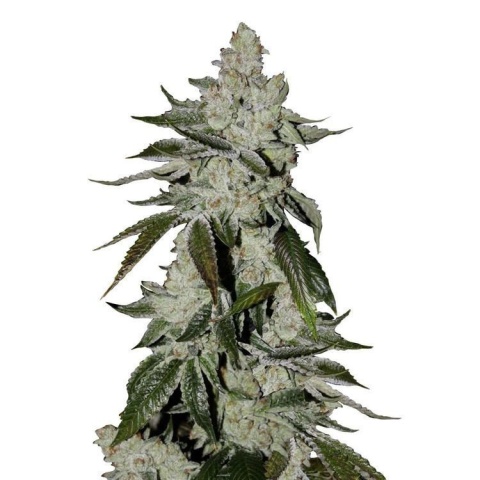
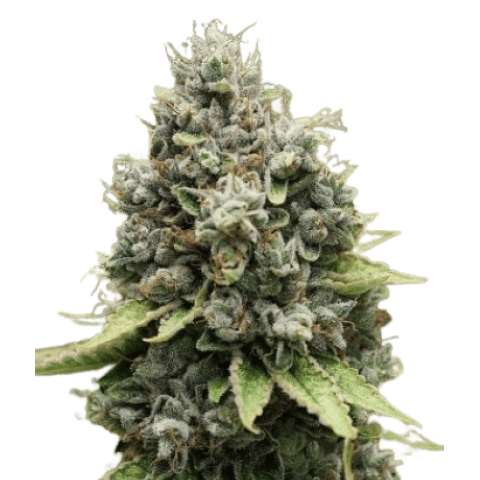
- Blue Dream: A balanced hybrid known for its potency and sweet berry aroma.
- Girl Scout Cookies (GSC): Renowned for its high THC content and earthy, sweet flavor.
- Sour Diesel: A Sativa-dominant strain with energizing effects and a pungent diesel aroma.
- OG Kush: Famous for its high THC levels and distinctive earthy, pine scent.
- ACDC: A high-CBD strain ideal for medical use with minimal psychoactive effects.
-
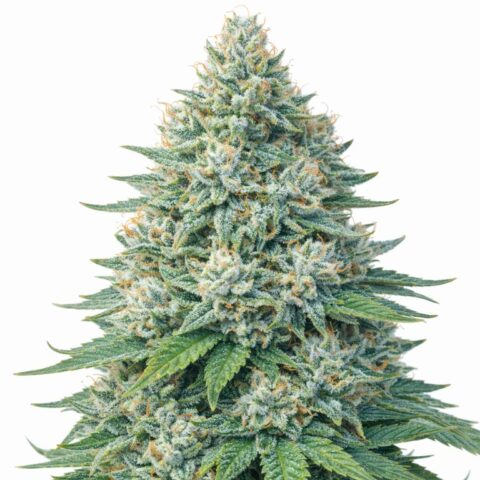 Blue Dream Cannabis SeedsFrom: $24.99
 -
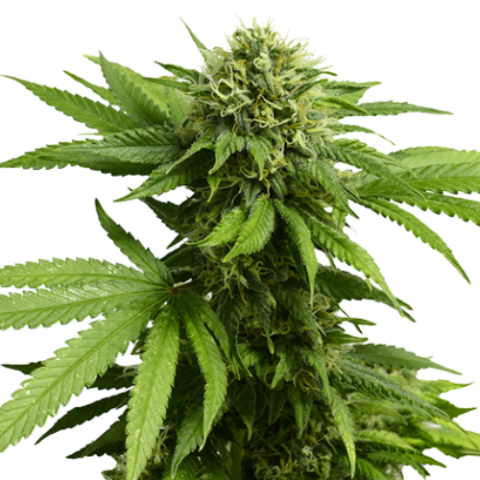 CBD ACDC Cannabis SeedsFrom: $24.99
 -
 OG Kush Cannabis SeedsFrom: $24.99
 -
 Girl Scout Cookies Cannabis SeedsFrom: $24.99
 -
Sour Diesel Cannabis SeedsFrom: $24.99
Detailed Guide to the Cannabis Growing Environment
Creating the perfect growing environment for cannabis involves managing several key factors to ensure healthy plant growth and high-quality bud production. Here’s an in-depth look at each element:
Light
Types of Light:
- Natural Sunlight:
- Best for outdoor grows. Cannabis plants thrive with full-spectrum sunlight.
- Ensure the growing site gets at least 6-8 hours of direct sunlight daily.
- Artificial Grow Lights:
- LED (Light Emitting Diodes): Energy-efficient, produce less heat, customizable spectrum.
- HPS (High-Pressure Sodium): Great for flowering due to high-intensity light and red spectrum.
- MH (Metal Halide): Suitable for vegetative growth due to blue spectrum.
- CFL (Compact Fluorescent Lights): Good for small grows, less heat, and moderate energy consumption.
Light Intensity and Duration:
- Vegetative Stage: 18-24 hours of light per day. Use light meters to ensure adequate intensity.
- Flowering Stage: 12 hours of light and 12 hours of uninterrupted darkness to trigger flowering.
Temperature and Humidity
Temperature:
- Vegetative Stage: Optimal range is 70-85°F (20-30°C).
- Flowering Stage: Optimal range is 65-80°F (18-27°C). Cooler temperatures at night can enhance bud color and resin production.
Humidity:
- Seedling Stage: 65-70% humidity to support delicate young plants.
- Vegetative Stage: 40-70% humidity to promote vigorous growth.
- Flowering Stage: 40-50% humidity to prevent mold and mildew on dense buds.
- Drying and Curing: Maintain 45-55% humidity to prevent over-drying and to preserve terpenes.
Airflow and Ventilation
Air Circulation:
- Use oscillating fans to provide consistent airflow around the plants. This strengthens stems and prevents mold.
Ventilation:
- Install exhaust fans to remove hot air and bring in fresh air, maintaining a stable temperature and CO2 levels.
- Ensure an intake fan or passive intake to allow fresh air to flow into the grow area.
CO2 Supplementation:
- In sealed grow rooms, CO2 levels can be increased to 1200-1500 ppm to boost growth and bud development.
Growing Medium
Soil:
- Use high-quality organic soil with good drainage. Amend with perlite or vermiculite to enhance aeration.
- Soil pH should be maintained between 6.0-7.0.
Hydroponics:
- Systems like Deep Water Culture (DWC), Nutrient Film Technique (NFT), and Aeroponics allow precise control over nutrients and pH.
- Hydroponic systems require pH maintenance between 5.5-6.5.
Soilless Mixes:
- Coco coir and peat-based mixes offer better control over nutrients and water retention. They require regular pH and nutrient adjustments.
Watering
Frequency:
- When the top inch of soil seems dry, water it. While underwatering stresses the plant, overwatering can cause root rot.
pH Levels:
- For soil, maintain a pH of 6.0-7.0.
- For hydroponic or soilless systems, maintain a pH of 5.5-6.5.
Water Quality:
- Use filtered or dechlorinated water. Tap water should be left out for 24 hours to let chlorine evaporate.
Nutrients
Macronutrients:
- Nitrogen (N): Essential for vegetative growth. Higher levels are needed during this stage.
- Phosphorus (P): Important for root development and flowering. Increase during the flowering stage.
- Potassium (K): Supports overall plant health and bud development. Needed in all stages, especially flowering.
Micronutrients:
- Ensure adequate levels of calcium, magnesium, iron, and other micronutrients to prevent deficiencies.
Feeding Schedules:
- Follow a nutrient schedule appropriate for the chosen nutrient line. Adjust based on plant response. Avoid nutrient burn by not over-fertilizing.
Pest and Disease Control
Prevention:
- Maintain a clean grow area. Examine plants frequently for indications of pests and illnesses.
Natural Predators:
- Introduce beneficial insects like ladybugs, predatory mites, and nematodes to control pests naturally.
Organic Solutions:
- Use neem oil, insecticidal soaps, and other organic treatments to manage pests and diseases without harmful chemicals.
Pruning and Training
Pruning and training techniques are essential for optimizing cannabis plant health, maximizing yield, and enhancing bud quality. Here’s a detailed guide on how to effectively prune and train your cannabis plants:
Pruning
Purpose of Pruning:
- Improve light penetration and airflow.
- Redirect plant energy to main bud sites.
- Prevent mold and pest infestations.
Types of Pruning:
- Topping:
- Method: Cut off the main shoot at the top of the plant, usually above the fourth or fifth node during the vegetative stage.
- Benefits: Encourages the plant to grow multiple main colas instead of a single central cola, leading to a bushier plant with potentially higher yields.
- Fimming:
- Method: Similar to topping but involves removing about 75% of the top growth instead of a clean cut. This method is less precise.
- Benefits: Can result in the growth of multiple new shoots, creating a bushier plant.
- Lollipopping:
- Method: Remove lower branches and leaves that receive little light, focusing the plant’s energy on the top canopy.
- Benefits: Enhances light penetration and airflow, reducing the risk of mold and improving bud quality at the top.
- Defoliation:
- Method: Selectively remove large fan leaves, particularly during the vegetative stage and early flowering.
- Benefits: Increases light penetration and airflow to lower bud sites, potentially improving overall bud development and quality.
When to Prune:
- During the vegetative stage, when the plant can recover quickly.
- Early in the flowering stage, but avoid heavy pruning later in flowering to prevent stressing the plant.
Training
Purpose of Training:
- Manipulate plant structure to maximize light exposure and improve bud development.
- Increase yield by promoting more even growth and larger, denser buds.
Training Techniques:
- Low-Stress Training (LST):
- Method: Bend and tie down the main stem and branches to create an even canopy. Use soft ties or garden wire to secure branches.
- Benefits: Increases light exposure to all parts of the plant, promoting uniform growth and larger yields. LST is gentle and minimizes plant stress.
- Screen of Green (ScrOG):
- Method: Use a screen or net above the plants. As plants grow through the screen, tuck and weave branches horizontally to create an even canopy.
- Benefits: Maximizes light exposure and optimizes space, resulting in higher yields and better bud quality. Perfect for growing indoors where vertical space is limited.
- Sea of Green (SOG):
- Method: Grow many small plants in a limited space with short vegetative periods. Plants are often pruned to a single main cola.
- Benefits: Rapid turnover and high yields per square foot. Suitable for growers looking to harvest quickly and efficiently.
- Super Cropping:
- Method: Gently crush the inner tissue of stems without breaking the outer skin. Bend the stem to the desired angle.
- Benefits: Encourages stronger, bushier plants with improved light exposure and potentially larger yields. Helps manage height and shape.
- Main-Lining:
- Method: Combine topping and LST to create a symmetrical plant with multiple main colas. Typically involves topping the plant multiple times and tying down branches.
- Benefits: Creates a uniform structure with equal energy distribution to all colas, resulting in larger, more uniform buds.
When to Train:
- Start during the vegetative stage when the plant is flexible and resilient.
- Continue light training into the early flowering stage, but avoid major stress later in flowering.
Conclusion
Improving cannabis bud quality is a multifaceted process that requires dedication, knowledge, and careful attention to detail throughout the entire cultivation cycle. Achieving high-quality buds is not just about following a set of guidelines; it involves understanding the unique needs of cannabis plants and responding to them with precision. Let’s delve deeper into each critical aspect of the process:
1. The Importance of Genetics: Starting with high-quality genetics sets the foundation for success. The genetic makeup of your cannabis seeds determines the plant’s potential for potency, flavor, yield, and resistance to pests and diseases. By choosing reputable seed banks and strains known for their desirable traits, you are already a step ahead in your quest for superior buds.
2. Creating an Optimal Growing Environment: The environment in which cannabis plants grow has a profound impact on their development. Ensuring the right balance of light, temperature, humidity, and airflow creates the perfect conditions for your plants to thrive. Whether growing indoors or outdoors, providing consistent and optimal conditions helps maximize the plant’s potential.
3. Nutrient Management: Cannabis plants require a balanced diet of macronutrients (nitrogen, phosphorus, potassium) and micronutrients to grow strong and produce quality buds. Over-fertilization or under-fertilization can lead to nutrient imbalances, affecting bud quality. Understanding the specific nutrient needs at different growth stages and adjusting feeding schedules accordingly is crucial for healthy, robust plants.
4. Proper Watering Practices: Watering is another critical factor that can make or break the quality of your buds. Both overwatering and underwatering can stress plants and hinder their growth. Ensuring proper watering practices, including the right frequency and water quality, helps maintain healthy root systems and overall plant vigor.
5. Pruning and Training Techniques: Pruning and training are essential techniques for maximizing light exposure and airflow within the canopy. Techniques like low-stress training (LST), topping, and defoliation help shape the plant, allowing it to produce more bud sites and ensuring that energy is directed towards the most productive parts of the plant. These practices lead to denser, higher-quality buds.
6. Flowering Stage Care: The flowering stage is when cannabis plants develop their buds. During this phase, maintaining optimal conditions and providing the right nutrients is crucial. Proper care during flowering ensures that buds develop to their full potential in terms of size, density, and resin production.
7. Harvesting at the Right Time: Timing your harvest is critical for achieving peak potency and flavor. The quality of your buds might be greatly impacted by harvesting them too soon or too late. By monitoring trichome development and pistil coloration, you can determine the optimal time to harvest, ensuring your buds are at their best.
8. Drying and Curing: Drying and curing are vital post-harvest processes that enhance the flavor, potency, and smoothness of your cannabis buds. Proper drying prevents mold and preserves the cannabinoid and terpene profiles. Curing further improves the quality by allowing the buds to develop their full flavor and potency. Patience during these stages is rewarded with superior quality buds.
9. Pest and Disease Management: Pests and diseases can devastate a cannabis crop, affecting both yield and quality. Implementing preventive measures and regular inspections help catch problems early. Organic and chemical controls, used judiciously, can manage infestations without compromising bud quality. Maintaining a clean growing environment is key to preventing issues before they arise.
By meticulously managing each of these aspects, growers can significantly improve the quality of their cannabis buds. High-quality cannabis buds are characterized by their potency, rich flavor, pleasant aroma, and appealing visual appearance. These attributes are achieved through a combination of careful planning, ongoing monitoring, and responsive adjustments based on the plant’s needs.
Ultimately, the journey to high-quality cannabis buds is one of continuous learning and adaptation. Each cultivation cycle offers opportunities to refine techniques and improve outcomes. By staying informed about best practices and emerging trends in cannabis cultivation, growers can consistently produce top-tier buds that stand out in terms of quality. This dedication to excellence not only enhances the grower’s satisfaction but also meets the expectations of discerning consumers who seek the best in cannabis products.
